
 MAP
MAP SEARCH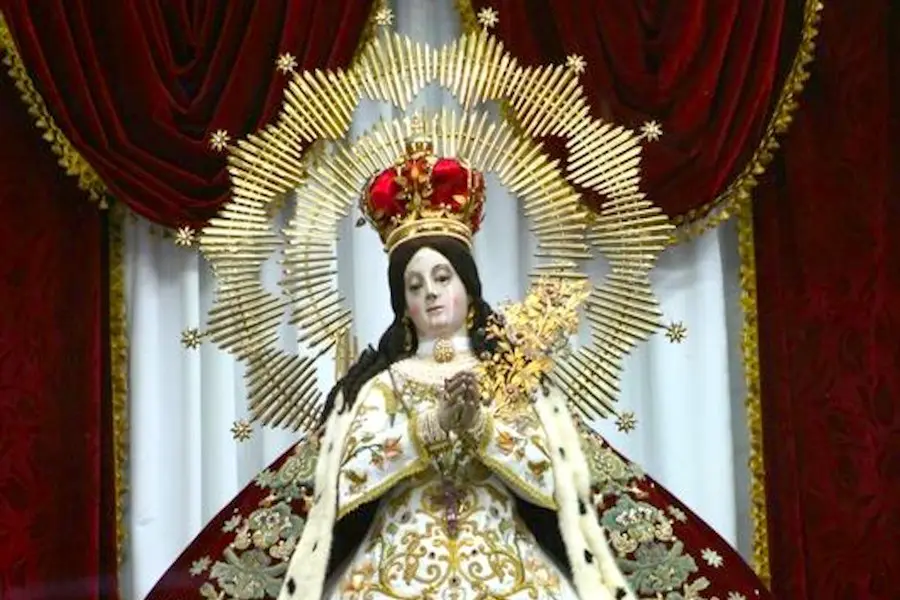
Adress
Basílica, Pátzcuaro, Michoacán, México.
GPS
19.51491703606, -101.60574674606
KNOW MORE PLACES
VISITA OTRAS LOCALIDADES
The Spiritual Heart of Michoacán
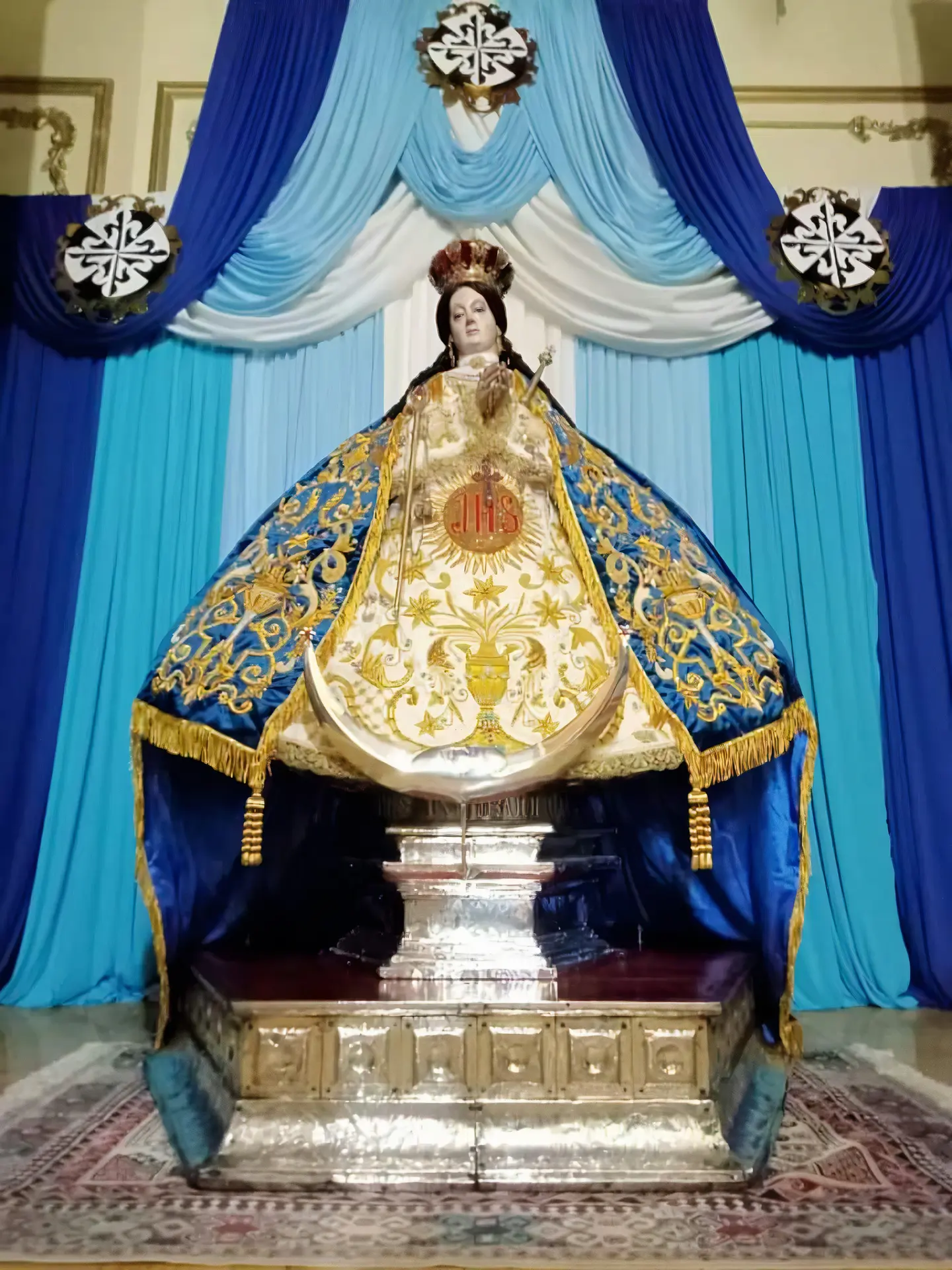
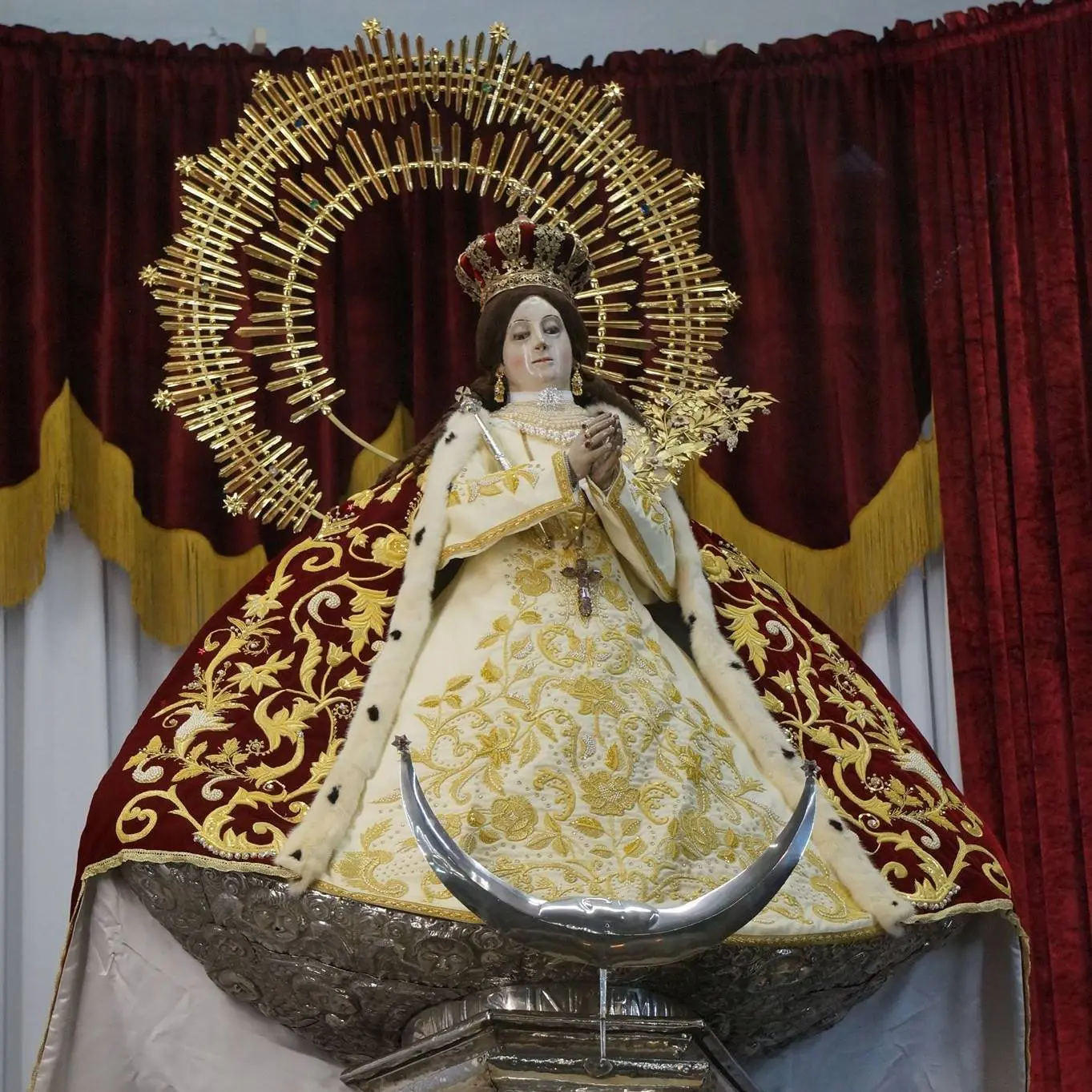
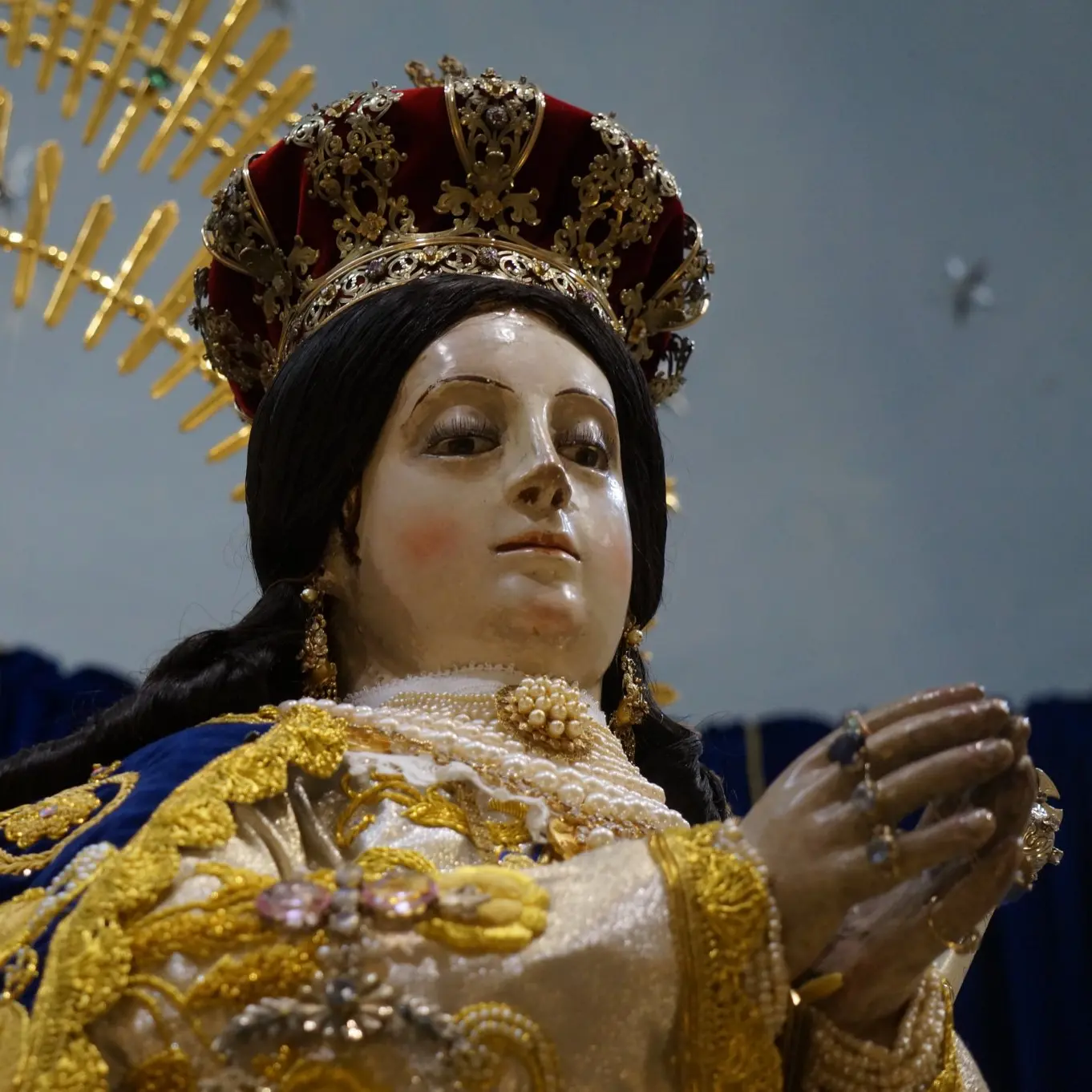
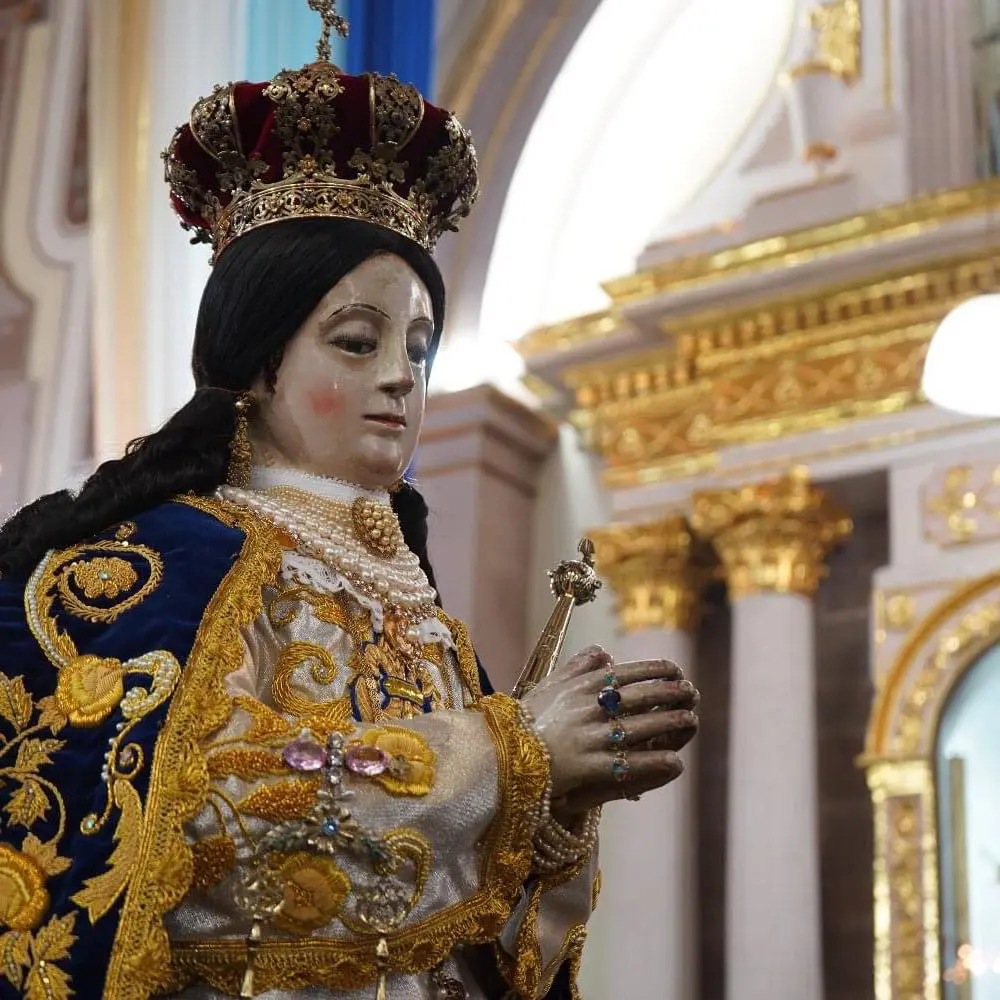
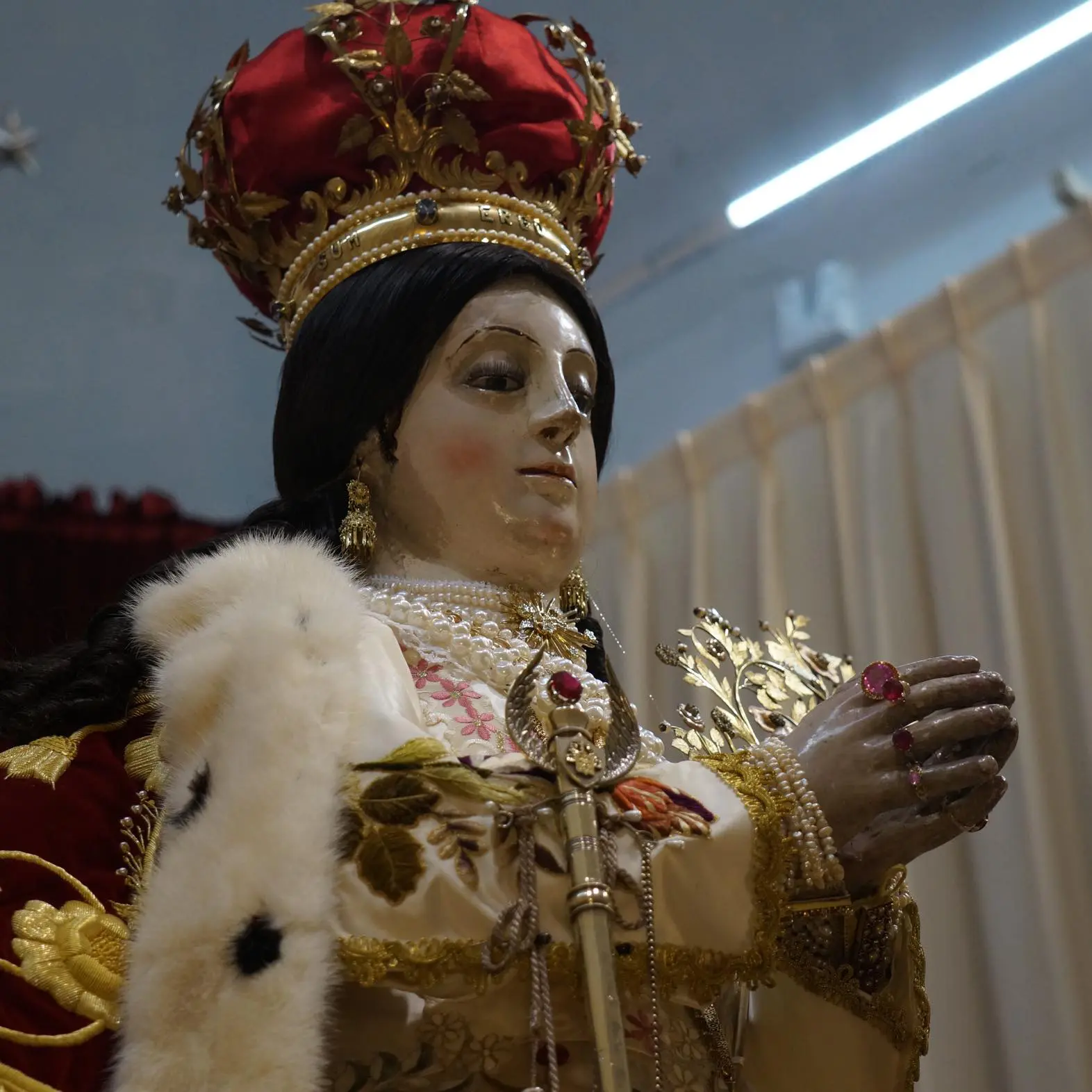
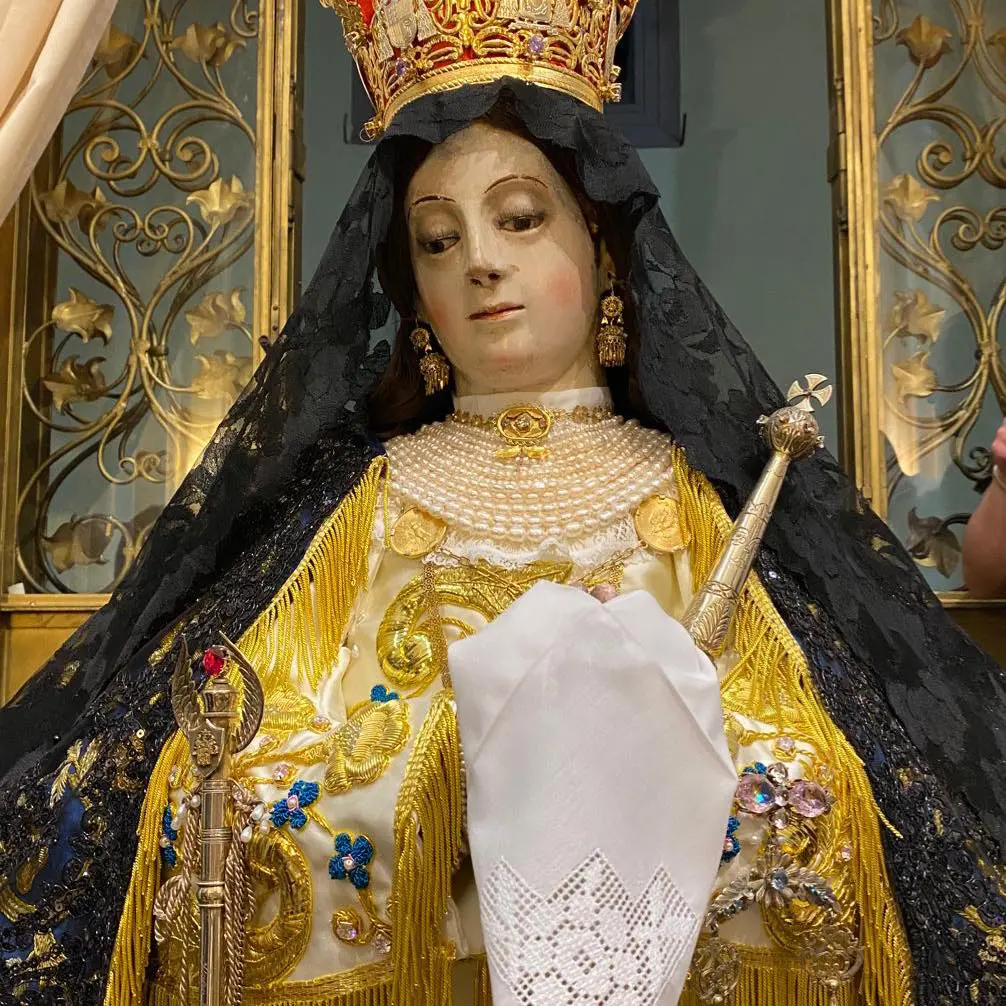
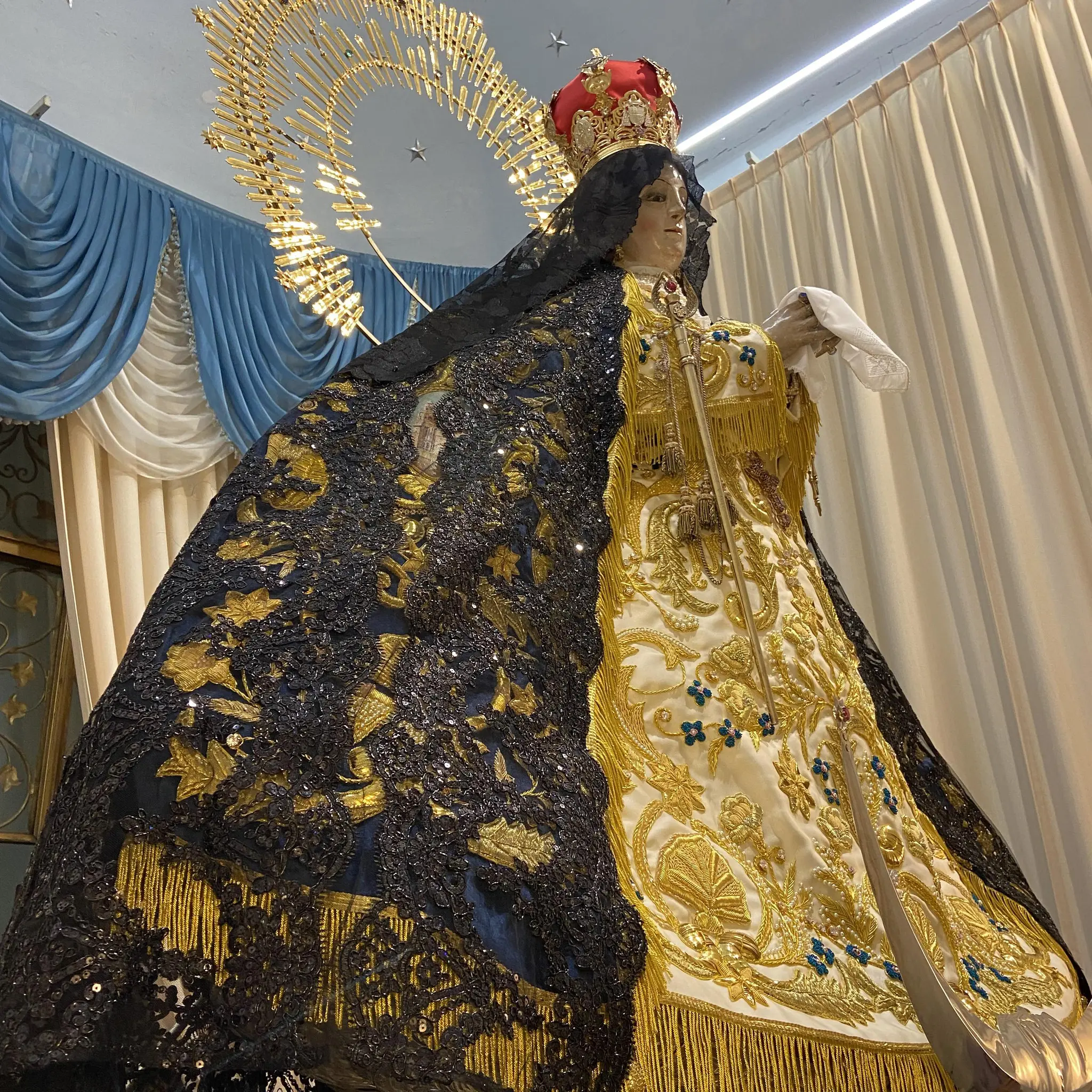
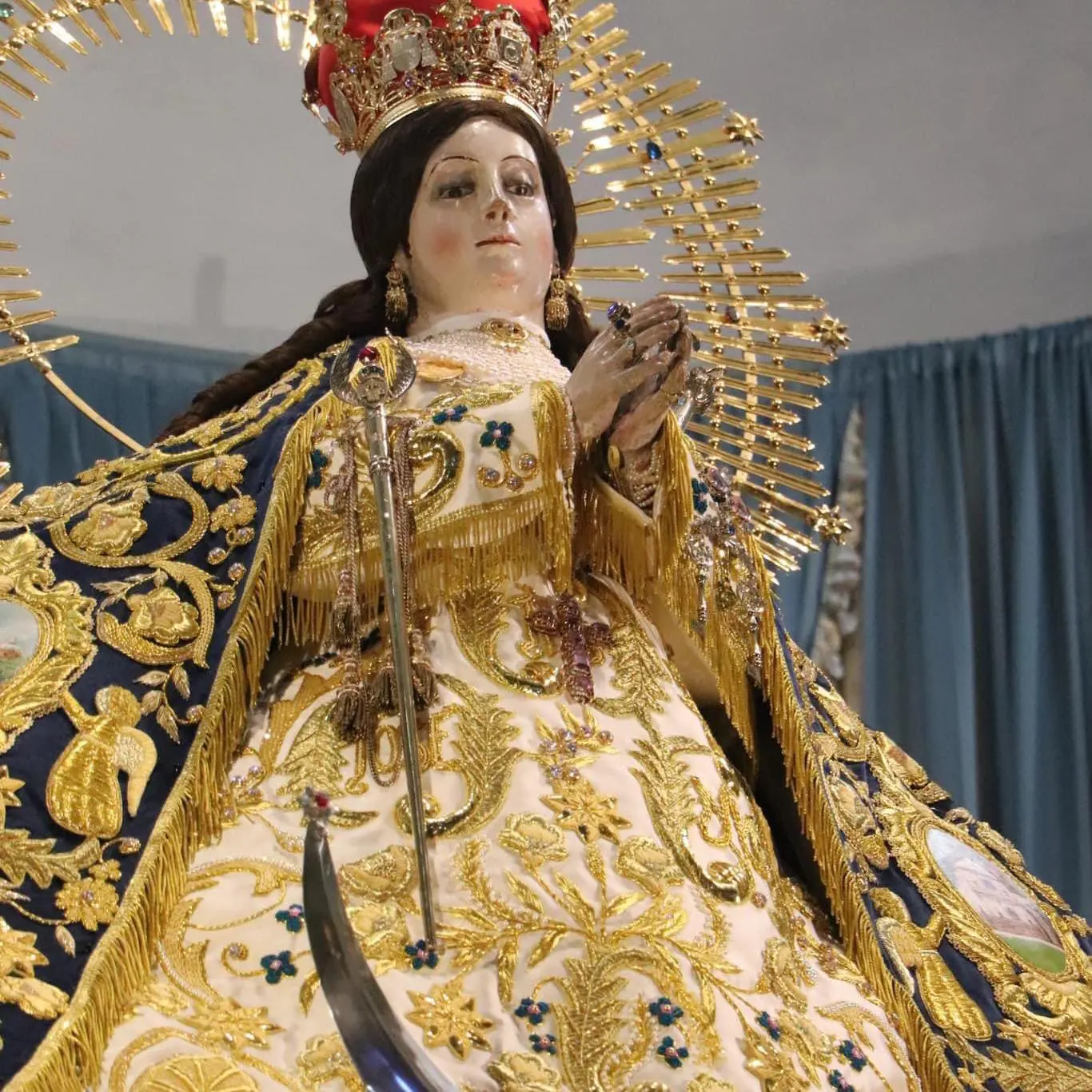
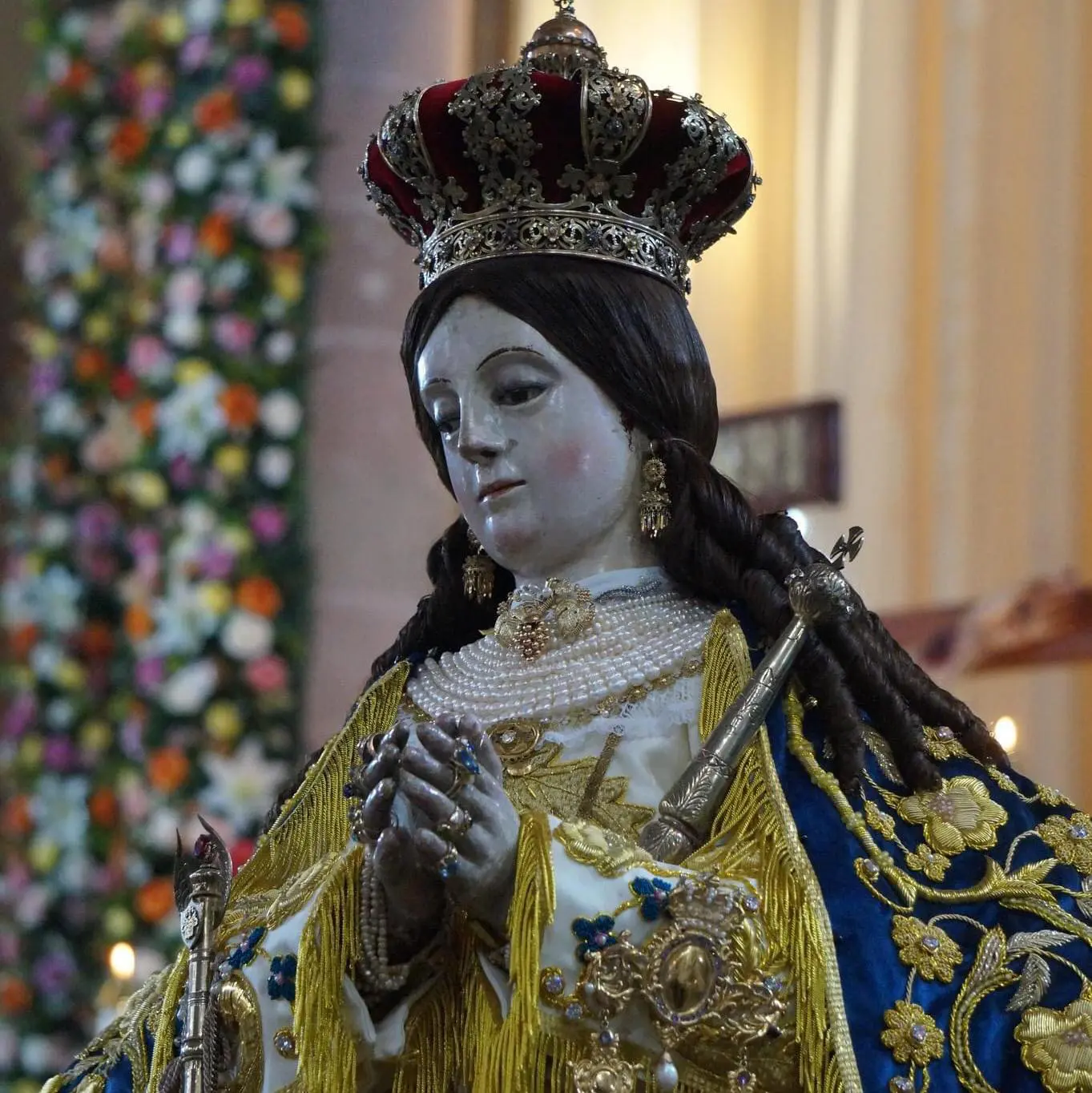
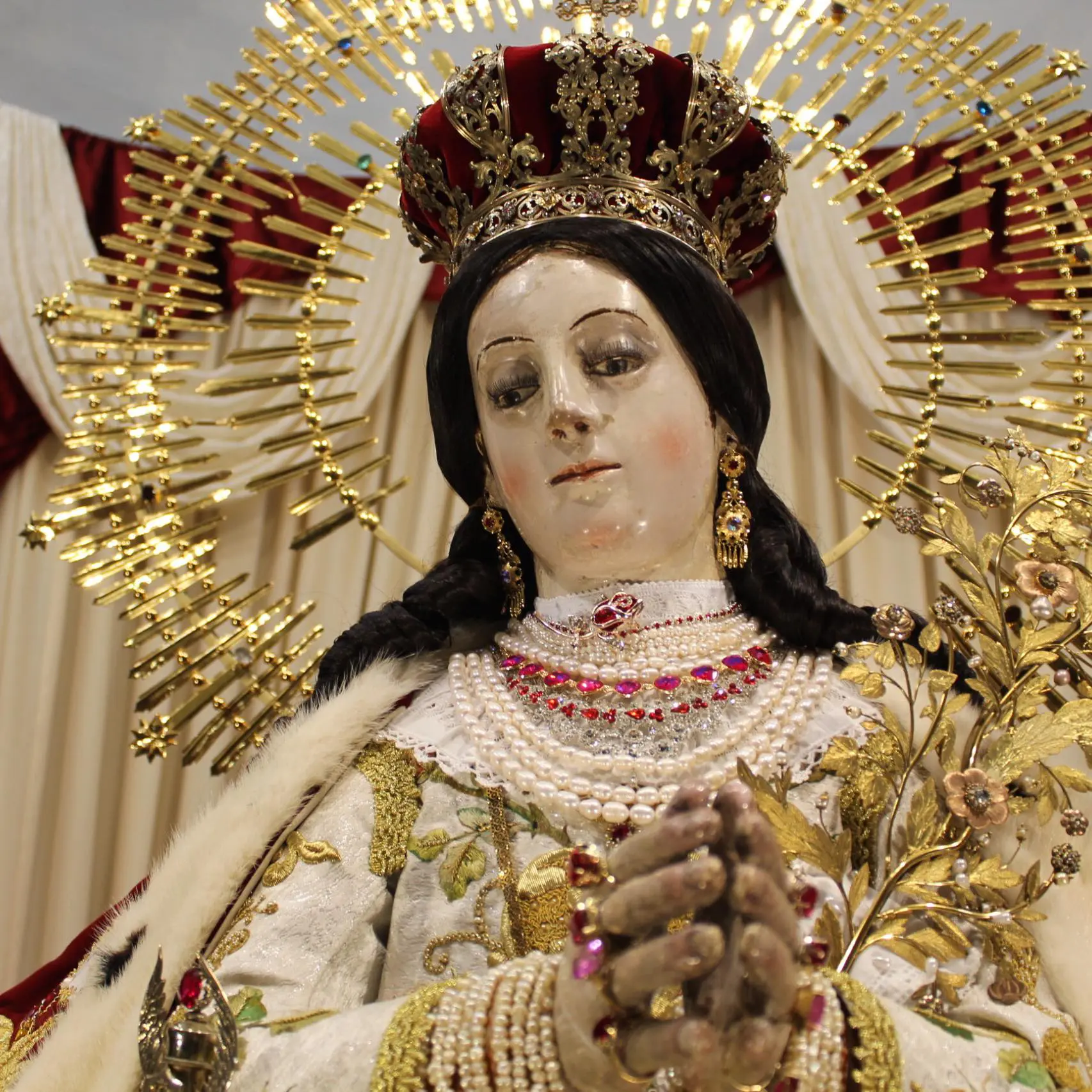
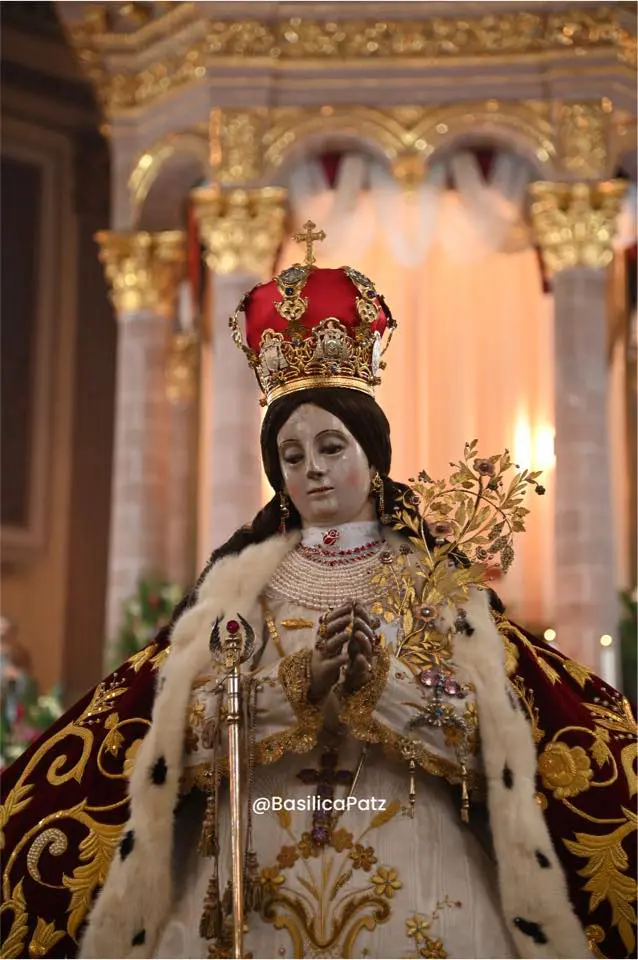
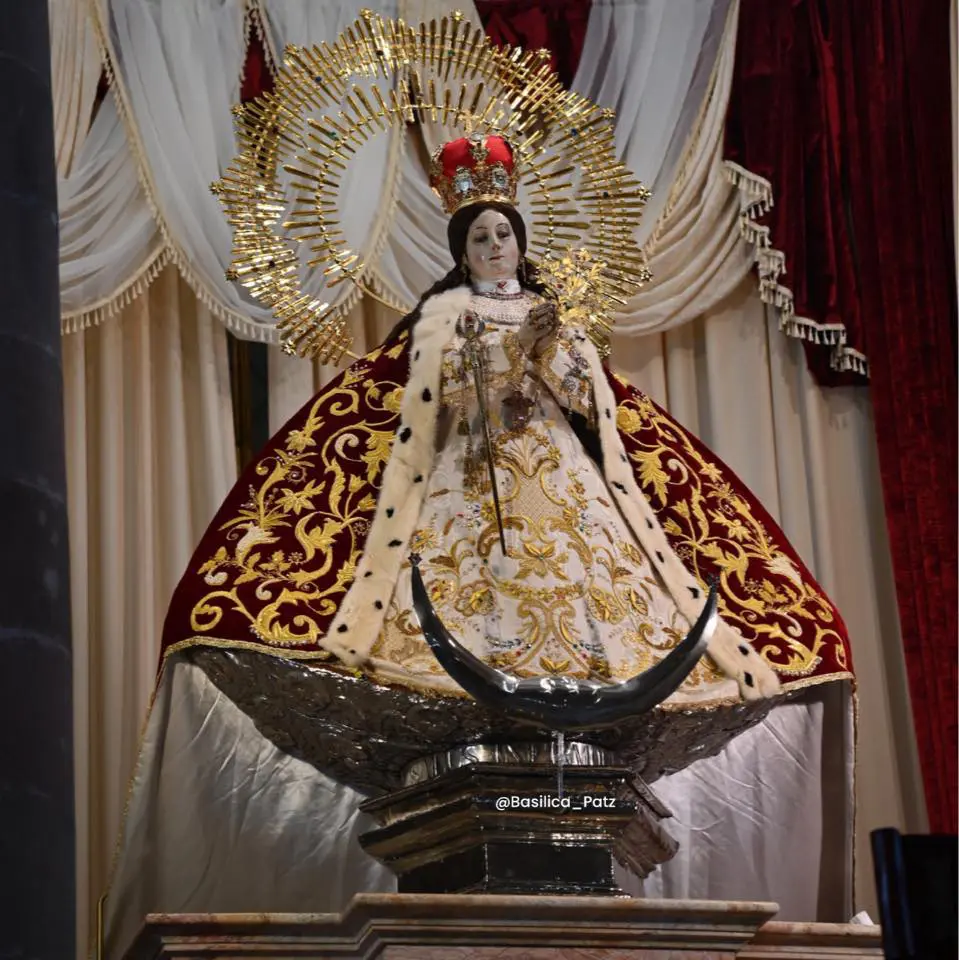
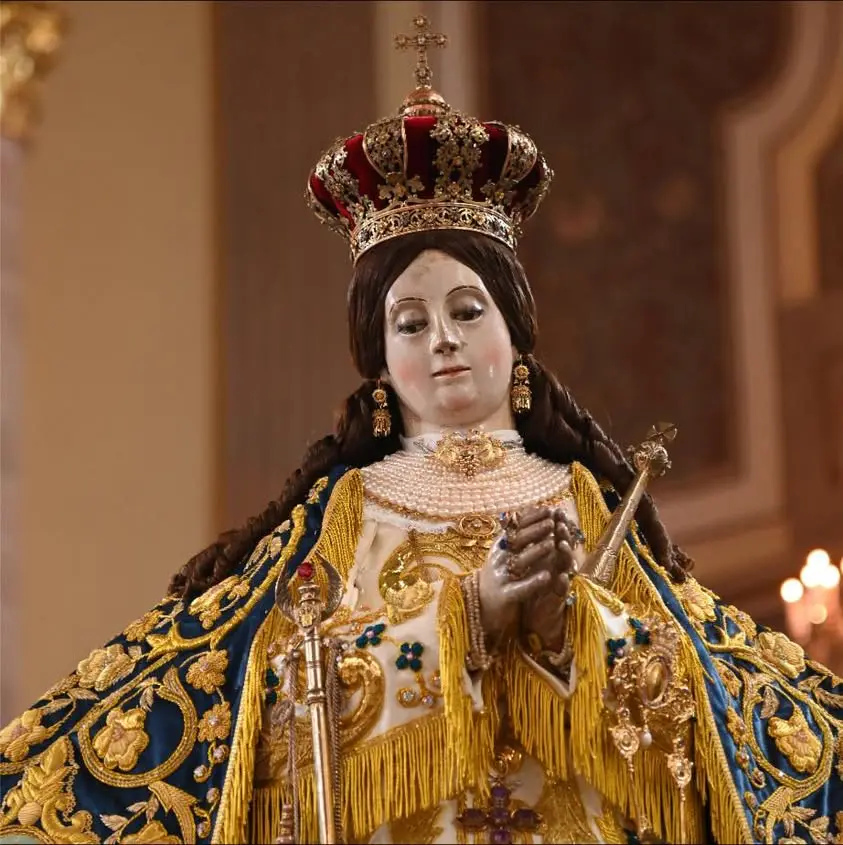
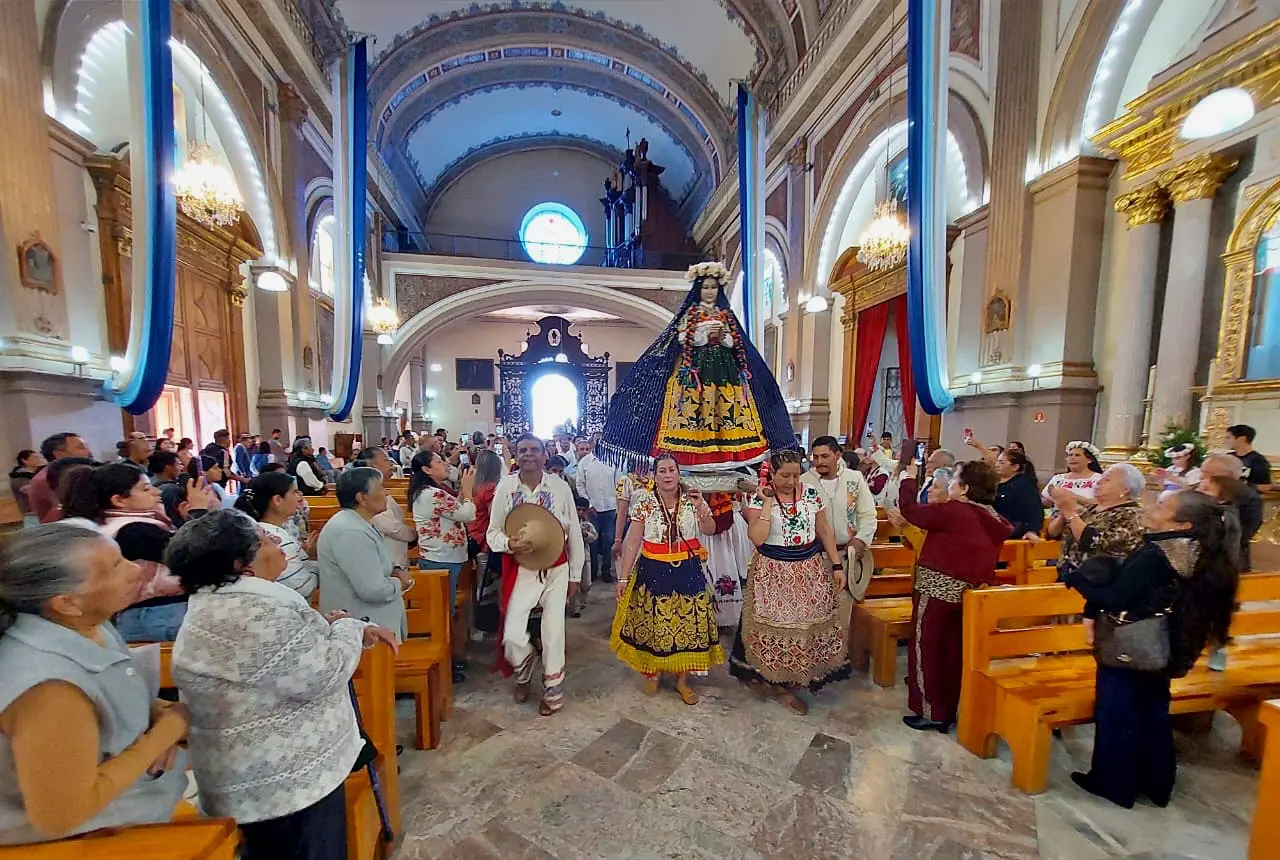
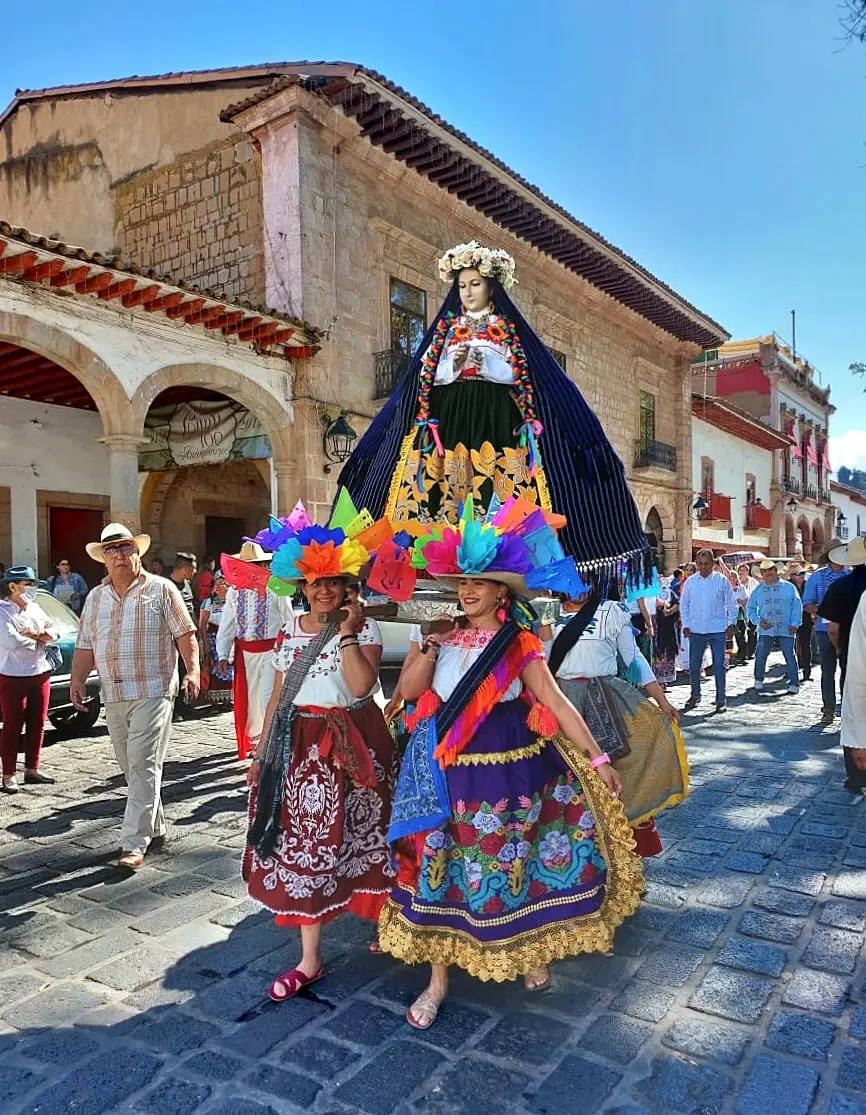
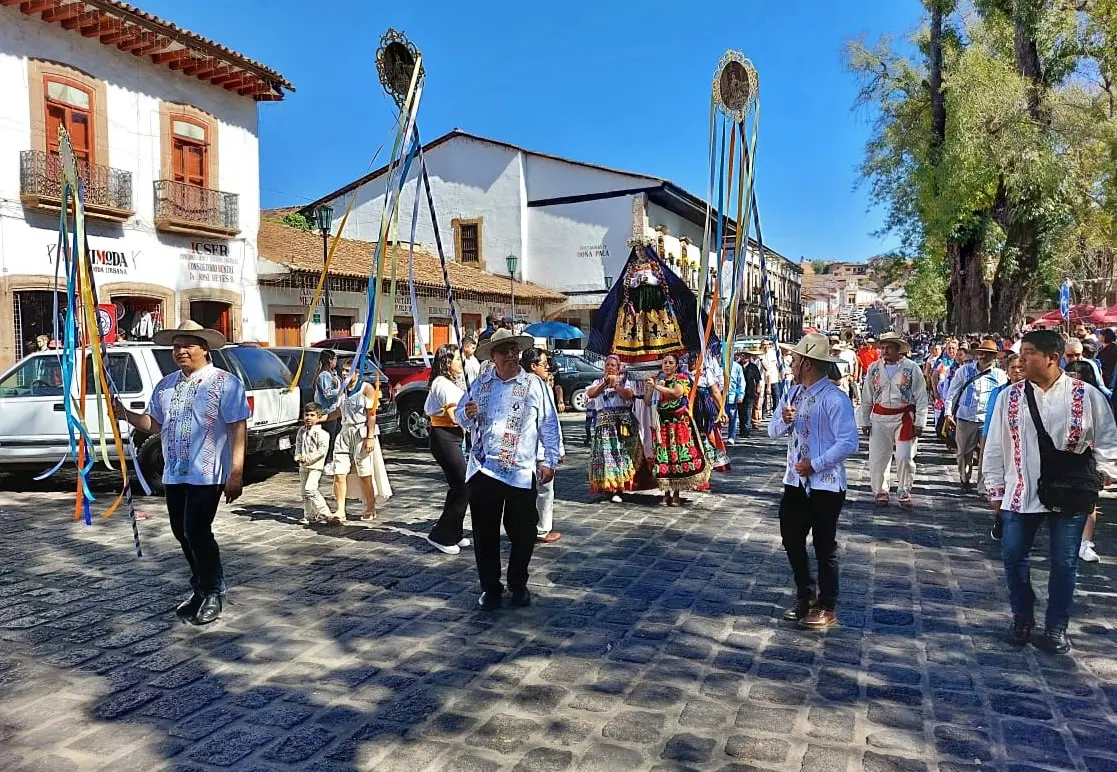
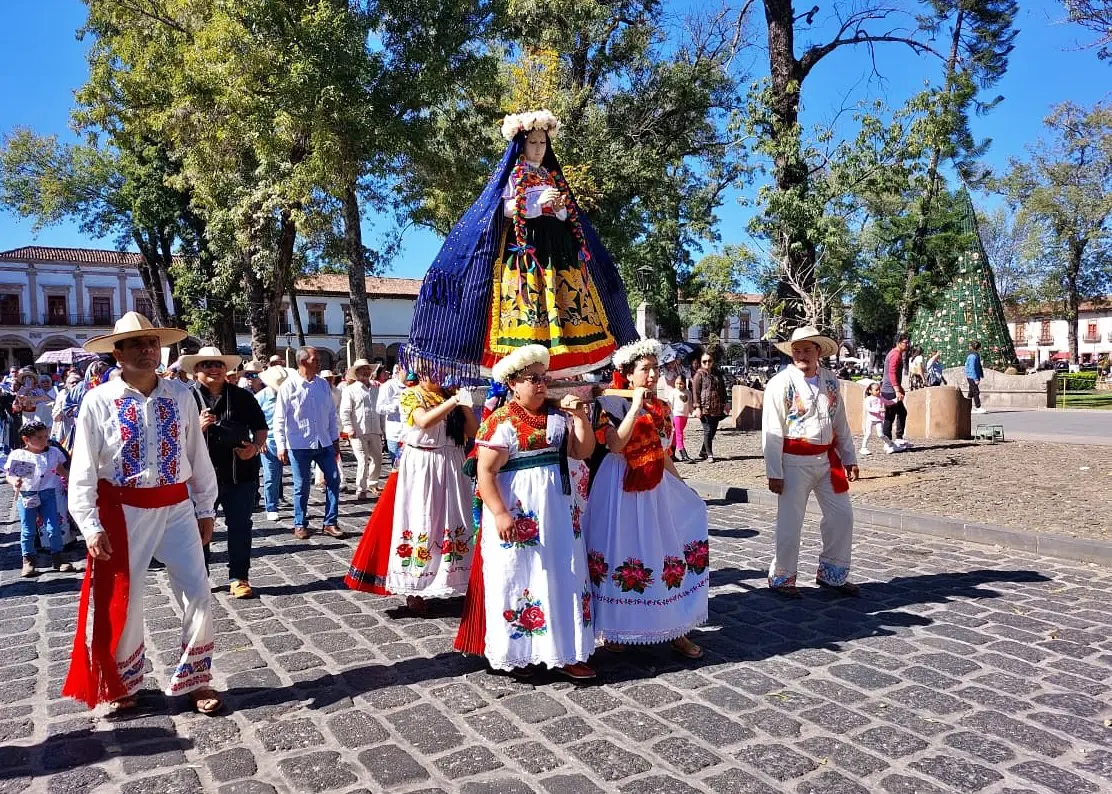
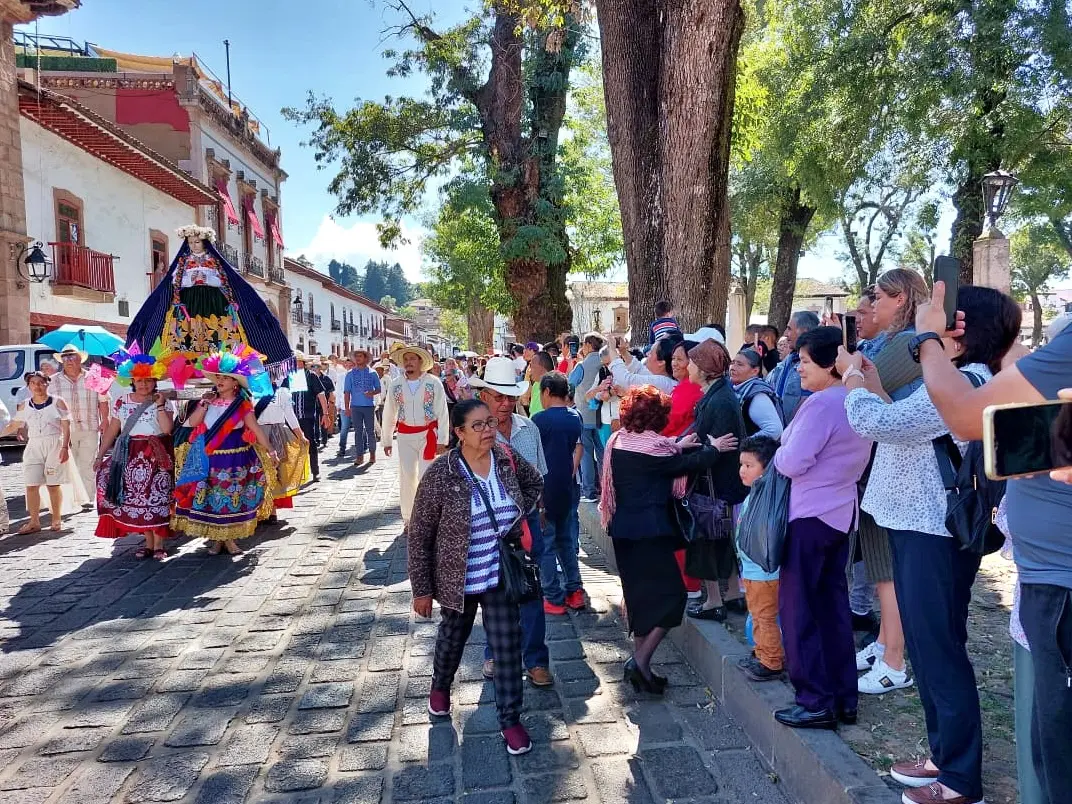
December 8th is no ordinary day in Pátzcuaro; it is the moment when the entire city beats to the rhythm of its spiritual heart. The solemnity of Mary Immaculate of Health, the sovereign of the lake region, is celebrated. While the liturgical calendar marks the date, the people's devotion is lived every day, affectionately invoking her as “Nana Yurhixe” (Virgin Mother in Purépecha) or Our Lady of Health; a miraculous image whose history defines the deep identity of Michoacán.
The Origin: Pátzcuaro, Mother of Virgins (1536) The greatness of this image is no accident. In 1536, the humanist and first Bishop of Michoacán, Don Vasco de Quiroga, entrusted its creation not to European sculptors, but to the sacred hands of the Purépecha artisans. It was not carved from wood, but modeled with a pre-Hispanic technique unique in the world: the corn cane paste (Tatzingueni). This mixture of corn marrow and orchid bulbs, light and eternal, made it possible to create a figure of moving realism.
It is essential to recognize that Pátzcuaro was the great “sacred workshop” of New Spain: from these same hands and using this same technique were born the “sisters” of our patron saint, venerated nationally today: Our Lady of Zapopan and Our Lady of San Juan de los Lagos. Thus, Pátzcuaro is confirmed as the cradle of faith in Western Mexico.
From “Health of the Sick” to Queen and Patroness Originally enthroned in the primitive Hospital Chapel, the image was named “Health of the Sick.” However, the constant stream of miracles led the people to rename it simply Our Lady of Health. Such was its impact that in 1737 it was proclaimed Patroness of Pátzcuaro and in 1899 crowned with pontifical authority.
The Basilica: Don Vasco's Unfinished Dream Hoy, la Virgen reside en la imponente Basilica of Our Lady of Health. This building, begun in 1543, holds a story of interrupted grandeur: Don Vasco dreamed of a monumental five-aisled cathedral that would shelter thousands of souls under one roof. Although the lakebed and political reasons prevented the project's completion, with only the central nave being built, it sufficed to serve as the Cathedral until 1580 and was elevated to the rank of Basilica in 1924. It is here, within this sacred space, that the Mausoleum of Don Vasco de Quiroga. In this monument finally rest the remains of the eternal "Tata Vasco", the humanist who gave his life for the dignity of the indigenous people.
The Miracle of the Rifle (1962): Indestructible Faith The miraculous reputation of the Virgin has tangible proof in modern history. Chronicles recount a shocking event that occurred on December 22, 1962. An individual entered the church and, with a high-powered rifle, fired ten shots at the image at close range. The inexplicable happened before the eyes of the witnesses: the bullets aimed at the face and body failed to penetrate the fragile cornstalk. Some deflected, defying physics, and others fell flattened, lifeless, before the pedestal. Even the glass of the niche withstood the first impact. As silent witnesses to divine protection, the rifle and fragments of that glass are preserved today in the sacristy of the Basilica.
Visiting Pátzcuaro on December 8th, or any day of the year, is to encounter this living history of faith, indigenous art and miracles that has endured for almost five centuries.
 EN
EN  ES
ES