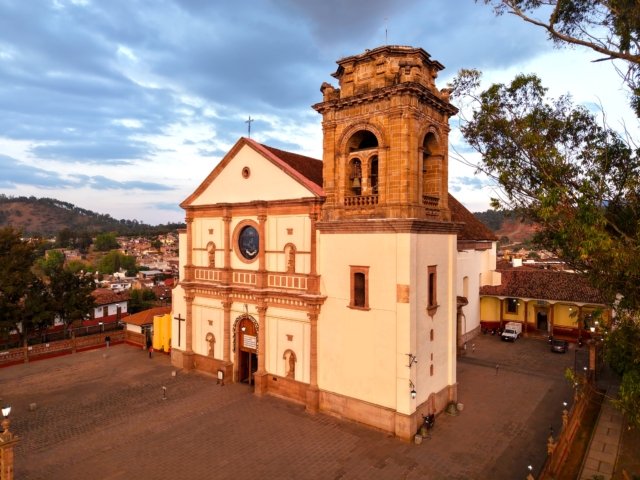
Ubicación: Pátzcuaro
Some cities are best discovered when you stop watching the clock. Pátzcuaro is one of them. Its plazas, streets, churches, and houses hold stories from different periods, but they are also part of a city that is lived in every day.
It is worth exploring without rushing: lingering beneath the arcades, looking up toward the rooftops, stepping into a courtyard when it is open to the public, or simply sitting for a while and watching how the plaza changes throughout the day.
Pátzcuaro is also a good starting point for discovering the Pátzcuaro Region. Its history is closely connected to the lakeside communities, the islands, and the ancient Purépecha centers, as well as to the towns where crafts, languages, celebrations, and distinctive ways of life continue.
A history shared with the region
Pátzcuaro’s importance predates the arrival of the Spanish. Its history forms part of the complex political, religious, and territorial organization developed by the Purépecha throughout the lake basin, in close relationship with other important centers such as Ihuatzio and Tzintzuntzan.
In the 16th century, Vasco de Quiroga established the episcopal seat in Pátzcuaro and promoted institutions that left a lasting mark on the city. The bishopric was based here, and the Colegio de San Nicolás was founded here as well. Toward the end of that century, the episcopal seat and other institutions were gradually transferred to Valladolid, present-day Morelia.
That history helps explain why Pátzcuaro preserves such a significant heritage, but history alone does not explain what the city is today. Its identity has also been shaped by the life of its neighborhoods, the work of generations of residents, and its continuing relationship with the communities of the lake basin.
The name and its interpretations
Among the traditional interpretations of the name Pátzcuaro is “Gateway to Heaven,” an expression deeply rooted in local memory and popular accounts of the city. There are, however, other etymological interpretations associated with the ancient temples of the area. It is therefore worth recognizing the cultural meaning of “Gateway to Heaven” without presenting it as a definitive linguistic translation.
A city to explore on foot
Plaza Vasco de Quiroga is a good place to begin. From here, you can appreciate the scale of the historic center, the continuity of its arcades, and the relationship between its public spaces and the buildings around them.
There is no need to see everything at once. Some streets invite you to keep walking; others invite you to stop before a façade, a doorway, a courtyard, or a small local shop. From the center, this guide leads toward churches, former colleges, museums, plazas, neighborhoods, and places connected with different periods in Pátzcuaro’s history.
Each deserves its own time. That is why the individual entries in this guide tell their stories separately, allowing the route to take shape as you walk.
It is also worth setting aside time to head toward the lake and its communities. The landscape changes with the light, the conditions on the water, and the rhythms of everyday life. City and region are better understood when explored together, remembering that before they are destinations to visit, they are places where life continues every day.
And perhaps that is a good way to get to know Pátzcuaro: walk, look around, and leave something unseen for the next time.
The Basilica of Our Lady of Health: The Spiritual Heart of Michoacán, A Monumental Project. The Basilica of Our Lady of Health is not only the most important church in Pátzcuaro; it is the axis around which the spiritual life of the region revolves. It was founded around 1540…
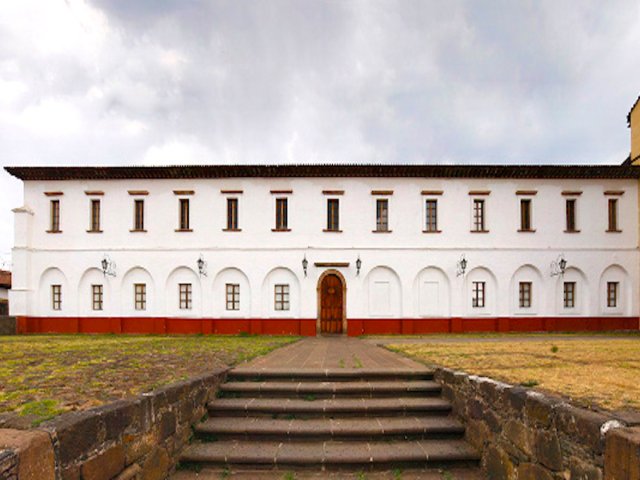
Ver másFormer College of San Nicolás: Cradle of University and Artisanal Jewel Location and Importance Strategically located on the corner of Árciga and Alcantarillas streets, just steps from the Basilica, stands one of Pátzcuaro's most emblematic buildings: the Former College of San Nicolás. Today it houses…
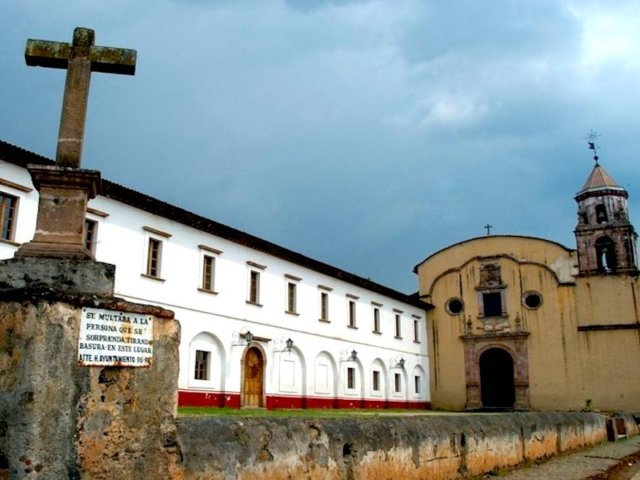
Ver másFormer Jesuit College: History, Art, and Panoramic Views. The Arrival of the Society of Jesus. The presence of the Jesuits in Pátzcuaro was not by chance, but a posthumous legacy of Don Vasco de Quiroga. Before dying, "Tata" had fervently requested the presence of the Order to consolidate…
Ver másThe Temple of the Society of Jesus: A Fortress of Faith and Art. The Guardian of the College. Adjacent to the Cultural Center stands the Temple of the Society of Jesus, built under the patronage of Saint Ignatius of Loyola. Although today they function as separate entities, historically this temple was the heart…
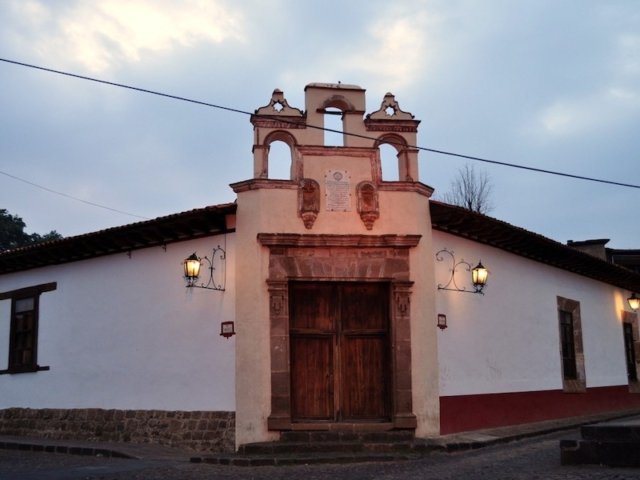
Ver másThe Tabernacle (Hospital of Santa Marta): The First Refuge of Faith. A Building with Many Names. This building is known by various names: Hospital of Santa Marta, Chapel of the Tabernacle, or the old Parish Church. This multiplicity of titles reflects its long history of service. Founded by Don…
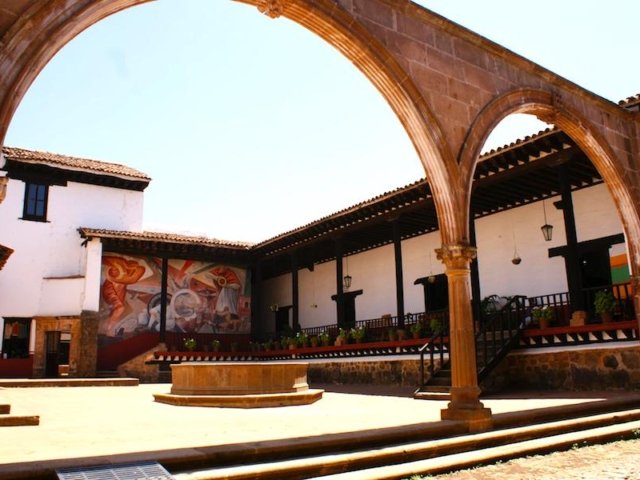
Ver másThe House of Eleven Courtyards: A Labyrinth of Quarry Stone and Crafts The Legacy of the Ladybugs (1747) What we know today as a craft market was, in the 18th century, a cloistered convent and place of prayer. Founded around 1747, this building housed the convent of the Dominican nuns (Ladybugs),…
Ver más