
 MAP
 SEARCH

This celebration has no single permanent venue. Confirm the host community and exact location before traveling.
KNOW MORE PLACES
VISITA OTRAS LOCALIDADES
Fire and Purépecha New Year
Every February 1 and 2 · rotating host community
Some celebrations belong to one place. This one belongs to the journey among many.
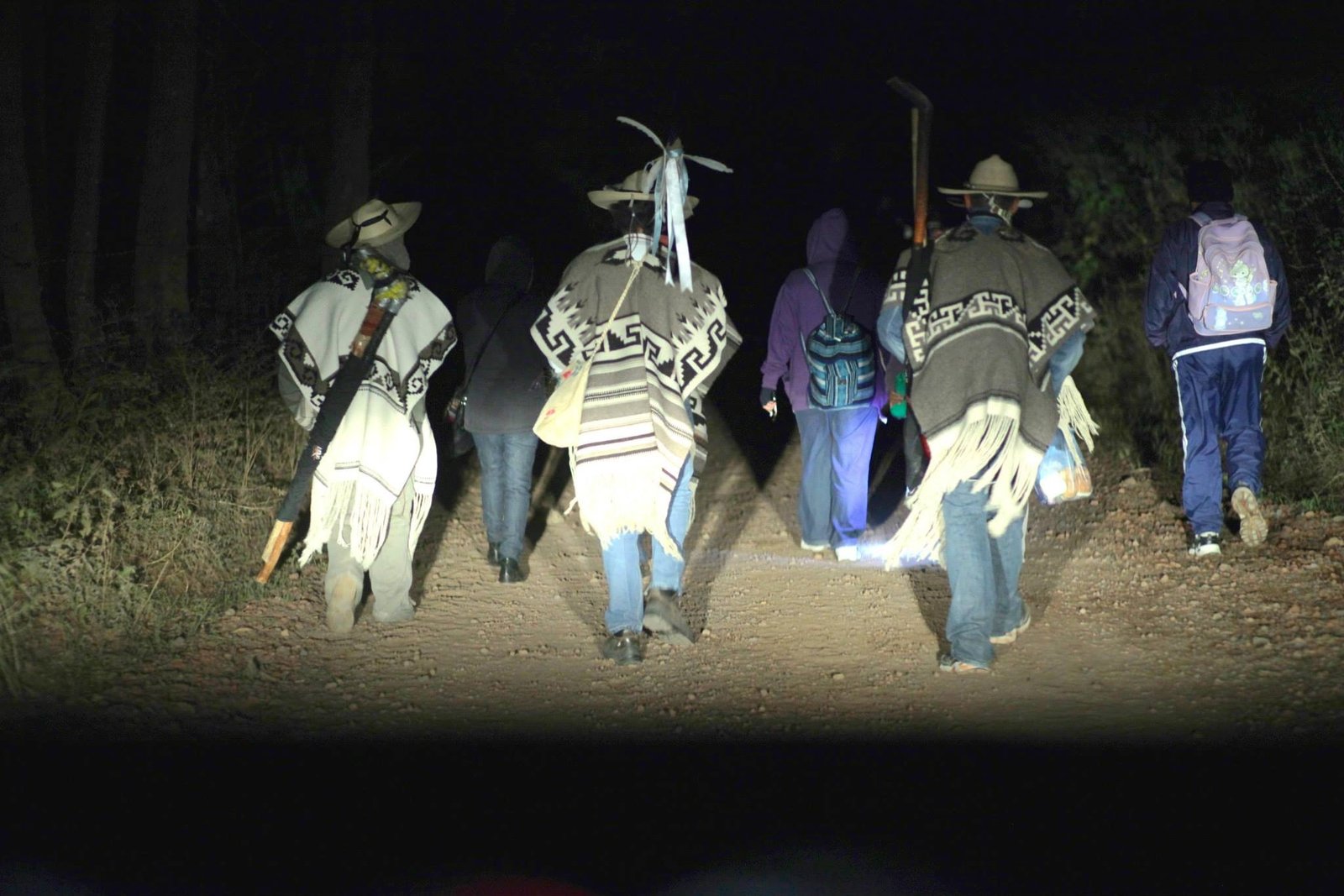
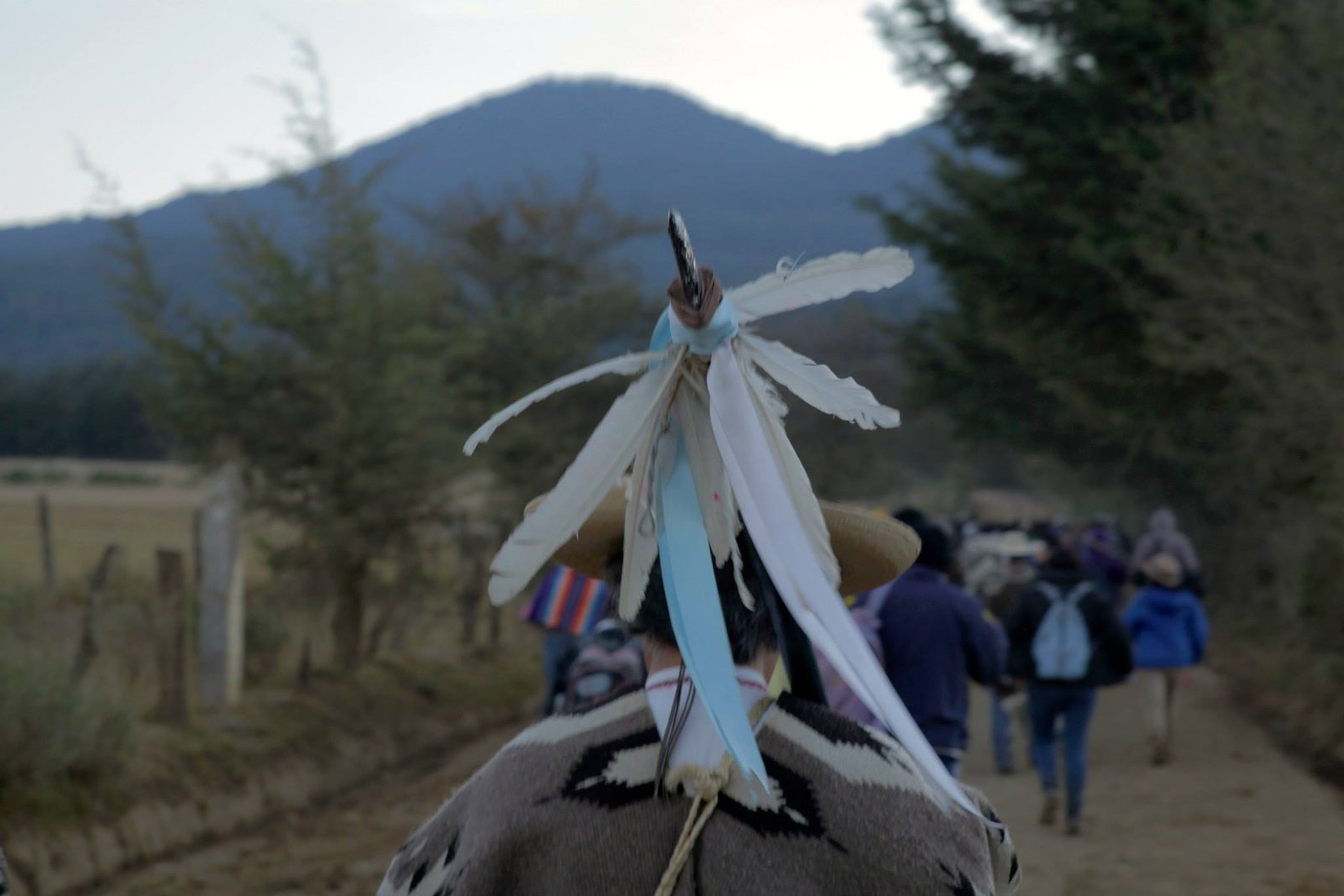
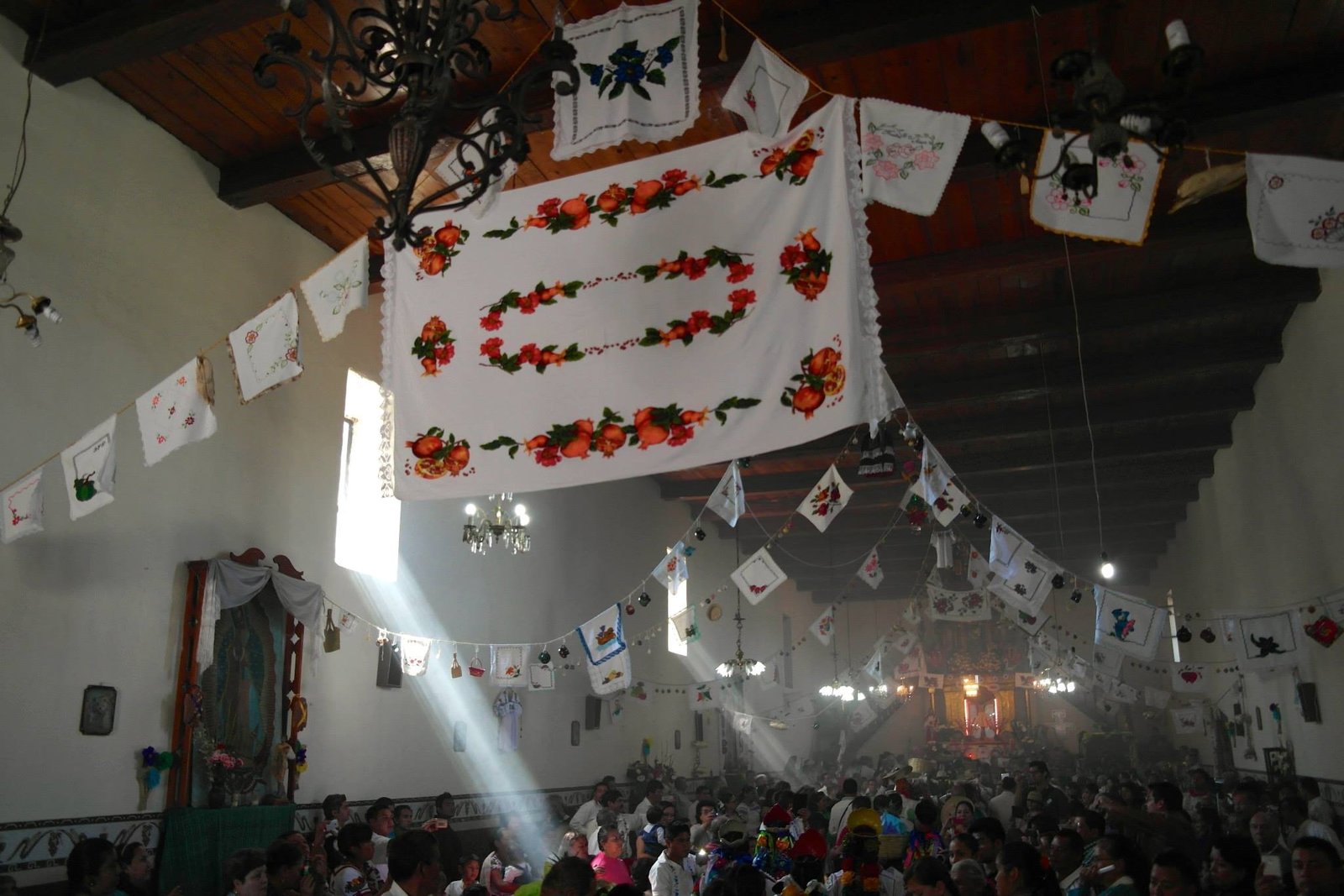
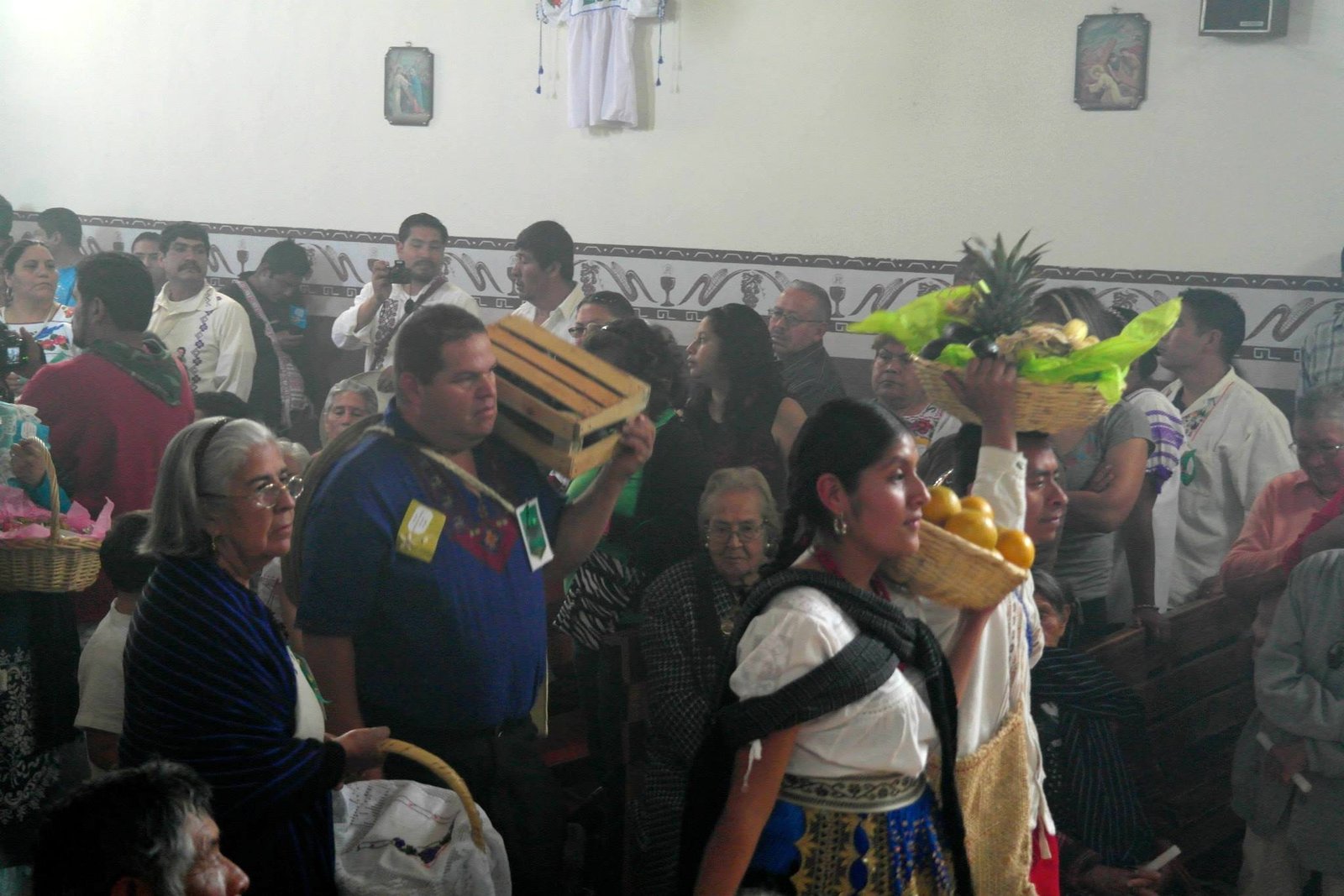
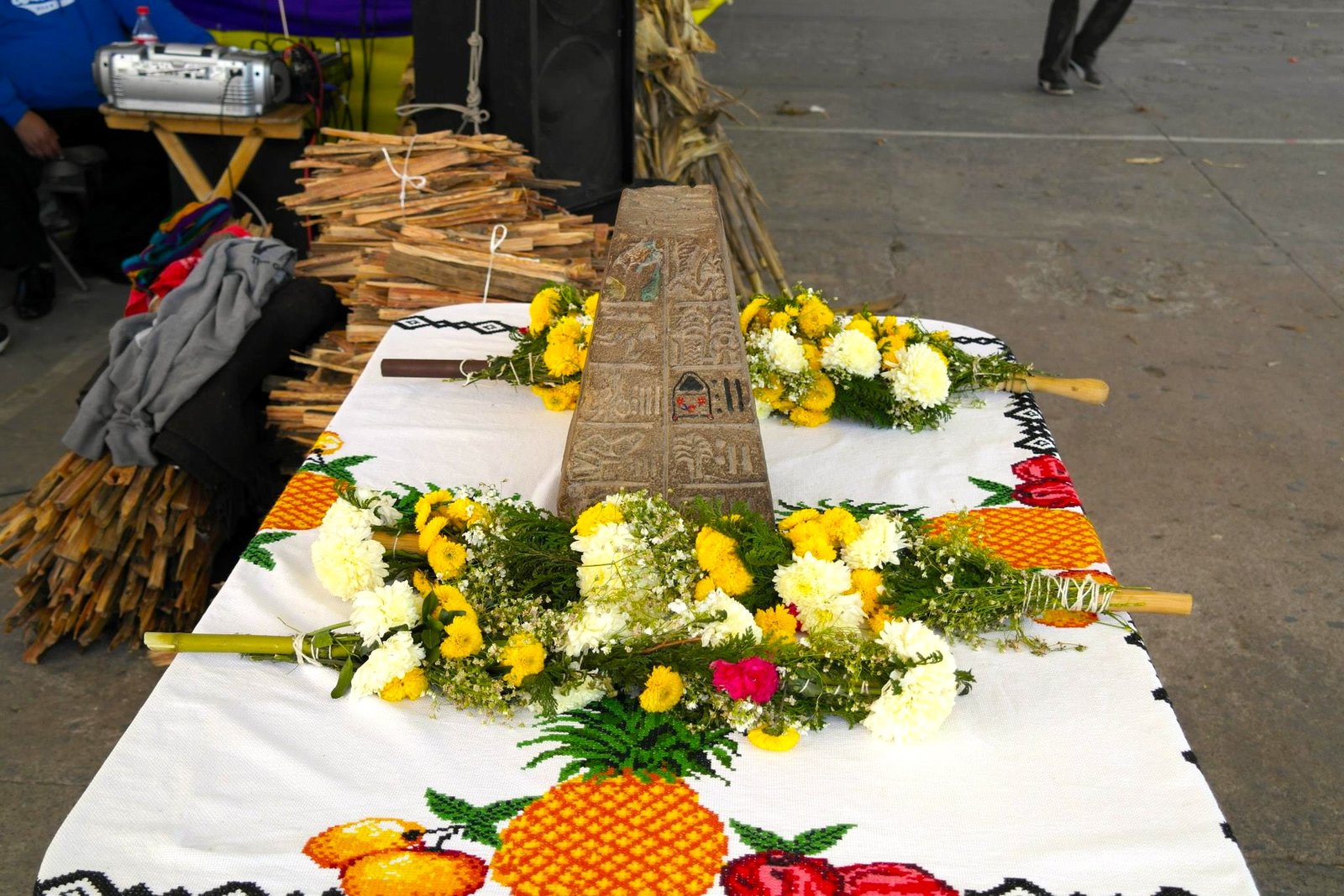
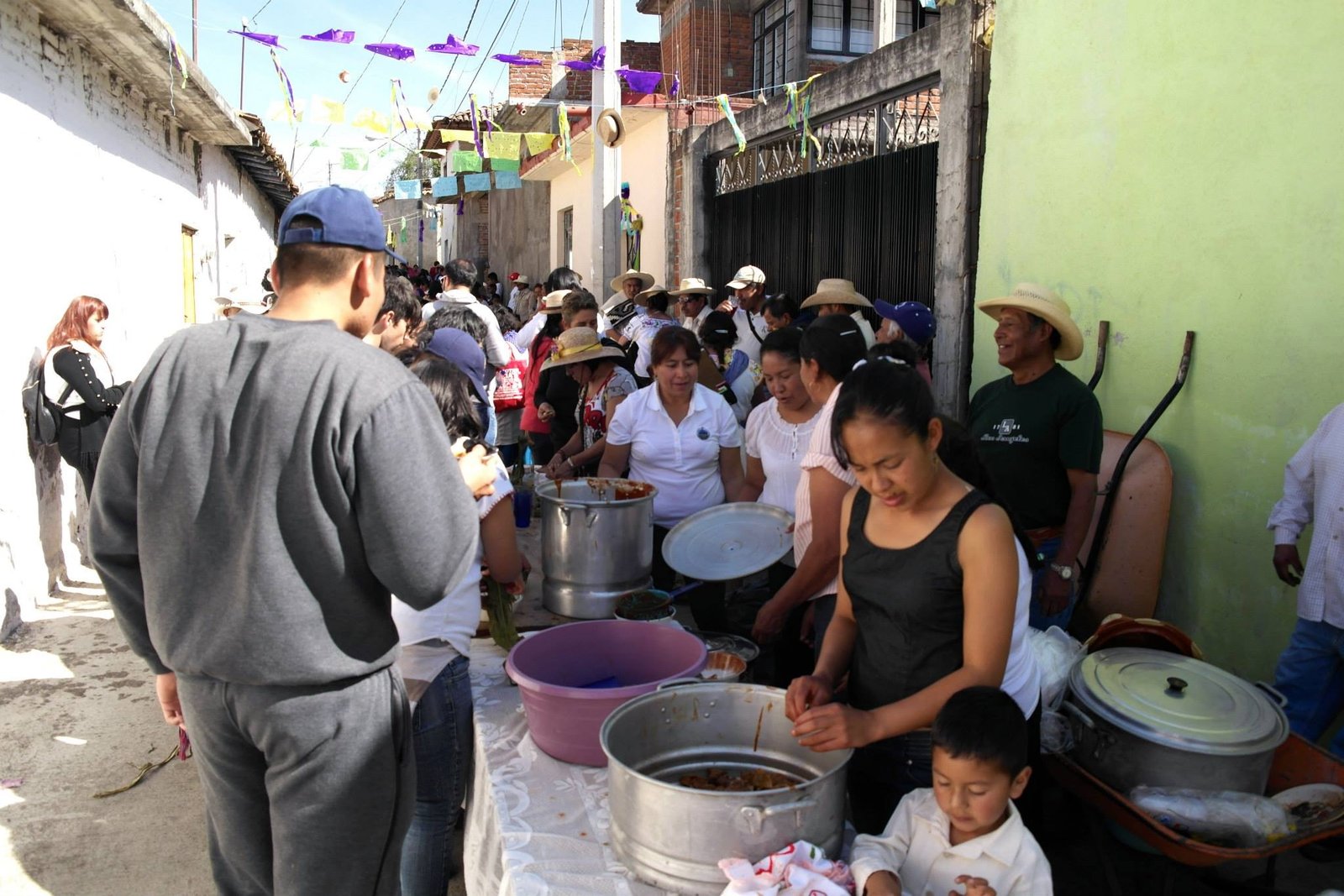
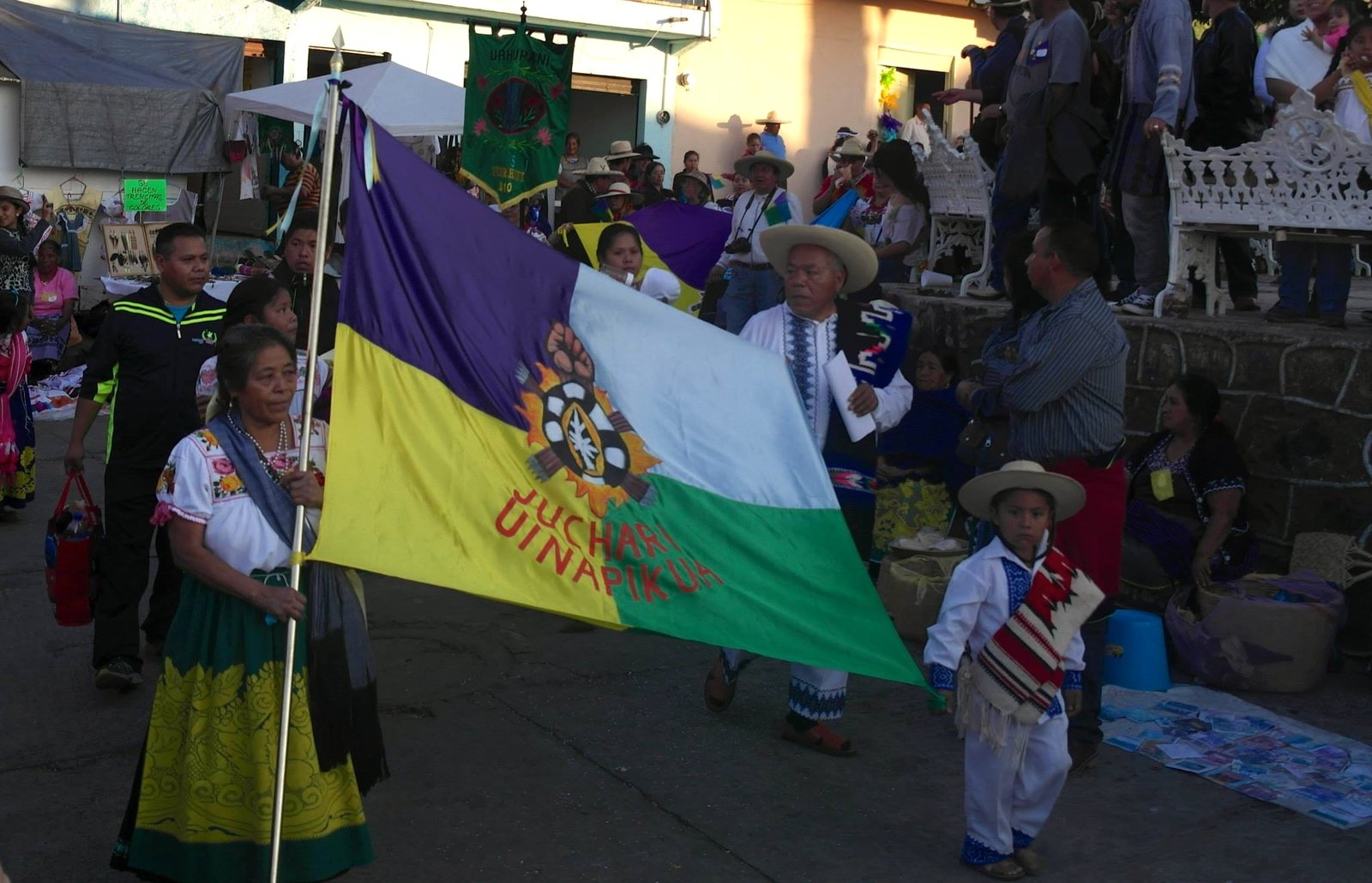
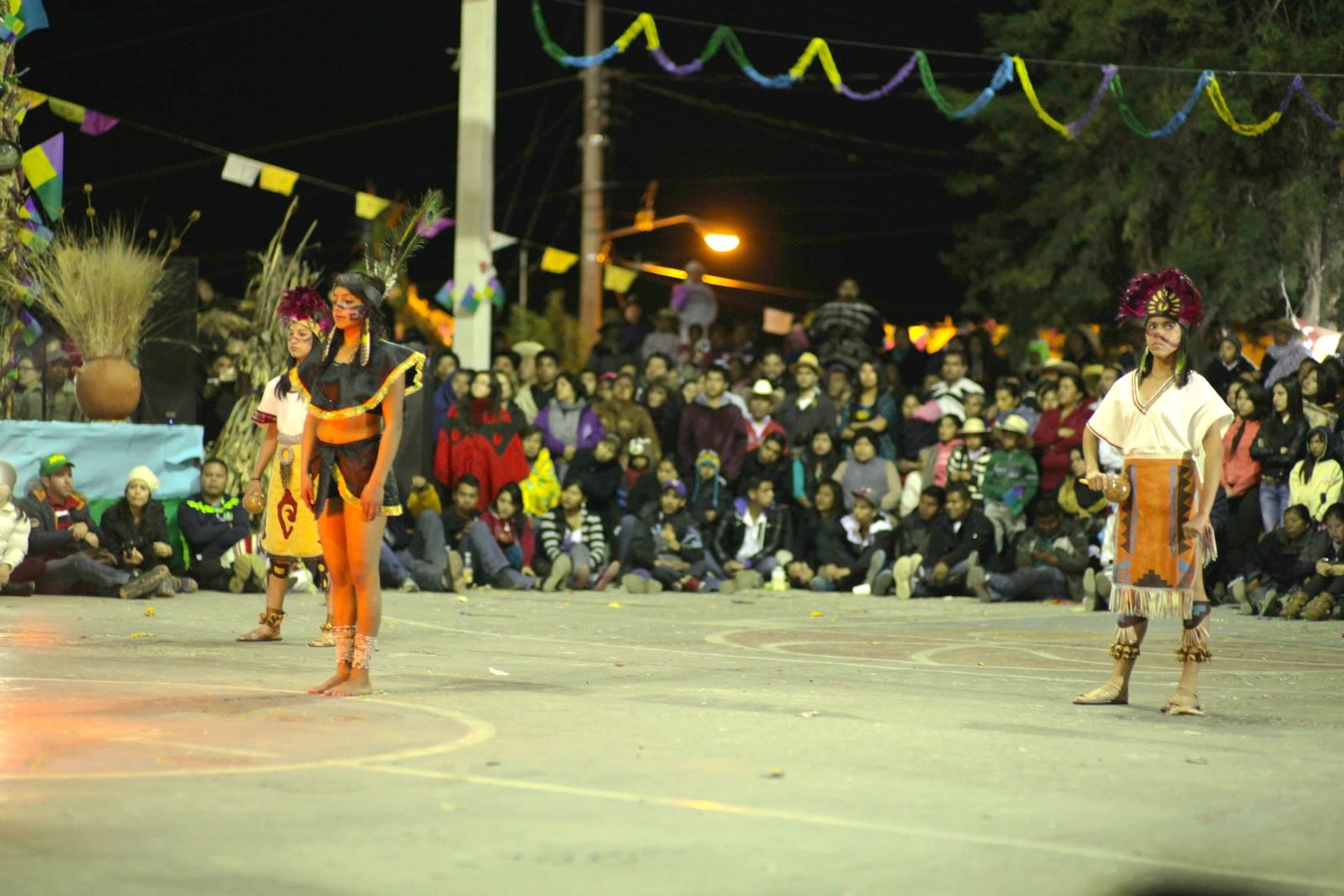
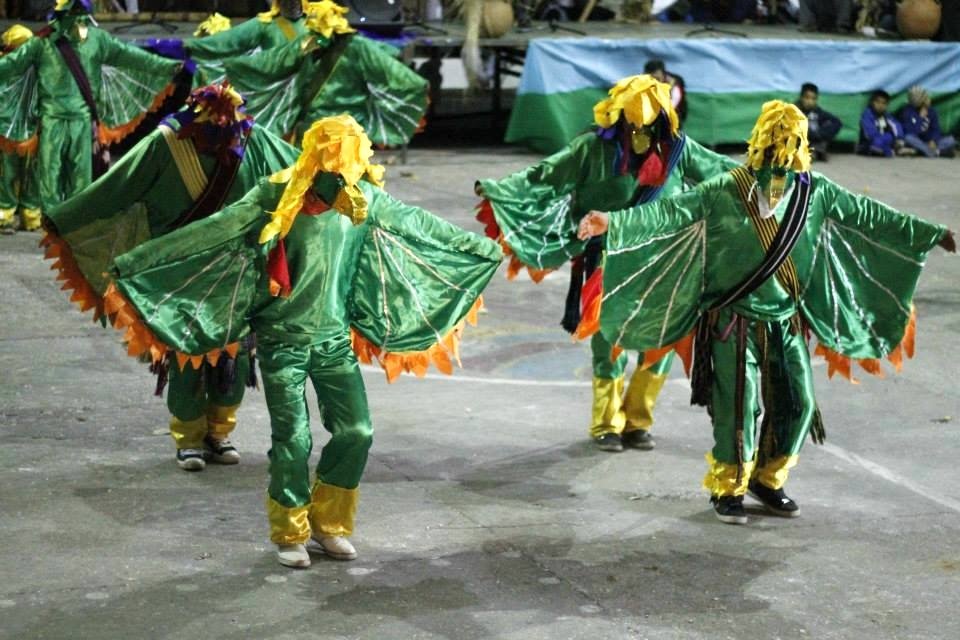
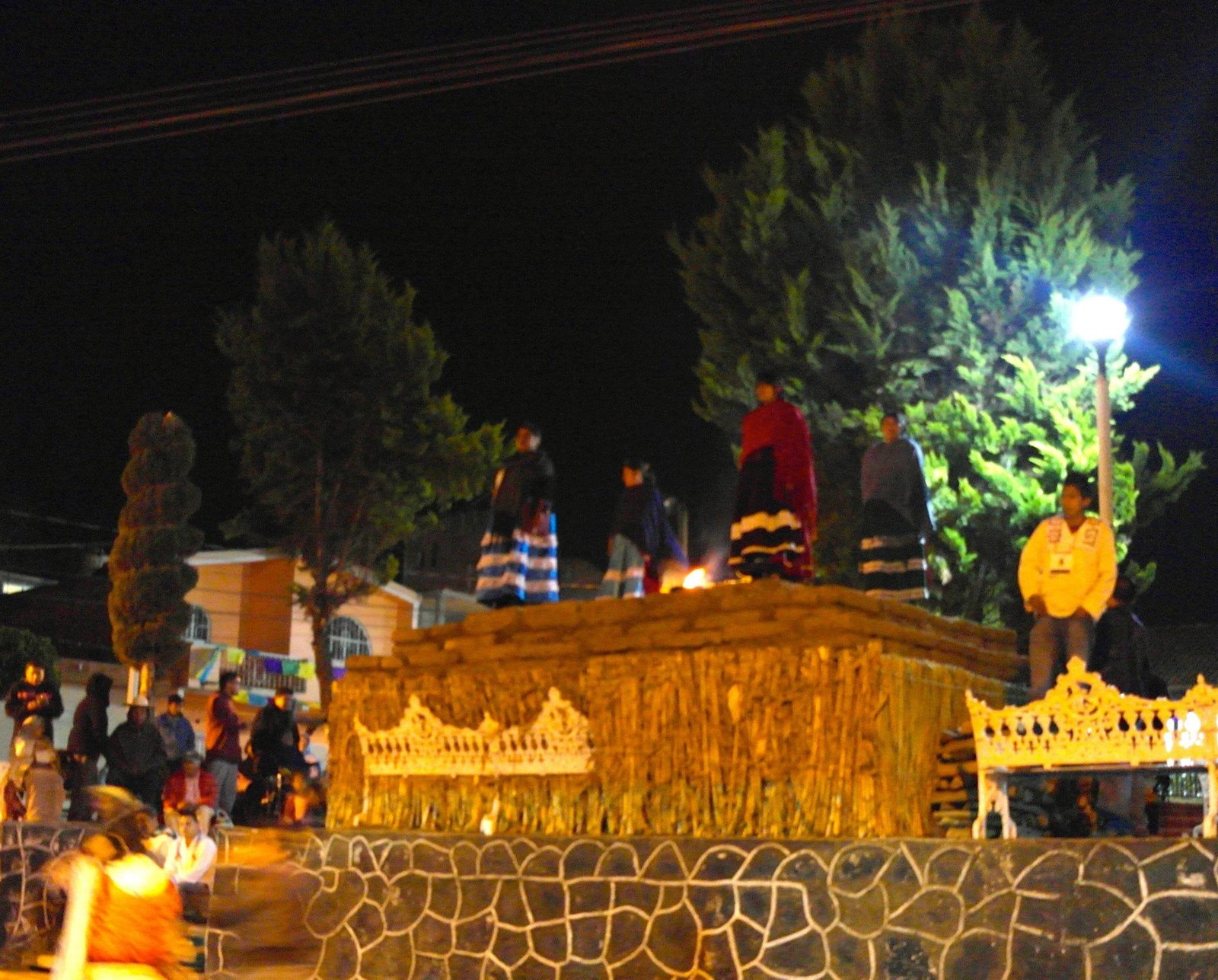
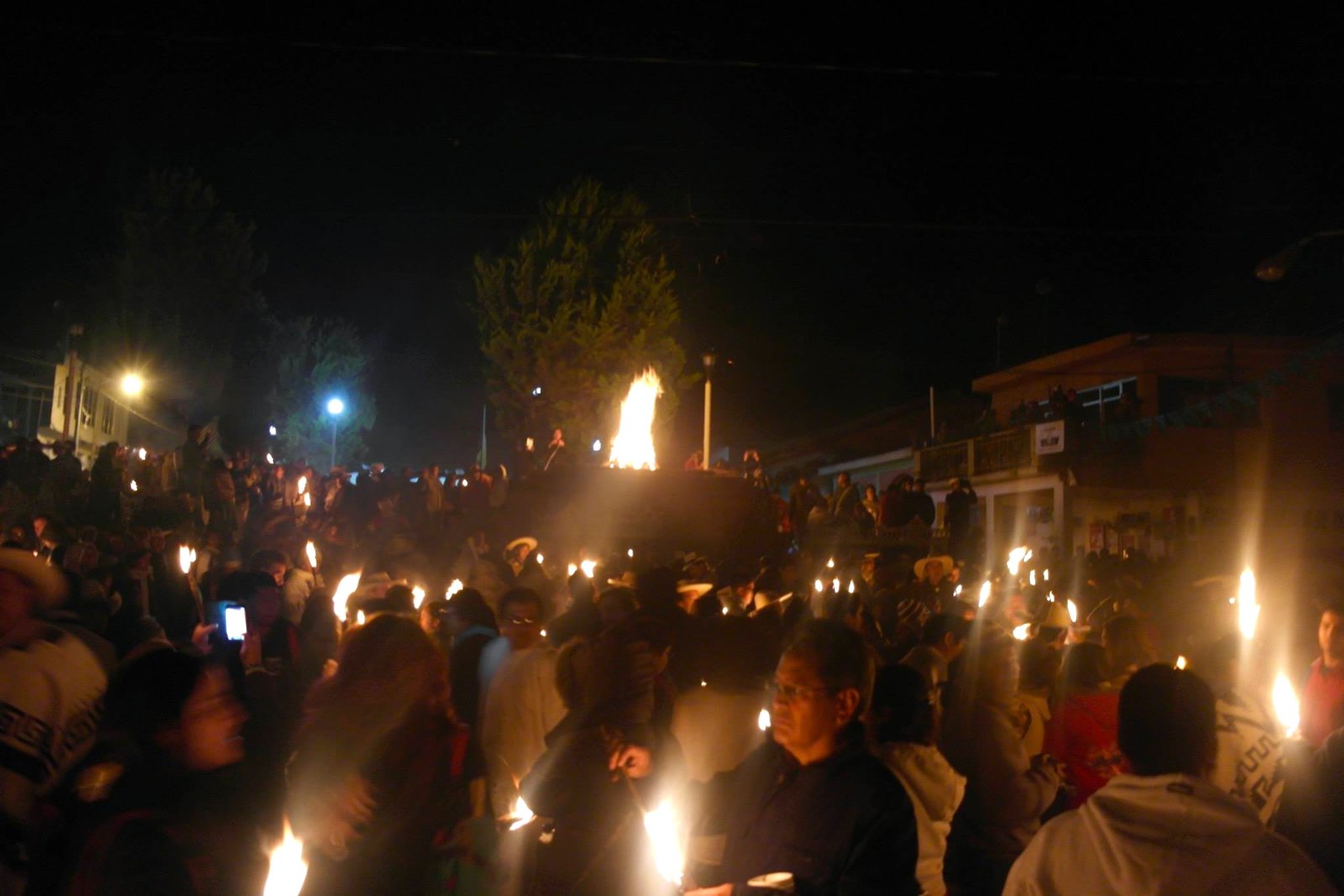
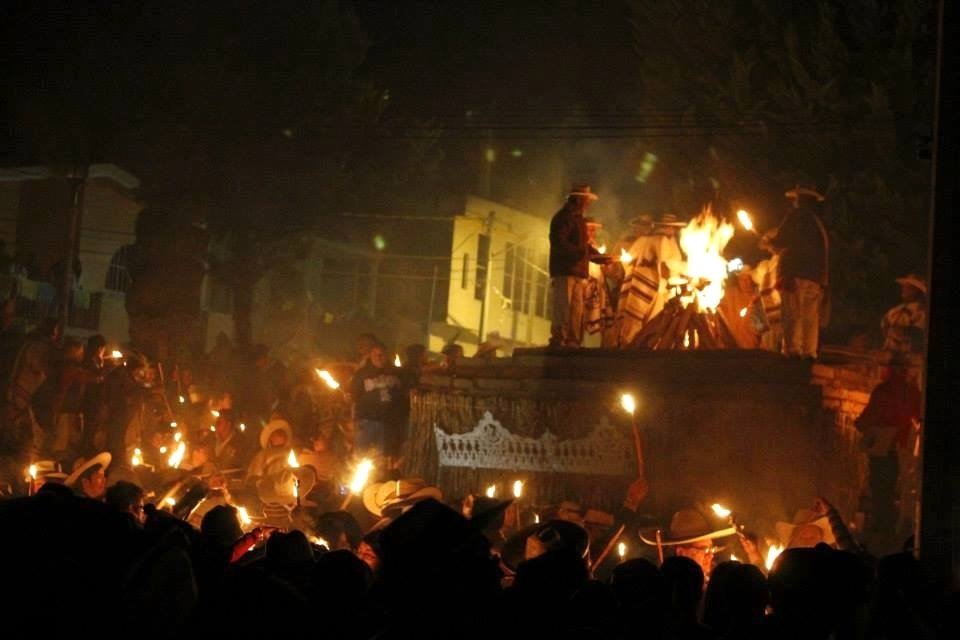
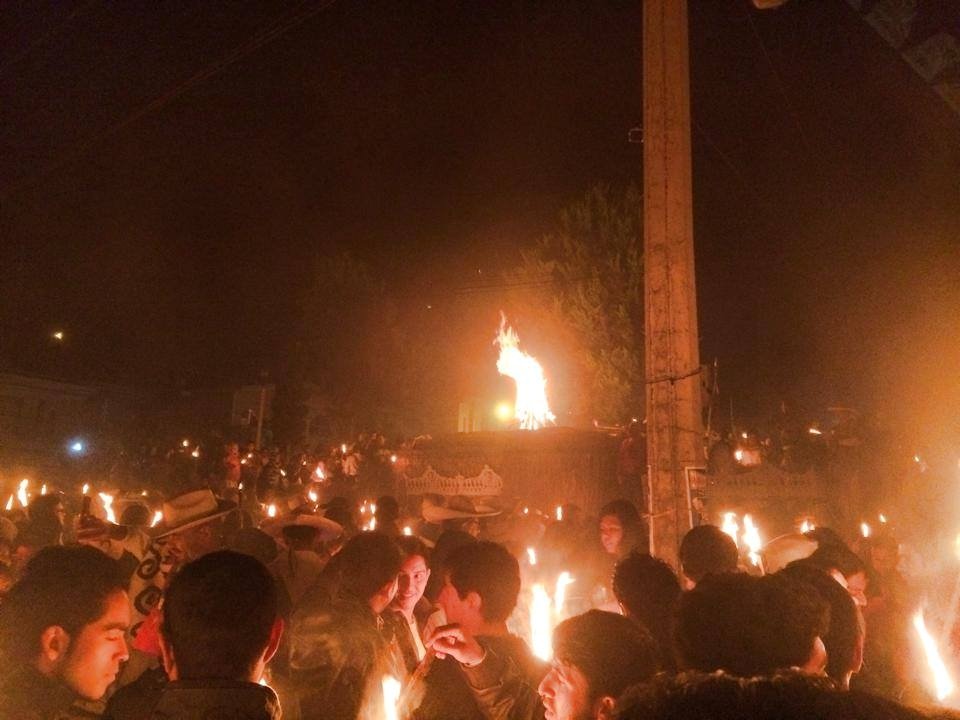
Each year, a Purépecha community receives the fire that another community safeguarded during the previous cycle. With it come cargueros, representatives, and residents of different towns; then come gatherings, music, conversation, cultural activities and, during the night of February 1, the wait for the moment when the fire will be renewed.
Between that night and the early hours of February 2, a new cycle begins.
A contemporary celebration looking toward an ancient history
The present Kurhíkuaeri K’uínchekua began in 1983.
Its first host community was Tzintzuntzan, and since then it has traveled through communities in different Purépecha regions.
That fact is essential because it prevents an easy but incorrect claim: the contemporary ceremony cannot be presented as a pre-Hispanic rite performed continuously for centuries.
Those who initiated it in 1983 created a celebration of cultural revitalization drawing on community memory, history, language, symbols, and references to the Purépecha world before the conquest.
The present celebration therefore has a history of its own.
Past and present
Fire held central importance in the religion and political organization of the old Purépecha state. Early colonial sources allow us to know ceremonies, deities, and practices connected with it.
That is an important historical antecedent.
But centuries of change, Christian evangelization, political transformation, and new forms of community organization stand between those rituals and the ceremony begun in 1983.
Visit Pátzcuaro therefore avoids drawing a direct line where the sources do not allow one.
The contemporary Kurhíkuaeri K’uínchekua is better understood as a Purépecha cultural revitalization deliberately in dialogue with that past.
A different host each year
The host community changes.
The fire remains in its custody during the cycle and later travels to the next host. Selection and transfer carry community responsibilities and prevent the celebration from being permanently associated with any single municipality.
Over its history it has passed through Tzintzuntzan, Ihuatzio, Santa Fe de la Laguna, Pátzcuaro, Janitzio, Cuanajo, Jarácuaro, Uricho, and many other towns inside and outside the Pátzcuaro Region.
That movement also tells a territorial story: the Purépecha community extends beyond any municipality and any tourism boundary.
More than a change of calendar
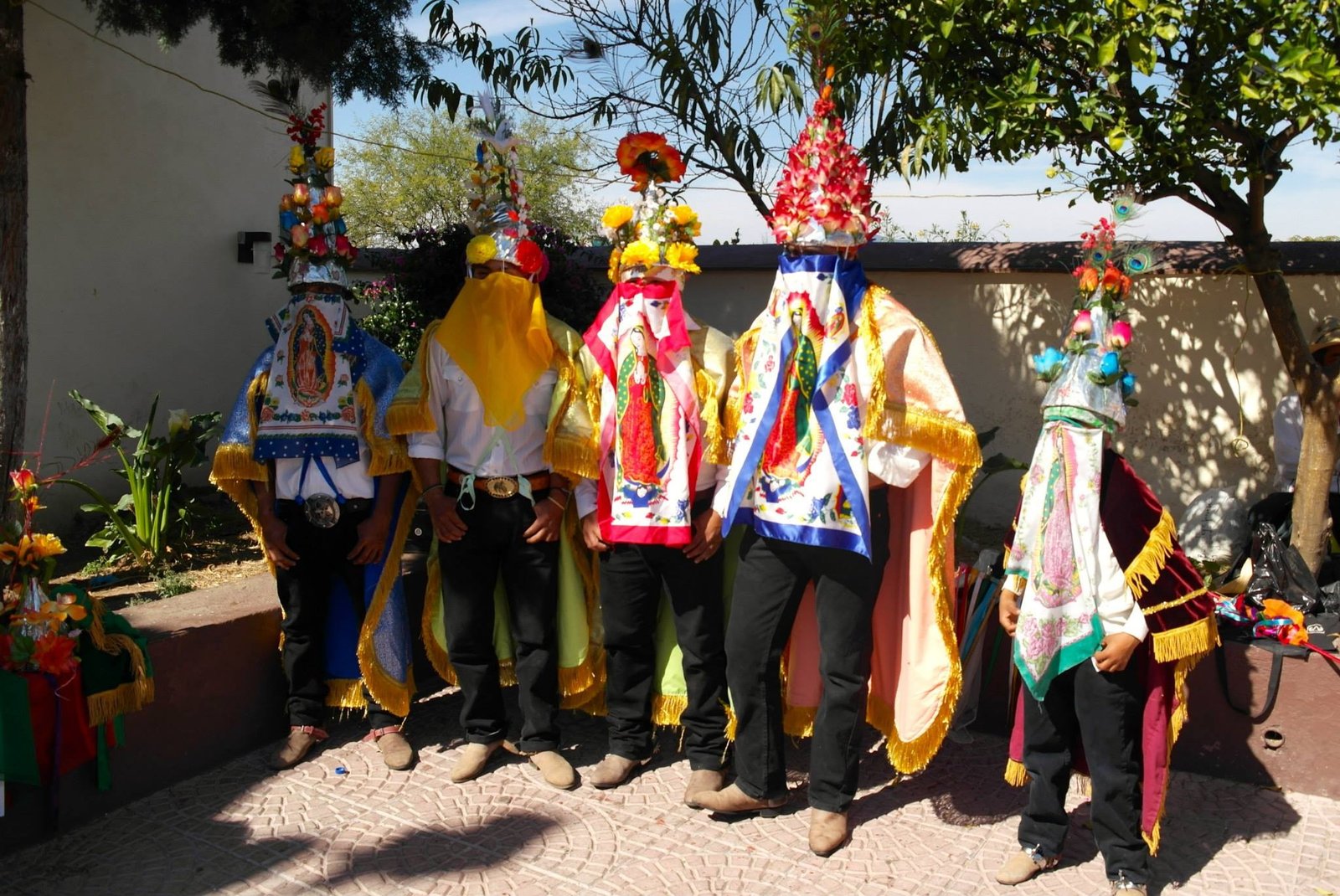
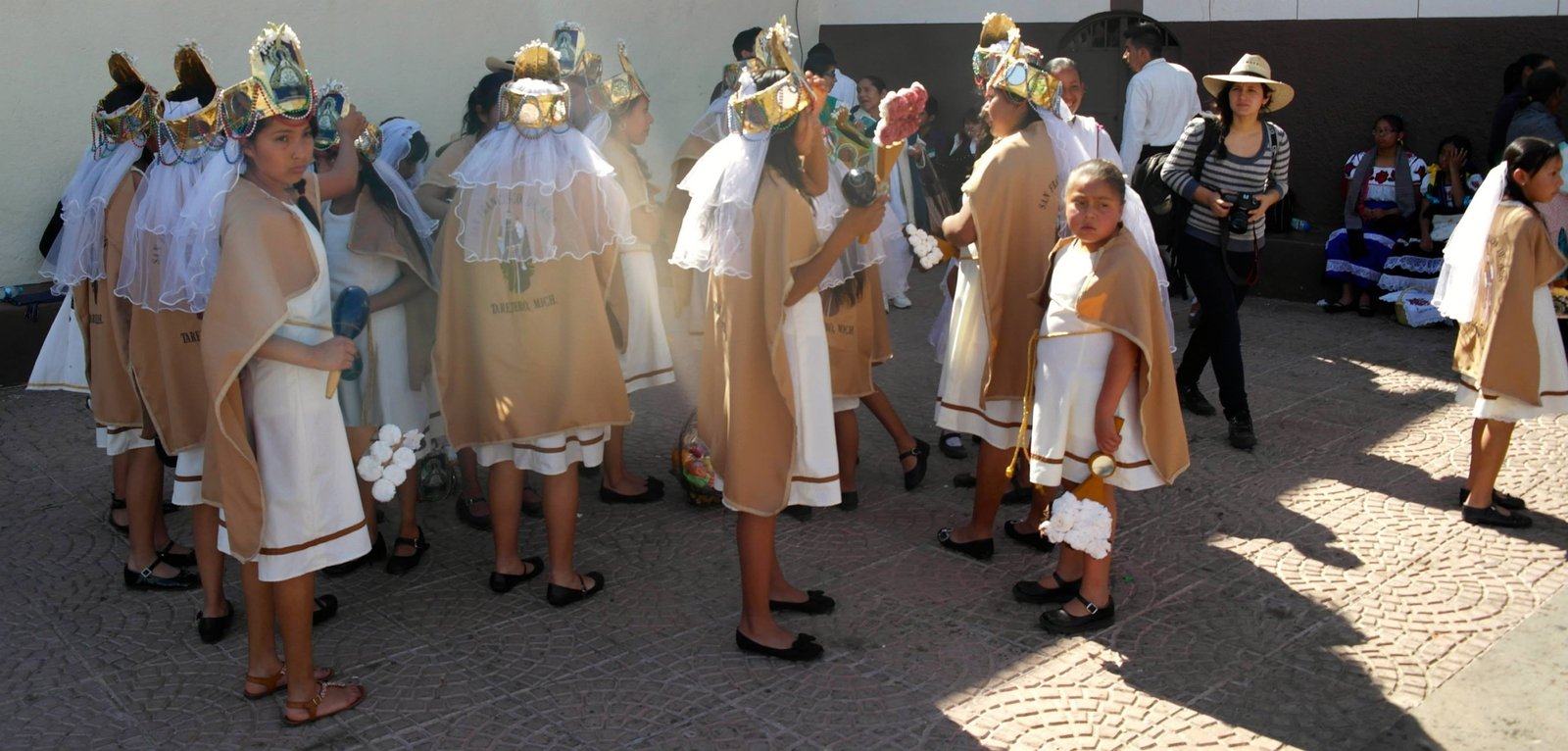
The contemporary celebration has become a space for strengthening language, memory, relationships among communities, and different forms of cultural identity and autonomy.
Its recent history includes internal debates, changes of host community, and decisions made by community organizers themselves.
That matters because Kurhíkuaeri K’uínchekua is not simply a cultural show that changes scenery each year.
The host community receives a responsibility.
Approaching as a visitor
Visitors from outside should remember that they are entering a celebration organized by the communities themselves.
Follow the guidance of cargueros and organizers, respect ceremonial moments, and avoid treating symbols, fire, and participants as props for a photograph.
Here too, staying a little longer helps.
Listen before trying to explain everything.
Next edition / Practical information
The celebration takes place around February 1 and 2.
The host community changes every year.
The host community, fire walk, schedules, activities, and access conditions must be confirmed for each edition.
Information for the next edition is pending confirmation.
To explore further
Experiencia Pátzcuaro develops the history, journey of the fire, symbols, and organization of this celebration in greater depth.
Explore the Purépecha New Fire Ceremony →
This celebration has no single permanent venue. Confirm the host community and exact location before traveling.
 EN
 ES