
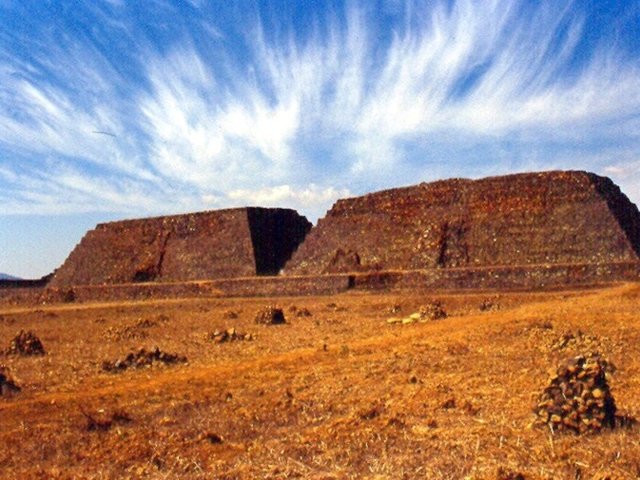
The First Capital of the Empire 👑 Along with Pátzcuaro and Tzintzuntzan, this site formed the triad of power of the Purépecha Empire, a civilization so strong that it was never subdued by the Mexica 🛡️. Ihuatzio (originally called Yacatécharo) means “In the house of the coyote” 🐺 in the Purépecha language. And the name…
View more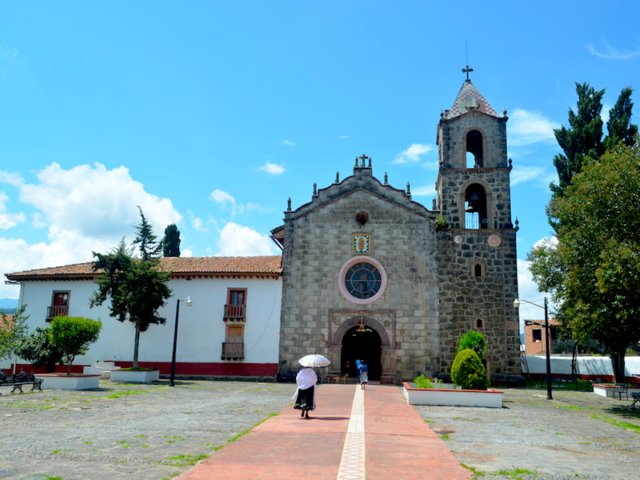
This temple is not just a religious building; it is a book in stone where two worlds meet. Located in the heart of the riverbank, it is one of the clearest examples of the syncretism between Spanish Catholicism and the Purépecha worldview. Here, the architecture interprets the indigenous cosmos:…
View more
Alrededor del 6 de enero El Día de Reyes no se vive de una sola manera alrededor del lago de Pátzcuaro. En distintas comunidades, el nacimiento del Niño Dios, la llegada de los Reyes y las pastorelas forman parte de un ciclo que comienza desde diciembre y puede prolongarse mucho…
View more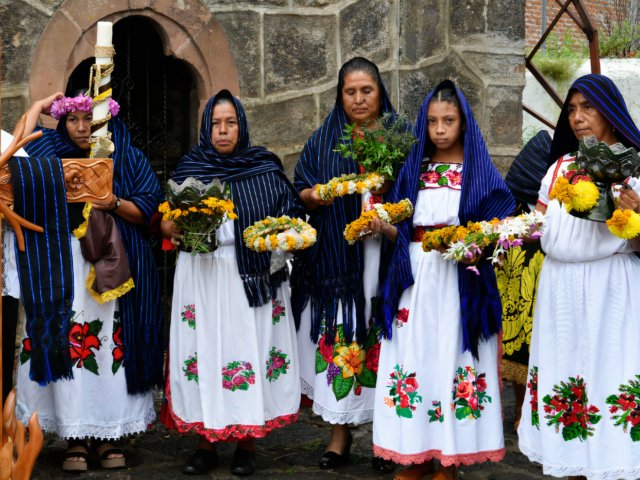
Cada 4 de octubre El 4 de octubre, Ihuatzio celebra a San Francisco de Asís. La fiesta no comienza esa mañana. Detrás hay meses de preparación y un sistema de cargos en el que familias, cargueros, uandaris, músicos y danzantes asumen responsabilidades que hacen posible la celebración. Llegar ese día…
View more
Del 29 de octubre al 3 de noviembre En Pátzcuaro y las comunidades de la Región Lago, la Fiesta de las Ánimas no cabe en una sola noche. El 1 y 2 de noviembre forman el núcleo más conocido del ciclo, pero los preparativos, recibimientos, visitas, velaciones y actividades comunitarias…
View more EN
 ES