
 MAP
MAP SEARCH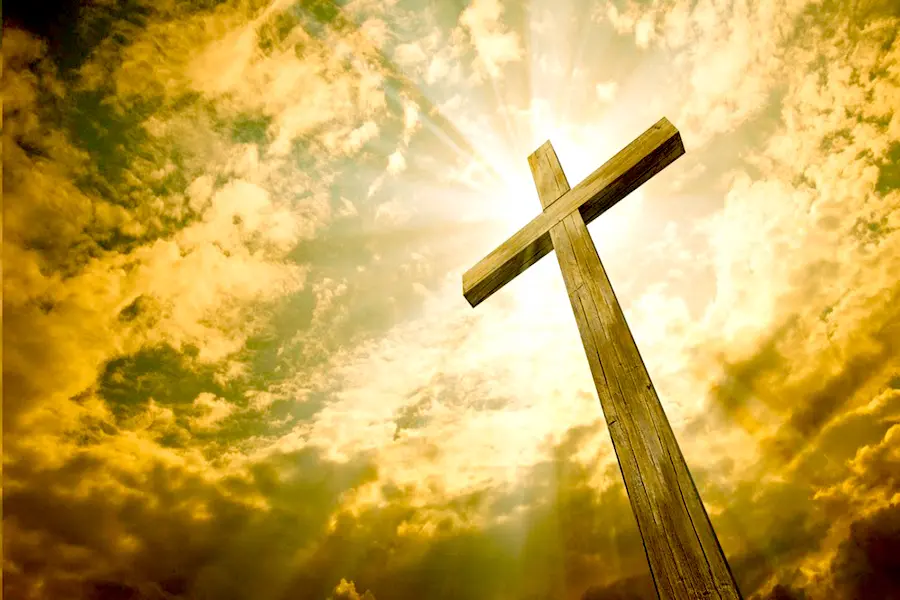
Adress
Pátzcuaro, Michoacán, México.
GPS
19.513471614204, -101.60915851593
KNOW MORE PLACES
VISITA OTRAS LOCALIDADES
The Holy Cross in the Magical Town
On May 3rd, the sky over Pátzcuaro awakens to the roar of rockets. It is the Day of the Holy Cross, a celebration popularly known in the rest of Mexico as "Bricklayer's Day," but which in our lake region holds a much deeper ancestral meaning, where Catholic faith and indigenous worldview intertwine on the eve of the rains.
The Universal Origin: From Constantine to Adobe Official history takes us back to Jerusalem and Rome. It is said that Saint Helena managed to find the cross of Christ's martyrdom (the True Cross) and that Emperor Constantine I "The Great," before an impossible battle on the banks of the Danube, saw a cross in the sky with the inscription "In hoc signo vinces" (With this sign you will conquer). Although the current liturgy has unified this celebration in September, Mexican popular tradition maintained May 3rd as the unchangeable date to honor the sacred wood. Thus, Constantine's imperial symbol became the protector of those who build walls with their own hands. In Pátzcuaro, this takes on a special meaning: it is not about building large concrete skyscrapers, but about preserving adobe, the ancient technique of earth and straw that gives shape and coolness to our historic houses.
El Sincretismo en Pátzcuaro: Los Cuatro Puntos Cardinales En Pátzcuaro, la cruz no llegó a un vacío espiritual. Antes de la Conquista, los purépechas y otros pueblos mesoamericanos ya veneraban la forma de la cruz, no como instrumento de martirio, sino como la representación del universo: los cuatro rumbos cósmicos (Norte, Sur, Este y Oeste) y el centro, el punto de unión entre la tierra y el cielo.
When Spanish missionaries planted the Christian Cross, the indigenous people saw not a rupture, but a sacred continuity. That is why, in the churchyards of the region (such as in Tzintzuntzan or the neighborhood chapels of Pátzcuaro), the stone crosses do not usually bear the figure of Christ crucified; they are “clean” crosses, symbols of the cardinal directions and of the connection with the divine.
The Guardians of Vernacular Architecture In this Magical Town, “Bricklayer’s Day” honors true artisans. The local builders are the inheritors of ancient knowledge; they are the ones who master the art of laying adobe bricks, shaping wood for the beams, and laying the red tile that defines our urban landscape.
From dawn, at every construction site—whether a restoration in the Historic Center or a house on the hillsides—a wooden cross is erected, adorned with fresh flowers (often bougainvillea or lion's paw) and colorful paper decorations. The trowel and plumb line rest for a day. It's time to share carnitas, mole, and mezcal, giving thanks that the structure remains firm and the workers safe.
The Rain Prayer A unique feature of the Pátzcuaro-Zirahuén region is the connection of this date to the land. May 3rd symbolically marks the end of the dry season and the beginning of the wait for the rains. In many nearby rural communities, crosses are adorned and carried to springs or the upper reaches of hills, transforming the traditional construction festival into a prayer for the water that will make the corn grow.
Visiting Pátzcuaro at this time of year is to see the city bloom from the scaffolding, remembering that here, every adobe wall carries an implicit blessing.
 EN
EN  ES
ES