
 MAP
MAP SEARCH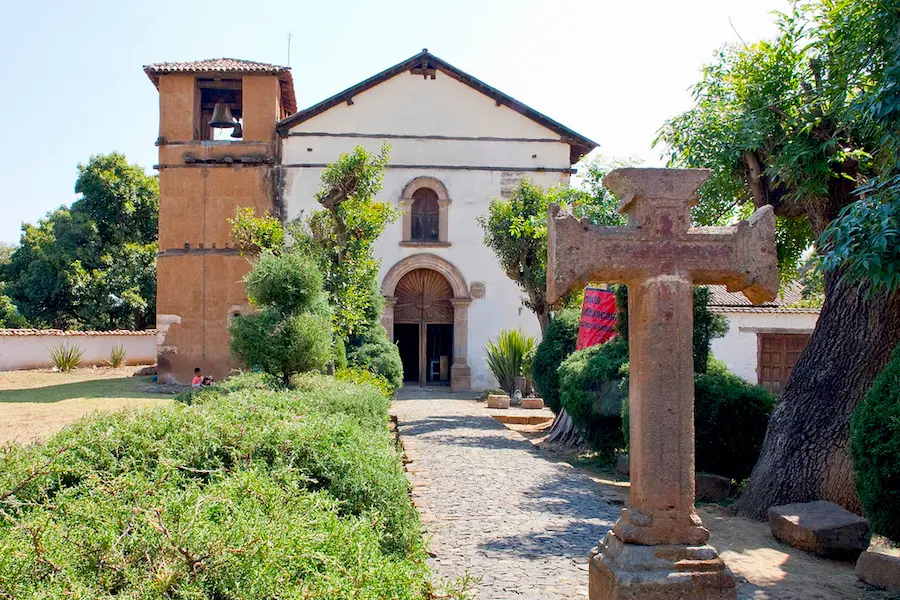

Adress
Tupátaro, Michoacán, México.
GPS
19.502023067586, -101.4924287796
Monday
09:00 – 18:00
Tuesday
09:00 – 18:00
Wednesday
09:00 – 18:00
Thursday
09:00 – 18:00
Friday
09:00 – 18:00
Saturday
CLOSED
Sunday
CLOSED
KNOW MORE PLACES
VISITA OTRAS LOCALIDADES
⛪ The “Michoacan Sistine Chapel”
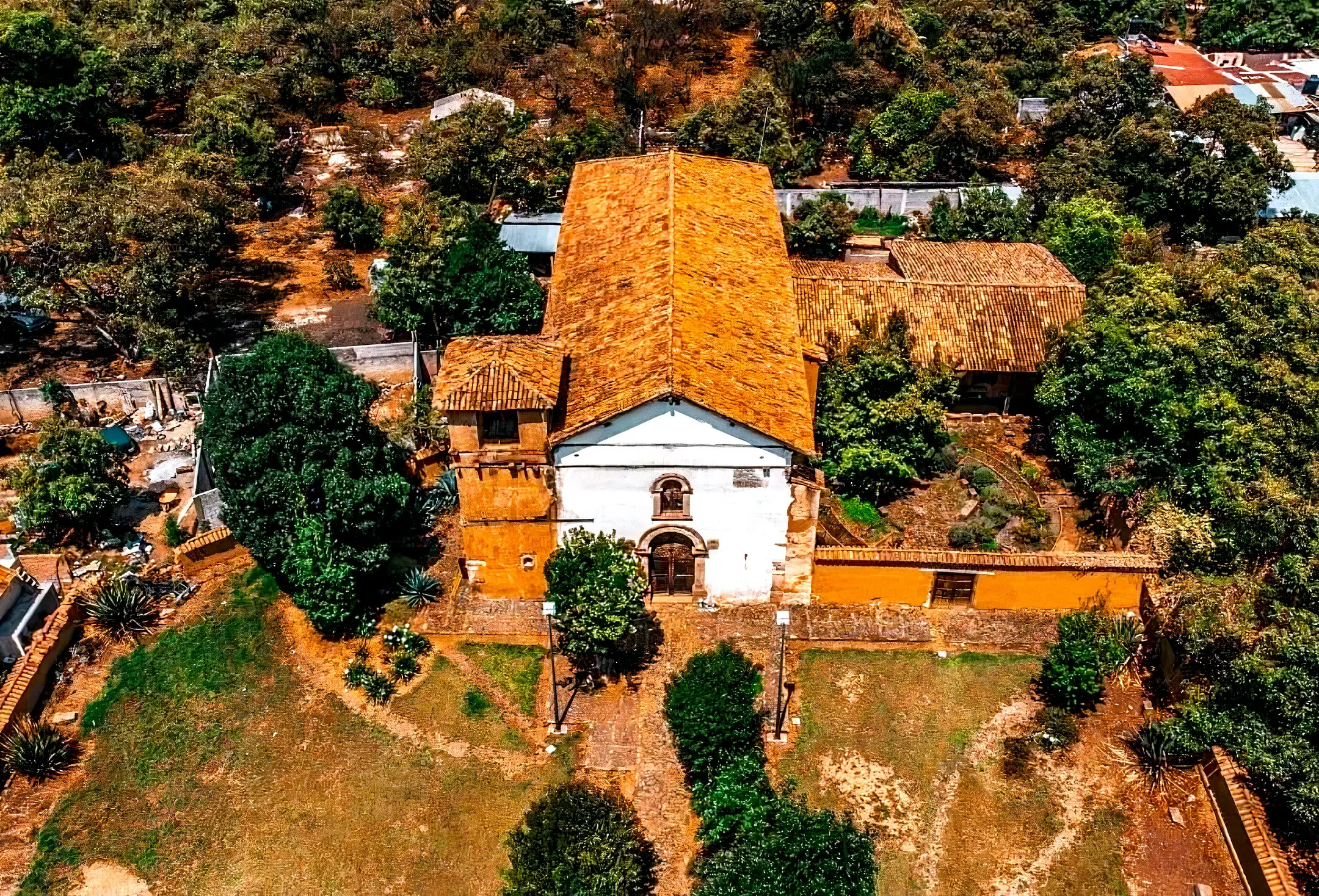
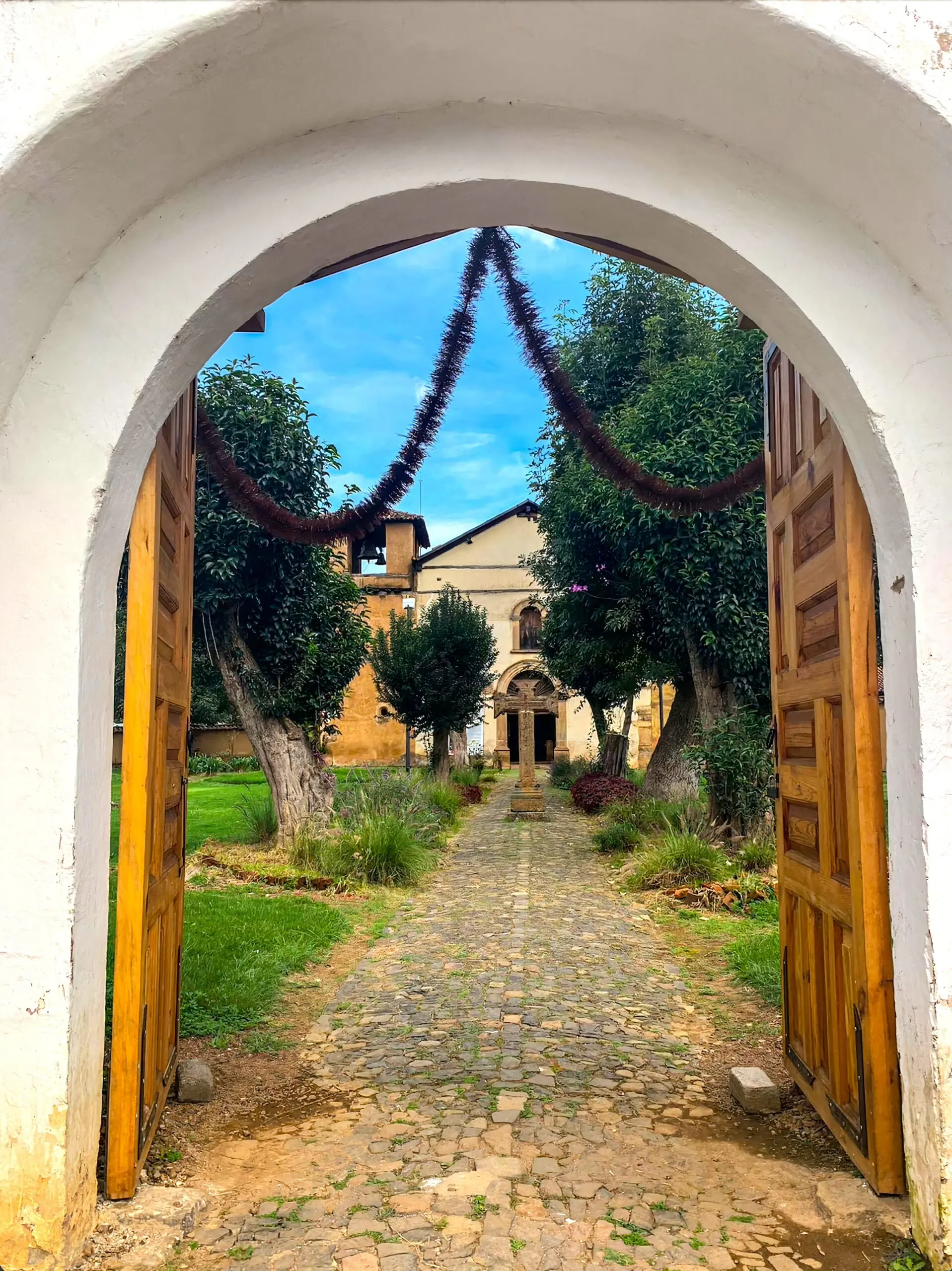
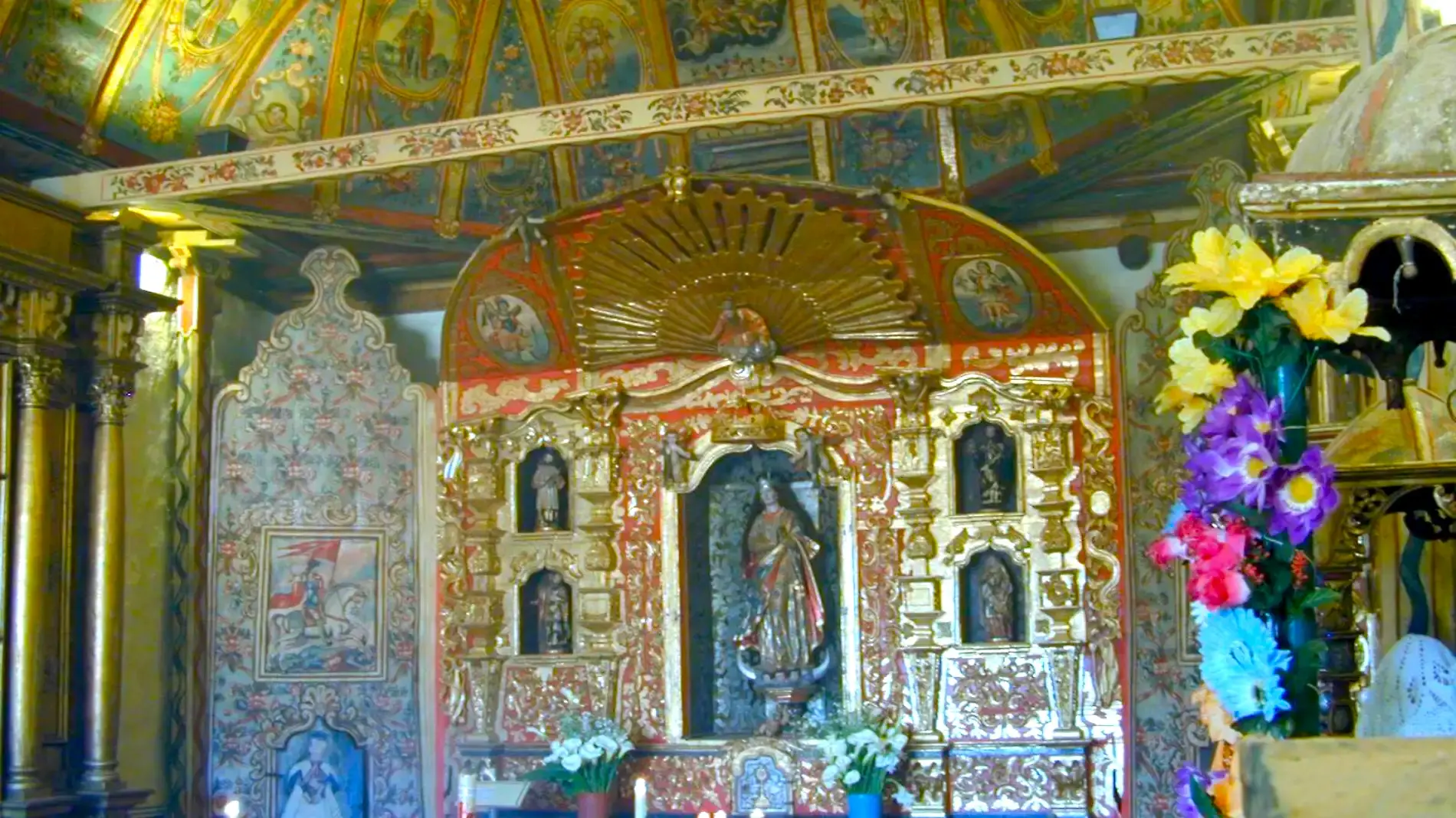
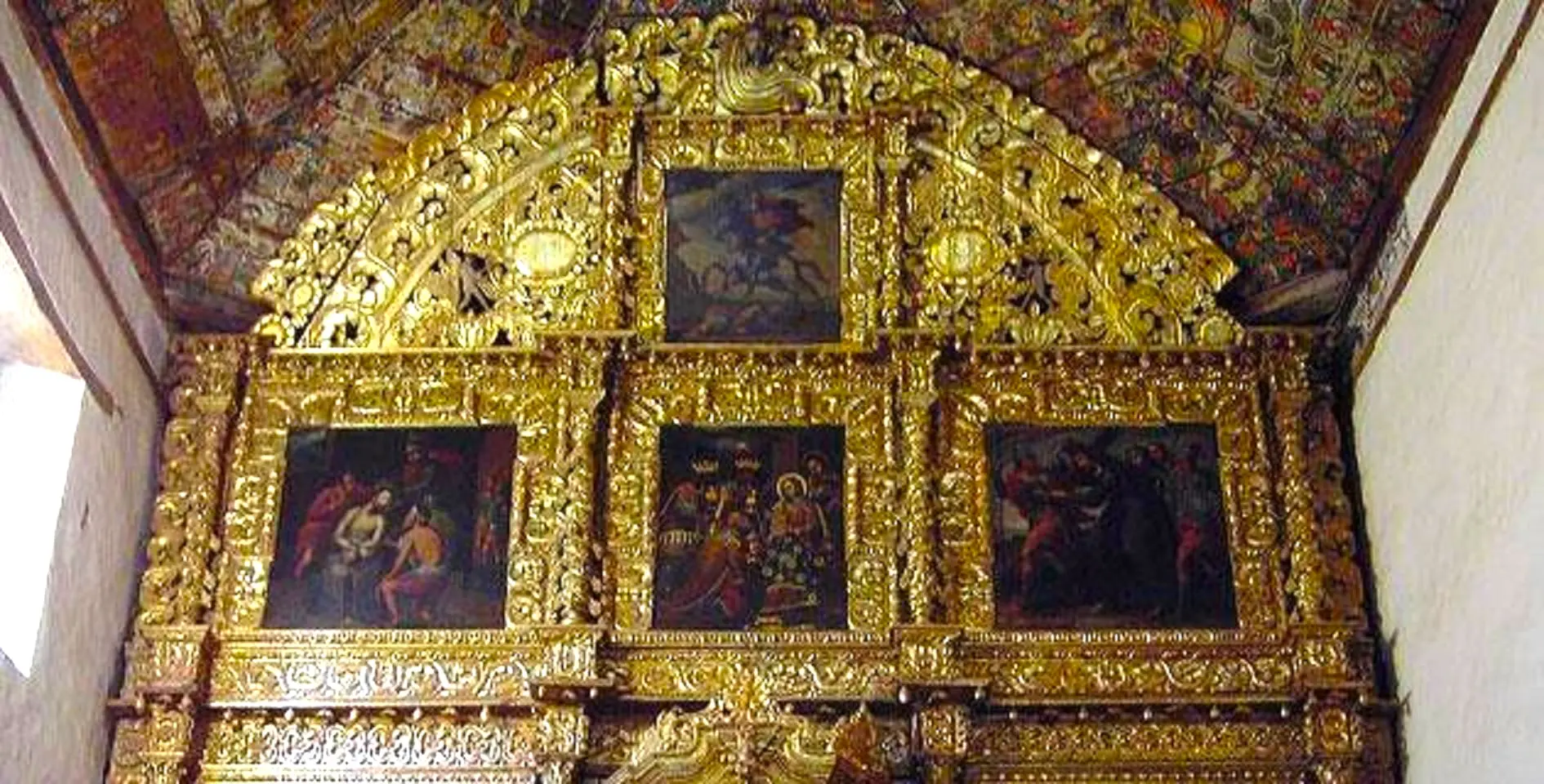
Upon arriving in the small town of Tupátaro, you'll be greeted by a white, sober, and simple facade that seems to conceal nothing extraordinary. But don't be fooled. Upon crossing the threshold of the Temple of St. James the Apostle, that austerity disappears to give way to an explosion of gold, silver and color that will leave you breathless.,
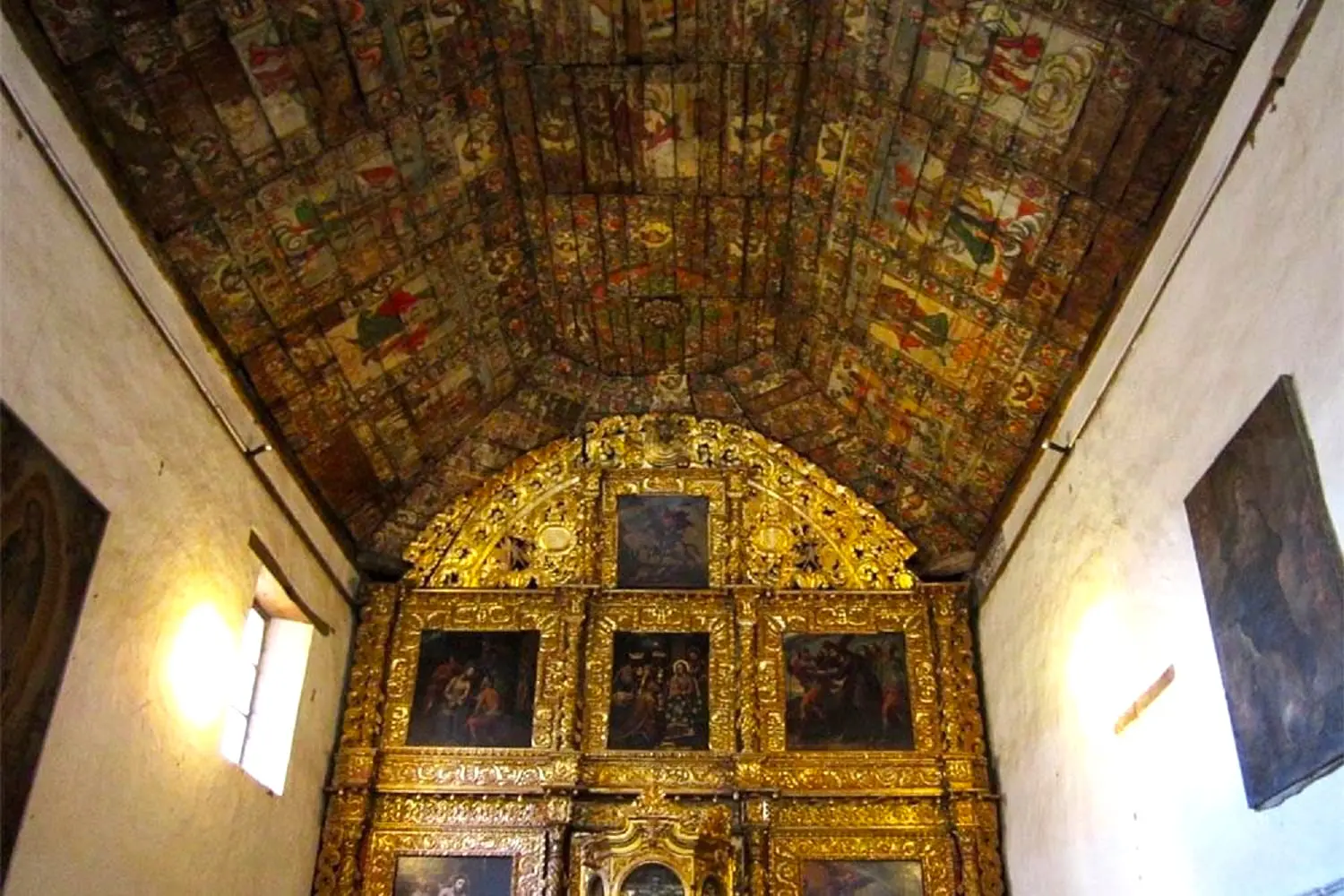
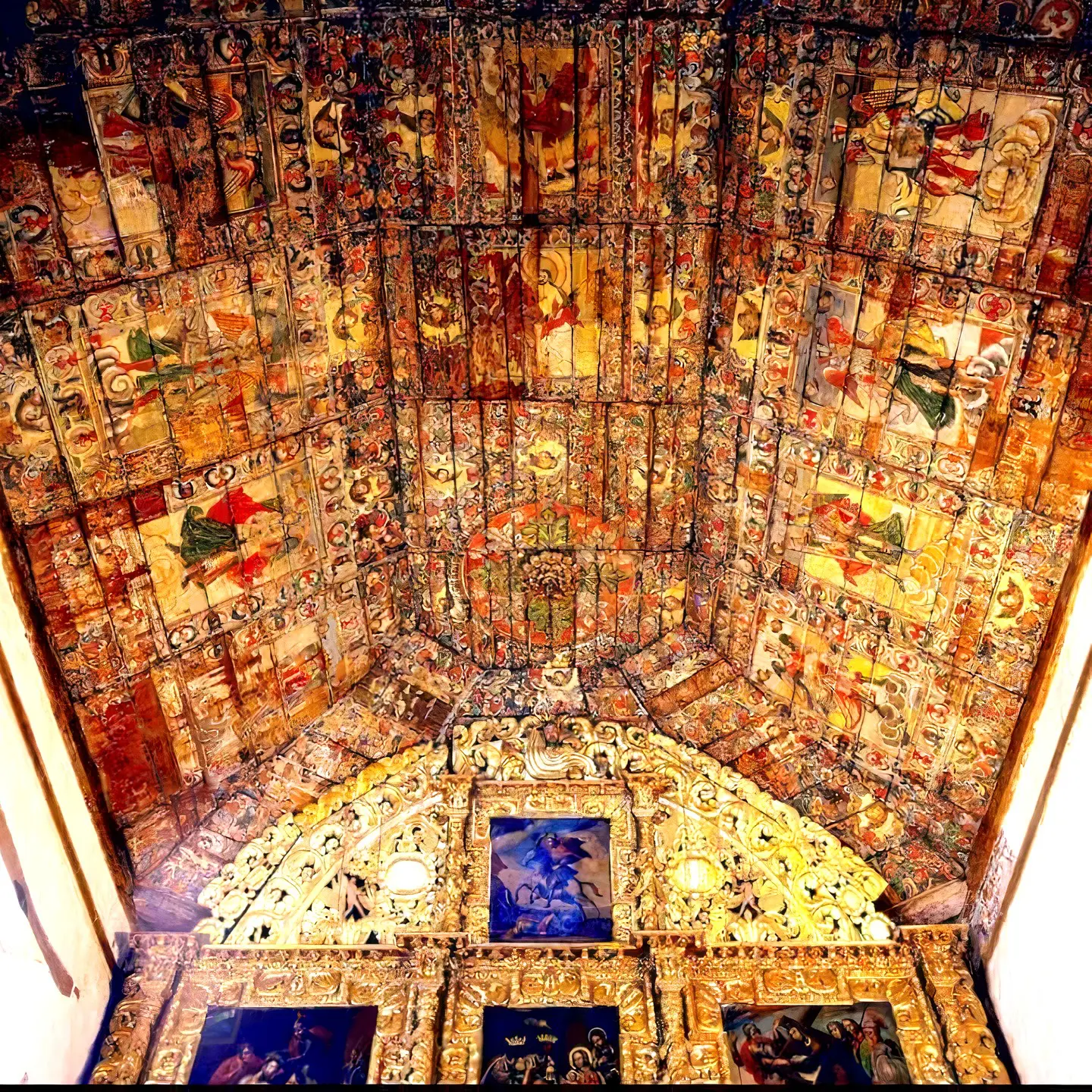
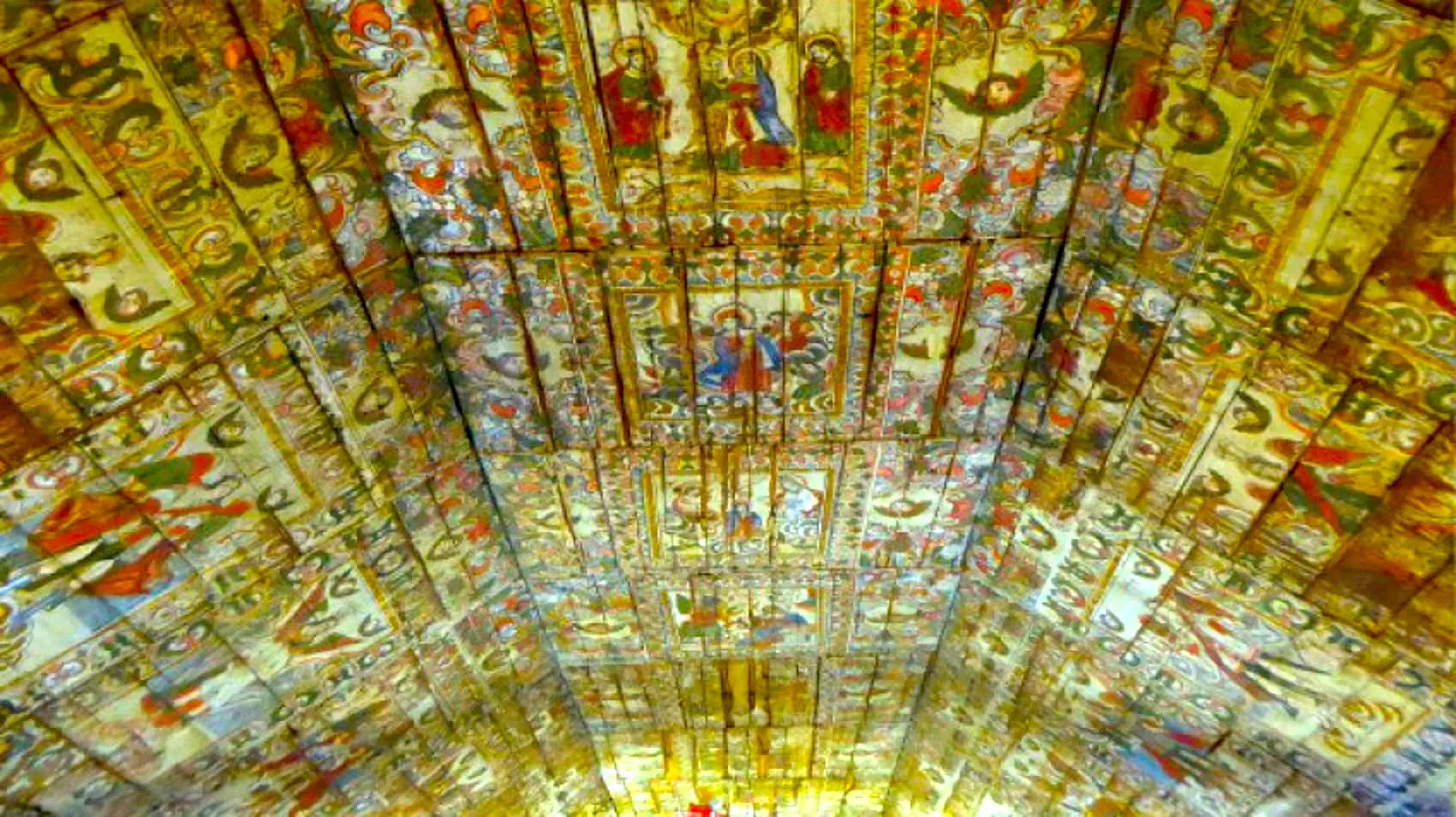
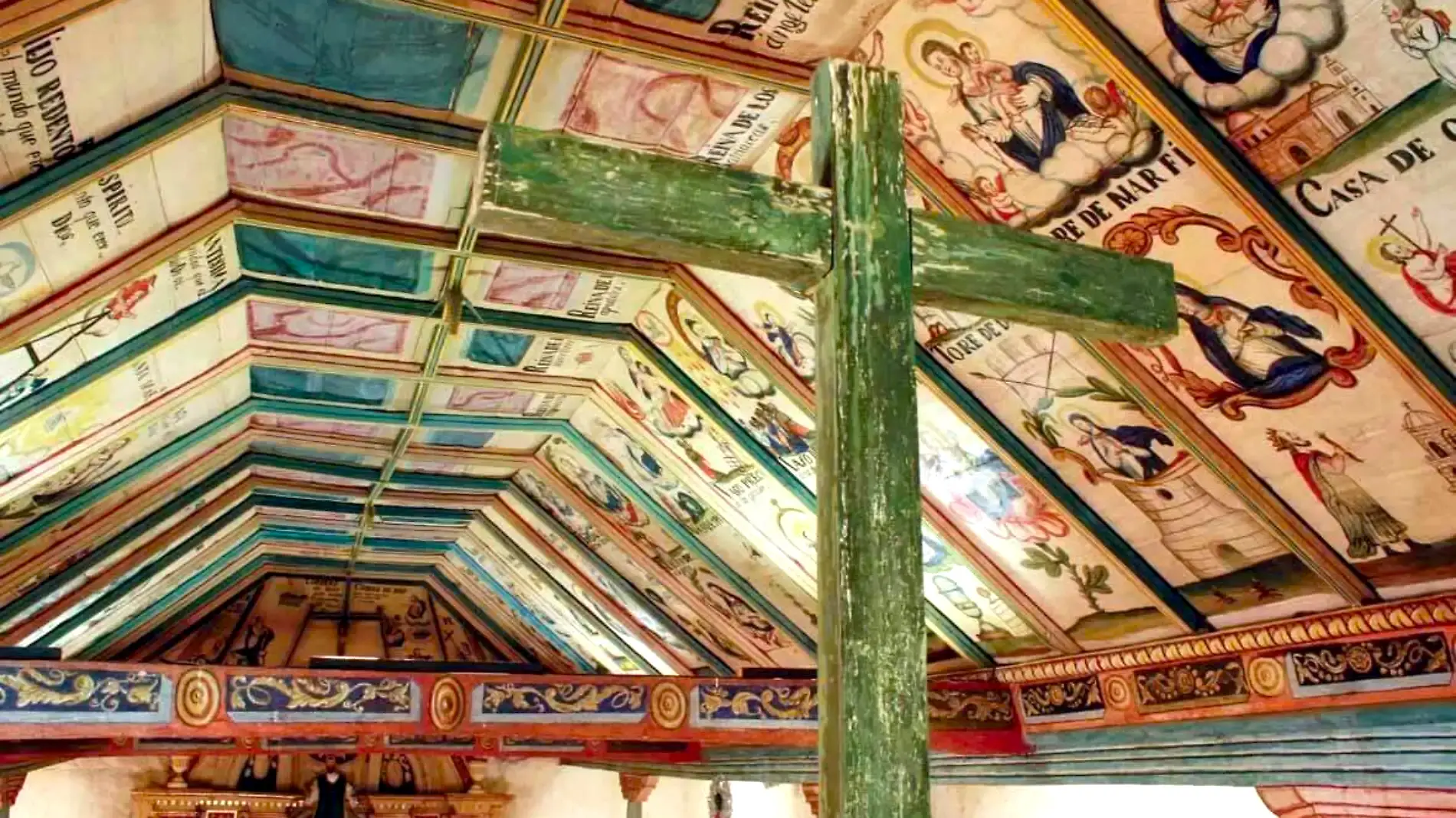
You are facing the named “Michoacán Sistine Chapel”, a 16th-century jewel that safeguards one of the most important artistic treasures in America: its coffered ceiling.
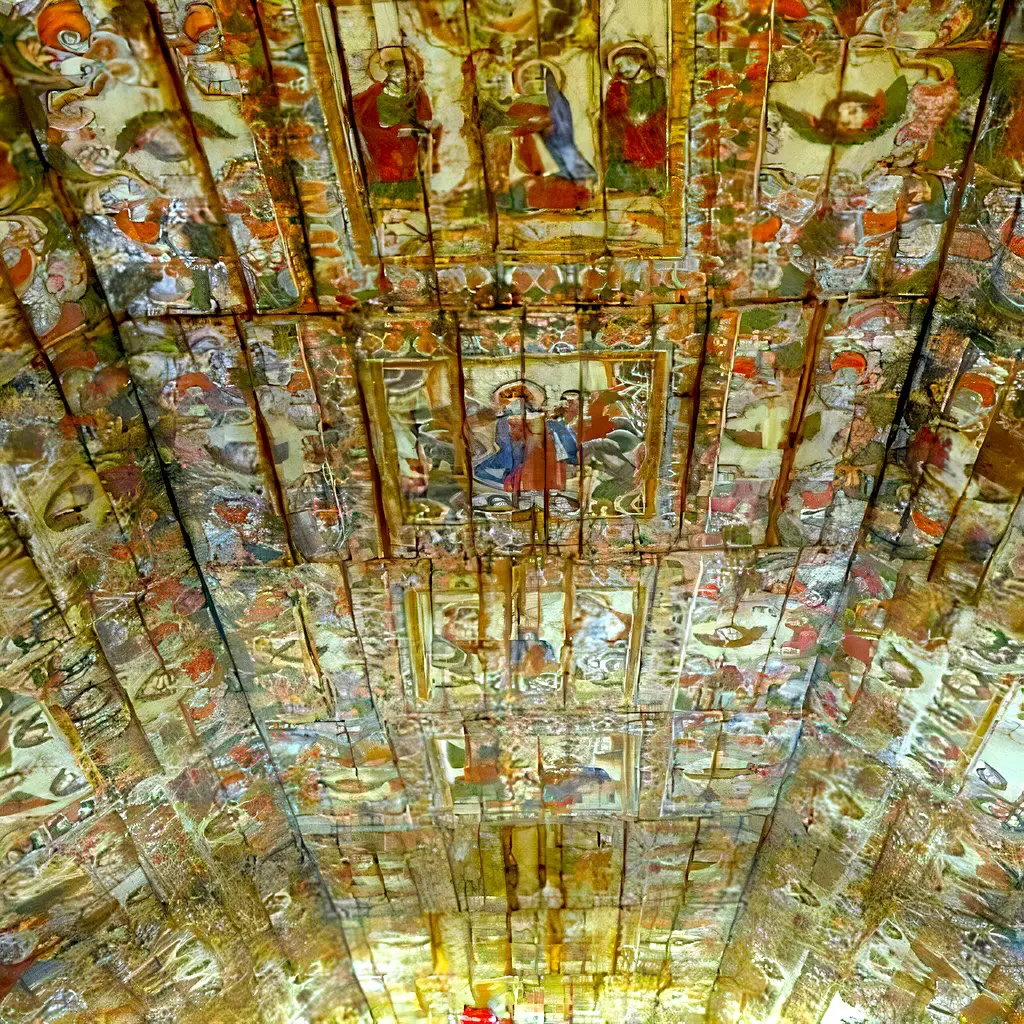
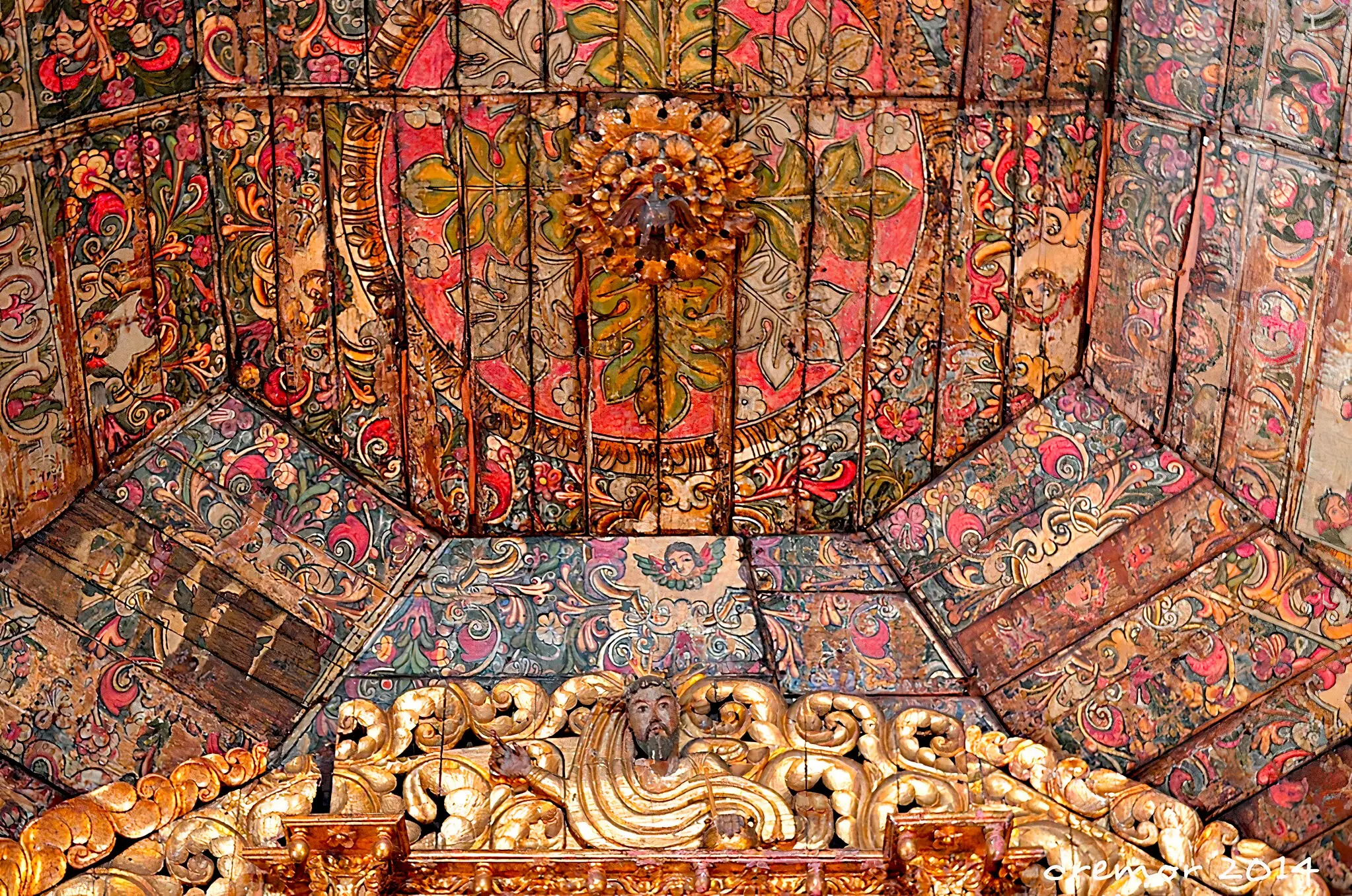
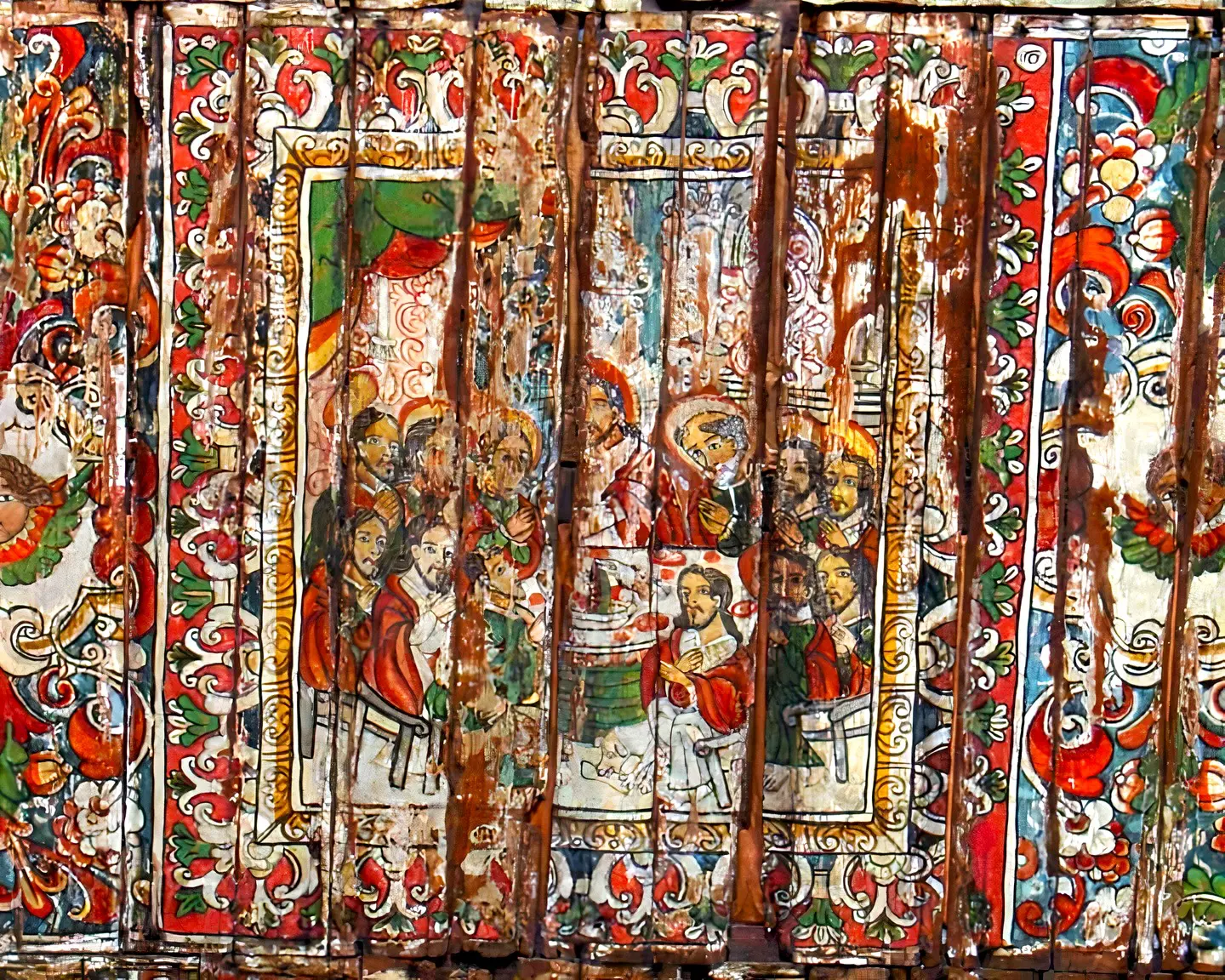
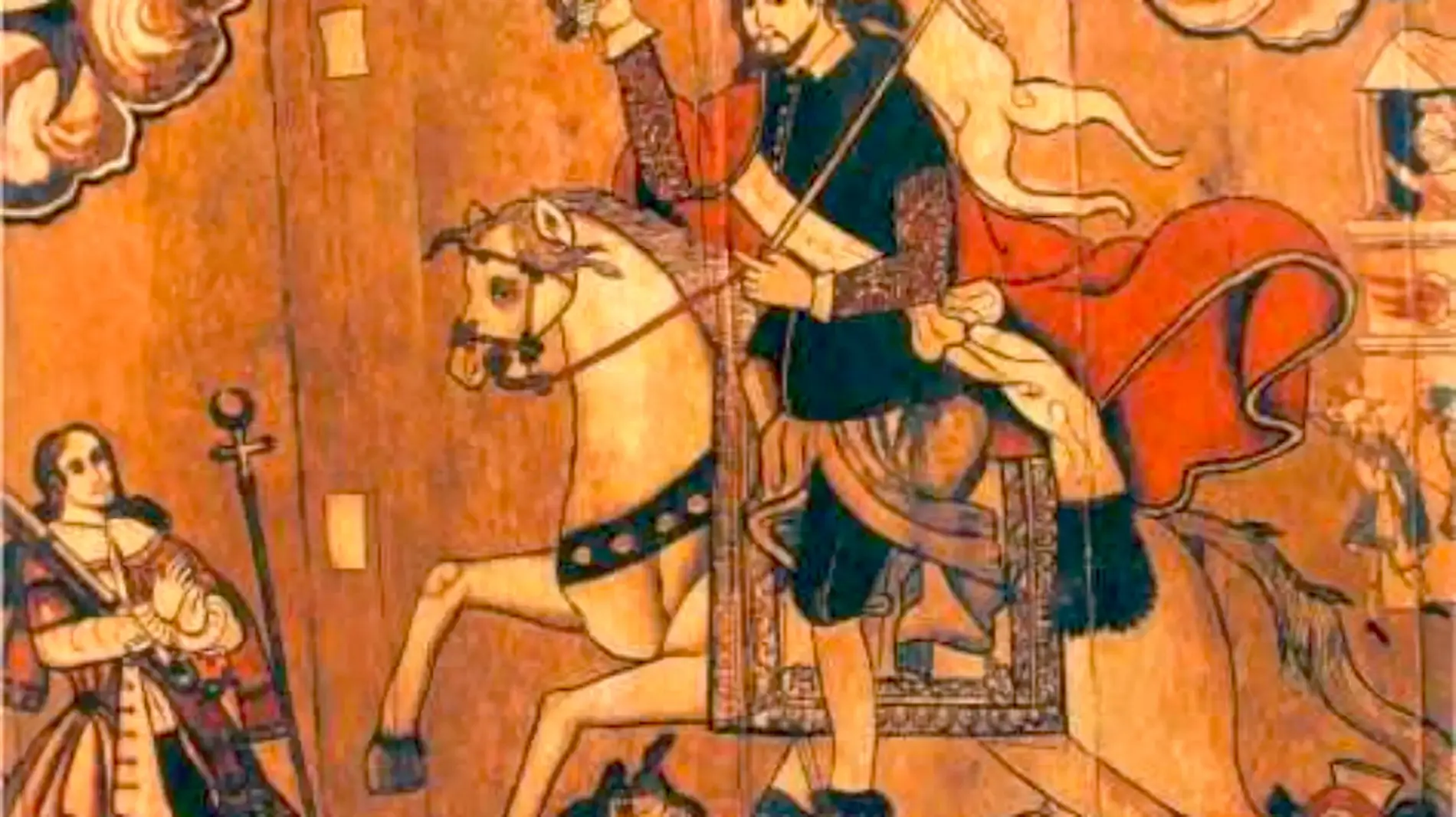
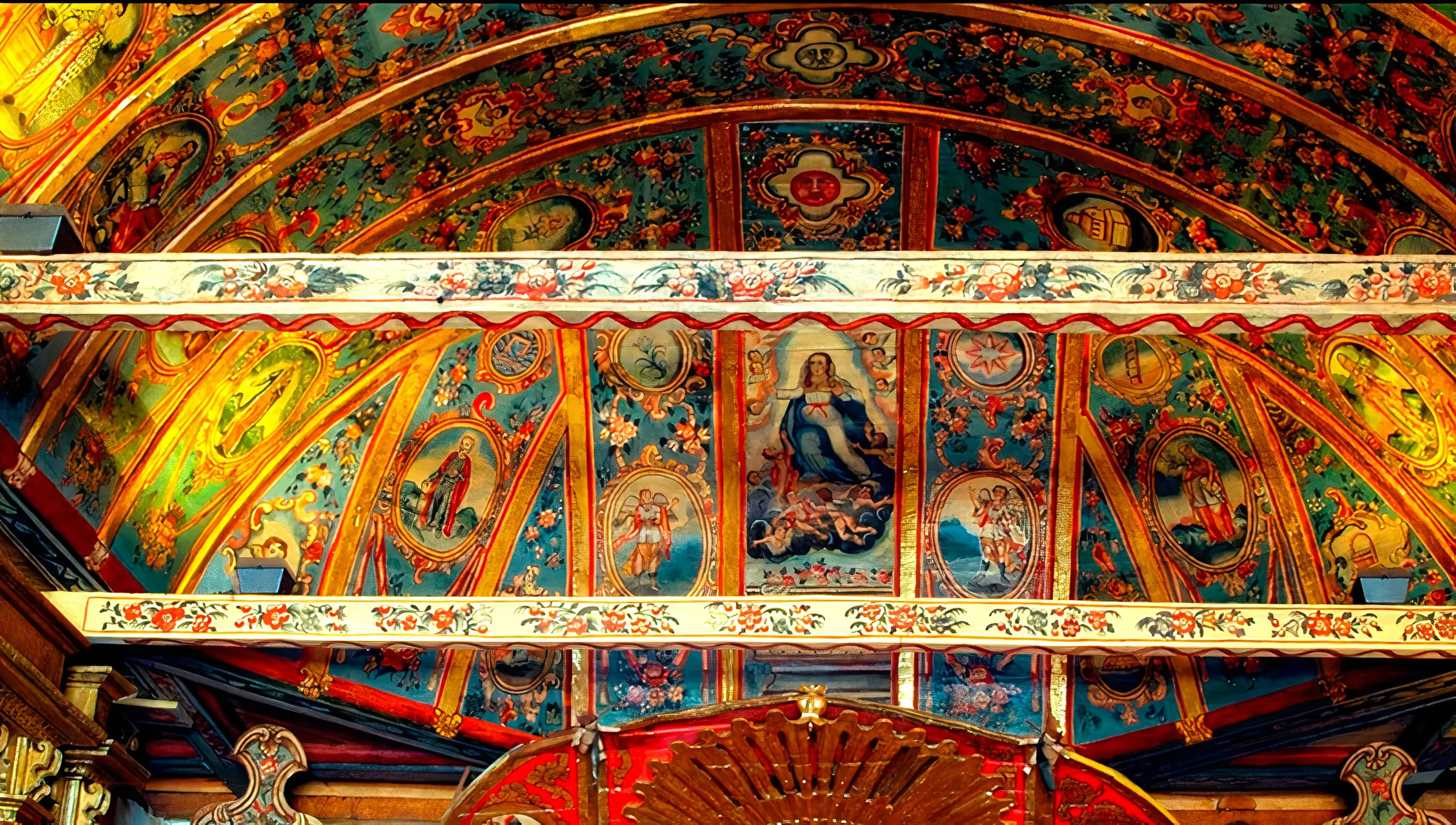
✨ The Wooden Ceiling (The Coffered Ceiling) What makes this place unique is its ceiling. It's a hand-painted wooden coffered ceiling from the 18th century (dated around 1772), covered with gold and silver leaf. It's not just decoration; it's a visual narrative. If you look closely, you'll see the life of Jesus Christ and the Virgin Mary depicted, but with a fascinating detail: they are surrounded by musical archangels and other motifs phytomorphs (plants and flowers) that betray the indigenous hand. It is the perfect fusion of two worlds: European technique and the Purépecha worldview.
🛠️ The Rescue of a Treasure (The Luft Pavlata Factor) What you see today shines thanks to a monumental effort. For years, this ceiling was in danger of disappearing. It was thanks to the vision and direction of the master craftsman Enrique Luft Pavlata (and his team at the Pátzcuaro Restoration Center) that a historic restoration took place in the 1980s and 90s. Luft Pavlata didn't just clean the wood; he "cured" the building, restoring it to its original splendor. Knowing this makes your visit even more valuable: you are seeing a work of art that was rescued from oblivion.
💎 Beyond the ceiling Although the coffered ceiling draws the eye, look down and observe:
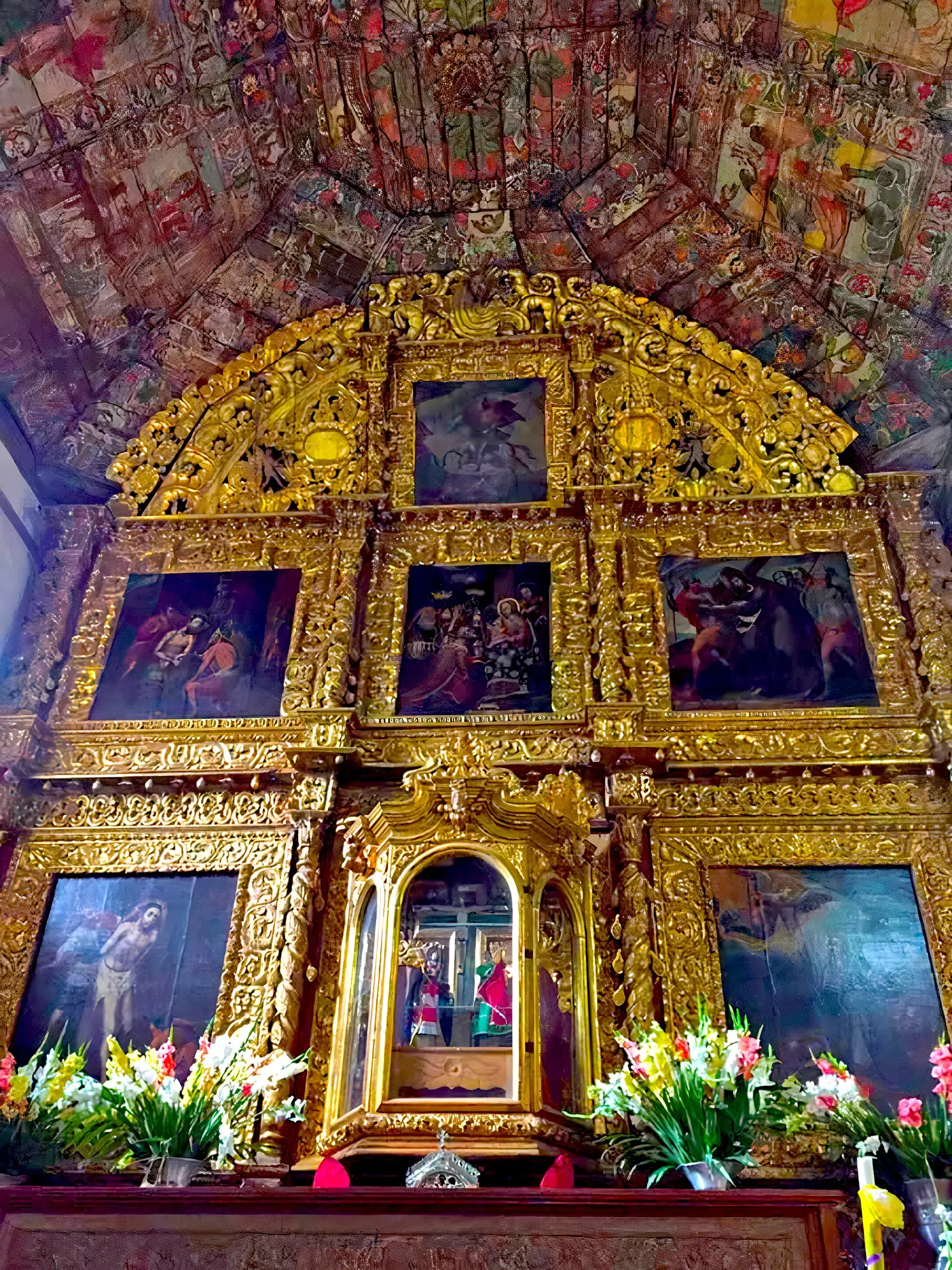
The Altarpiece: An impressive Churrigueresque Baroque altar bathed in gold, presided over by Saint James the Apostle.
The Christ of Sugarcane Paste: A light and antique piece, made with the local pre-Hispanic technique (corn and orchid).
The Floor: You're walking on original wooden planks that creak with every step. Beneath them lie ancient tombs from the 18th and 19th centuries, adding a mystical and solemn atmosphere to the site.
🌟 OUR RECOMMENDATION
This is a place of silence and detail. The INAH (National Institute of Anthropology and History) jealously guards this temple, and they don't always allow flash photography (to protect the ancient pigments), so be prepared to keep the images in your memory.
Expert tip: Bring small binoculars or use your camera's zoom (no photo) to search the ceiling for the musical angels. You'll notice their indigenous features, and that some play European instruments while others play pre-Hispanic ones. It's the perfect symbol of cultural fusion made art! 🎺🎻
 EN
EN  ES
ES