
 MAP
MAP SEARCH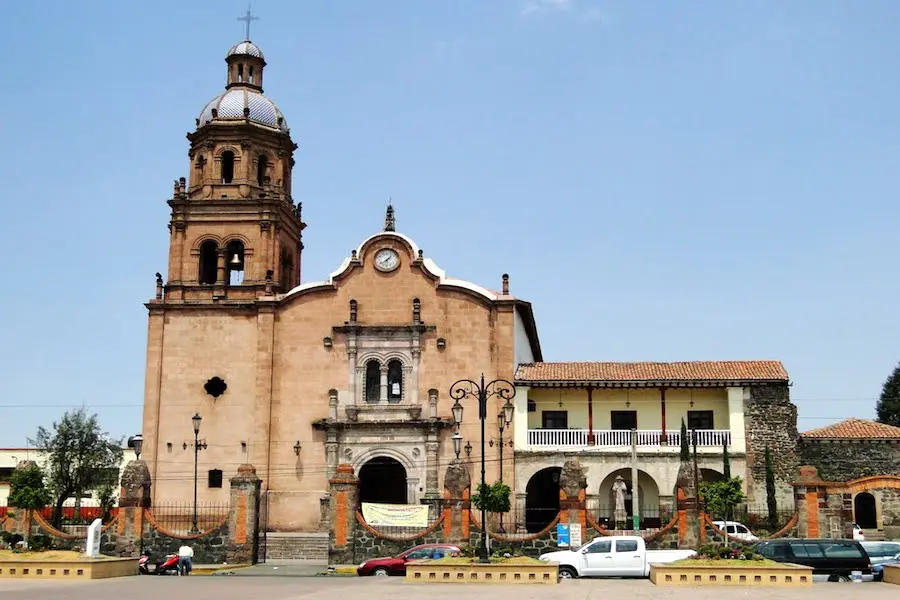
Adress
Zaragoza 103, Centro, 58600 Zacapu, Michoacán, México.
GPS
19.819974243404, -101.7910015583
Phone
Monday
10:00 – 14:00 / 17:00 – 19:00
Tuesday
10:00 – 14:00 / 17:00 – 19:00
Wednesday
10:00 – 14:00 / 17:00 – 19:00
Thursday
10:00 – 14:00 / 17:00 – 19:00
Friday
10:00 – 14:00 / 17:00 – 19:00
Saturday
10:00 – 13:00
Sunday
CLOSED
KNOW MORE PLACES
VISITA OTRAS LOCALIDADES
⛪📜 Plateresque Architecture, History and the Legacy of a Prince.
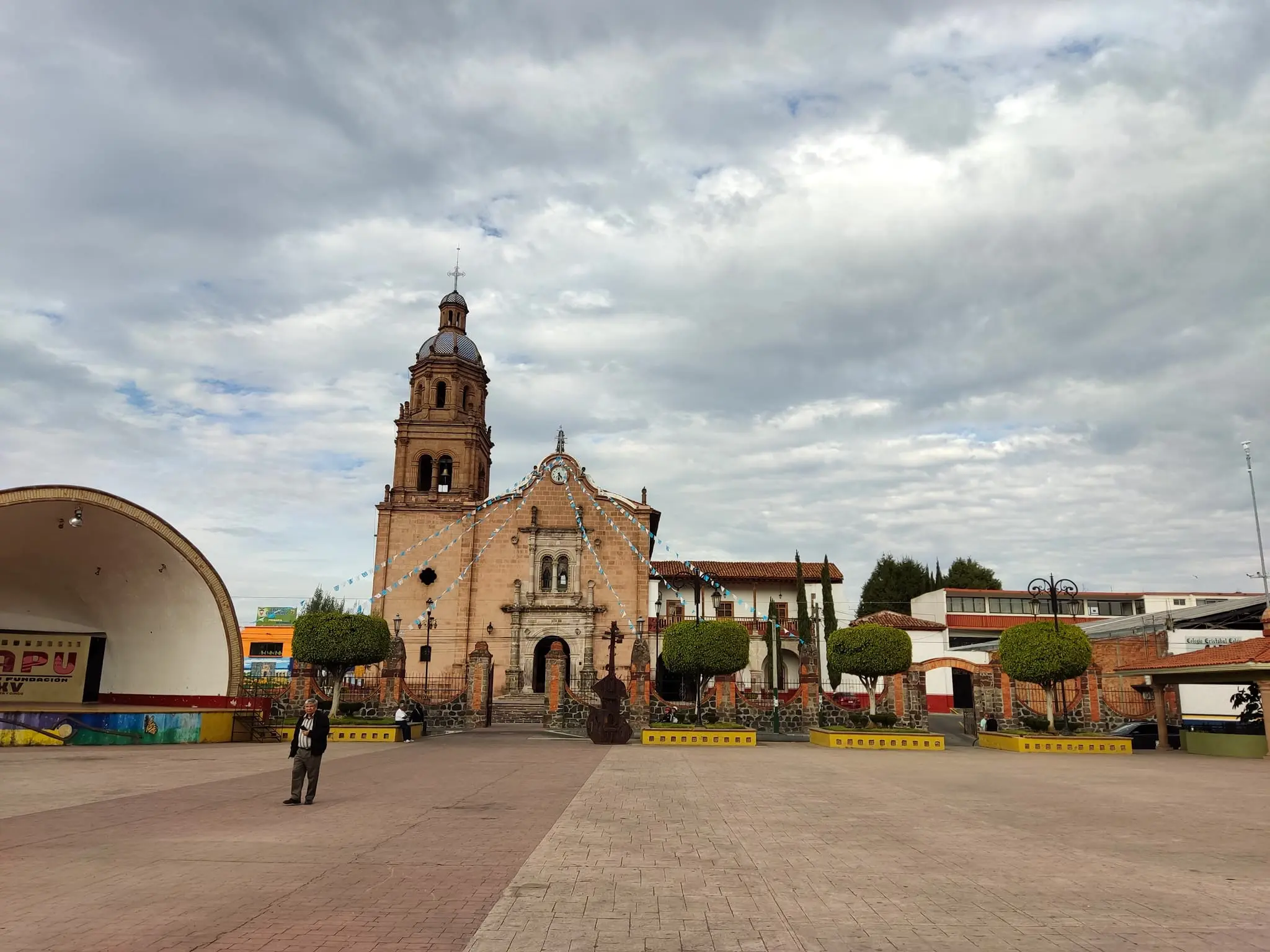
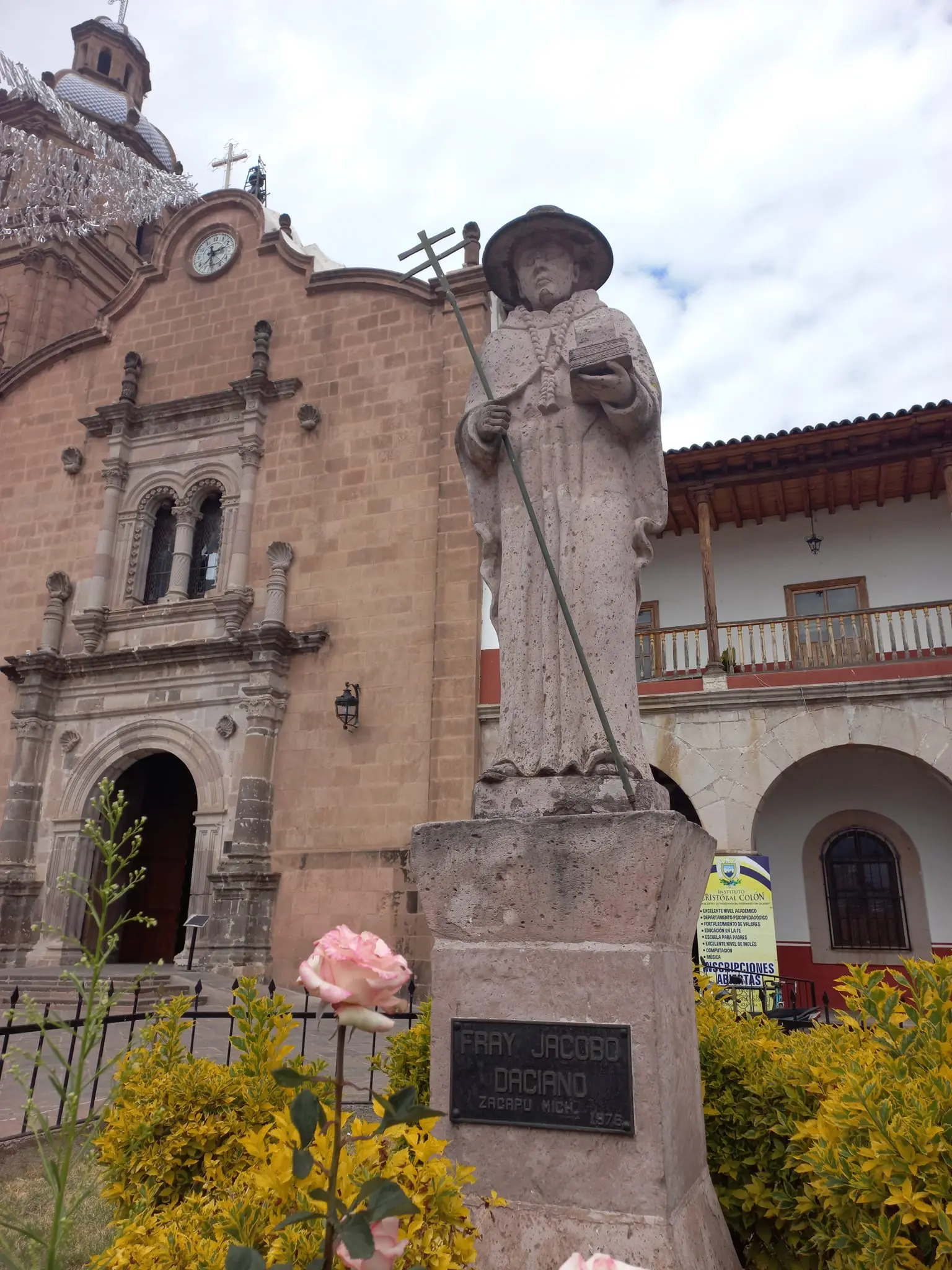
Located in the heart of Zacapu, this parish is one of the most unique architectural jewels of the 16th century in Michoacán. Its history begins on June 29, 1548, the founding date of the modern city, under the vision of the legendary Friar Jacobo Daciano (a Danish prince who renounced his crown for the Franciscan habit).
However, what we see today is a historical evolution: although Daciano began the work with workers from Querécuaro and the Cherán mountain range, it was Fray Pedro de Pila who, around 1586, consolidated the current convent and the masonry church on the original foundations.
Architectural Treasure: The Exterior 🏛️
The temple is a master class in viceregal art that experts value for its unique details:
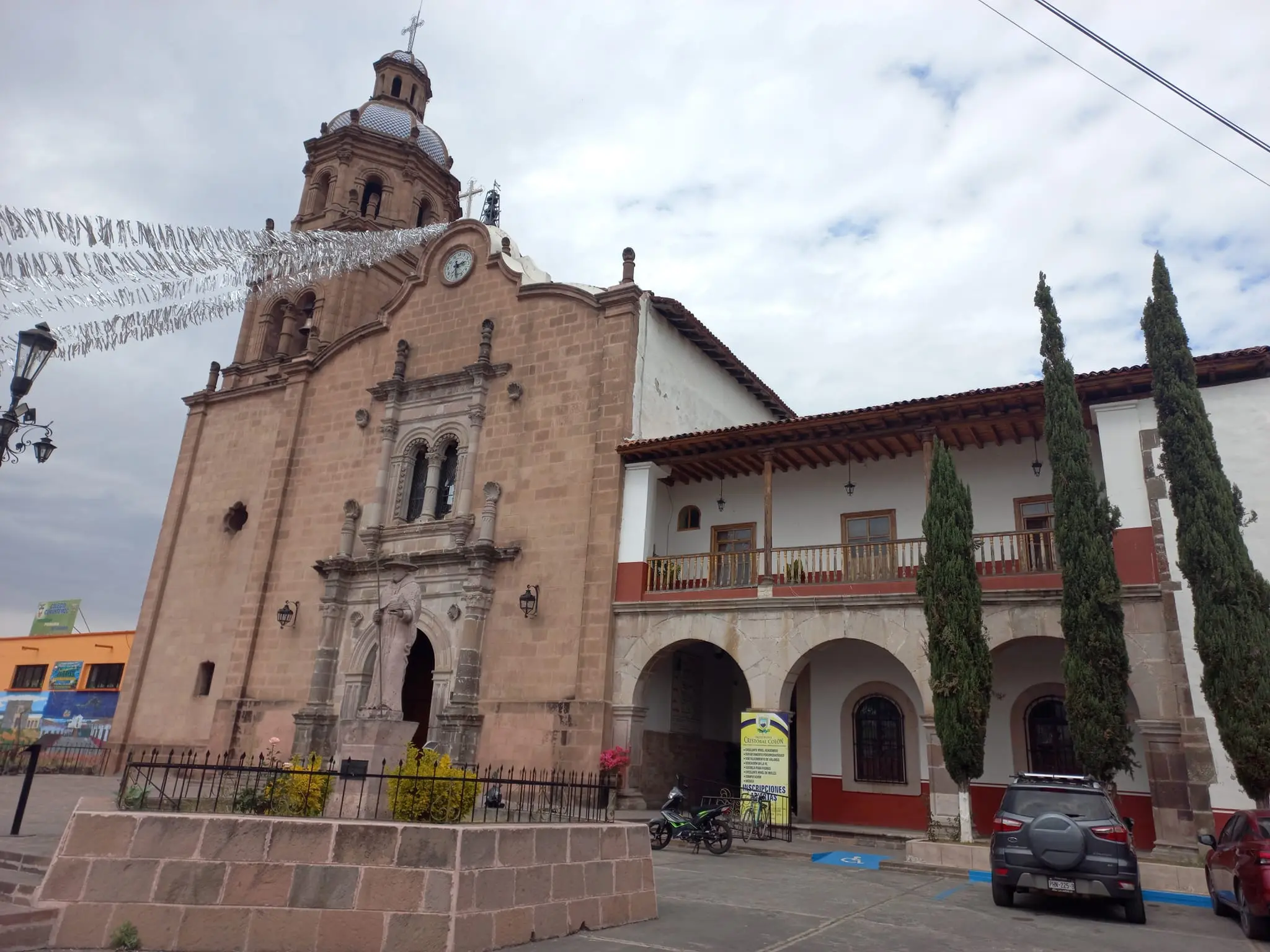
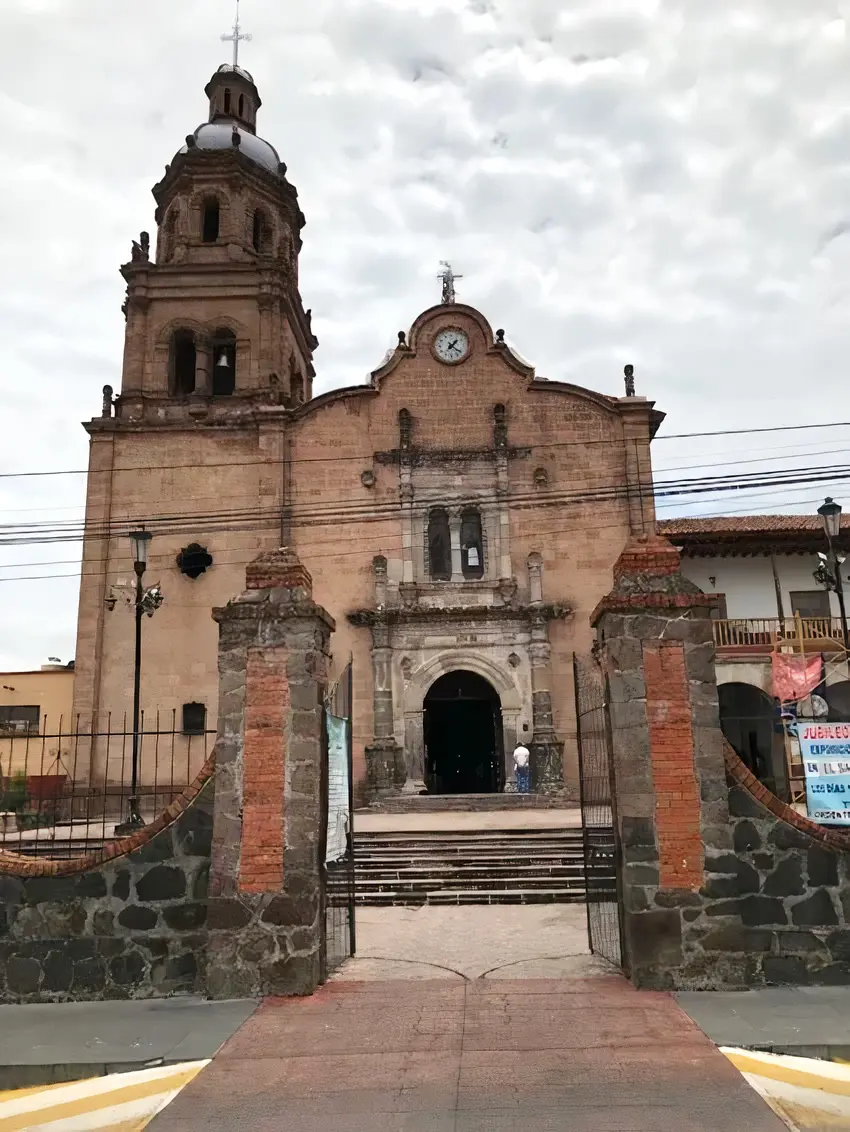
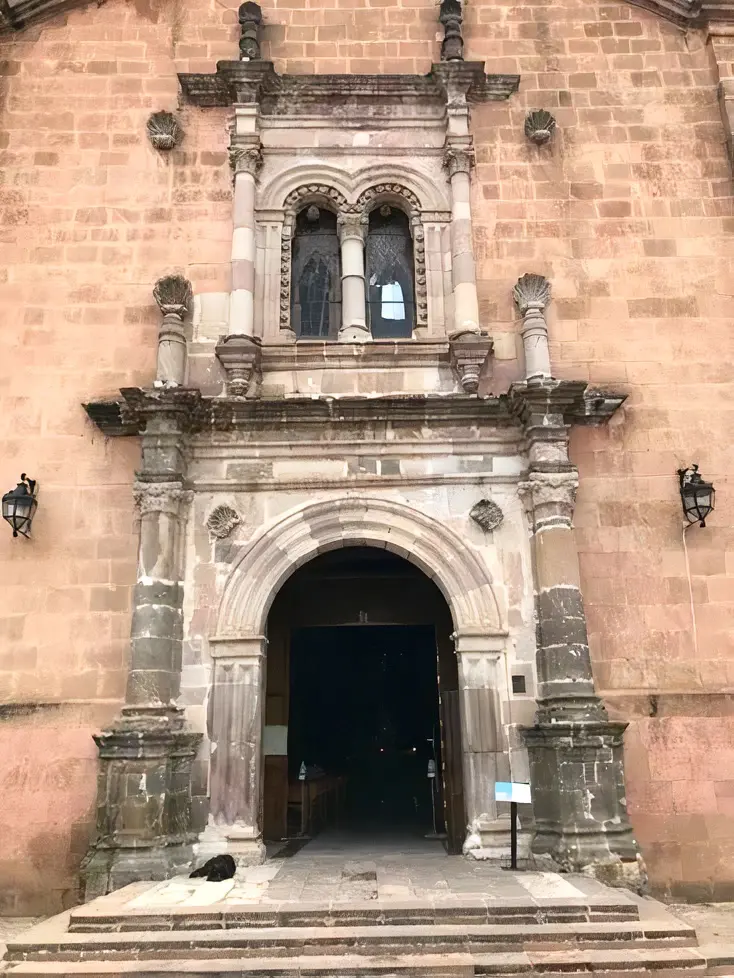
The Ajimez Window (Geminada): It is the star element of the façade. It is a window of Romanesque and Gothic influence divided into two arches by a small central column called a mullion or mullion. It is an exquisite rarity in Michoacan architecture.
Plateresque-Renaissance Cover: The entrance is a work of art framed by columns with Corinthian capitals and shell-shaped finials, a hallmark of the 16th century temples in the region.
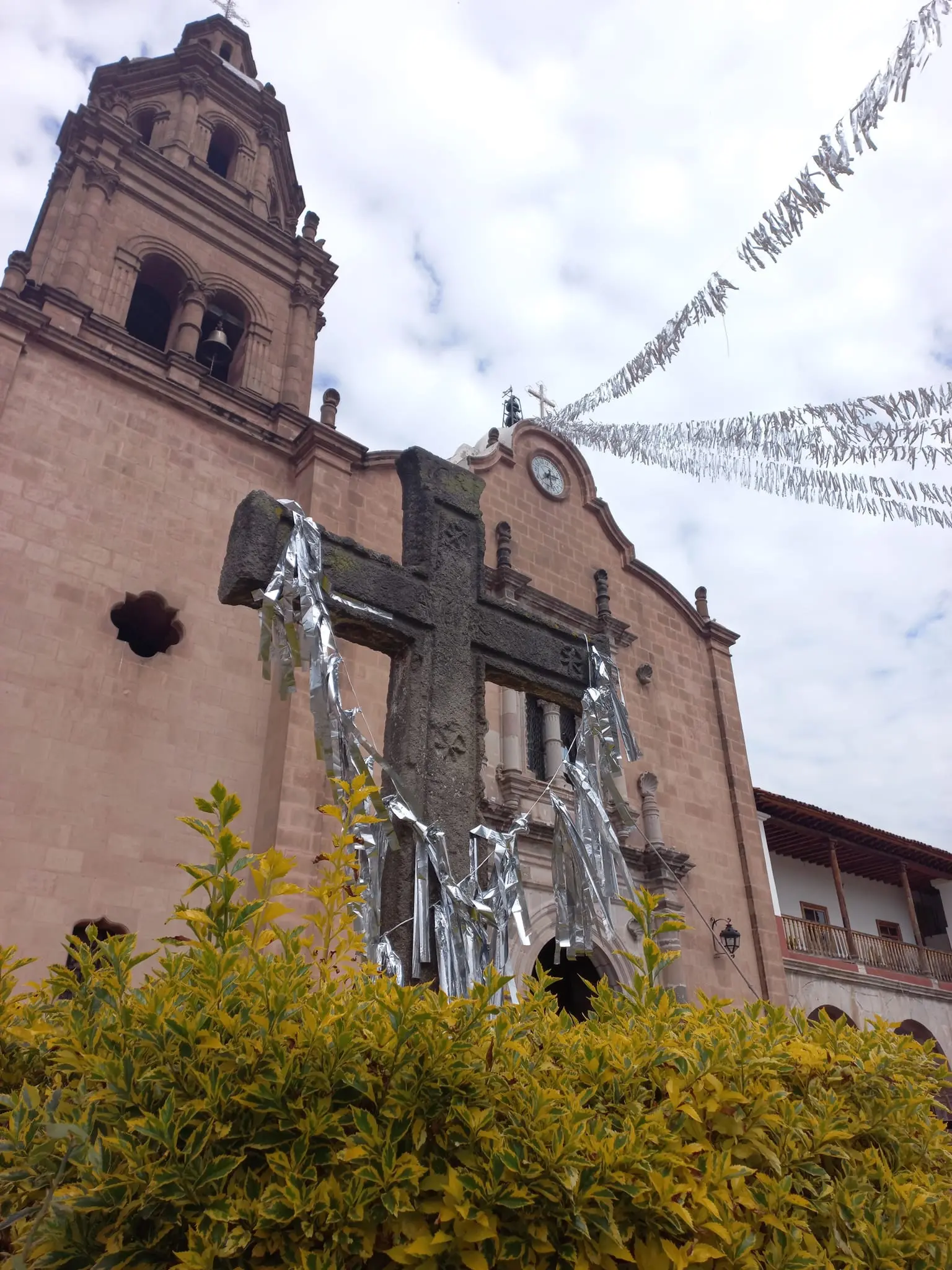
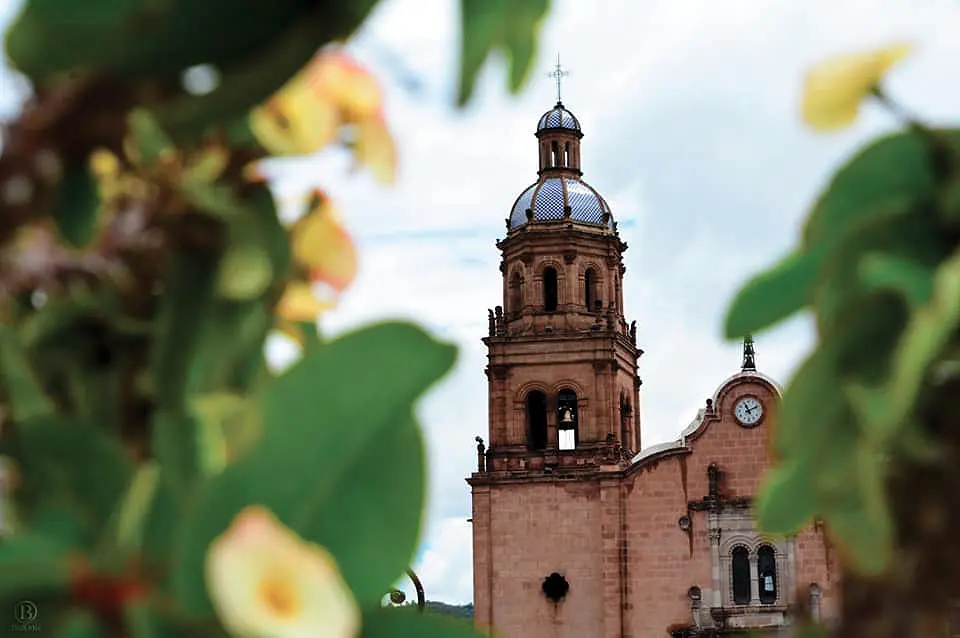
The Tower: Unlike the façade, the tower is a later addition from the 18th century. It is made up of three bodies; Note how the second takes up the style of ajimes windows and the third is octagonal.
The Interior and the Convent ✨
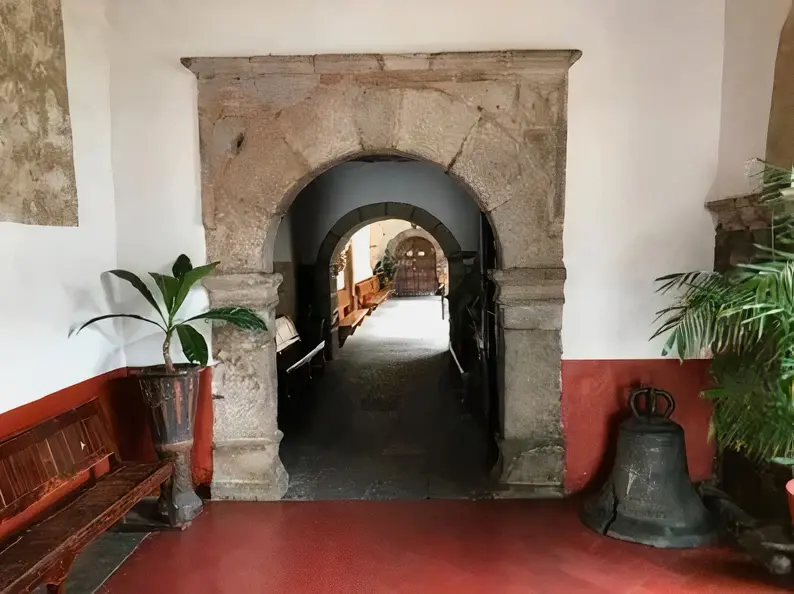
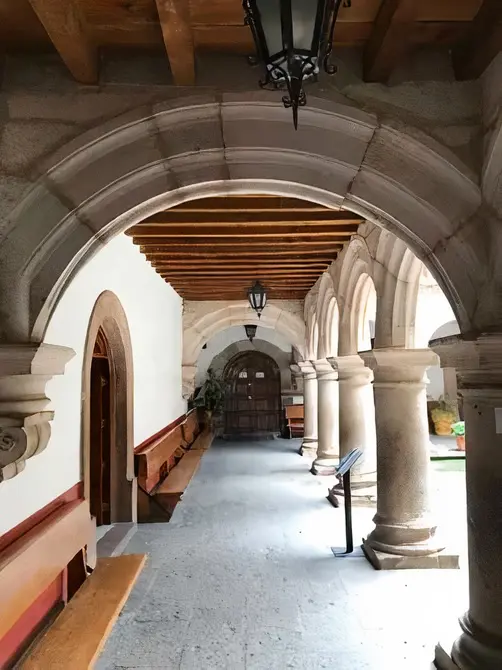
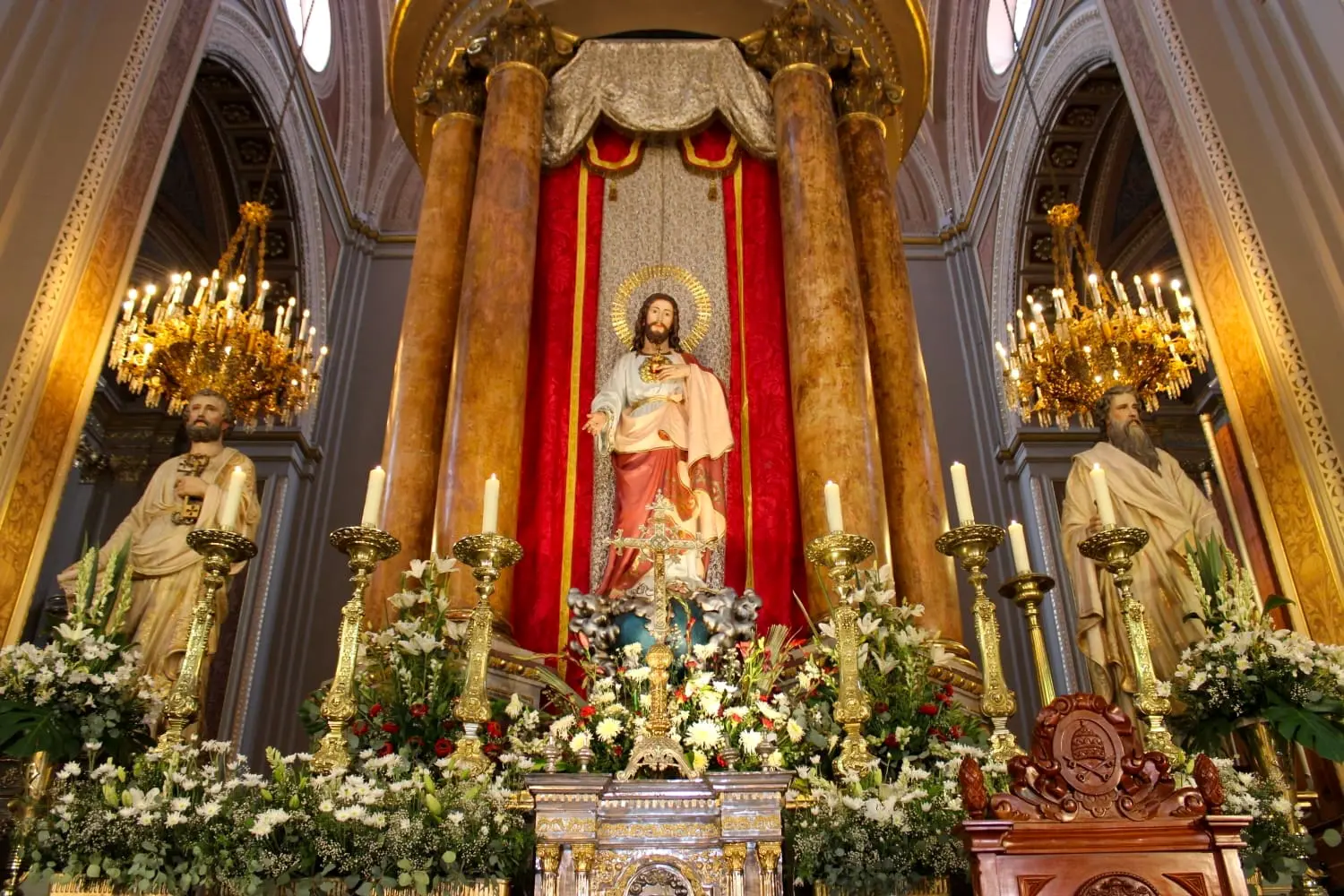
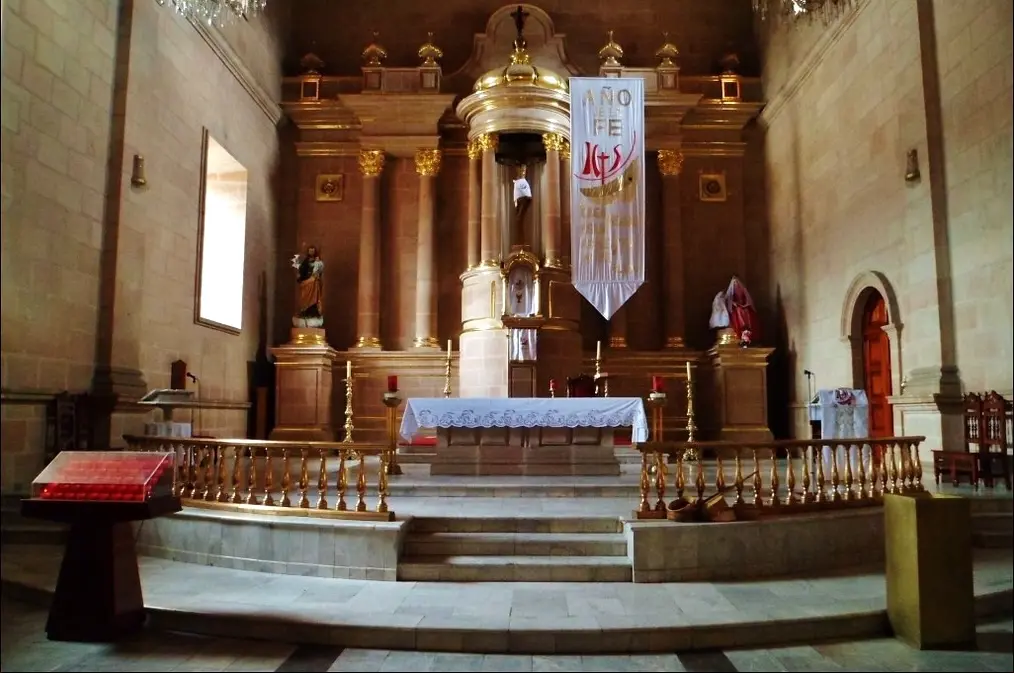
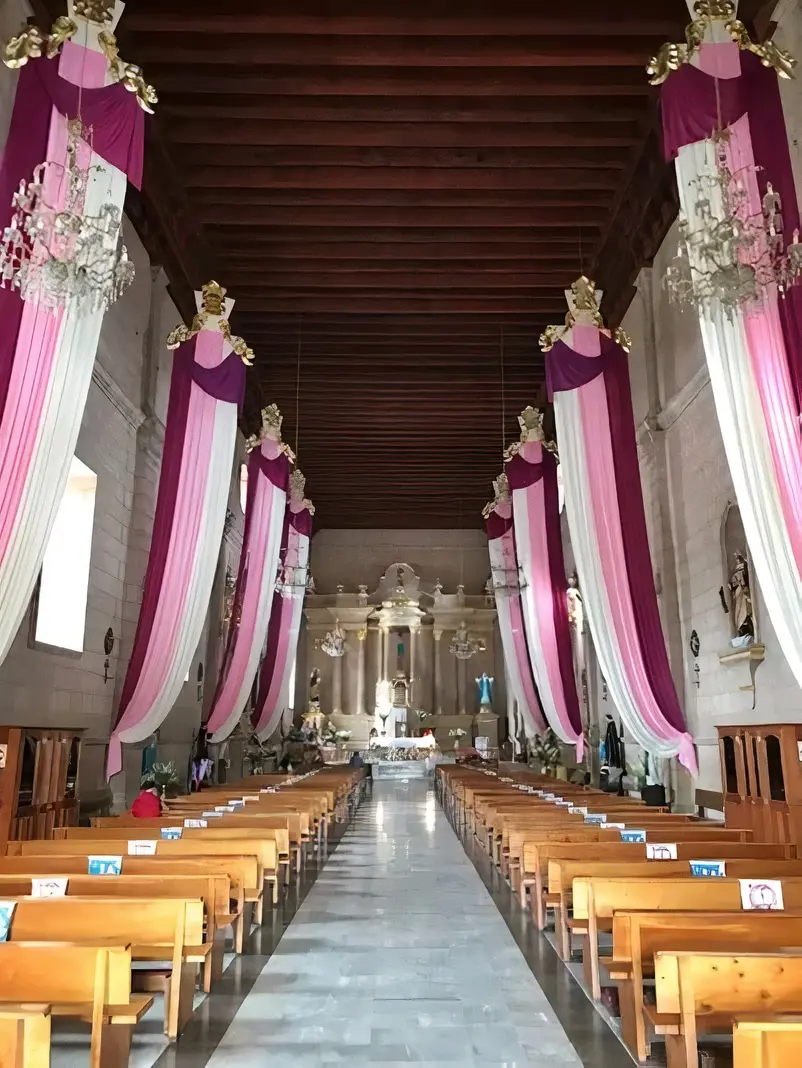
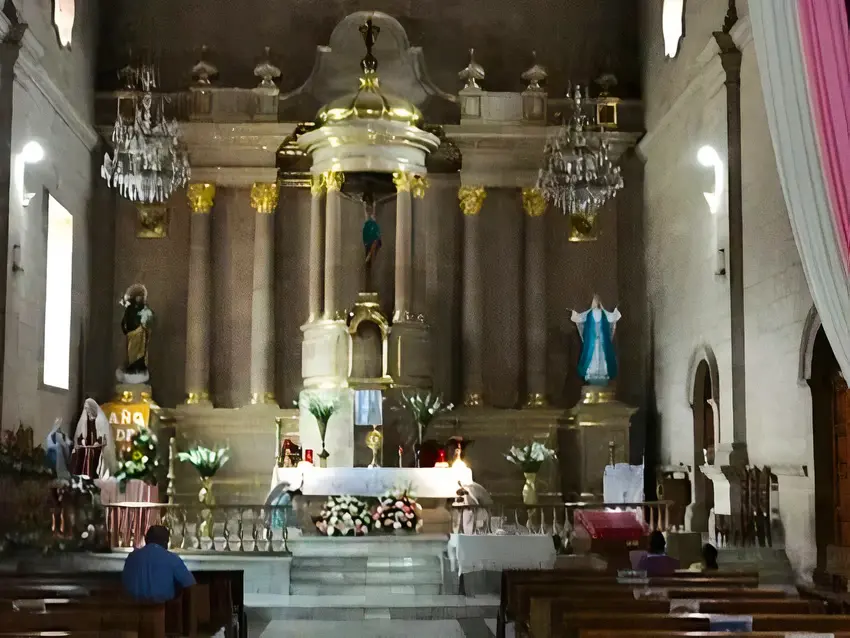
The contrast upon entering is notable. While the façade tells us about the 16th century, the interior was remodeled with neoclassical altars, preserving a wooden beam ceiling (soffit) that maintains the acoustic warmth of the temple.
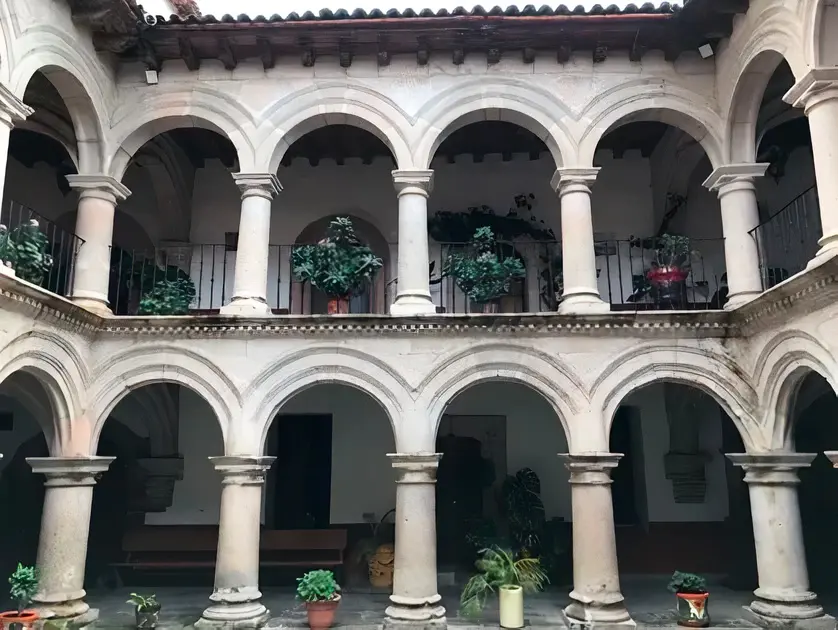
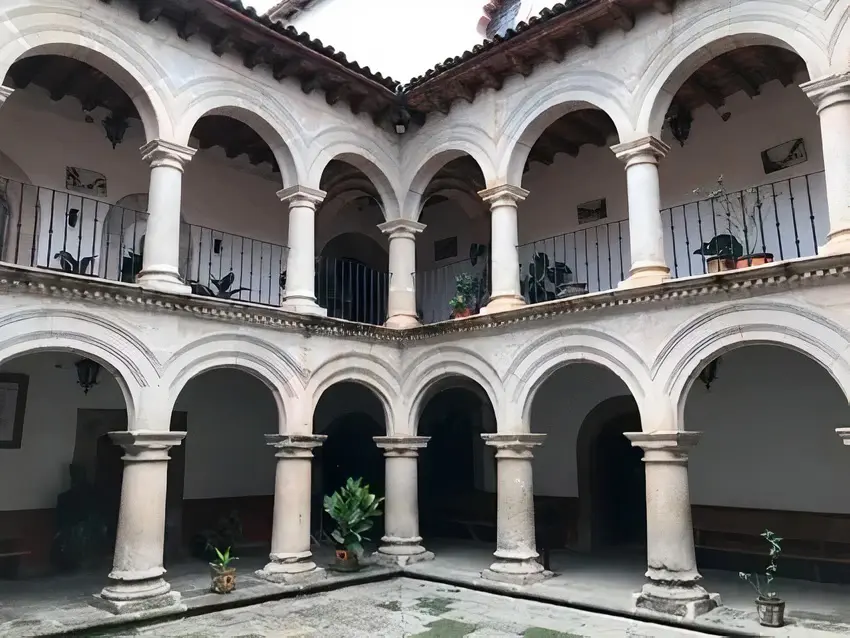
The attached convent stands out for its two-level cloister with semicircular arches; Experts point out that its Tuscan style has a more civil than religious character, a curiosity of viceregal art in the area.
The Atrium and the Environment 🌳
The complex is complemented by historical elements scattered outside:
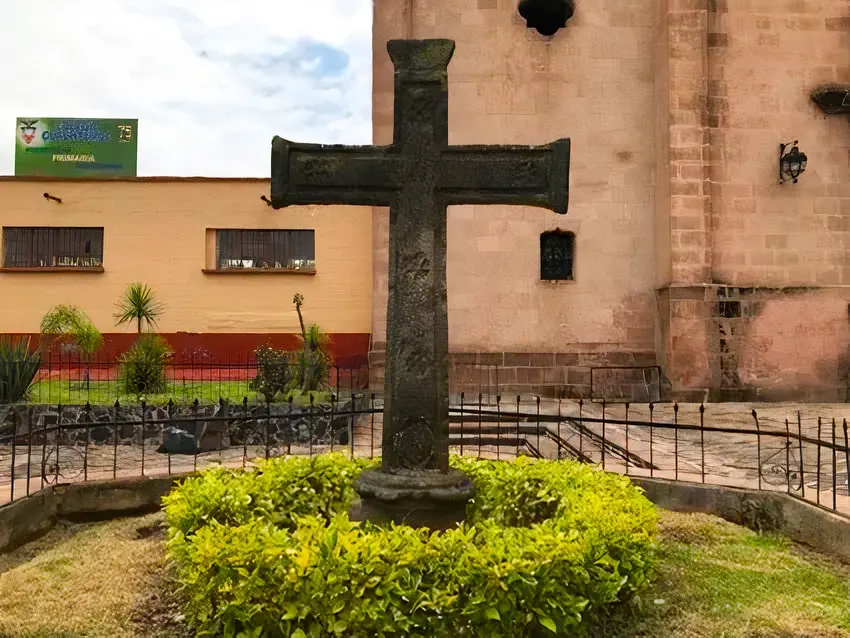
Atrial Cross (17th century): Carved in stone, it preserves its original elements and marks the ancient sacred space.
Sundial: In the convent's lobby, look for the sundial dated 1858.
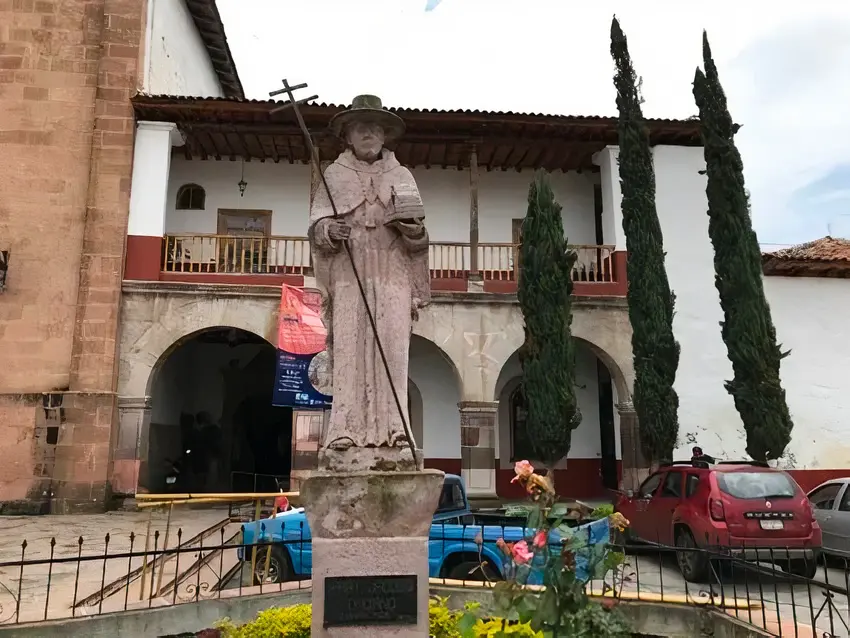
Sculpture: A statue of Fray Jacobo Daciano guards the front, remembering the founder.
🌟 Our Recommendation
For the observant traveler.
Stop at the Facade: Use the zoom of your camera or binoculars to appreciate the Corinthian capital of the small column that divides the upper window (the mullion). It is a detail of high manufacturing.
Historical Route: Zacapu is less than an hour from Pátzcuaro. Visiting Santa Ana perfectly complements the visit to the convents of Tzintzuntzan or Pátzcuaro, allowing you to compare Daciano's interventions in both areas.
 EN
EN  ES
ES