
 MAP
MAP SEARCH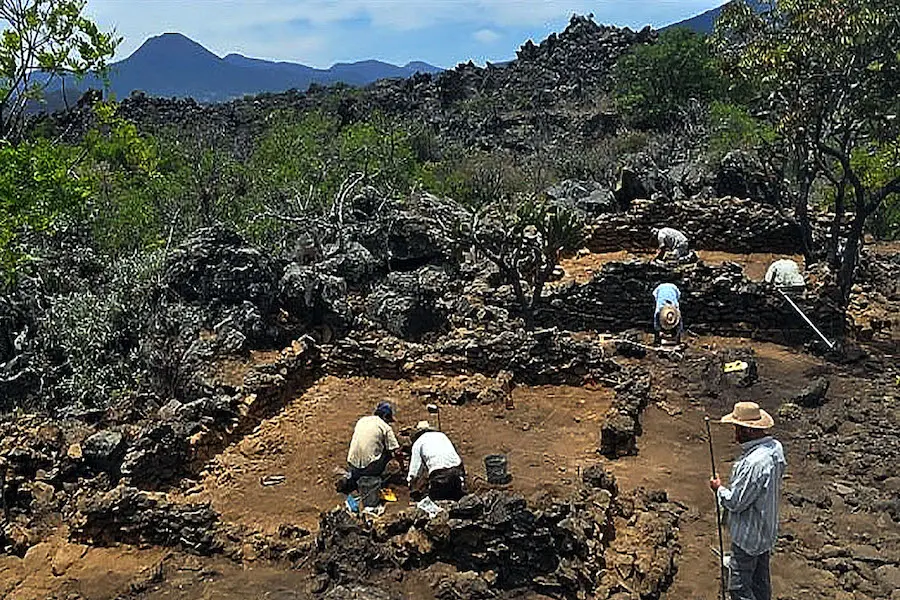
Adress
58716 Zacapu, Michoacán, México.
GPS
19.898320177648, -101.80405178794
KNOW MORE PLACES
VISITA OTRAS LOCALIDADES
🌋🦅 The amazing settlement of the Uacúsechas on the lava.
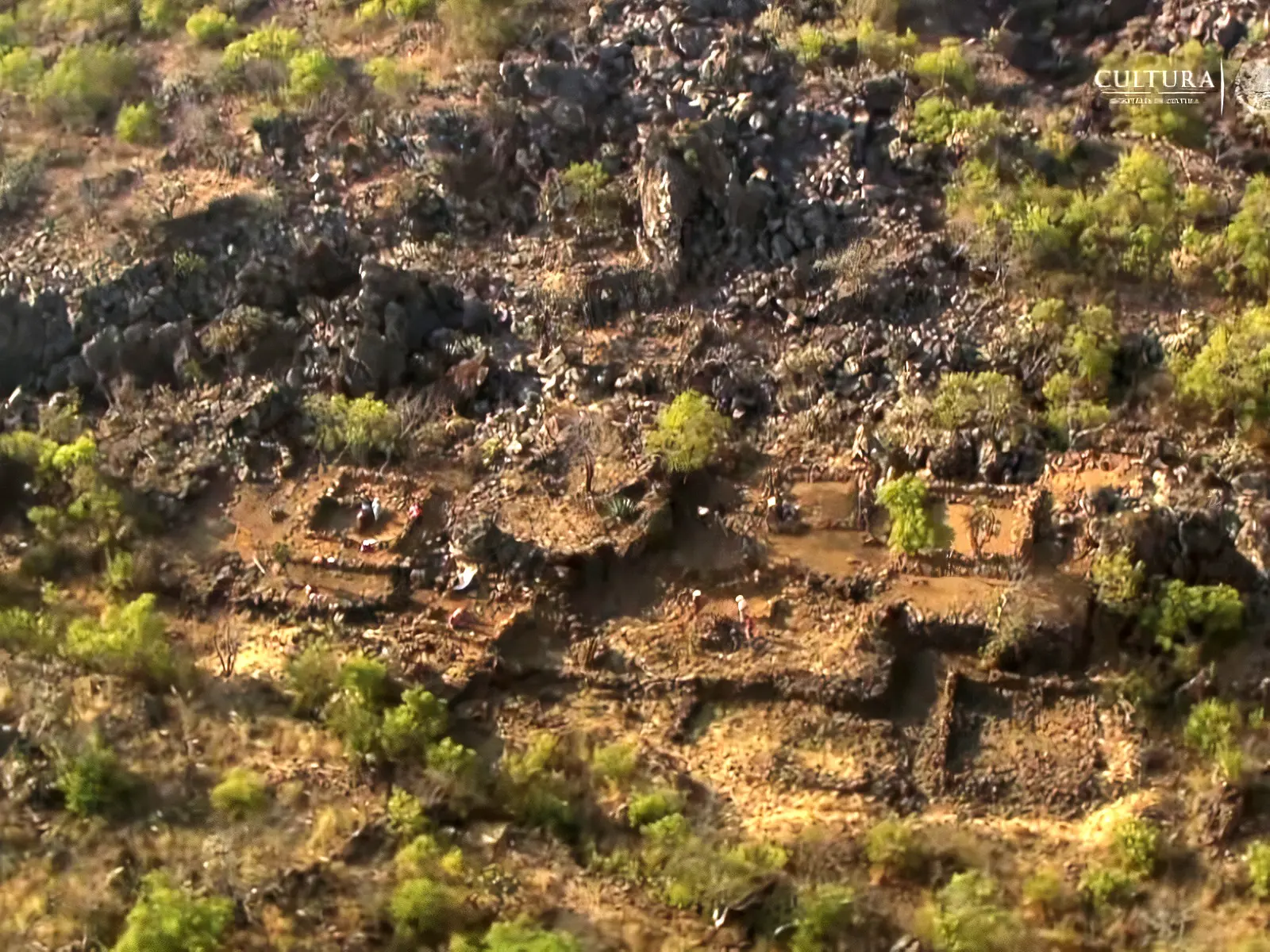
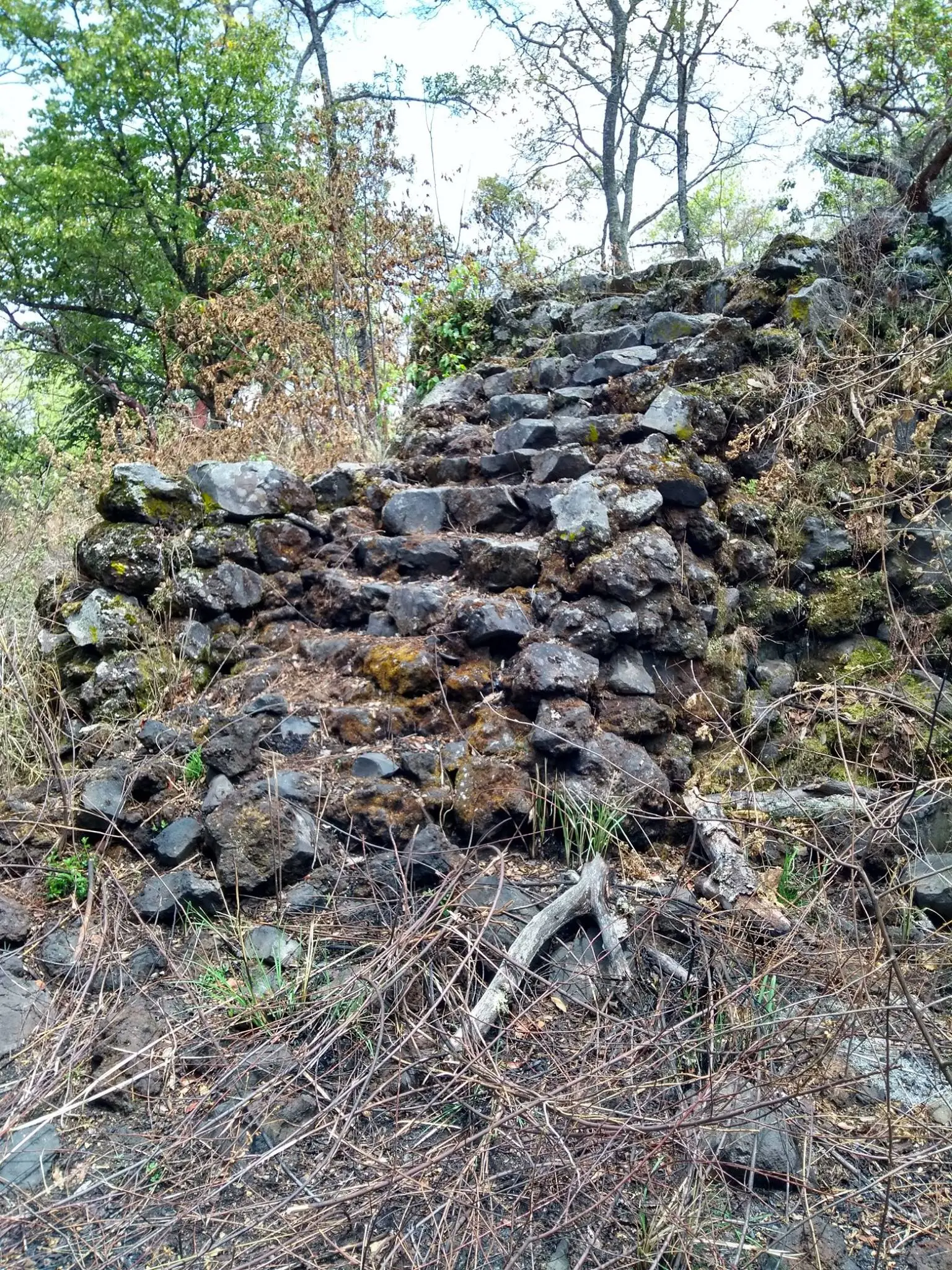
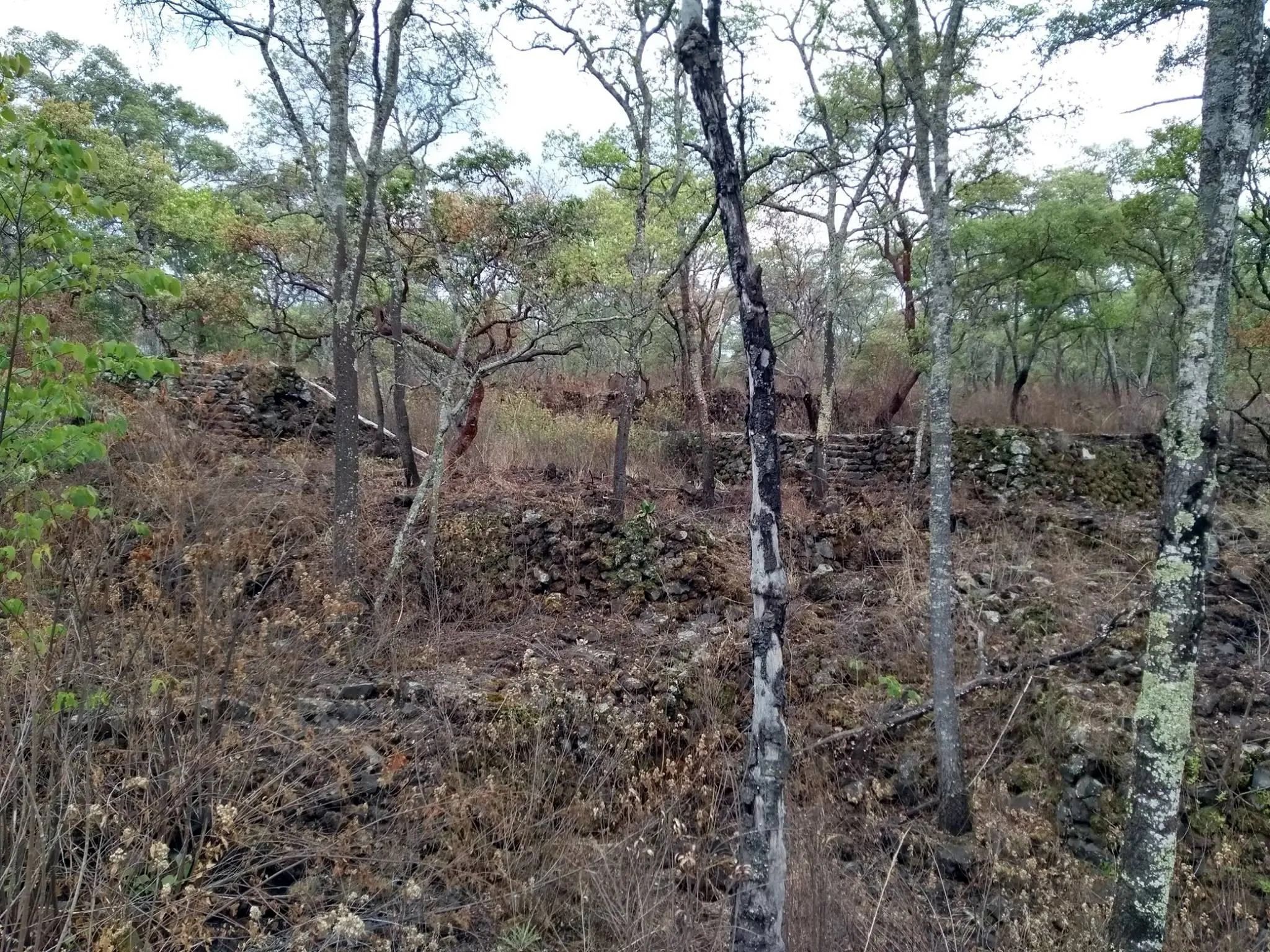
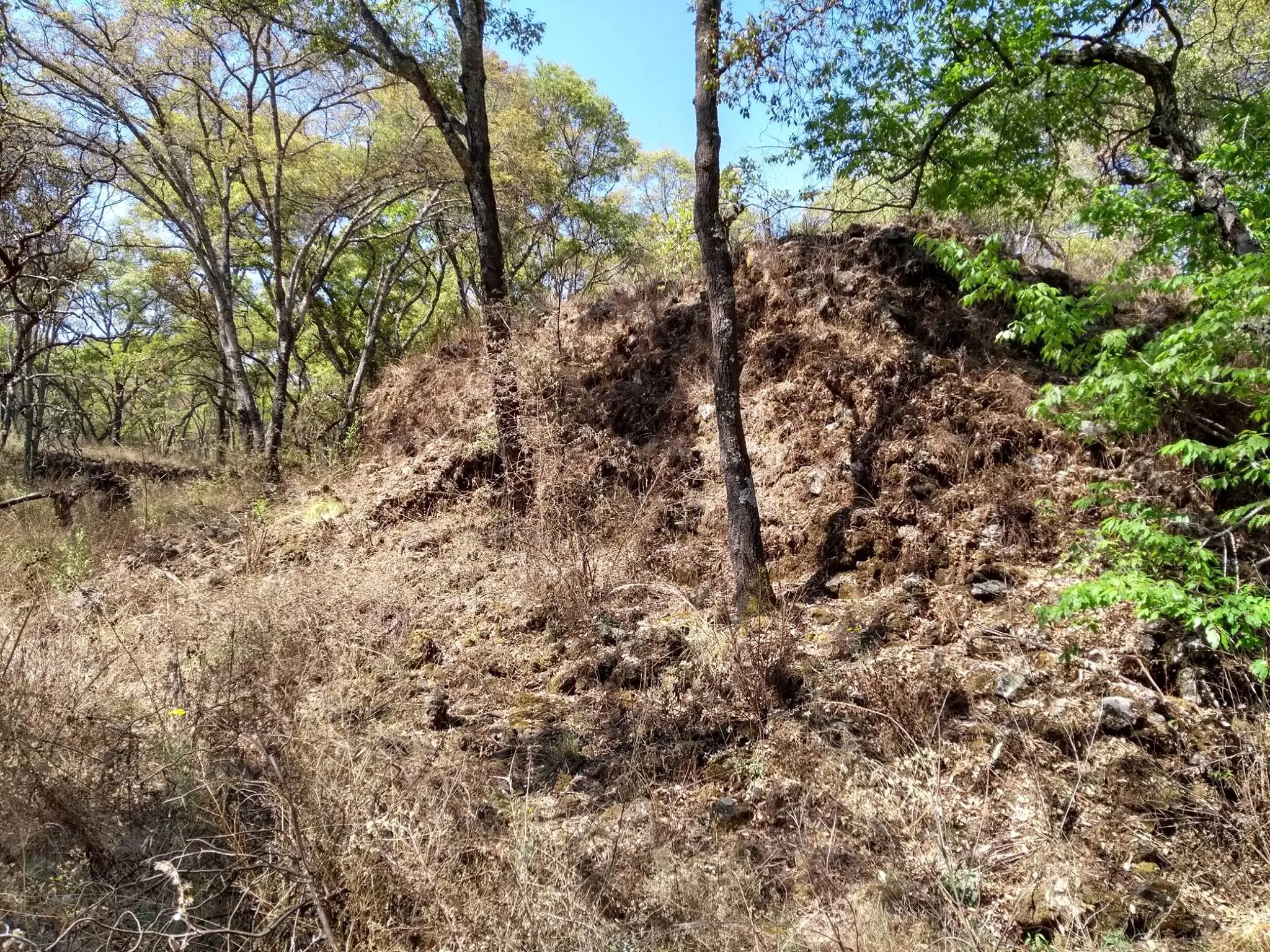
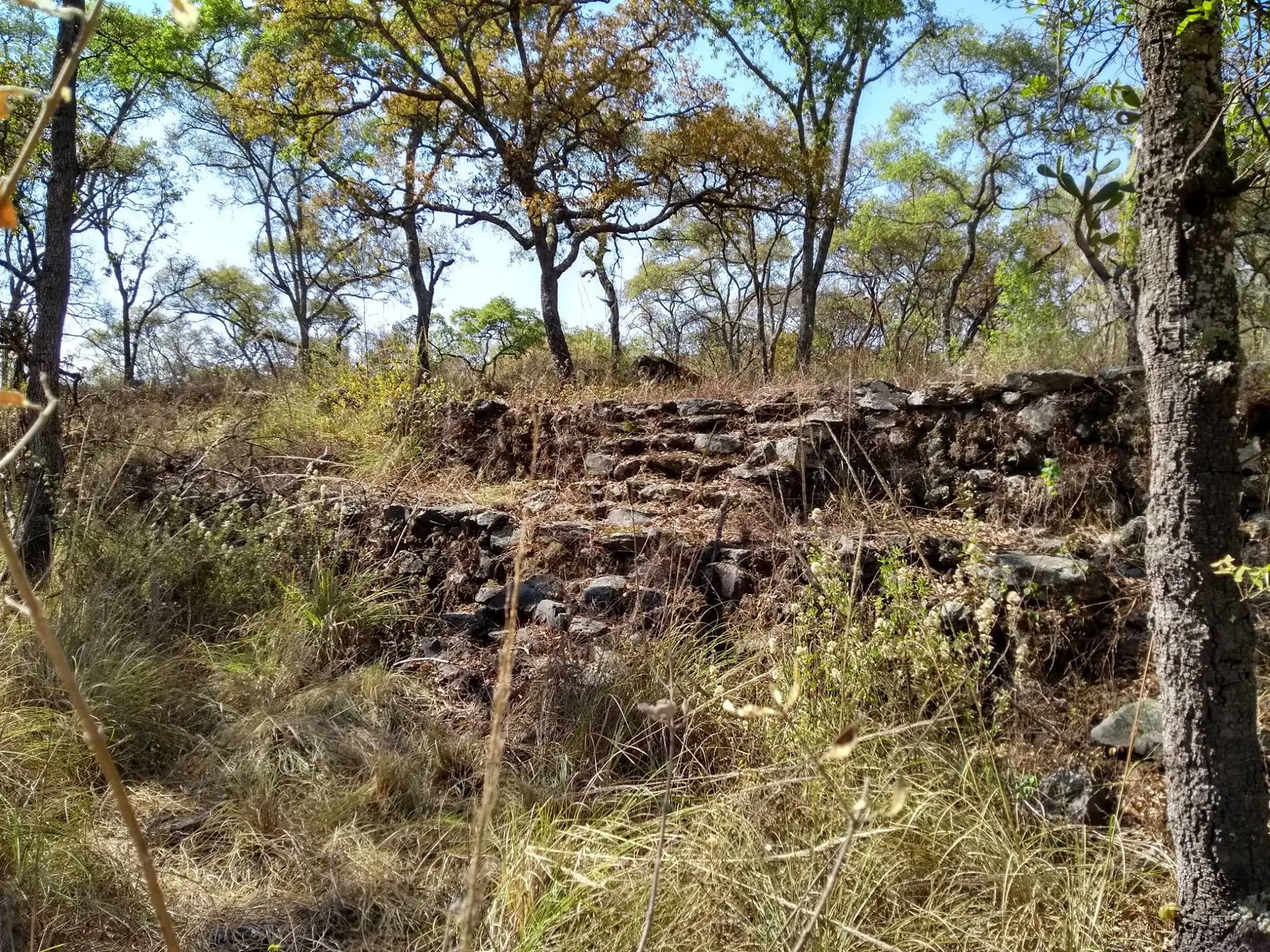
Popularly known as “The Lost City”, the archaeological site of Malpaís Prieto is a challenge to logic and a marvel of pre-Hispanic engineering. Built directly on the most recent volcanic flow of Malpaís, this settlement has no equal in Mesoamerica: its builders transformed a chaos of sharp rock into a functional city.
Engineering on the Volcano 🧱
What you will see here is the Milpillas Phase (1250-1450 AD) frozen in time.
Impossible Urbanism: In a land without flat soil or original vegetation, about 5,000 to 6,000 people lived in one of the highest densities of ancient times.
Total Adaptation: Through a massive system of terraces and leveling, they managed to build houses, plazas and temples on the black lava, creating a spectacular architectural landscape that has been remarkably well preserved as it is difficult terrain for modern agriculture.
The Cradle of the Empire 👑
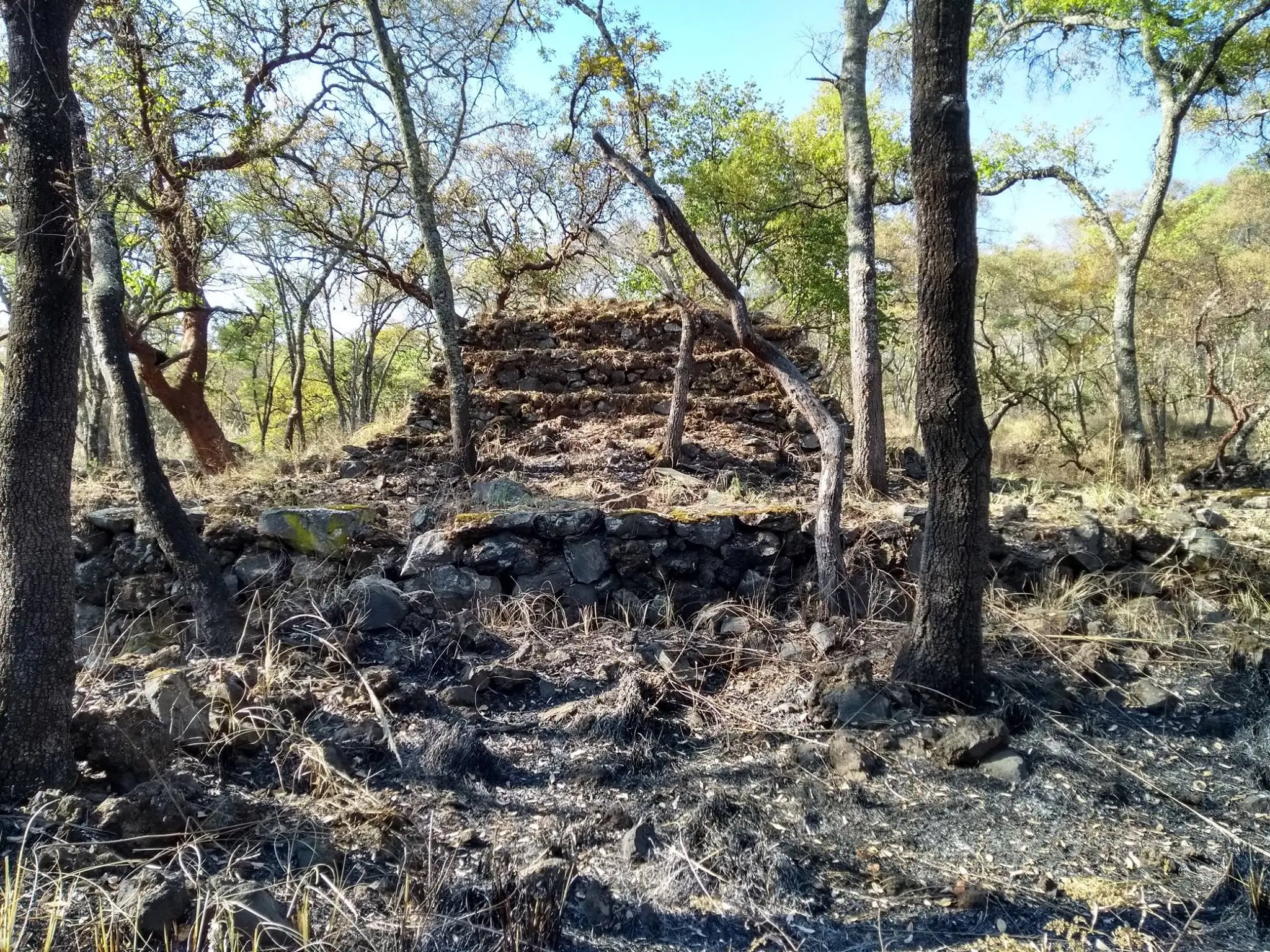
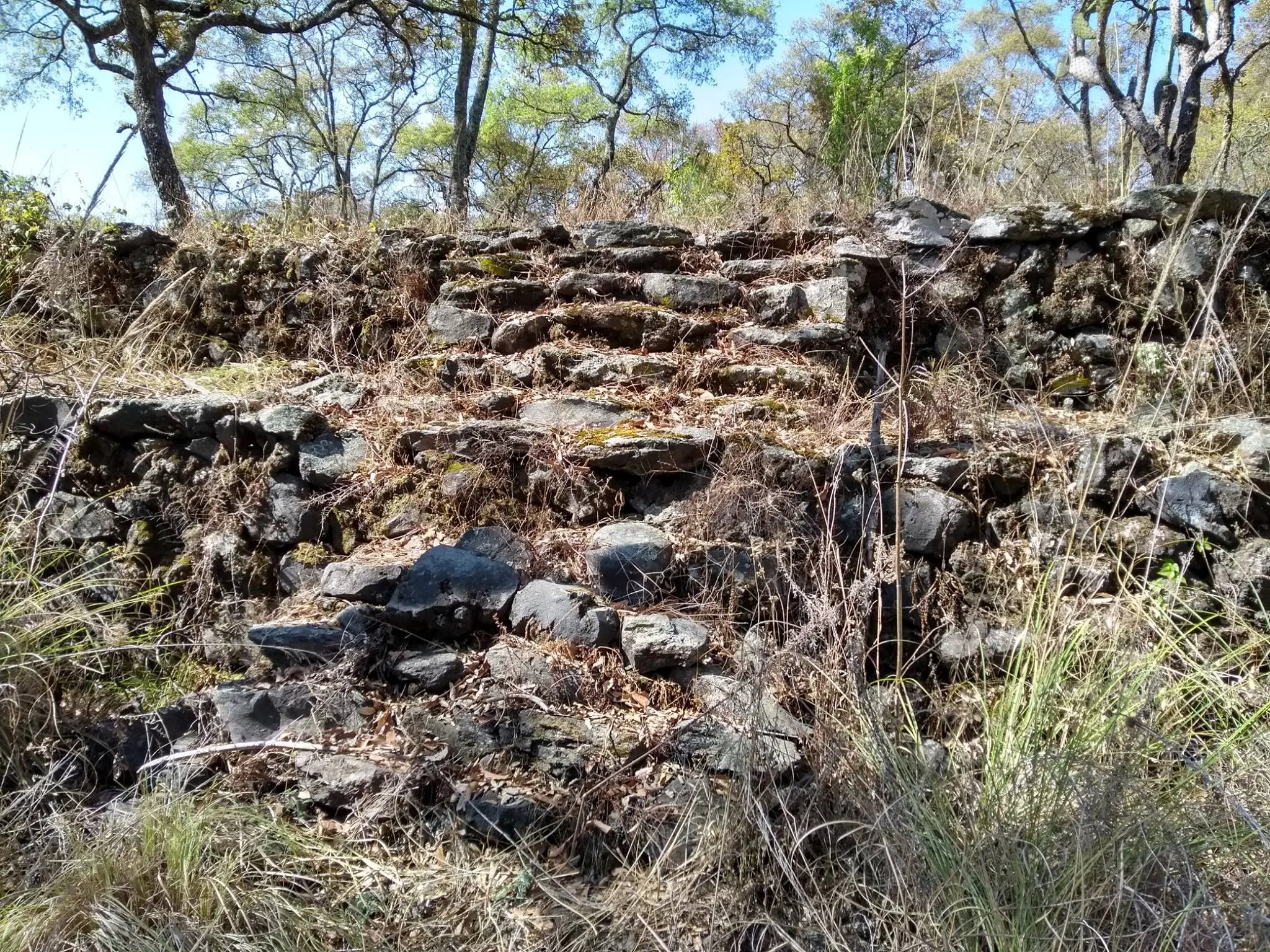
This place is key to understanding the history of Michoacán. Here the Uacúsechas (the lineage of the Eagles) settled, the precursors who, after consolidating their power in these mountains of fire, would descend years later towards Lake Pátzcuaro to found the powerful Tarascan Kingdom. Recent excavations (carried out since 2013 by CEMCA, UNAM and INAH) have brought to light impressive finds: from a pyramid with 13 steps and human burials, to ceramics and copper objects that demonstrate the sophistication of this “lost city.”
🌟 Our Recommendation
High level archaeological adventure.
Go with a Guide: El Malpaís is a labyrinth of volcanic rock. It's very easy to get lost or hurt between the cracks. Hiring a certified local guide in Zacapu is essential for safety and to understand what you are seeing.
Rough Footwear: Forget sandals or thin-soled tennis shoes. You need hiking boots; The volcanic rock is sharp and the terrain is uneven.
Best Time: Visit early in the morning. The sun hits the black stone hard at noon and the temperature rises considerably.
 EN
EN  ES
ES