
 MAP
MAP SEARCH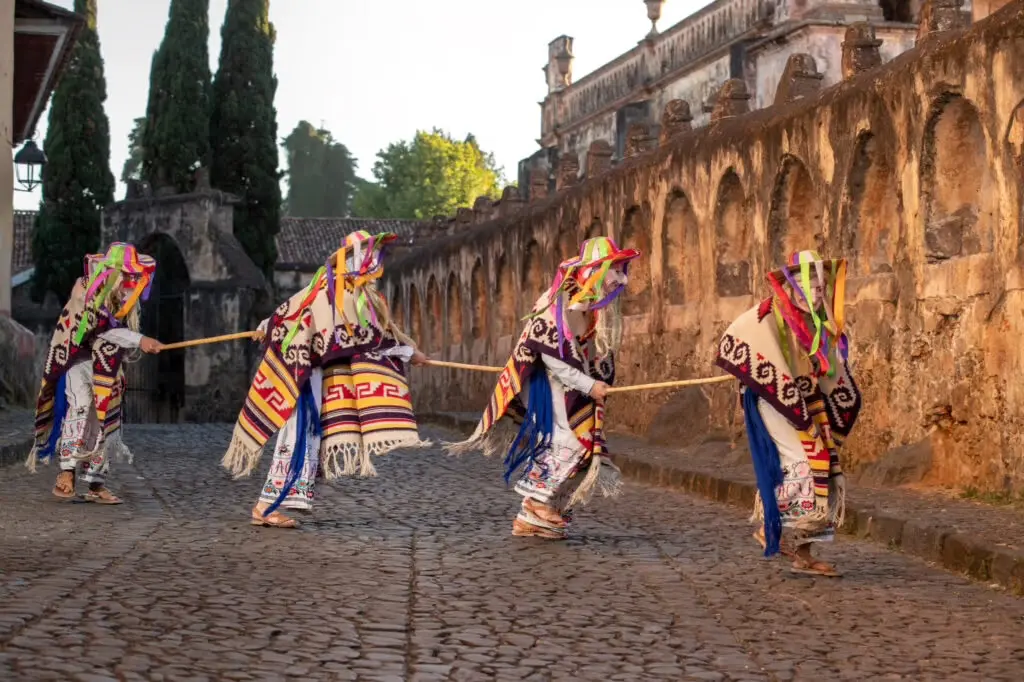
Adress
Jarácuaro, Michoacán, México.
GPS
19.560154721391, -101.67834877968
KNOW MORE PLACES
VISITA OTRAS LOCALIDADES
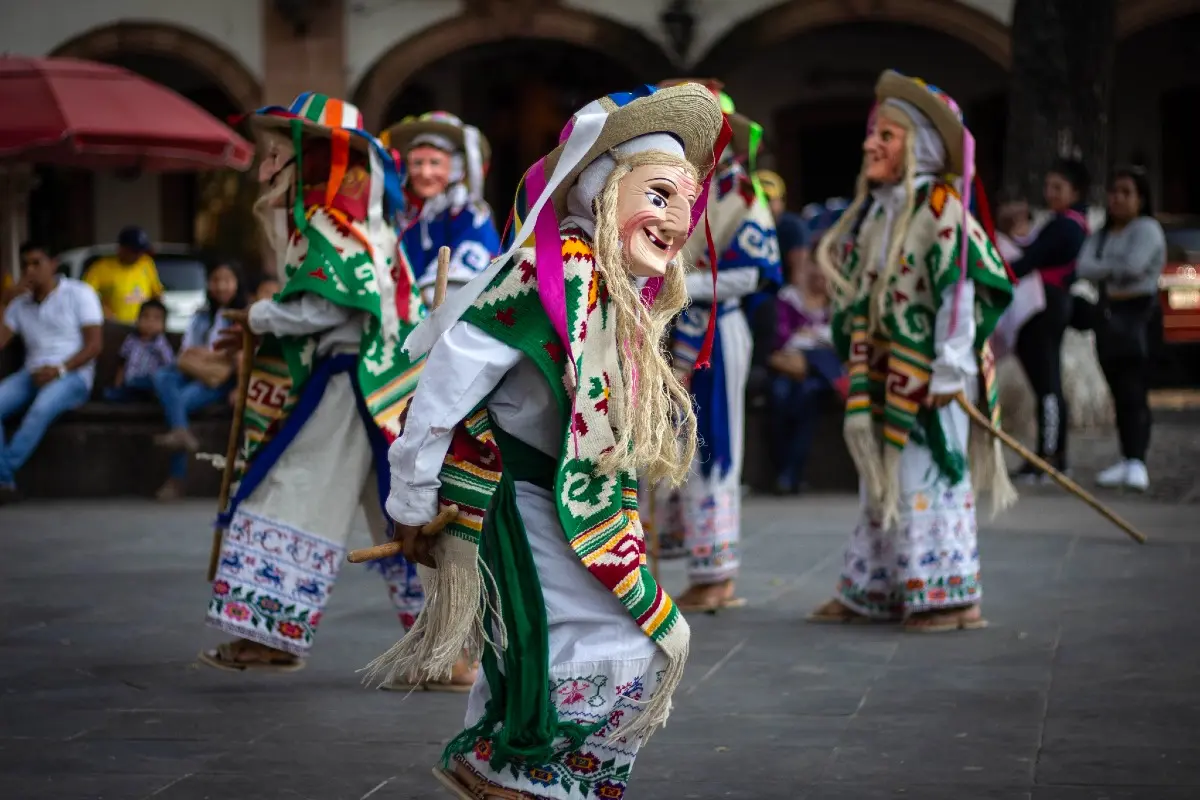
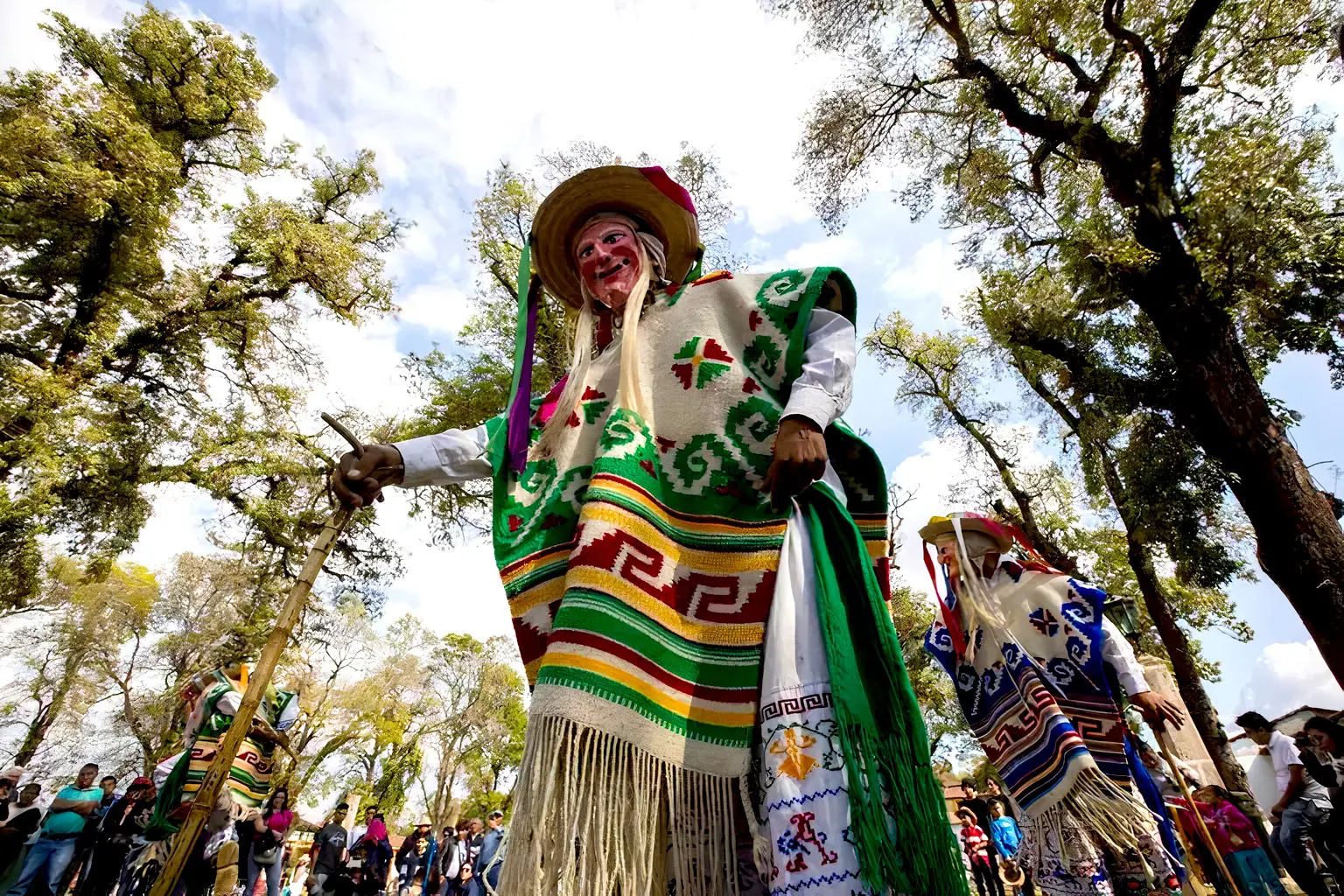
It is, perhaps, the most recognized icon of Michoacán in the world. But the Dance of the Old Men (T’arhe Uarhukua) is much more than a folkloric spectacle; it is a prayer in motion born in this land, specifically in Jarácuaro.
Originally, this dance was not for entertainment, but to give thanks. In pre-Hispanic times, four wise elders (shamans) danced in honor of the Sun God (Tata Jurhiata) and the Old God, marking the change of seasons, the solstices and the equinoxes.
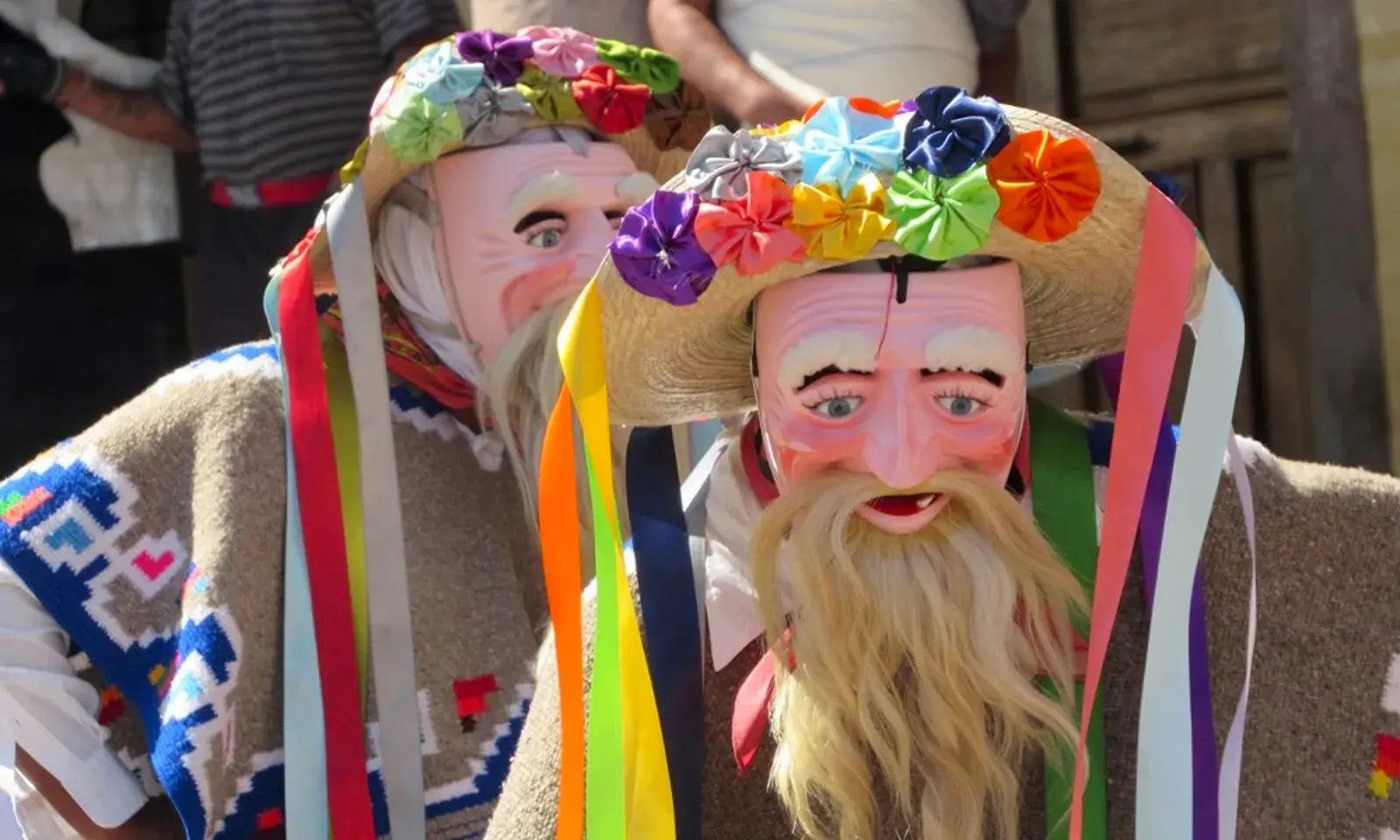
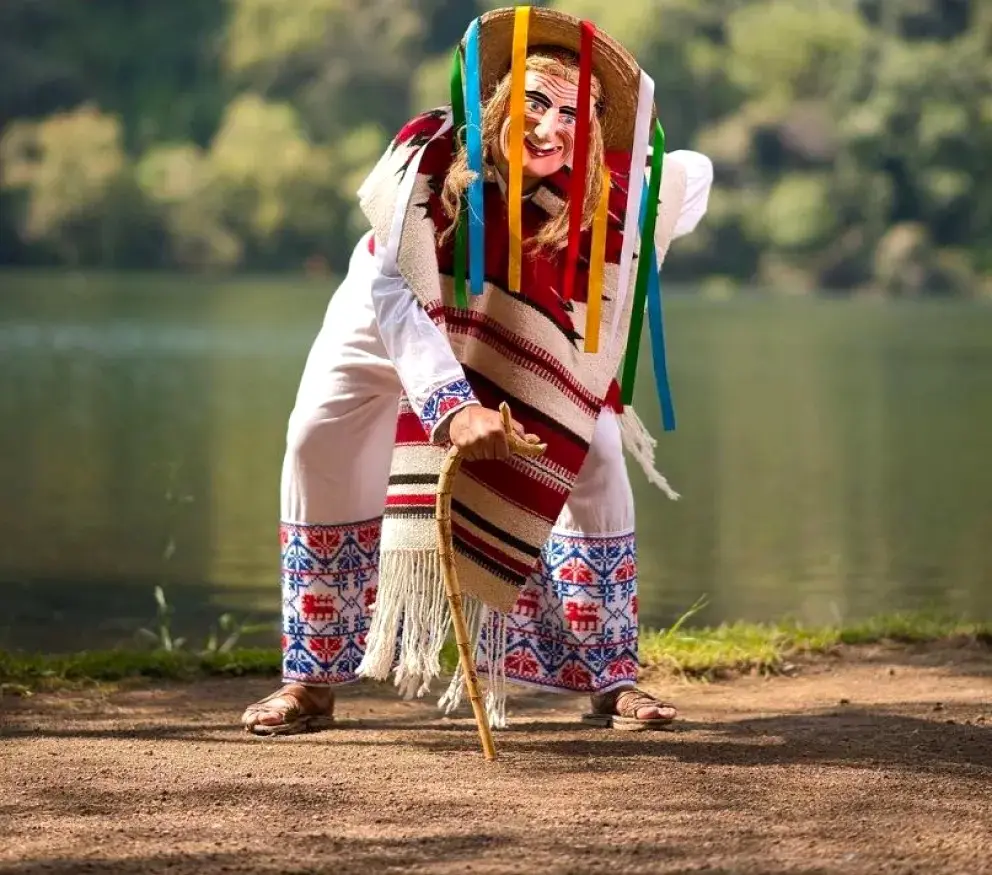
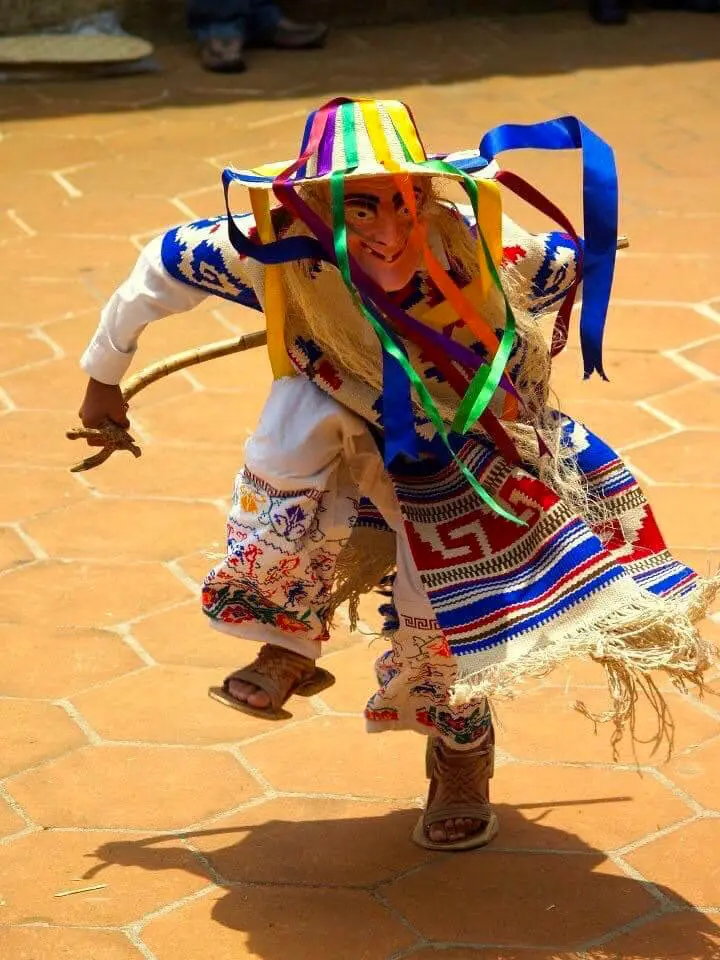
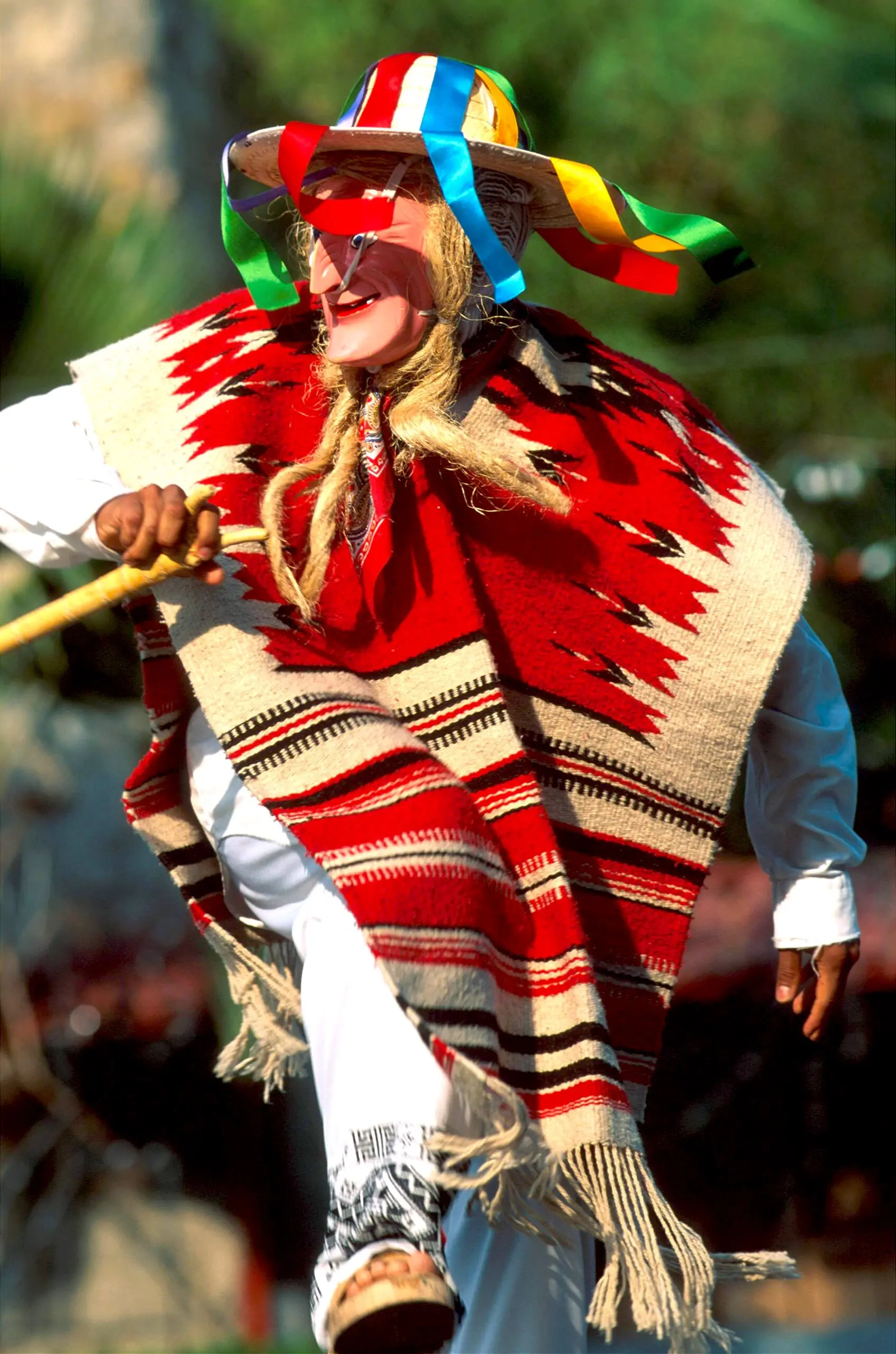
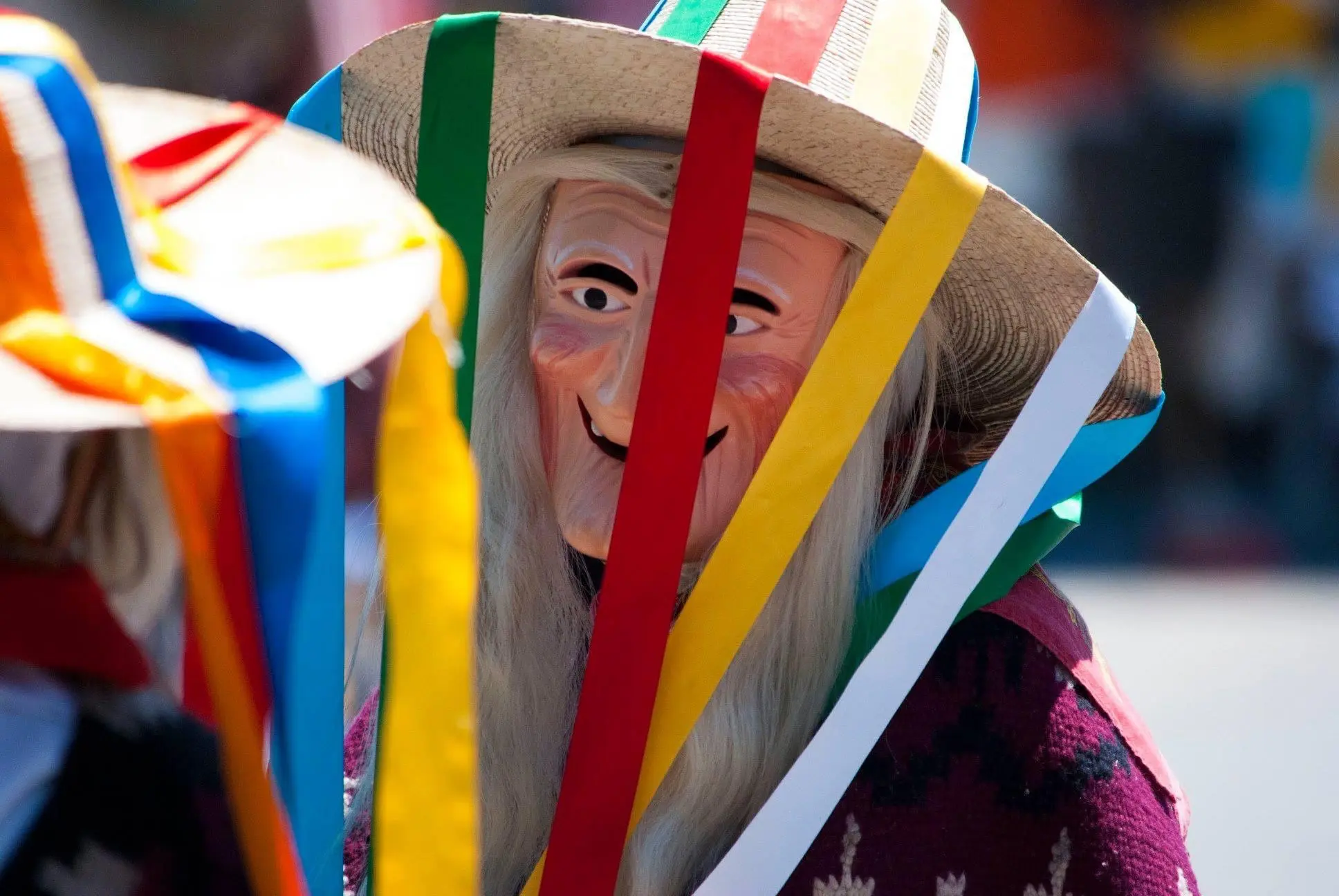
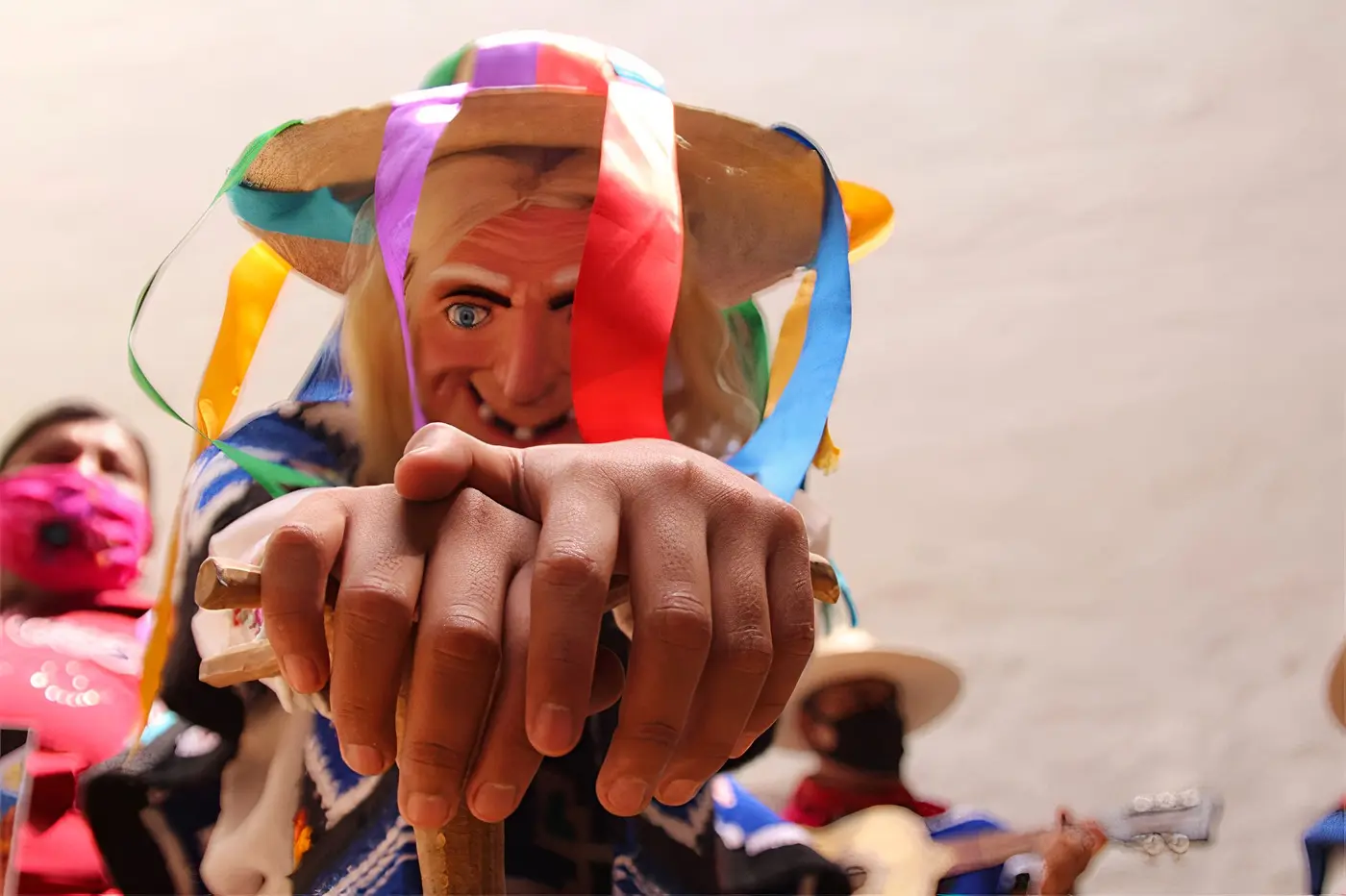
🌽 The Secret in the Hat Nothing about their clothing is accidental. Notice the ribbons hanging from their hats:
They represent the rays of the sun.
Its colors are not decorative; they symbolize the four colors of sacred corn (Red, Blue, Yellow and White), the sustenance of life in Mesoamerica.
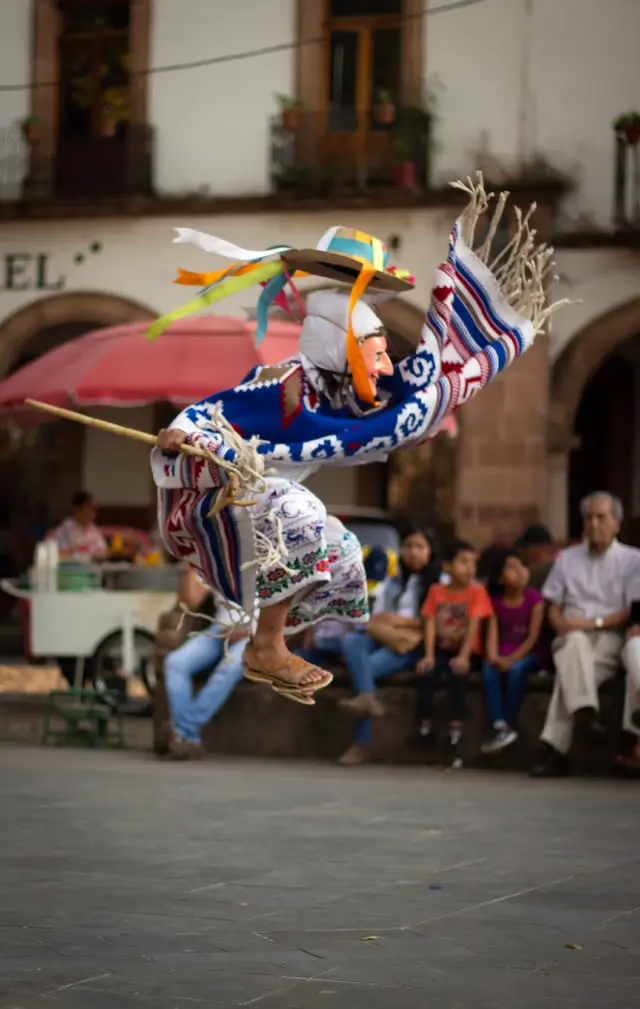
⚔️ Mockery and Resistance With the arrival of the Spanish, dance was transformed into an act of intelligent rebellion. It is said that the Purépecha noticed that the European colonists aged faster and complained of aches and pains. Thus, dance became a humorous cartoon: hunched over and coughing at first, but later demonstrating inexhaustible vigor with their footwork, mocking the fragility of the conqueror and reaffirming the strength of the indigenous race.
🎶 The Sound of Wood Today, seeing them is a celebration. To the rhythm of the Pirekuas (Traditional songs) played with violin and guitar, the dancers strike the ground with wooden-soled huaraches. That rhythmic sound is the heartbeat of an identity taught from the cradle: in Jarácuaro, children learn to stomp before they learn to run.
👉 Do you want to know the whole story? This dance holds profound secrets about astronomy and social resistance. We've prepared a detailed article on our sister site. 🔗 [Read the Deep History and Hidden Meaning of the Dance of the Old Men in Experiencia Pátzcuaro]
 EN
EN  ES
ES