
 MAP
MAP SEARCH
Adress
Portugal s/n, Centro, 61600 Pátzcuaro, Michoacán, México.
GPS
19.512500127324, -101.60797834396
Phone
Web
Monday
06:00 – 19:00
Tuesday
06:00 – 19:00
Wednesday
06:00 – 19:00
Thursday
06:00 – 19:00
Friday
06:00 – 19:00
Saturday
06:00 – 19:30
Sunday
06:00 – 12:00
KNOW MORE PLACES
VISITA OTRAS LOCALIDADES
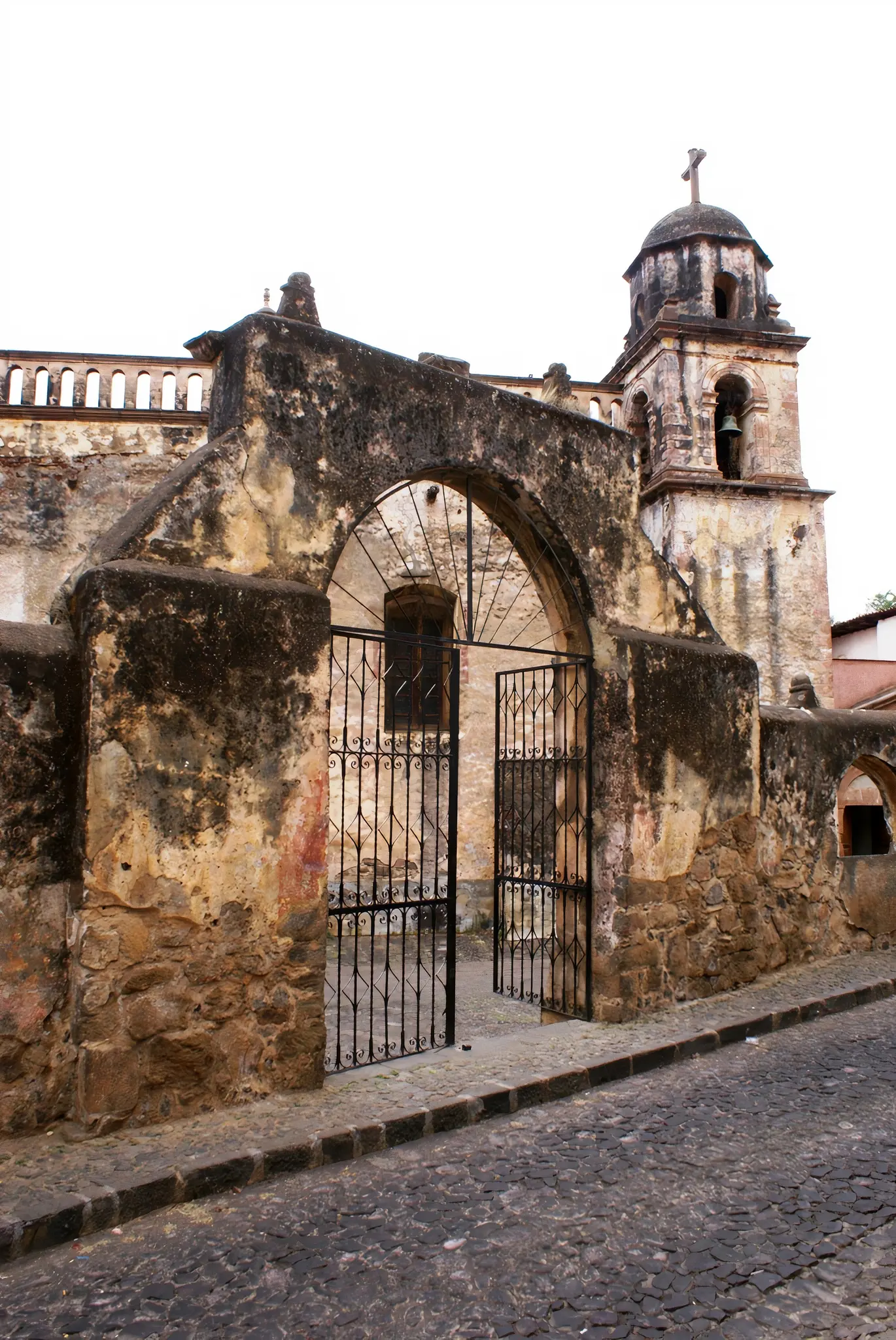
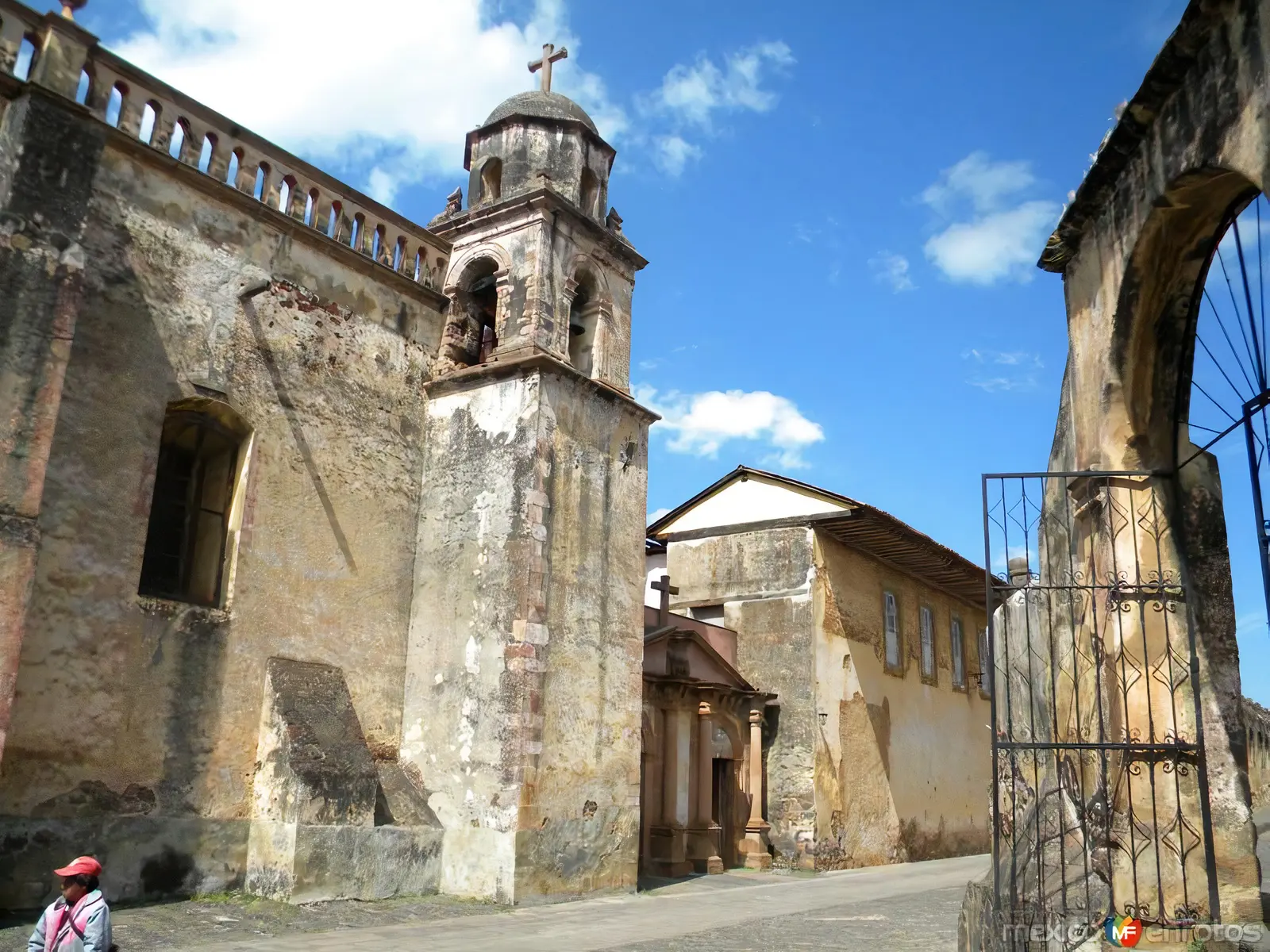
The Tabernacle (Hospital of Santa Marta): The First Refuge of Faith
A Building with Many Names This building is known by various names: Santa Marta Hospital, Chapel of the Tabernacle, or the old Parish Church. This multitude of titles reflects its long history of service.
Founded by Don Vasco de Quiroga between 1536 and 1540, this was one of the first “Hospital-Towns” (along with Santa Fe de la Laguna). Its original mission was to provide material aid and spiritual comfort to the Purépecha indigenous people, following the bishop's social utopia.
The Guardian of the Virgin (1717-1908) Perhaps the most poignant fact about this place is that it served as the home of the venerated image of the Virgin of Health for almost two centuries. Due to the precarious conditions of the old Cathedral (today Basilica), the image was moved to this temple for its protection. Here it remained for 191 years, receiving the prayers of generations of Patzcuaro residents, until in 1908 it triumphantly returned to its current throne in the restored Basilica.
Architecture: A Historical Puzzle The building we see today formally began in 1603, but is the result of centuries of additions:
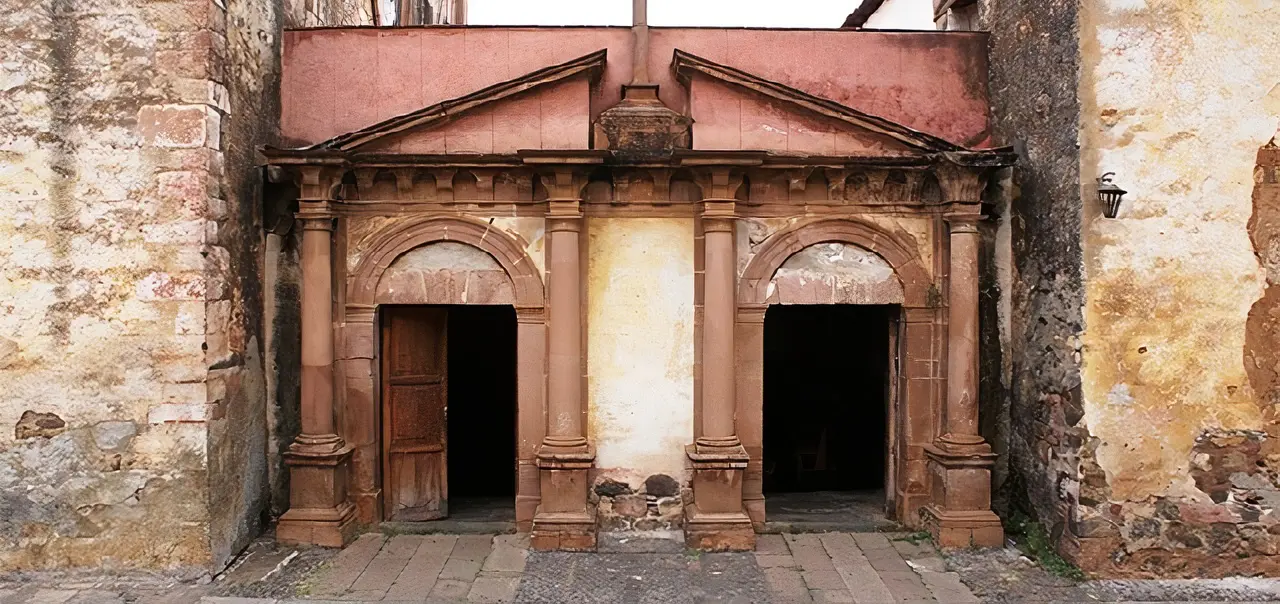
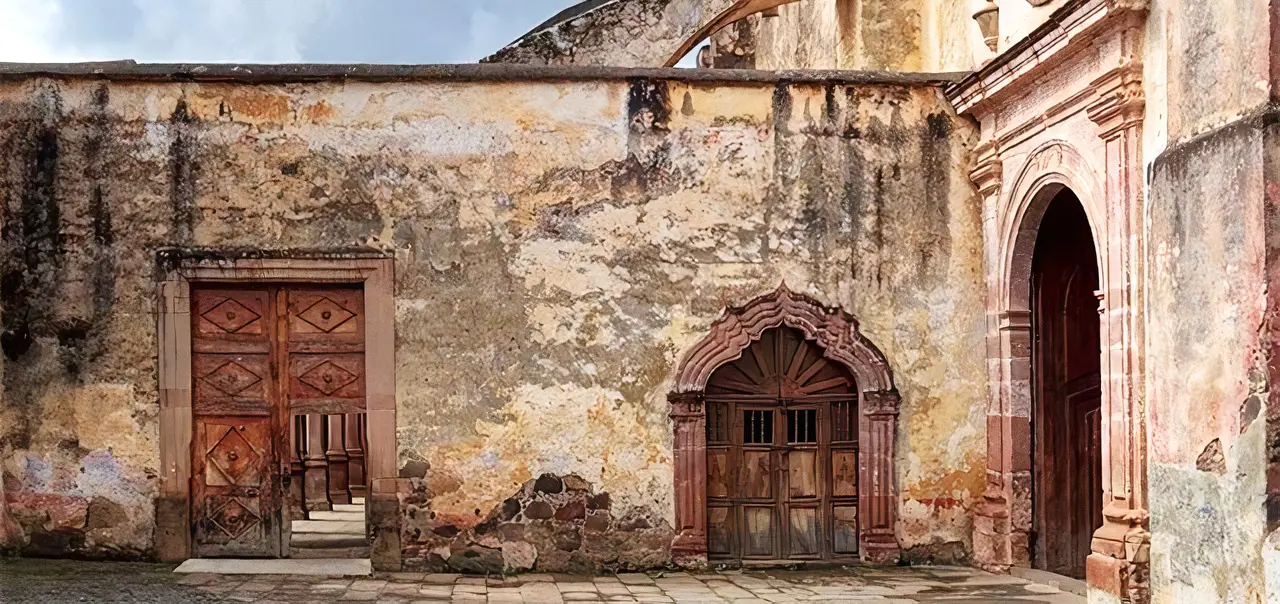
The Mudéjar Influence: If you look at the arch of the main door, you will notice shapes reminiscent of Arab-Spanish art, a distinctive feature of the region's early buildings.
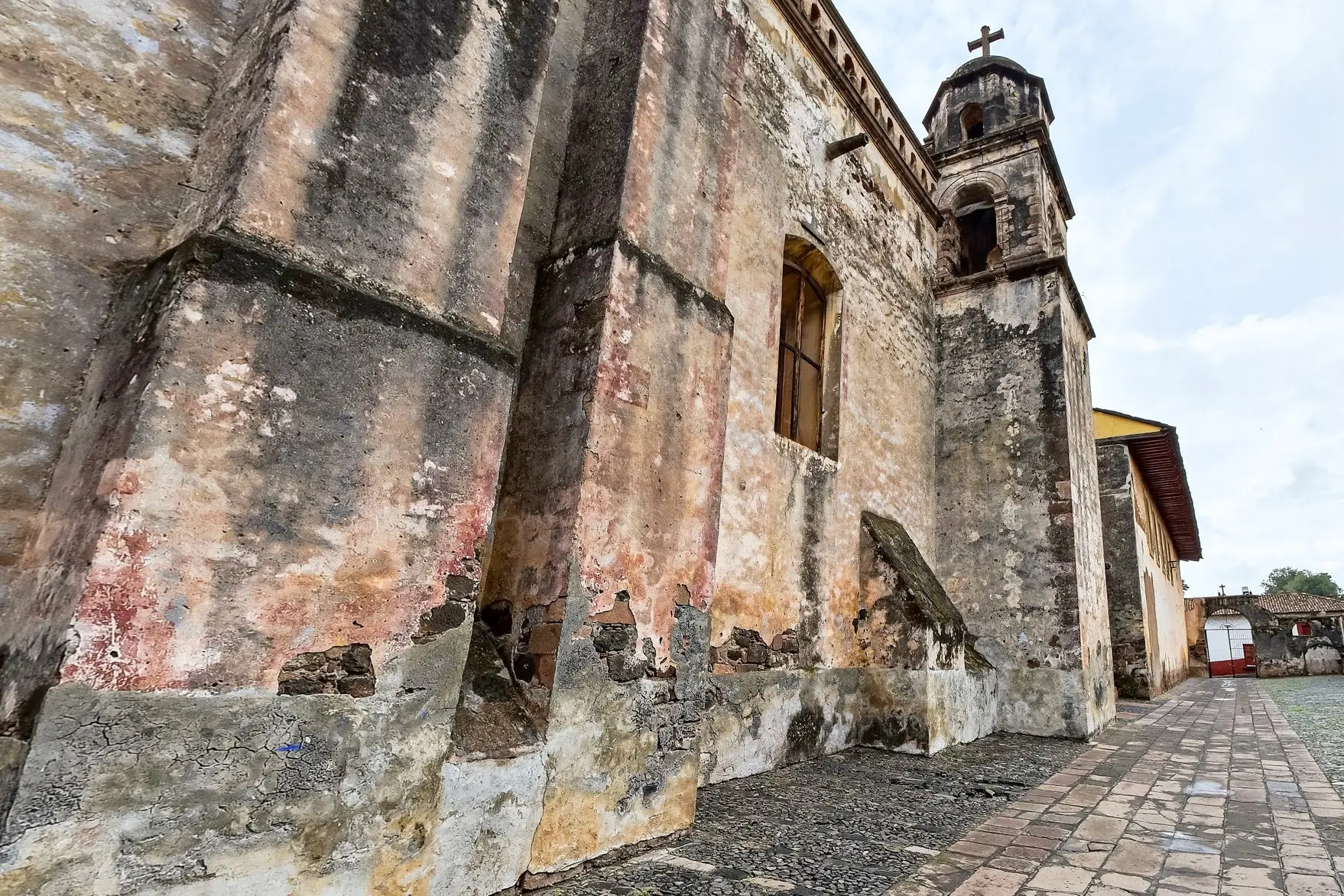
The “Strange” Entrance: The building has a side entrance attached to the facade in an unusual way. This is because, during the 19th century, the construction of the neighboring school encroached on the original space, forcing modifications to the sacred architecture.
Buttresses: The robust lateral supports date from the 17th century, designed to withstand earthquakes in the area.
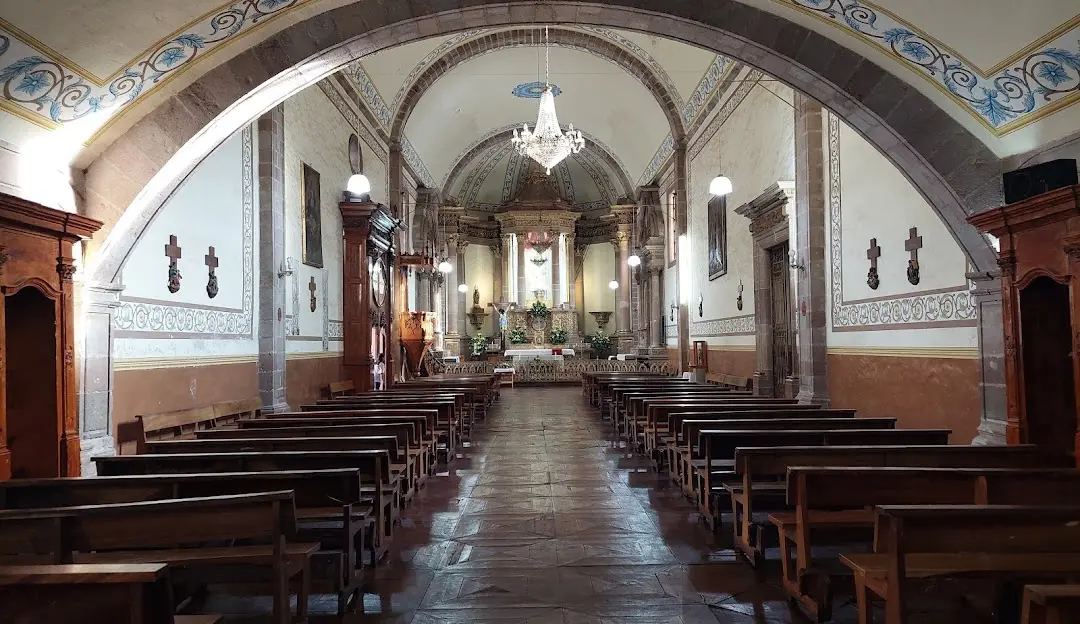
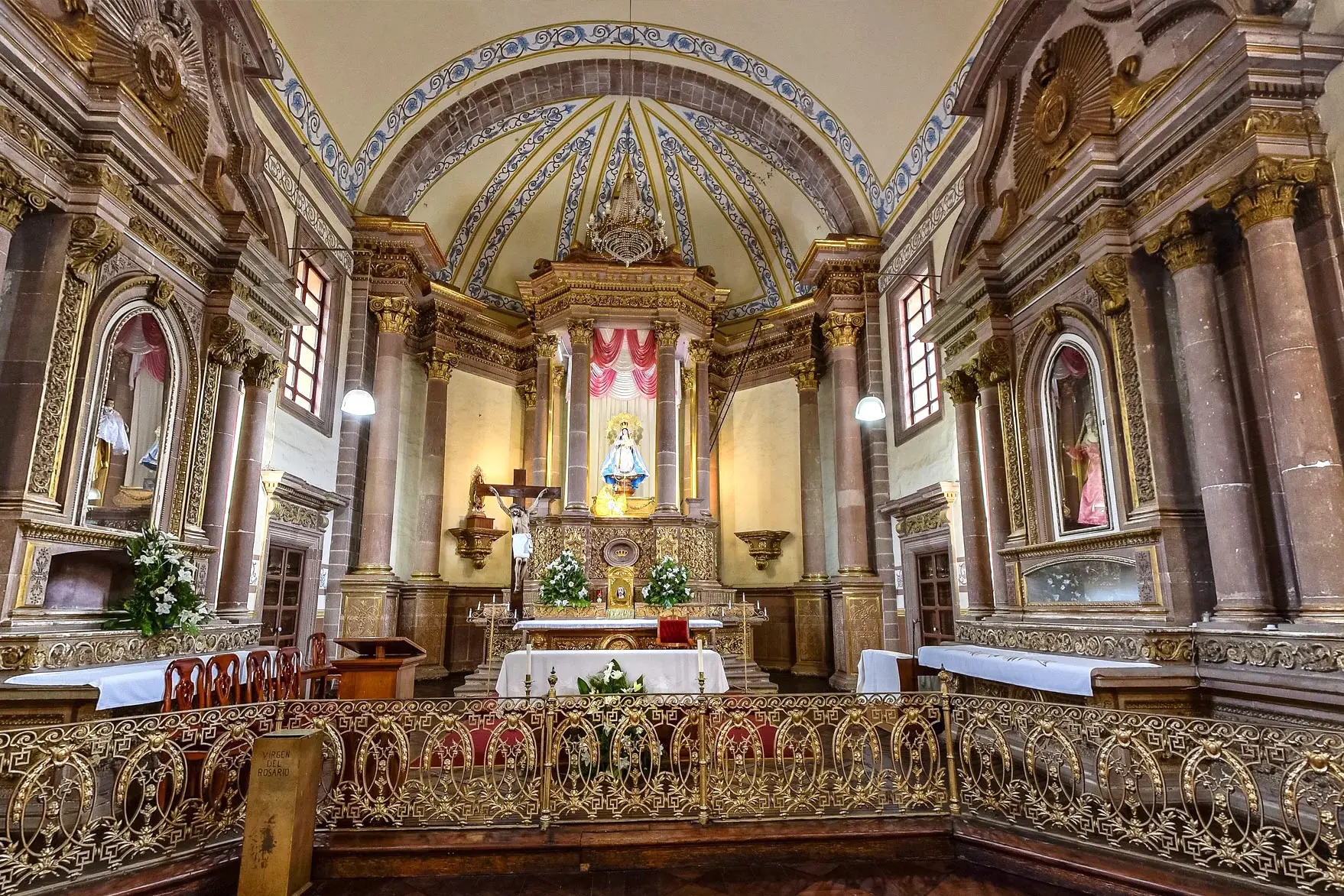
The Baroque Treasure: A Unique Altar The austere exterior deceives the visitor. Upon crossing the threshold, a jewel of sacred art is revealed: a Mixed Baroque altarpiece (combining painting and sculpture), something very rare in the area.
Dedicated to Our Lady of Sorrows, this altar visually narrates Mary's lineage. In its paintings and niches you can identify:
To the Virgin with the Child and Saint Joseph.
At the base, to the grandparents of Jesus: Saint Joachim and Saint Anne.
But what truly steals the show are its Estípite columns. Introduced by the architect Churriguera, these columns are shaped like inverted pyramids (narrower at the bottom and wider at the top), creating a sense of movement and apparent fragility that defines the most exquisite Mexican Baroque.
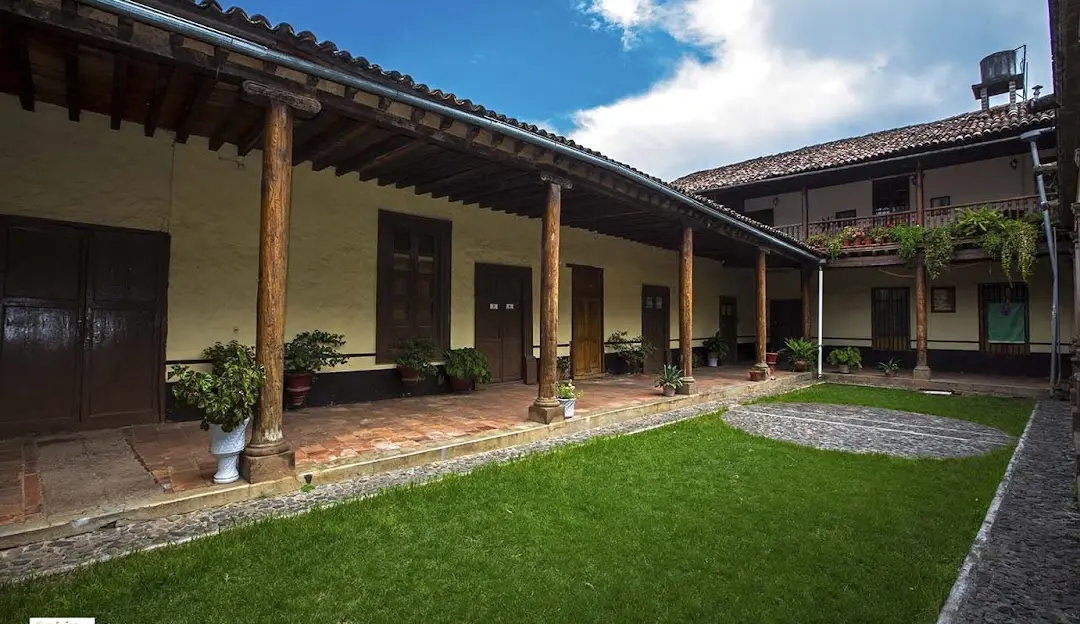
The Surroundings: Lerín Street and the Nuns The Sagrario is not alone. On the adjacent land, the Dominican nuns (Catarinas) built their convent in 1747, in what we know today as the famous House of the Eleven Courtyards. Upon leaving the church, heading east (opposite the Basilica), stop to admire the arcade of Lerín Street (Portal de la Era) and look for the old fountain embedded in the north wall, a vestige that has quenched the thirst of passersby since the building's founding.

 EN
EN  ES
ES