
 MAP
MAP SEARCH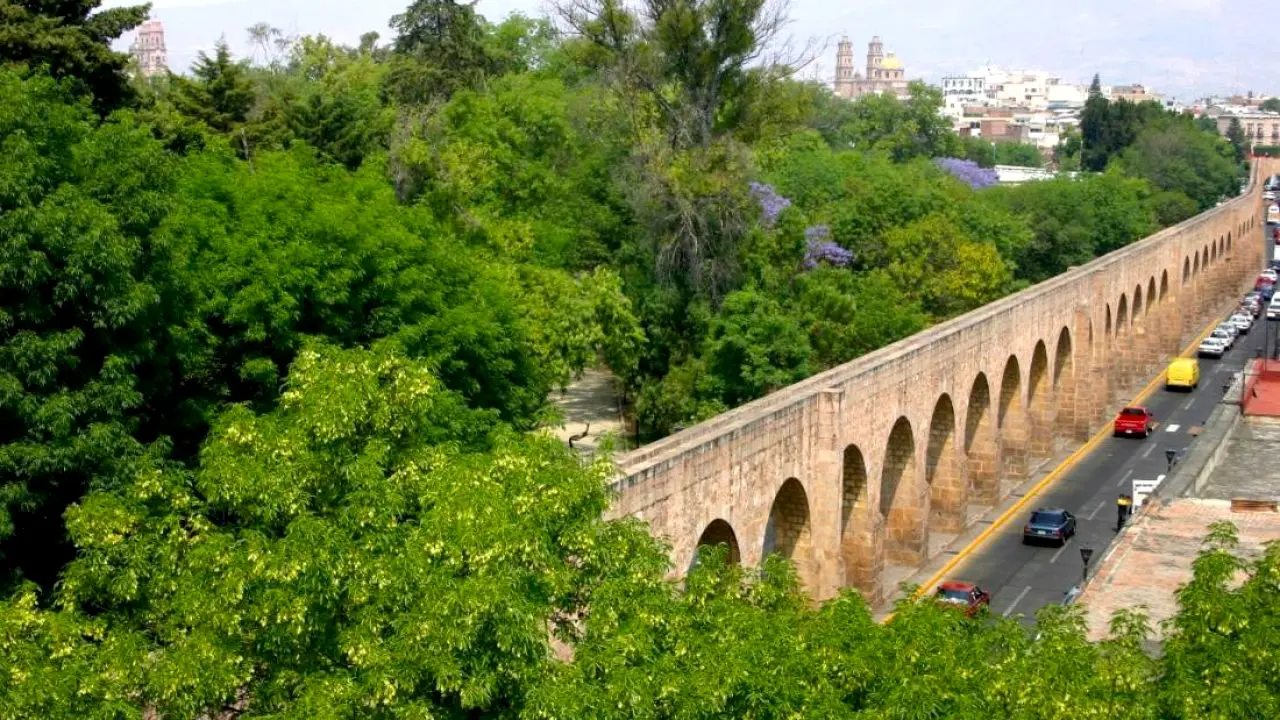
Adress
Av. Acueducto , 58260 Morelia, Michoacán, México.
GPS
19.69667286445, -101.16824626923
KNOW MORE PLACES
VISITA OTRAS LOCALIDADES
🏛️ The Homegrown Giant Who Saved a City 💧
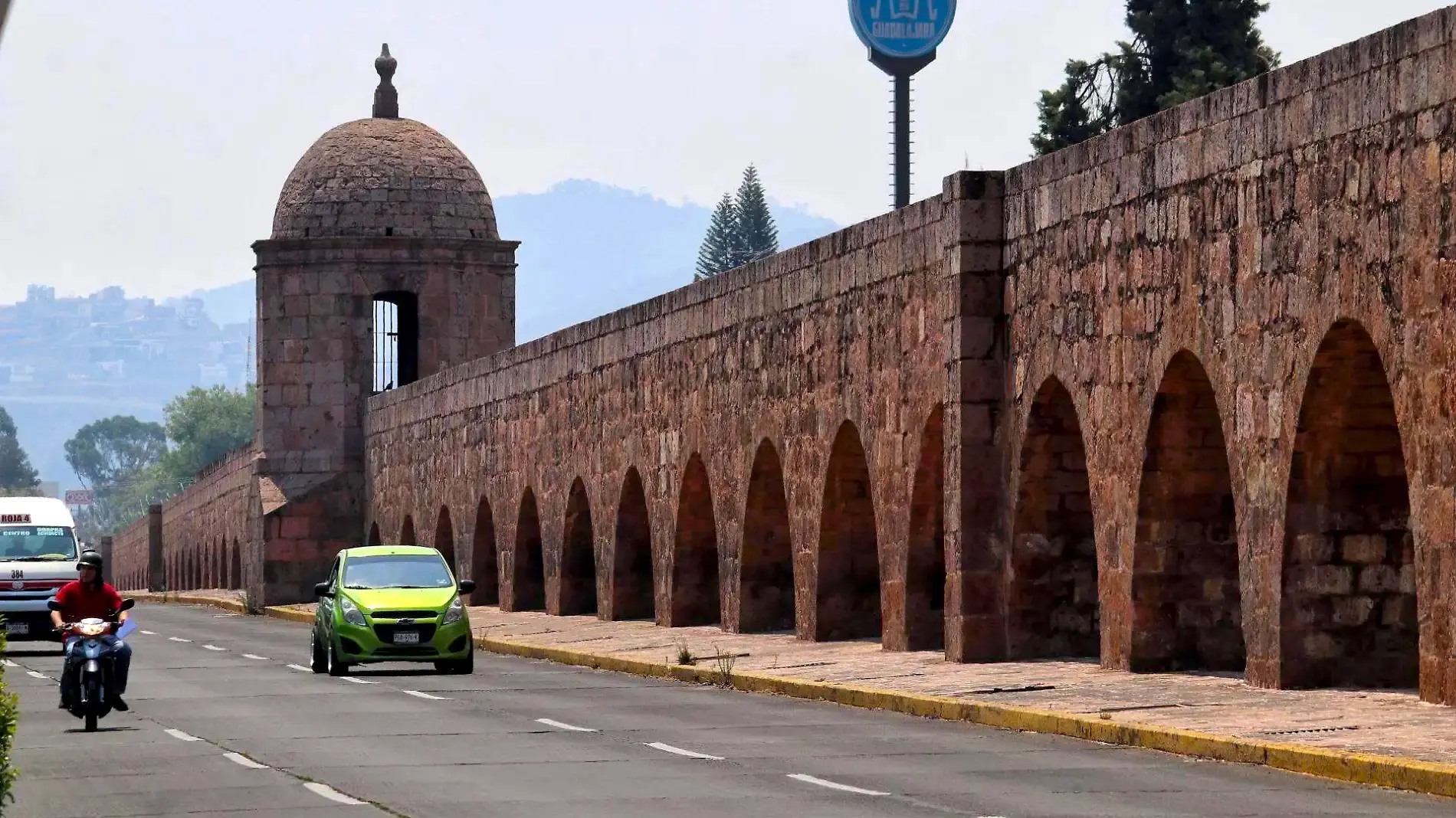
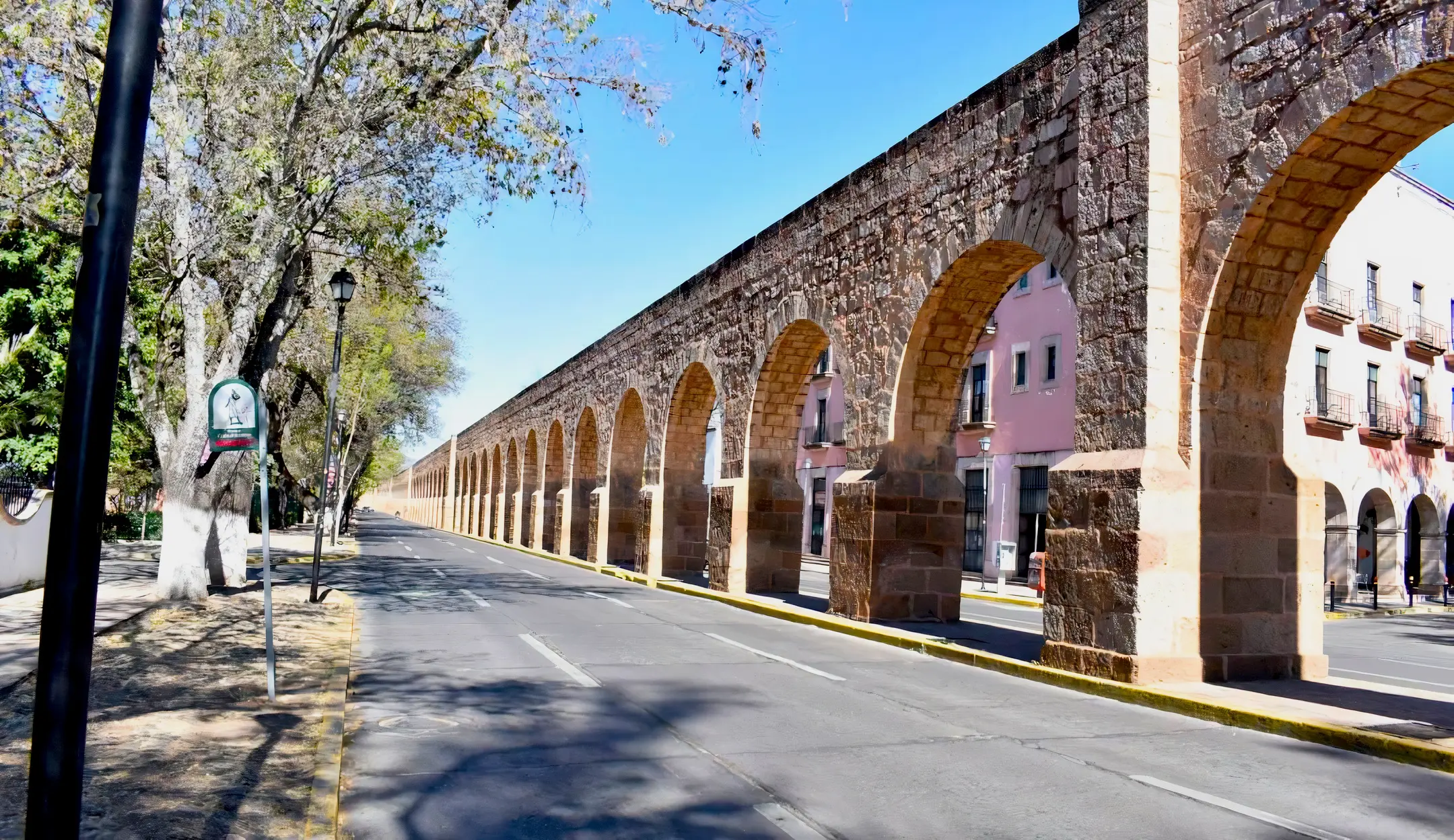
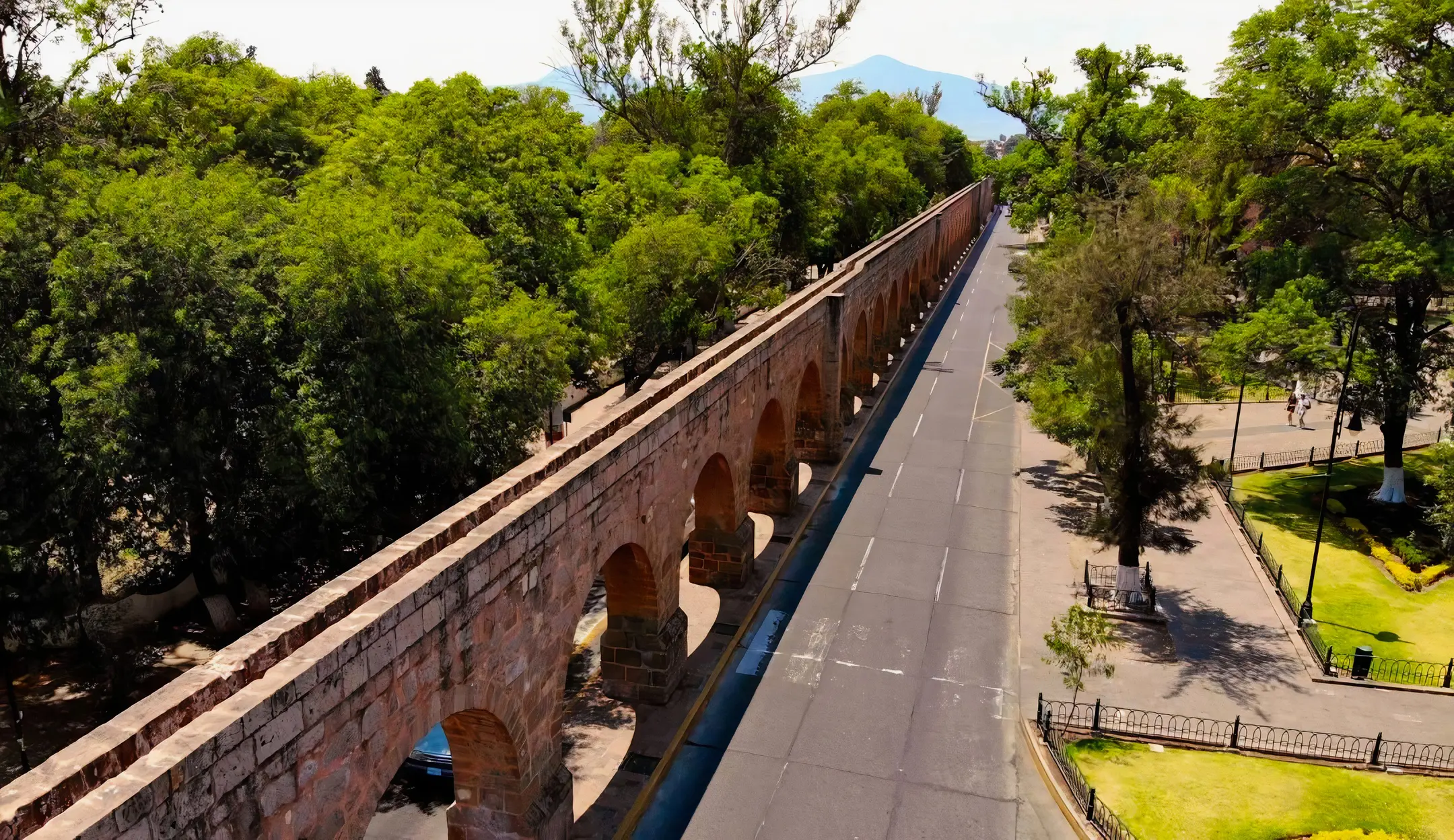
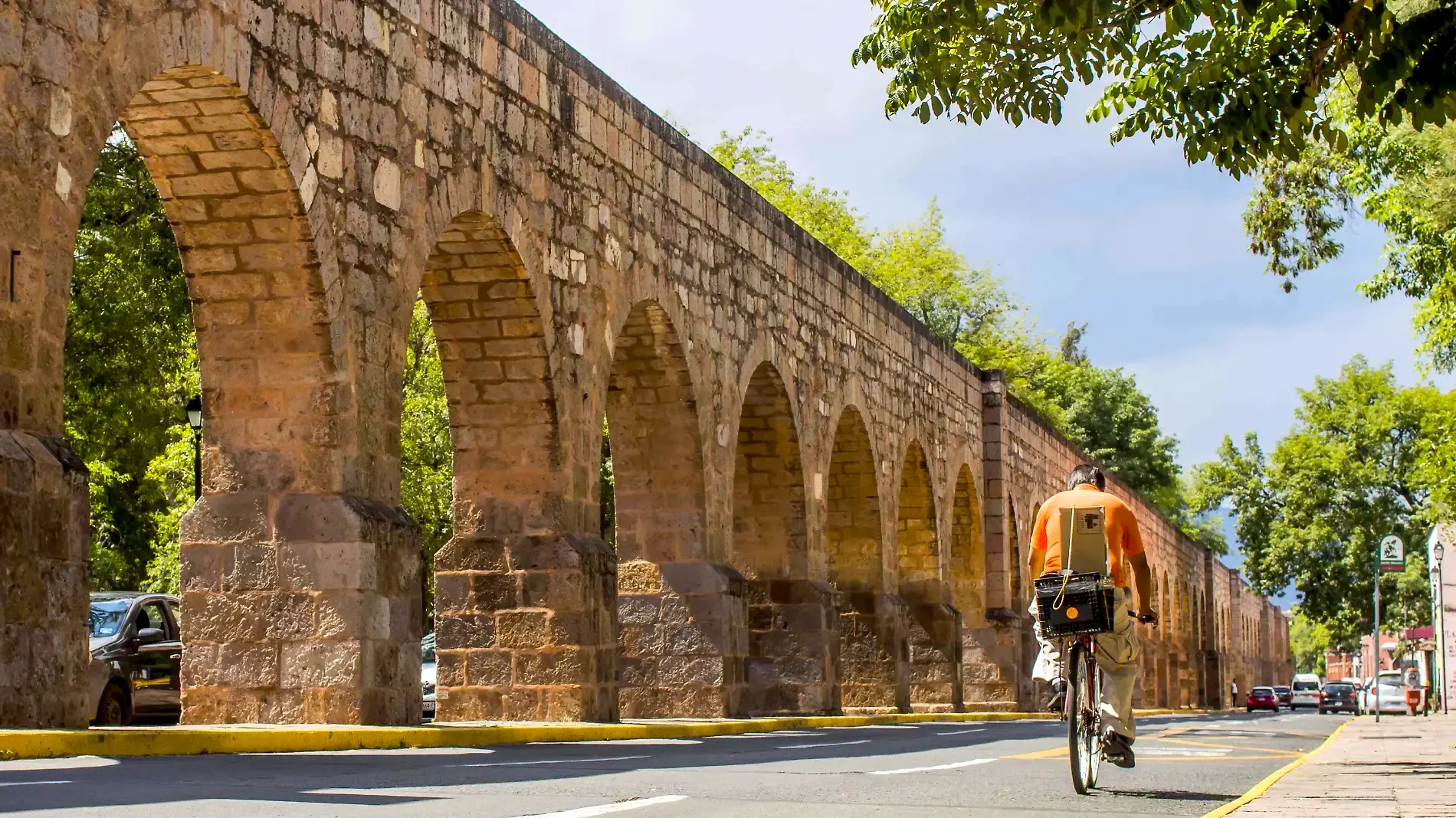
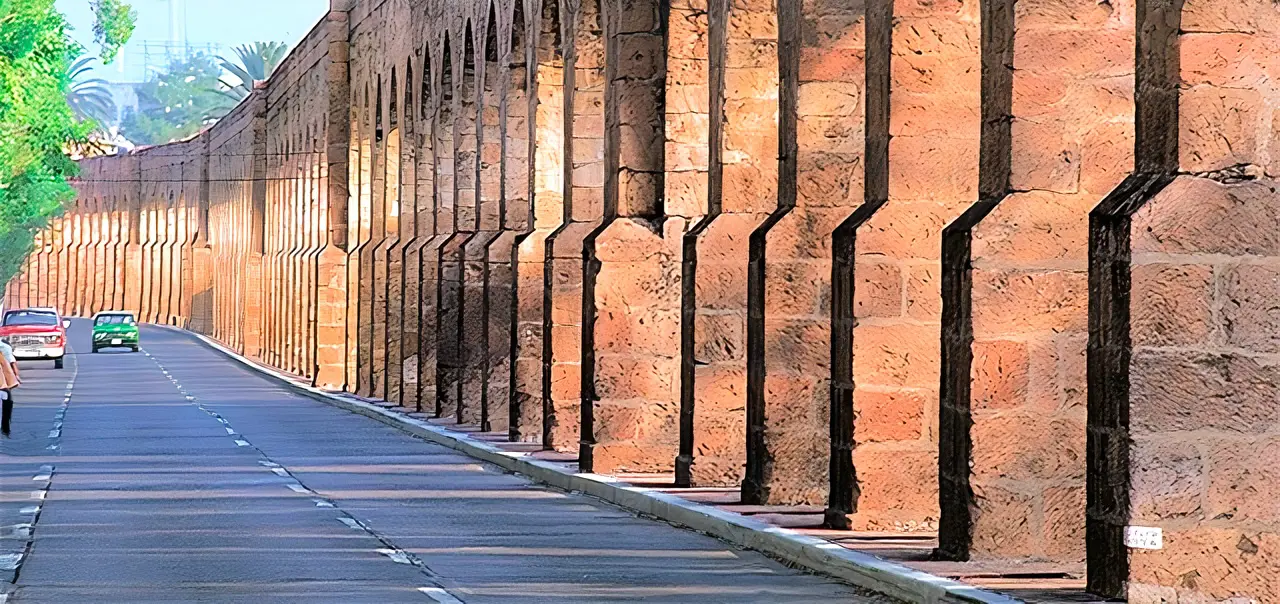
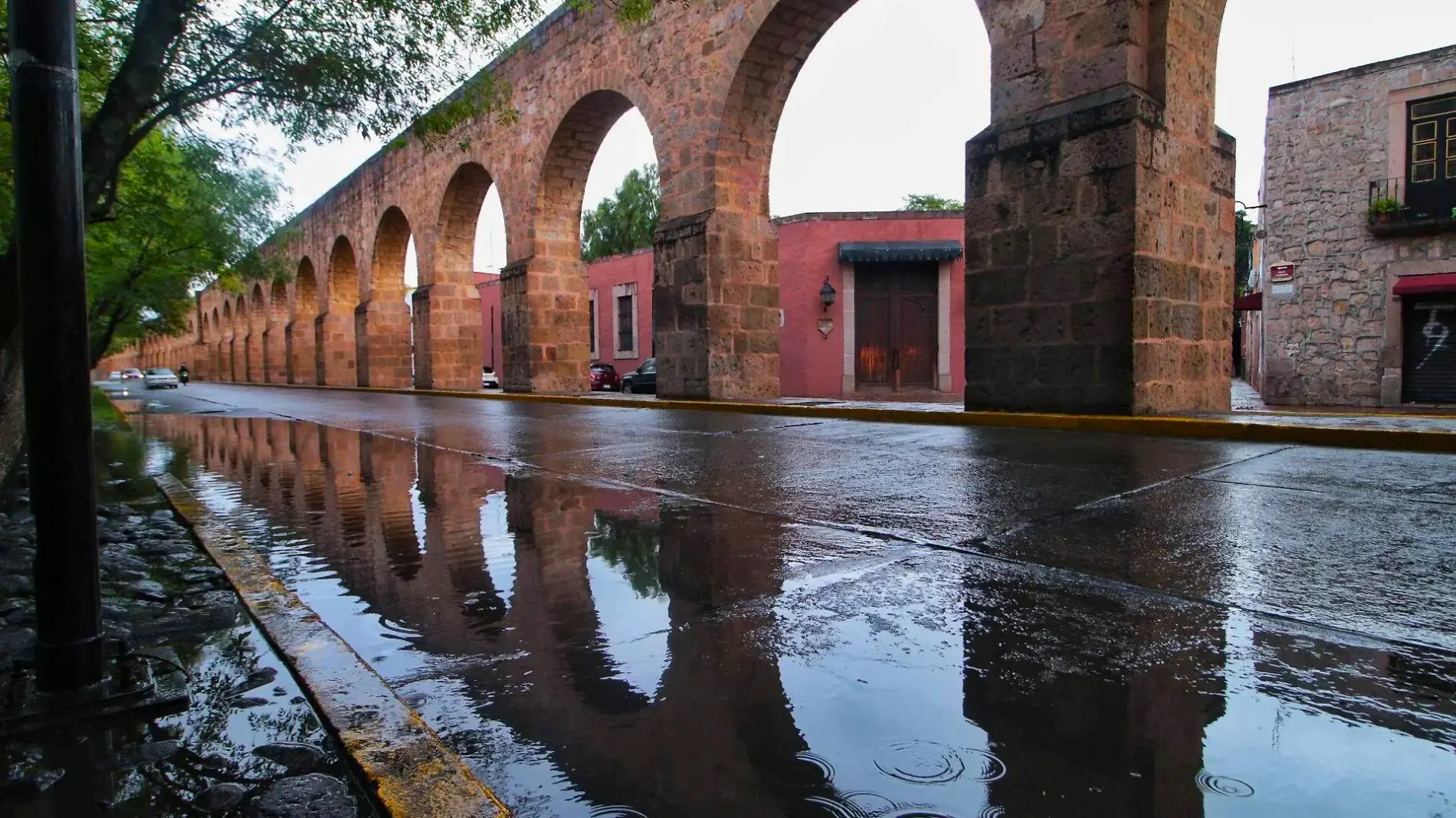
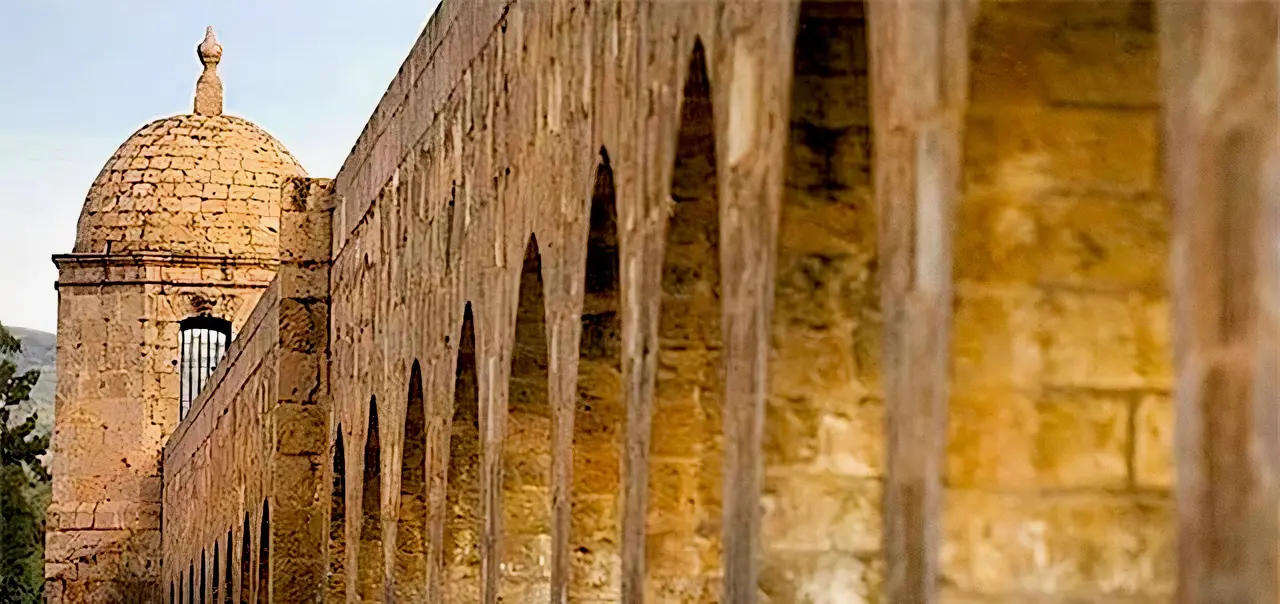
If you are walking from Las Tarascas, prepare to feel small. Before you stretches an endless row of pink quarry stone arches that seem to have no end. It is the Morelia Aqueduct, the largest civil monument in the city (over 1,600 meters long) and the undisputed symbol of the Michoacan capital.
But these stones are not just decorative; they tell the story of a city that fought against thirst for centuries and of a Bishop who turned a humanitarian crisis into a work of art.
🏗️ From Wooden Canals to Stone Arches (16th and 17th Centuries)
When Morelia (then Valladolid) was founded, water was a serious problem. Initially, it arrived through wooden channels and open ditches from the Río Chico, which resulted in dirty water that caused disease. Although there were attempts to improve the system in 1598 (with a pipe built by the mestizo Cosme Toribio) and constant repairs throughout the 17th century, a definitive solution wouldn't arrive until the 18th century.
⛪ The Visionary Bishop and the “Work of Hunger” (1785)
This is where the hero of the story comes in: Fray Antonio de San Miguel,. In 1785, the region suffered a terrible drought that brought famine and unemployment. Hundreds of indigenous people migrated to the city seeking help. Instead of just giving them alms, the Bishop decided to give them work and dignity.
He bought the land of the Hacienda del Rincón (where the springs originated) and ordered the massive reconstruction of the Aqueduct that had collapsed a year earlier.
The touching fact: This work, carried out between 1785 and 1789, killed two birds with one stone: it saved Valladolid from thirst and saved thousands of indigenous families from hunger.
🔍 Secrets Hidden in the Arches
Al caminar bajo ellos, fíjate en estos detalles que pocos notan:
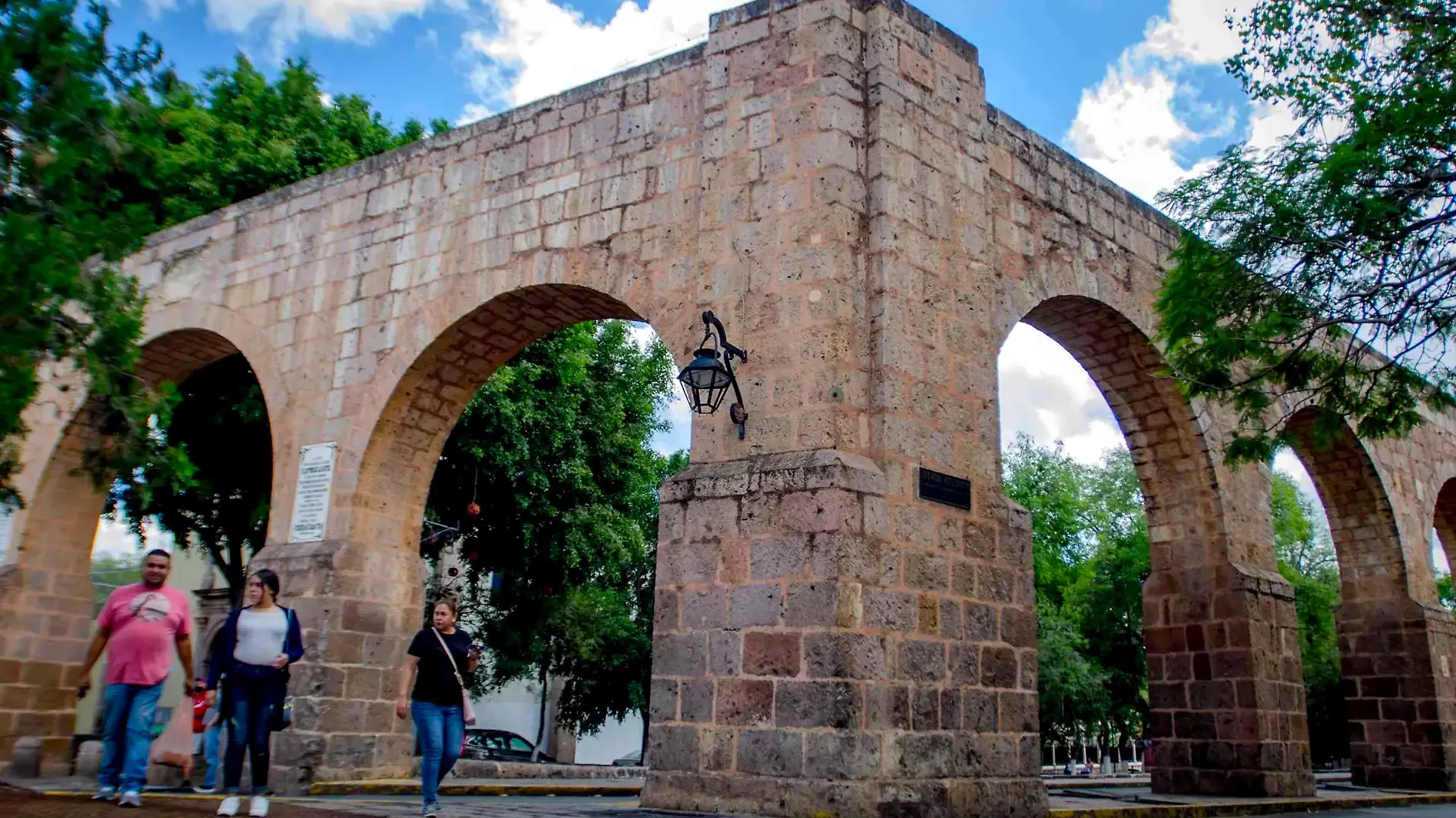
- The Lost Arches: Originally there was a branch that turned north (towards the current San Diego Temple). Between 1896 and 1897, between 12 and 20 arches in that section were demolished. The reason? Their stones were used to build public washhouses. If you look closely near Tata Vasco Avenue, you can still see the "stumps" or remnants of those demolished arches.
- The End of His Useful Life: Although it seems to last forever, the Aqueduct stopped working in 1910. The government of Porfirio Díaz and later governments decided to modernize the city with iron pipes and a water treatment plant (promoted by engineers such as Enrique Guzmán).
- It fed the entire city: In its glory days, this giant carried water to 30 public water fountains and convents, including the famous Pila del Ángel and the Pila del Carmen.
📸 The Perfect Postcard (Over 1.6 km of History)
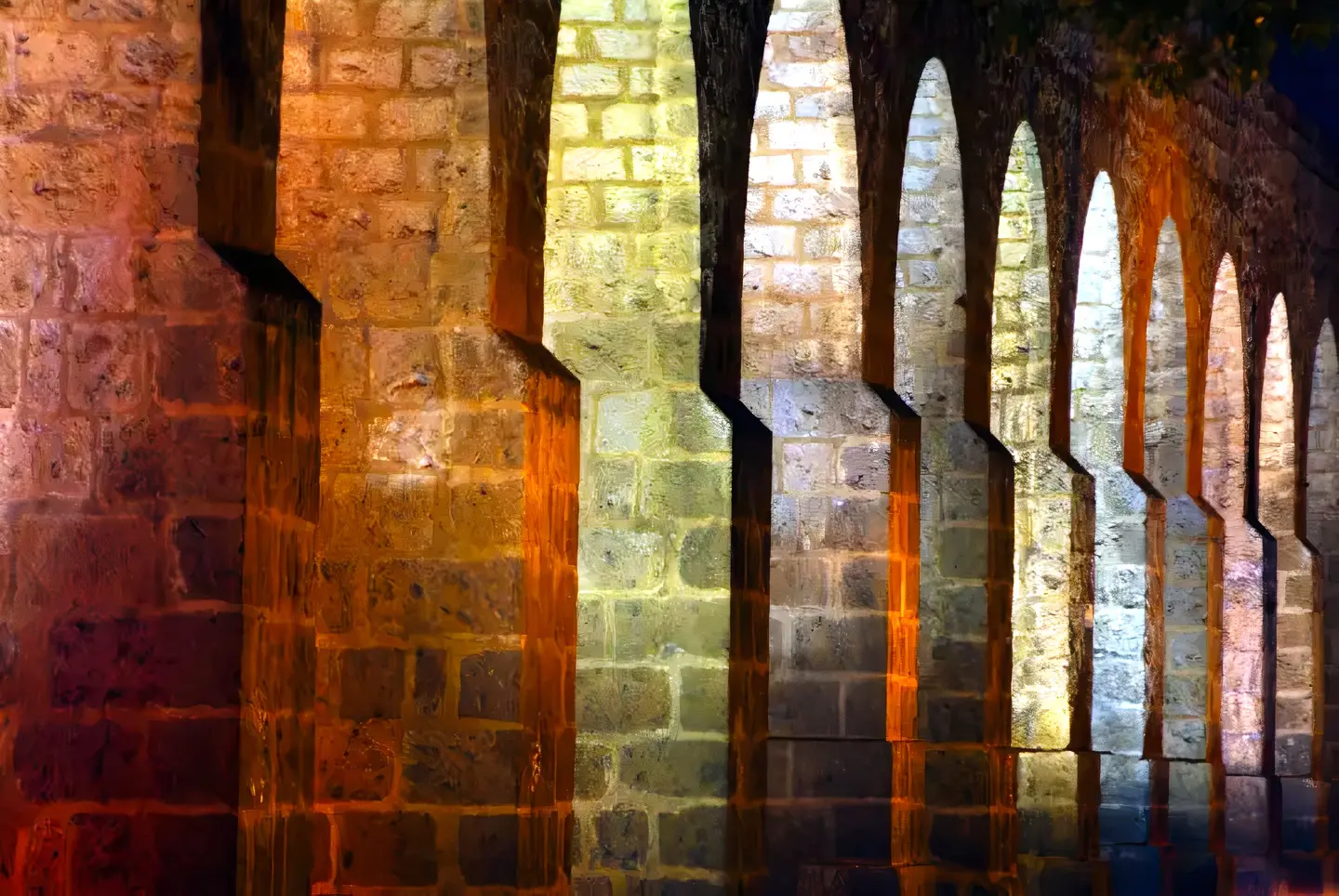
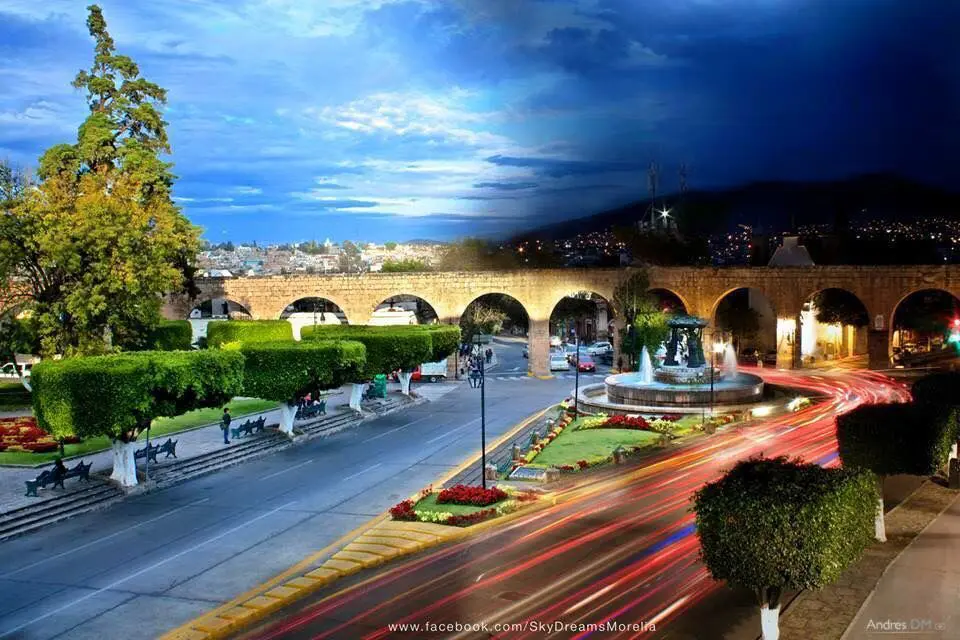
Today, the Aqueduct no longer carries water, but it carries the identity of Morelia. With its 253 arches Of the remaining sections, it is one of the best preserved in Mexico. The best time to visit is at sunset, when the setting sun makes the pink quarry stone glow with an almost orange hue, or at night, when its scenic lighting creates an endless tunnel of light.
📍 Why visit it from Pátzcuaro?
Because it's the majestic finale to your visit to the capital. After walking this stretch, you will have walked through the entire history of Michoacán: from the colonial era to the modern age. Tip from Visit Pátzcuaro: If you like photography, walk along the pedestrian walkway "Fray Antonio de San Miguel," it runs parallel to the first section of the Aqueduct. It is the most romantic and peaceful promenade in Morelia.

 EN
EN  ES
ES