
 MAP
MAP SEARCH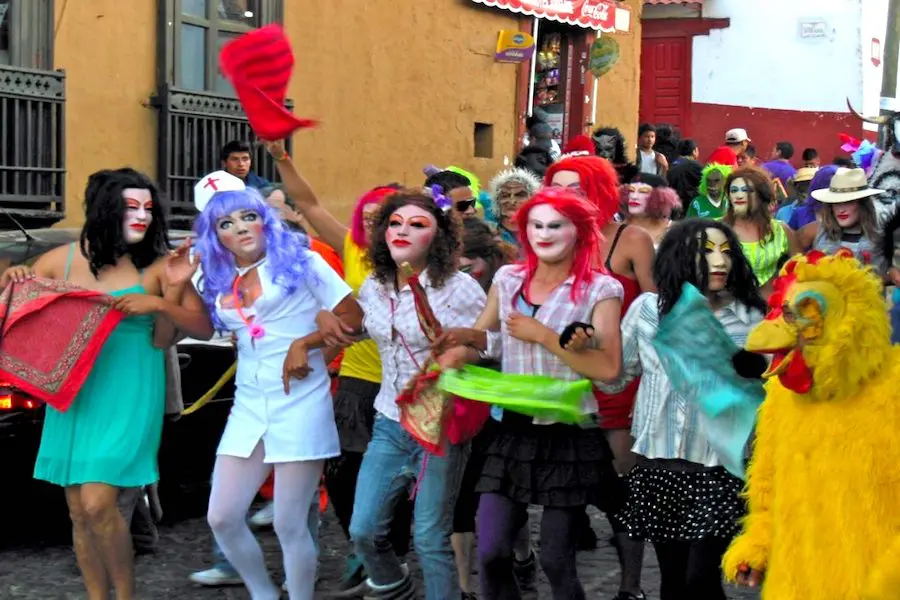
Adress
Pátzcuaro, Michoacán, México.
GPS
19.513269362004, -101.60898685455
KNOW MORE PLACES
VISITA OTRAS LOCALIDADES
In Pátzcuaro, Carnival is not a parade of floats in the Brazilian or Caribbean style. Here, the festival has a deeply indigenous and satirical identity, a direct legacy of the 16th-century evangelization. It is celebrated during the three days leading up to Ash Wednesday (usually in February), transforming the streets into a stage of dance, music, and color.
Origin: From Rome to New Spain Although carnival has pagan roots in Egypt and Rome (celebrating the rebirth of nature), in Pátzcuaro its current form is due to the Franciscan friars and to Don Vasco de Quiroga. They used playful elements to evangelize, allowing indigenous traditions to blend with European ones. Thus, what in Europe was a “farewell to meat” (carnelevare), here it became a social satire and a community catharsis.
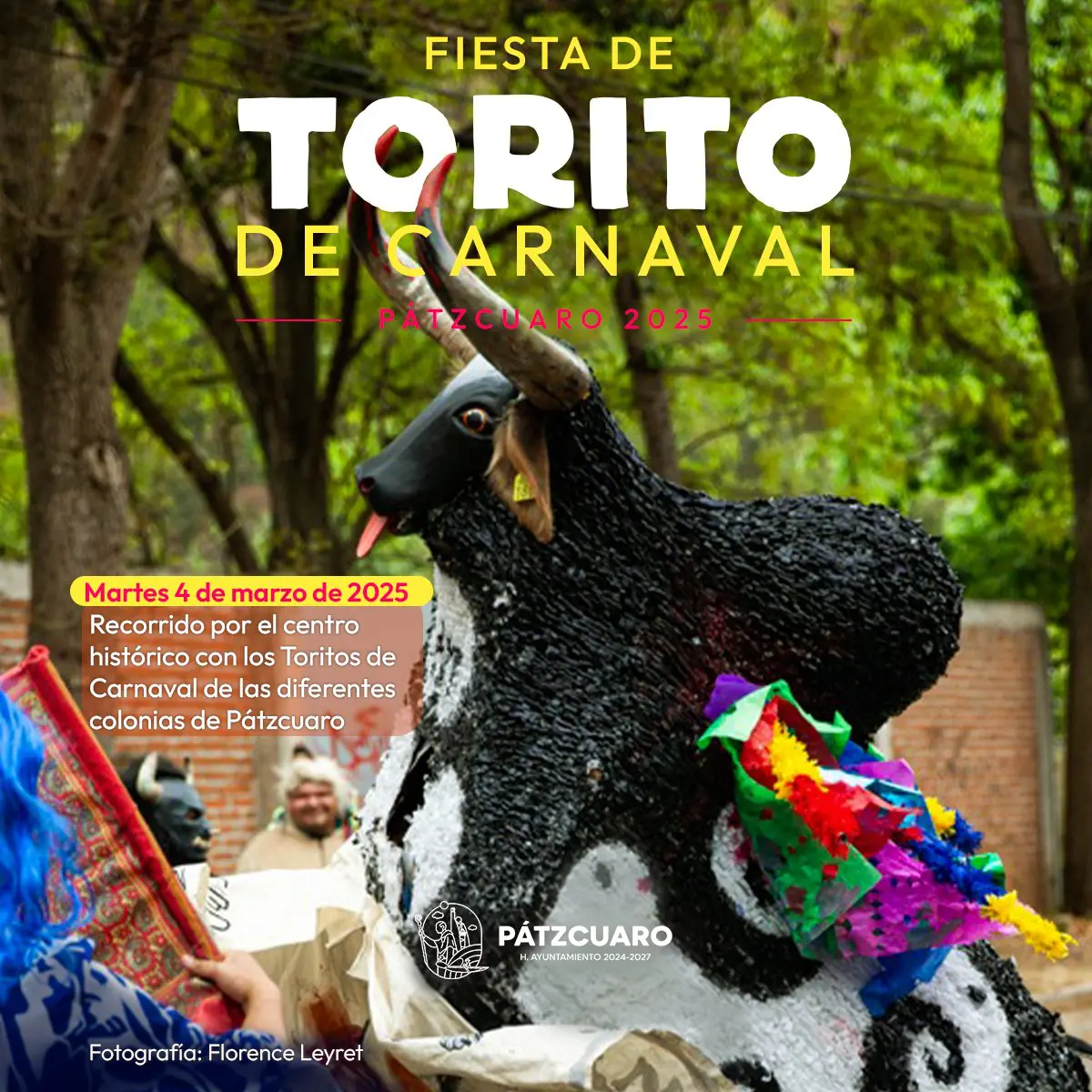
The Star: The Petate Bull The king of the festival is the Petate Bull. It is not a real animal, but a lightweight structure made of reeds and leather, covered with thousands of strips of vibrant colored paper.
📜Historical Fact (La Nao de China): The tradition of decorating the little bulls with tissue paper or "China paper" is a direct legacy of viceregal trade with the China Ship, who brought this exotic material to New Spain, which was quickly adopted by local artisans.
The Parade Characters The little bull never dances alone. Around him unfolds a procession full of symbolism:
- La Maringuía: He is the central character. He is a man dressed as an indigenous woman (in traditional dress and mask), representing La Malinche or the woman who guides the bull. His dance is elegant and flirtatious, contrasting with the animal's ferocity.
- The Foreman: Represents the charro or the owner of the hacienda, who tries to “tame” the bull.
- The Apache: A character that symbolizes rebellion and the warrior past.
- The Little Horse: A figure that mocks viceregal authority.
Music and Atmosphere The carnival in Pátzcuaro is noisy and joyful. The troupes parade through the neighborhoods, traditionally accompanied by the chirimía (a pre-Hispanic/colonial wind instrument) and strings. However, nowadays, the festivities resonate with the power of the Michoacán wind bands that follow the bull-shaped float throughout the city.
Meaning: Beyond the fun, carnival is a ritual of renewal. It is a time to release tension and celebrate abundance before entering the reflection of Lent.
📅 When to go: Sunday, Monday and Tuesday before Ash Wednesday.
 EN
EN  ES
ES