
 MAP
MAP SEARCH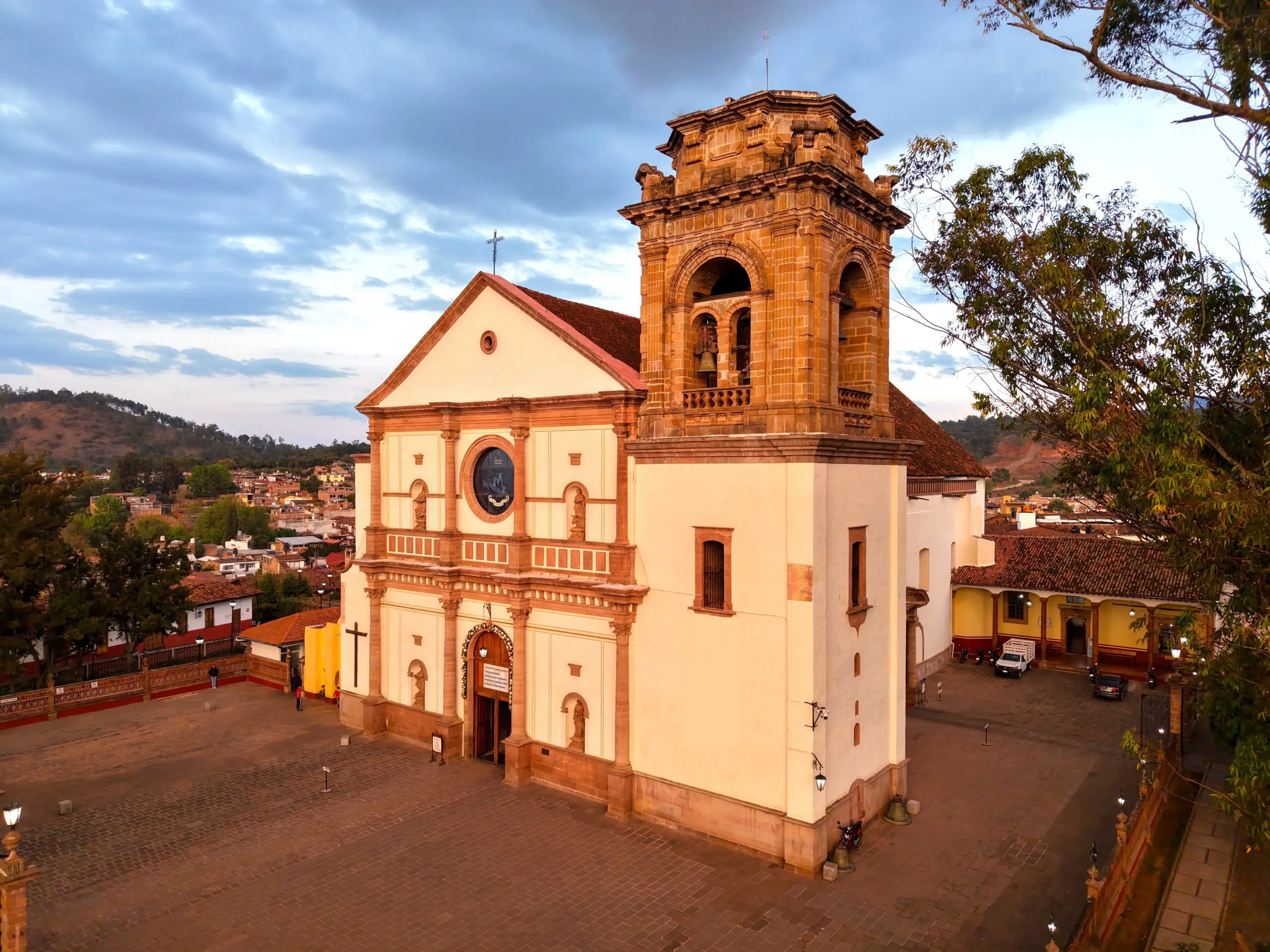
Adress
Serrato y Árciga s/n, Centro 61600 Pátzcuaro, Michoacán, México.
GPS
19.514957486108, -101.60609006882
Phone
Send an Email to
Monday
06:00 – 19:30
Tuesday
06:00 – 19:30
Wednesday
06:00 – 19:30
Thursday
06:00 – 19:30
Friday
06:00 – 19:30
Saturday
06:00 – 19:30
Sunday
06:00 – 21:00
KNOW MORE PLACES
VISITA OTRAS LOCALIDADES
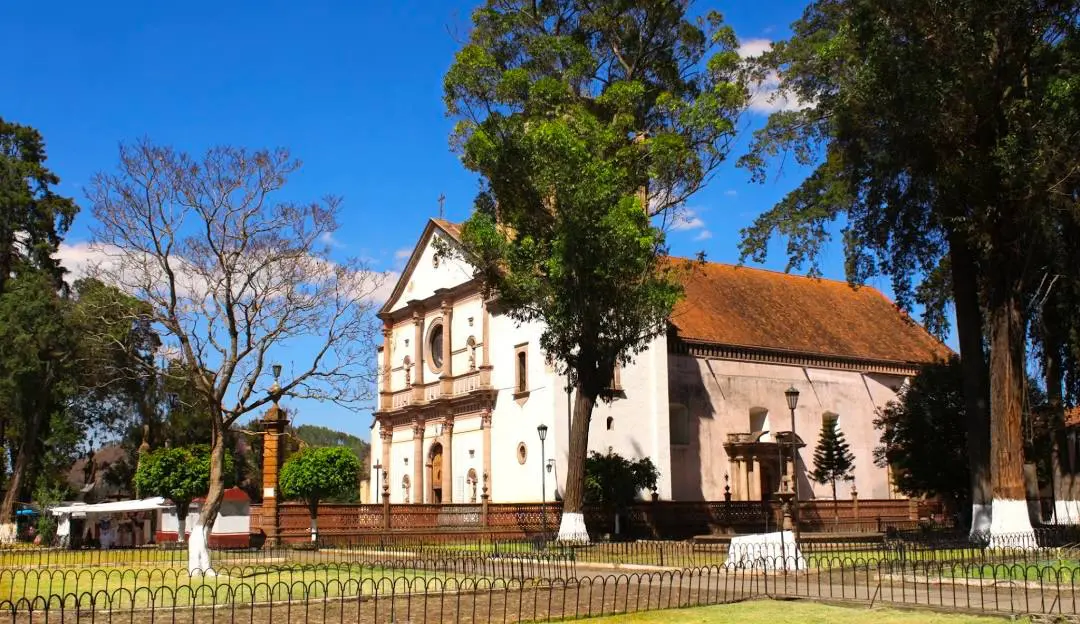
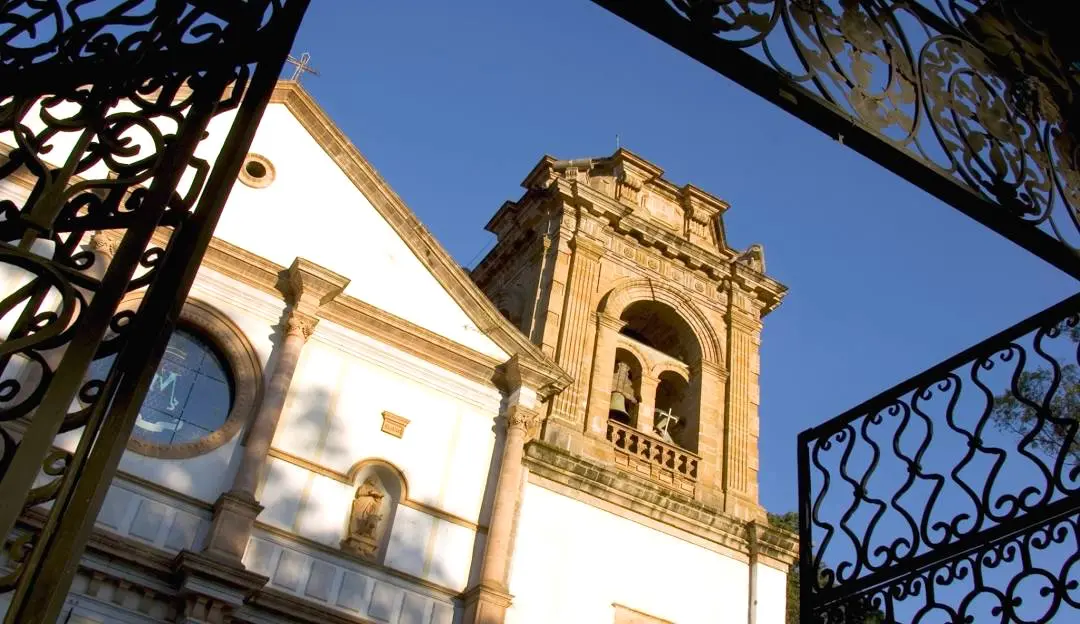
The Basilica of Our Lady of Health: The Spiritual Heart of Michoacán
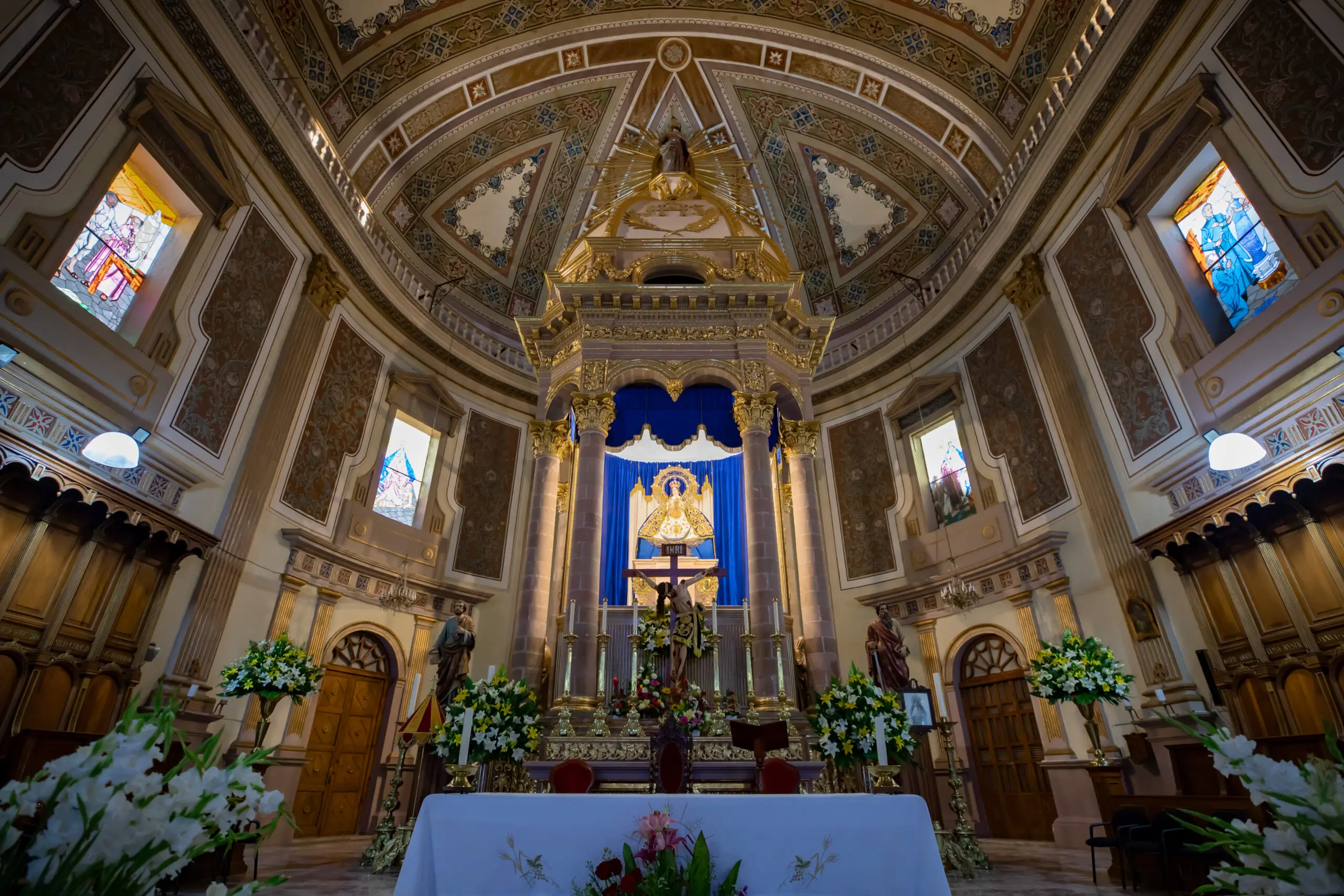
A Monumental Project The Basilica of Our Lady of Health is not only the most important church in Pátzcuaro; it is the axis around which the spiritual life of the region revolves. It was founded around 1540 by the first bishop of Michoacán, Don Vasco de Quiroga, who decided to move the episcopal seat from Tzintzuntzan to this place, erecting the building on an ancient Purépecha ceremonial center (Petatzecua), thus symbolizing the new faith founded on ancient roots.
Don Vasco's dream was to build a Utopian Cathedral: an immense temple with five naves converging on a central altar, allowing thousands of worshippers to hear Mass simultaneously from any angle. This avant-garde design, possibly inspired by the Cathedral of Granada (Spain), sought to overcome the limitations of open chapels and provide shelter for all the indigenous communities around the lake.
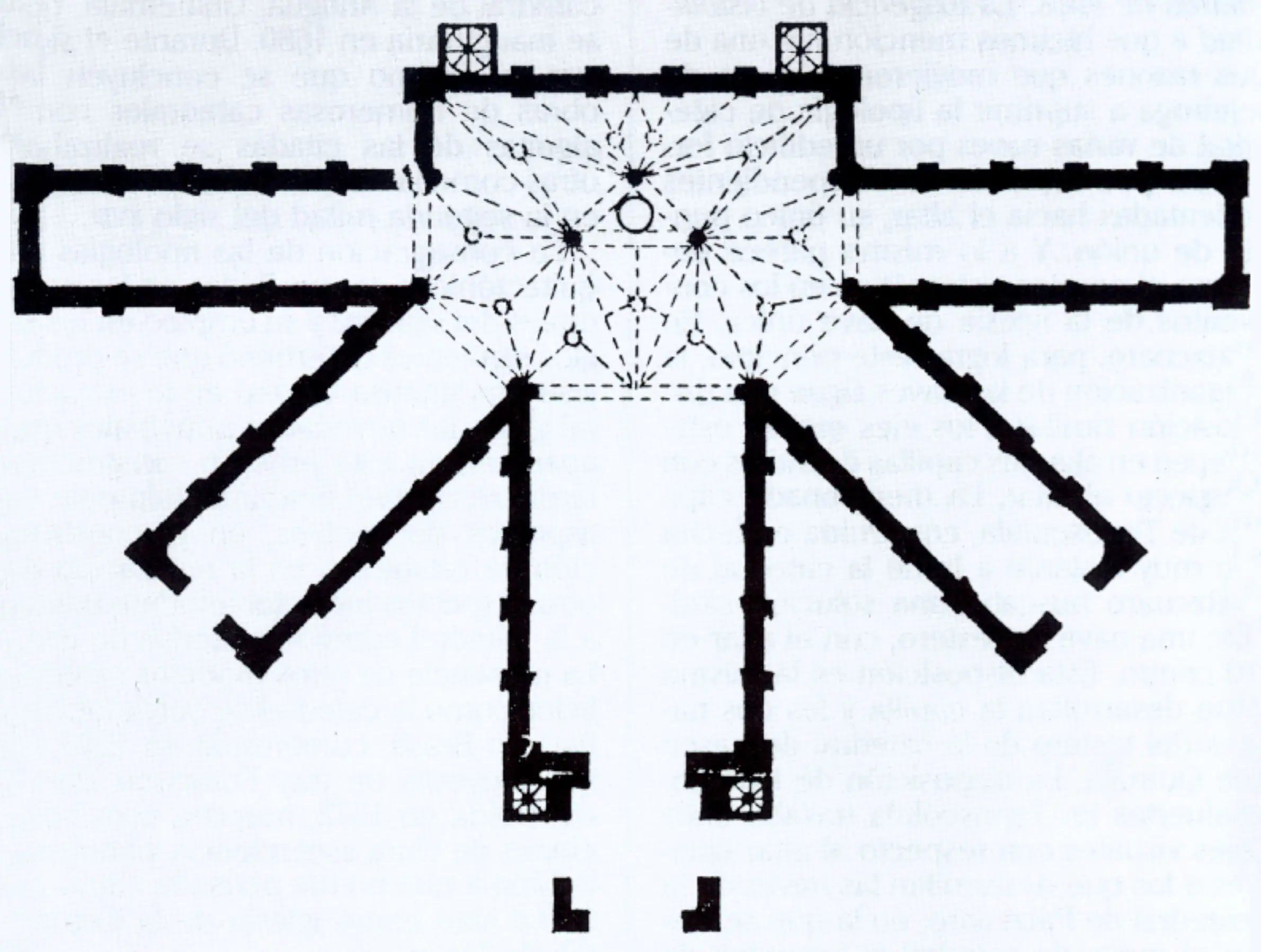
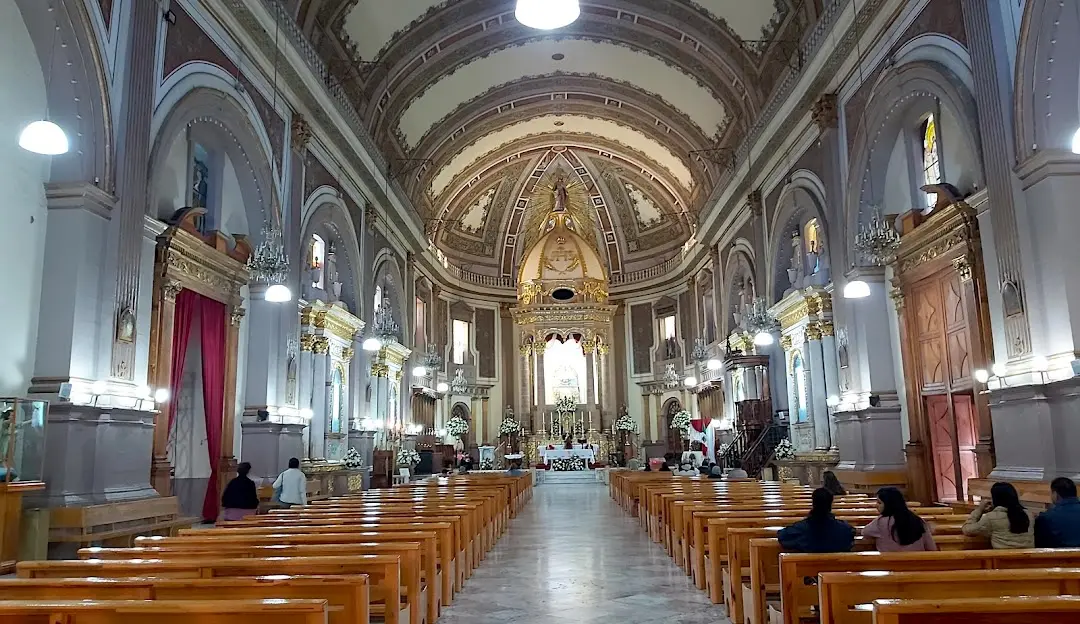
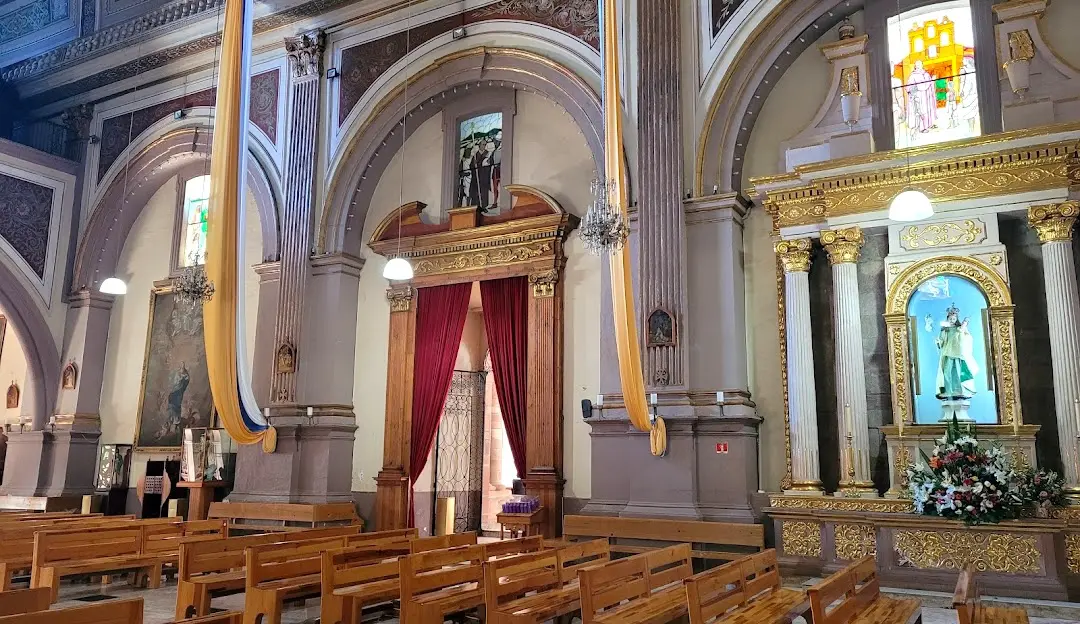
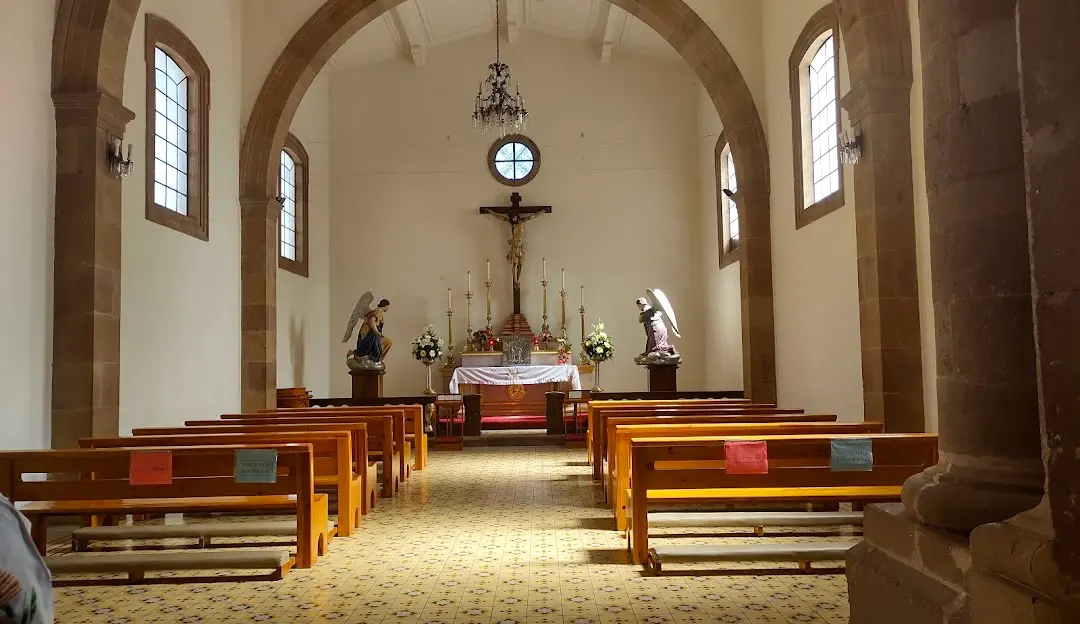
Why does it have only one nave? Looking at the Basilica today, we notice that it has only one central, roofed nave. Popular history tells us that construction was halted by order of the Vatican or the Spanish Crown, fearing that its magnificence would rival even St. Peter's Basilica in Rome.
However, architectural and geological studies point to a more pragmatic reality: the clay soil of Pátzcuaro, near the lake, could not support the weight of such a colossal structure, resulting in subsidence. Added to this was the death of Don Vasco in 1565, making the original five-nave project unfeasible. Despite this, the single completed nave served as the Michoacán Cathedral until 1580, when the seat of the cathedral was moved to Valladolid (now Morelia).
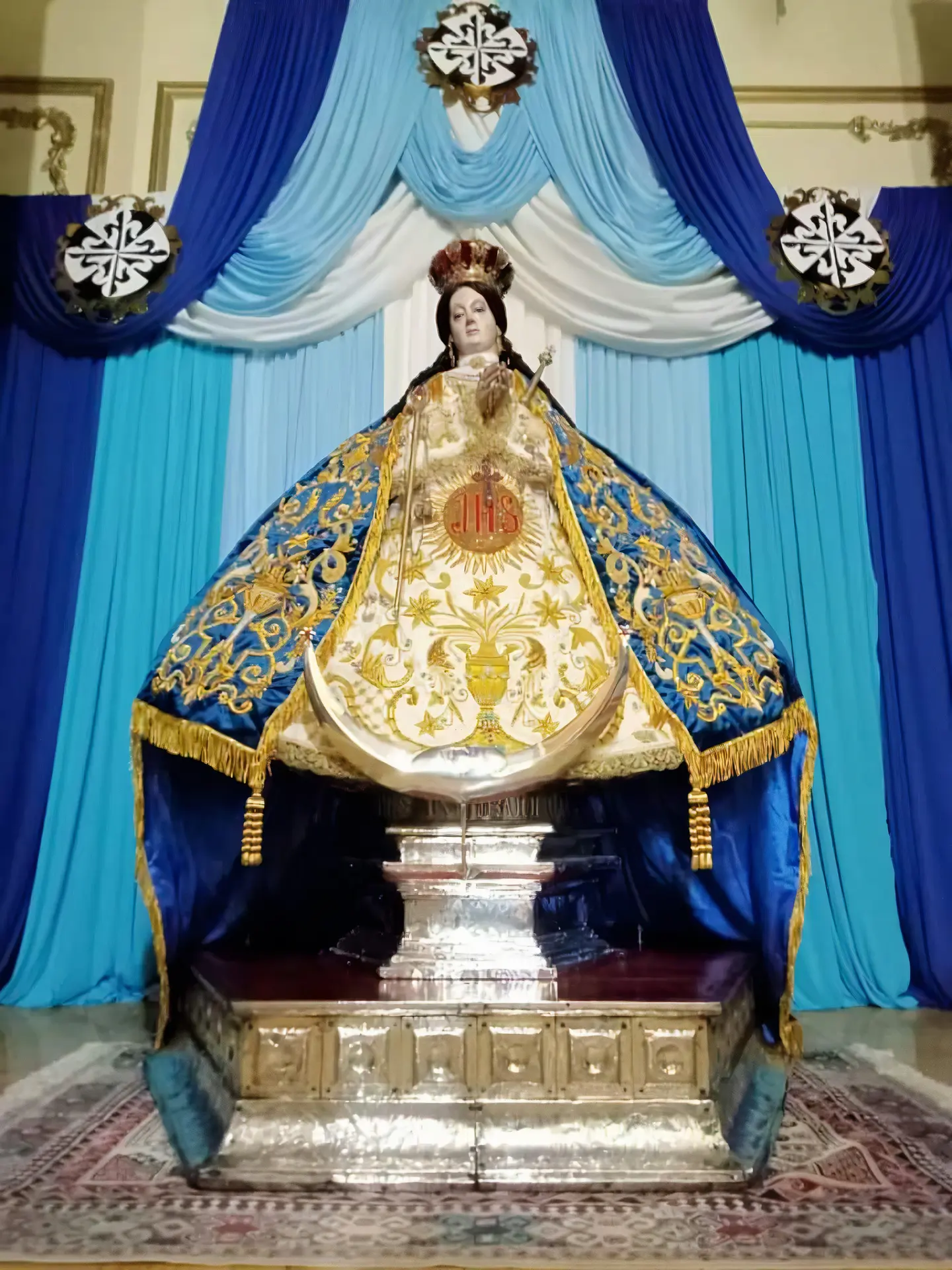
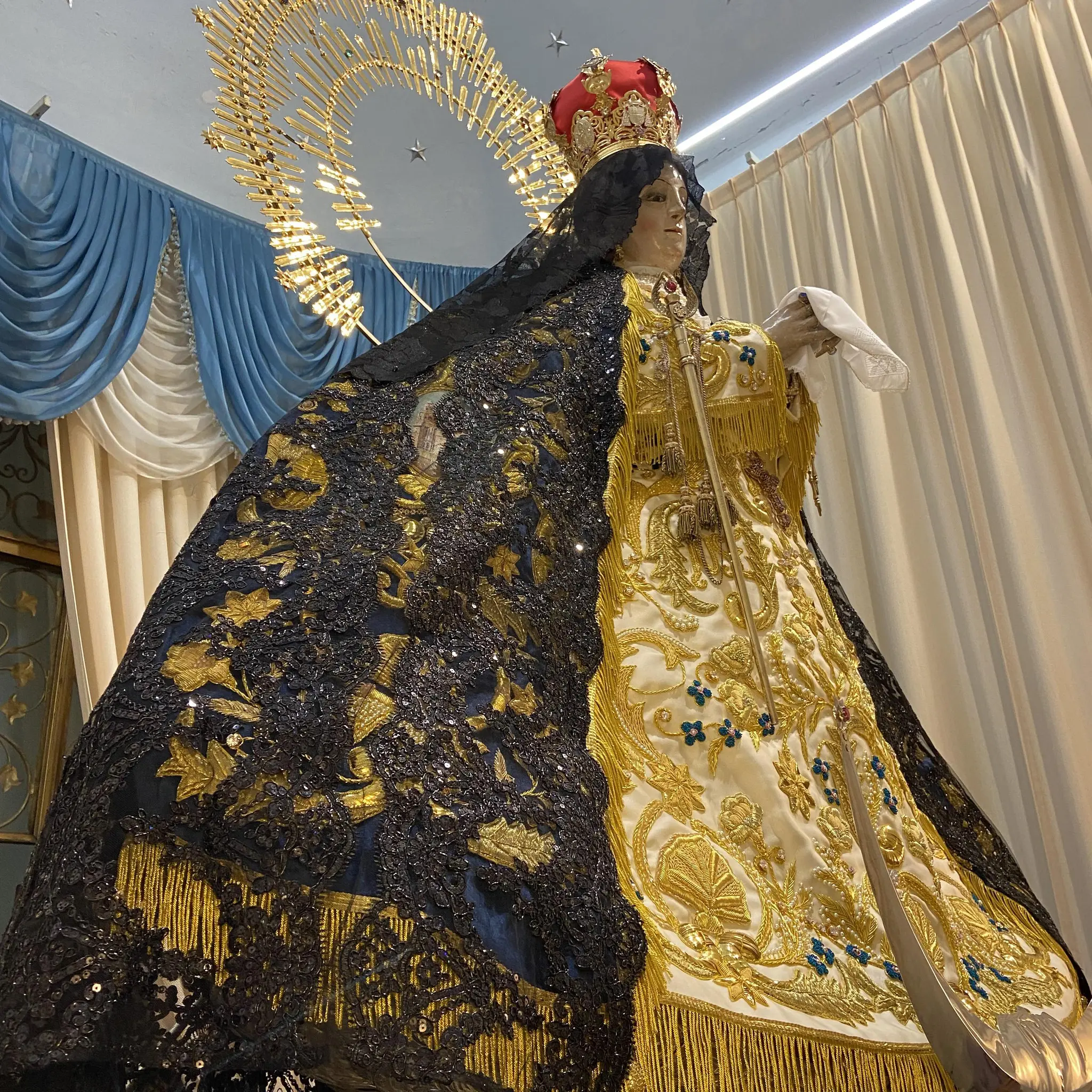
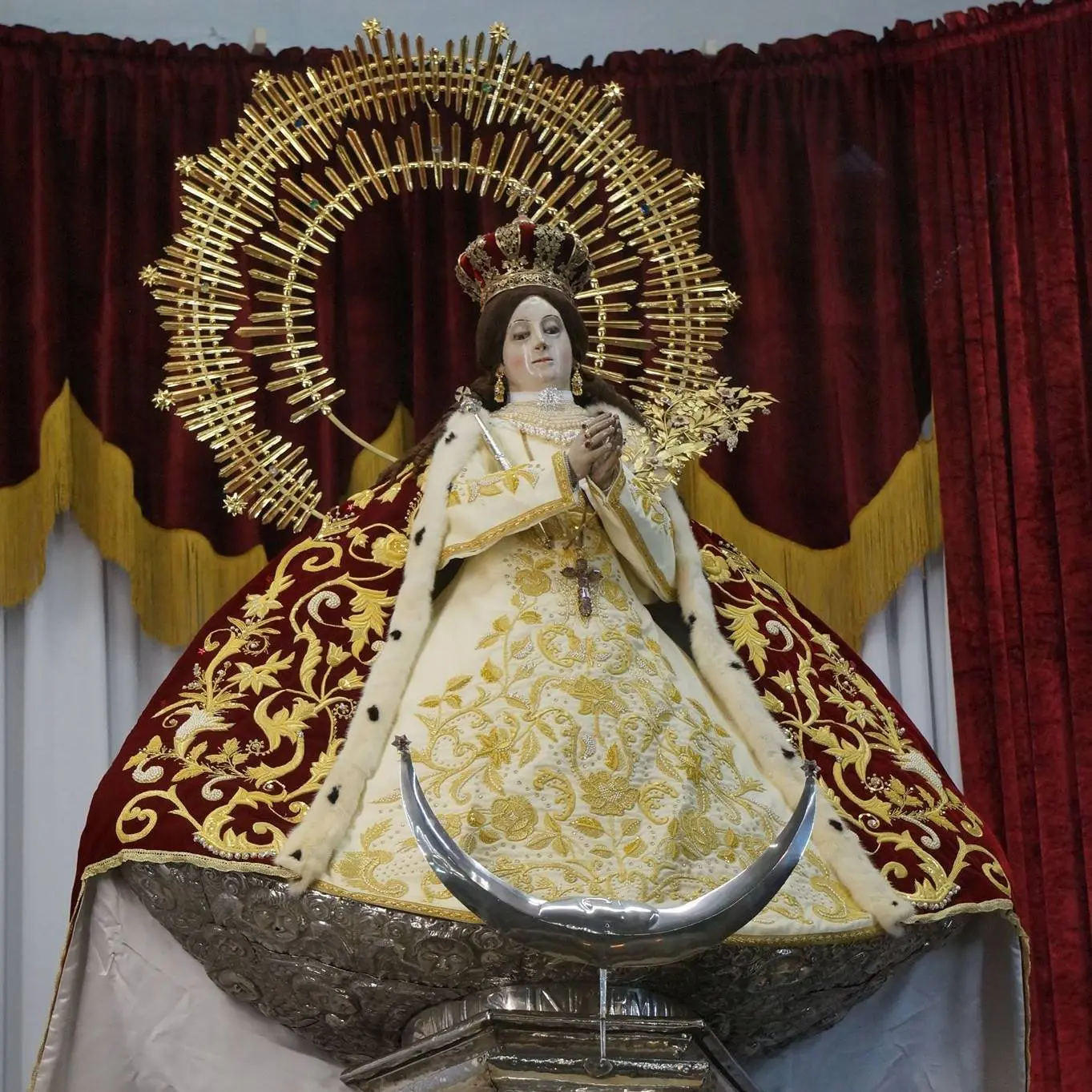
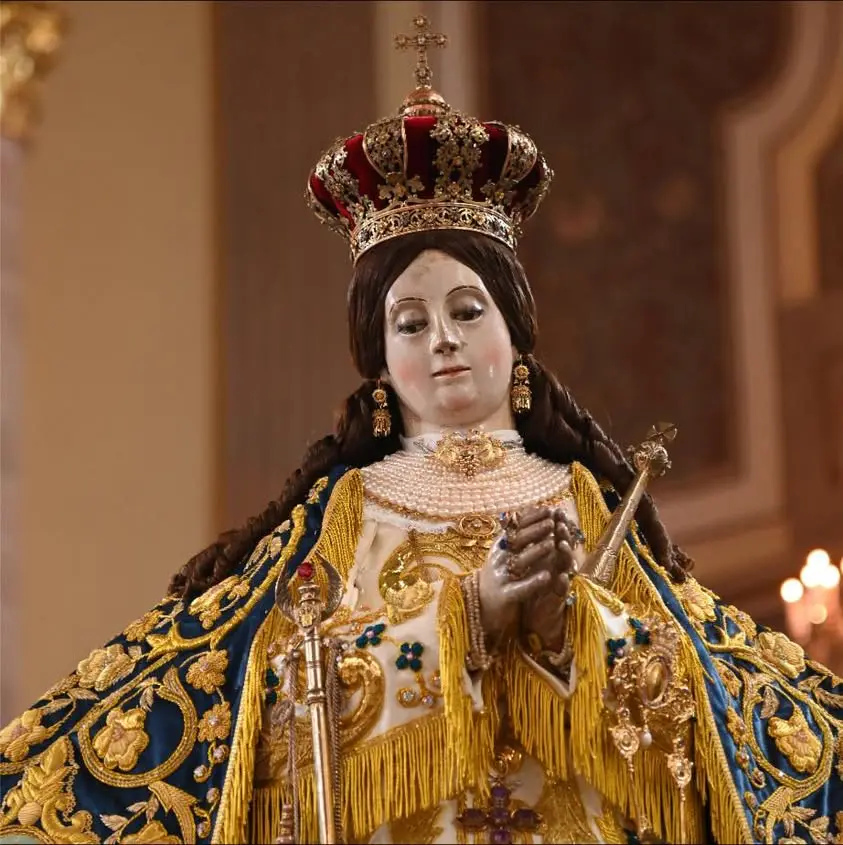
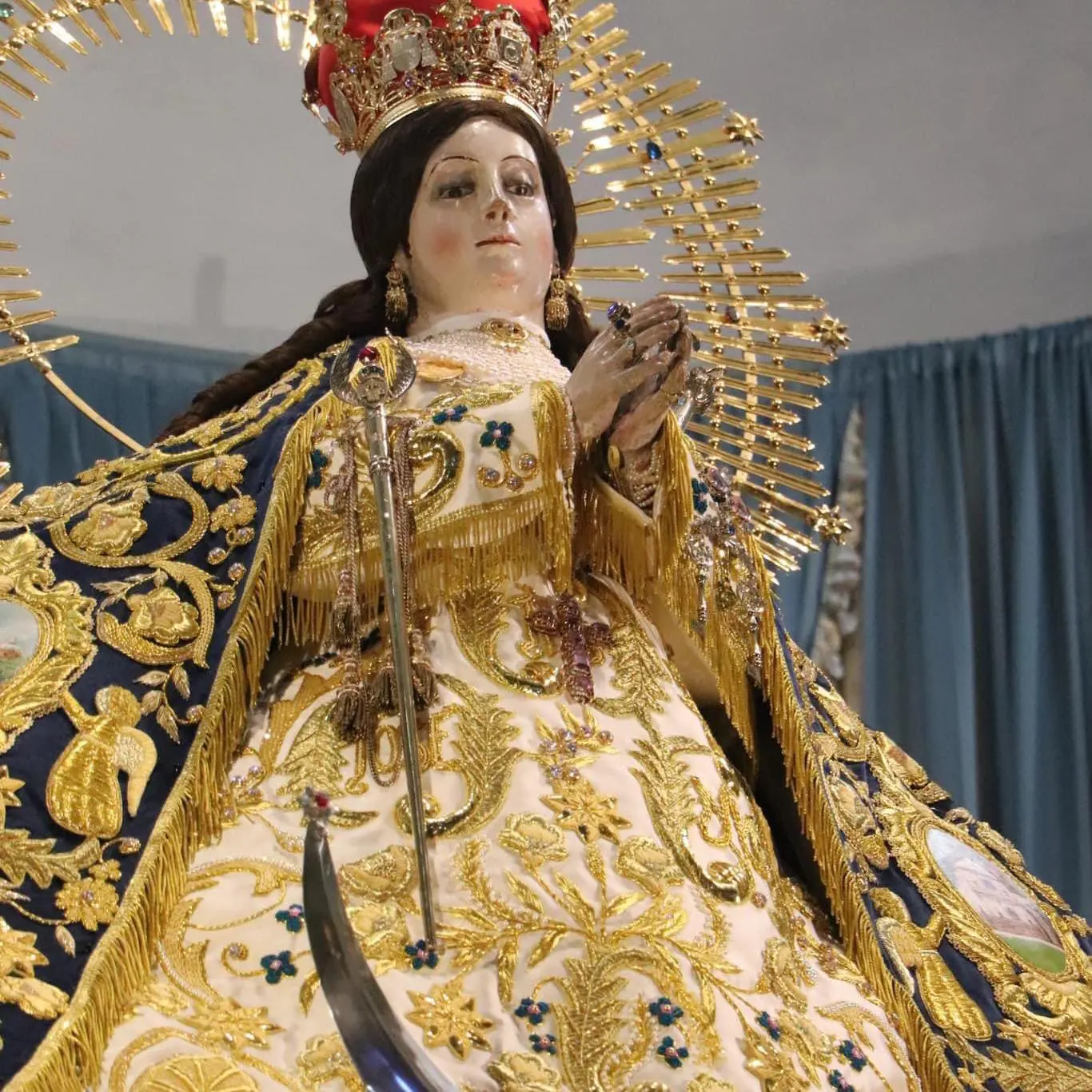
Our Lady of Health: Art and Miracle The main altar safeguards the city's greatest treasure: the image of Our Lady of Health. This sculpture is not made of wood, but is a masterpiece of indigenous art, crafted using the pre-Hispanic technique of cornstalk paste (Tatzingueni) mixed with orchid honey.
Commissioned by Don Vasco around 1538 from Purépecha artisans, the Virgin is light and sturdy, ideal characteristics for processions. Originally located in the Hospital of Santa Marta, its reputation for miracles grew so much that it became the undisputed patron saint of the region. It was pontifically crowned in 1899, and the church was elevated to the status of a Minor Basilica in 1923 by Pope Pius XI.
The Resting Place of “Tata” For visitors, entering the Basilica is also an act of historical homage. At the entrance to the temple, protected by a gate, is the Mausoleum of Don Vasco de Quiroga. Here lie the remains of the man who transformed the social reality of Michoacán.
It is common to see locals and pilgrims stop here to thank or ask favors of "Tata Vasco," whose cause for beatification is still active, confirming that his legacy transcends history to live on in popular devotion.
Festivals and Traditions The Basilica takes on a special life during its festivities:
December 8th: Day of the Virgin of Health. It is the biggest patron saint festival, where the temple is filled with music, traditional dances (like the Dance of the Old Men) and pilgrimages from all corners of the state.
Night of the Dead (November 1 and 2): The atrium and the surrounding area become a central point of the commemoration, merging respect for ancestors with Marian faith.
Information for Your Visit The temple is located a few blocks from Plaza Vasco de Quiroga (Plaza Grande). Next door, you'll find the former Colegio de San Nicolás (now the Museum of Popular Arts and Industries), also founded by Don Vasco, creating an unmissable architectural ensemble.

 EN
EN  ES
ES