
 MAP
 SEARCH

Address
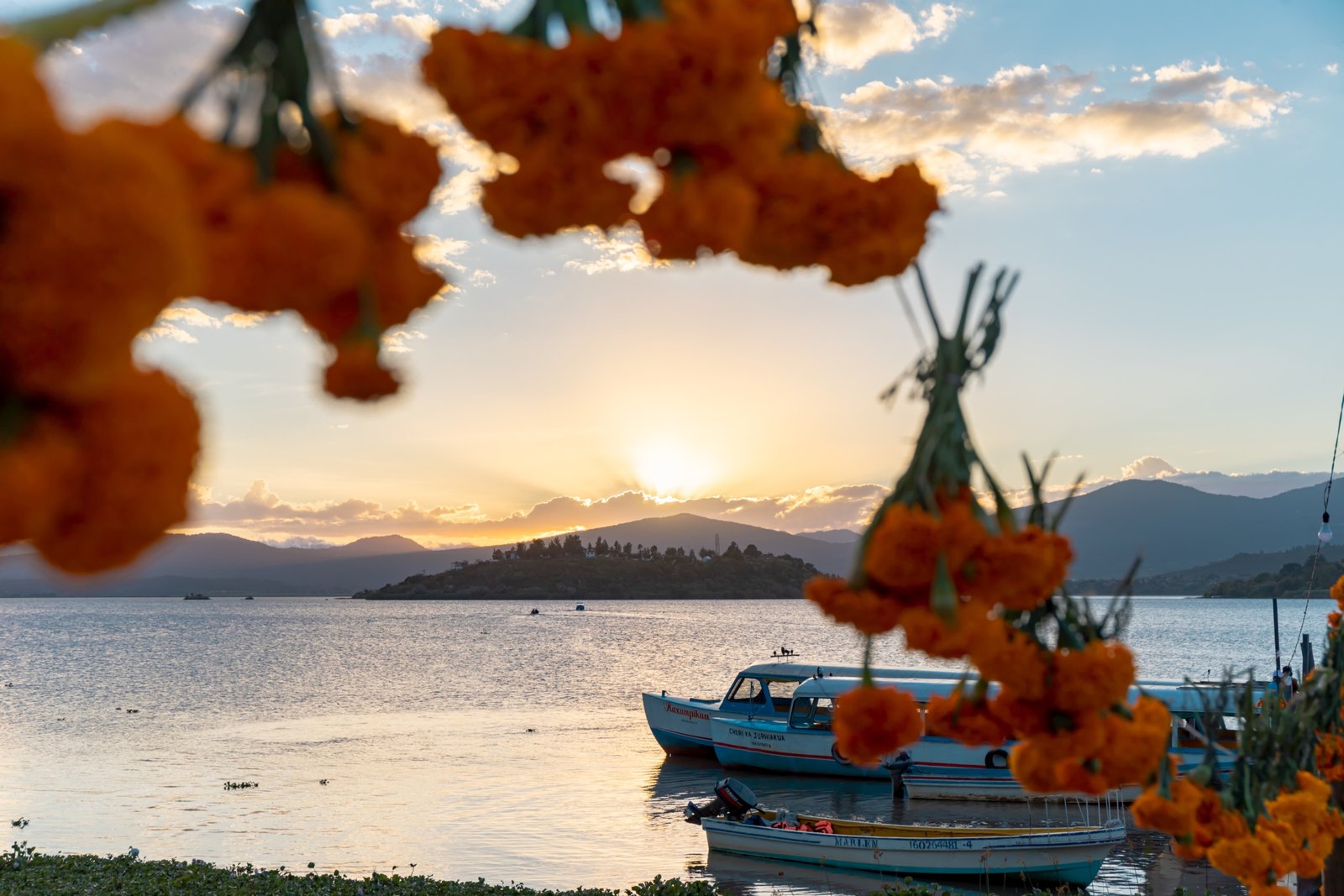
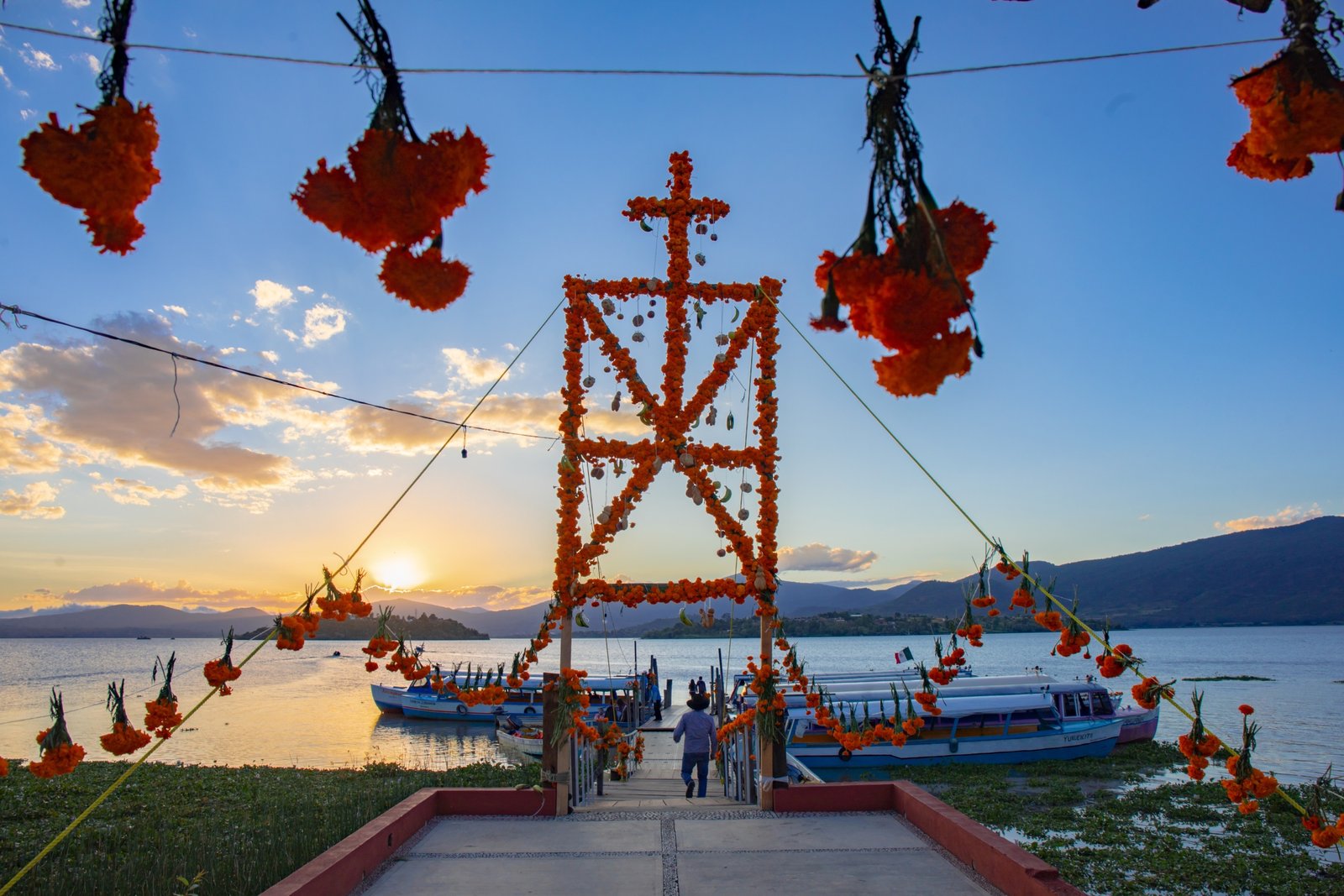
Lago de Pátzcuaro, Michoacán, México.
GPS
19.579808801146, -101.65082931519
KNOW MORE PLACES
VISITA OTRAS LOCALIDADES
October 29 to November 3
In Pátzcuaro and the communities of the Lake Region, Fiesta de las Ánimas cannot be contained in a single night.
November 1 and 2 form the best-known core of the cycle, but preparations, welcomes, visits, vigils, and community activities begin earlier and, in some places, continue afterward.
For that reason, Visit Pátzcuaro works with a regional frame from October 29 to November 3.
That does not mean every community celebrates on all of those days or does the same thing at the same hour.
Quite the opposite: diversity of timing and practice is an essential part of the celebration.
A feast of memory, not a uniform spectacle
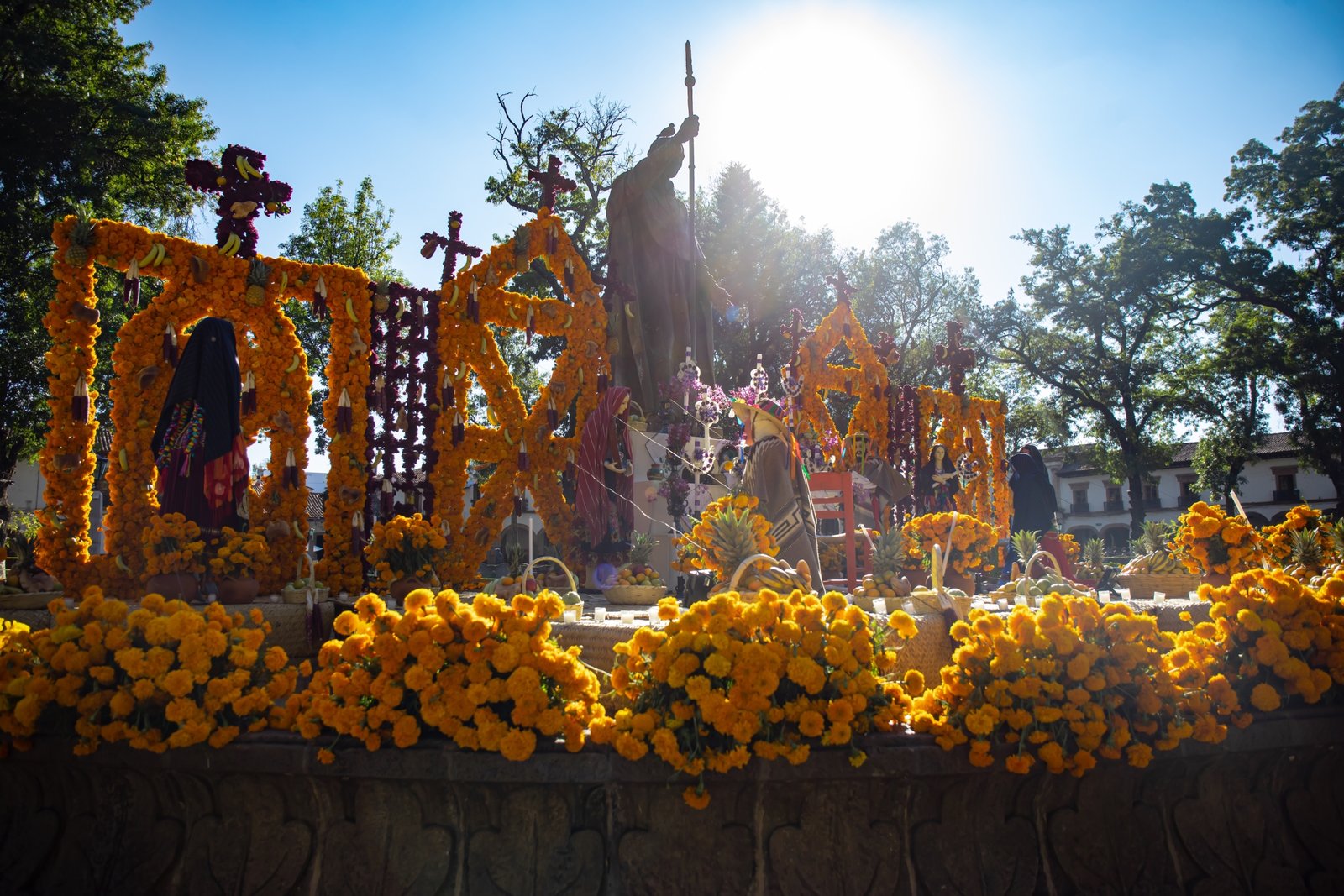
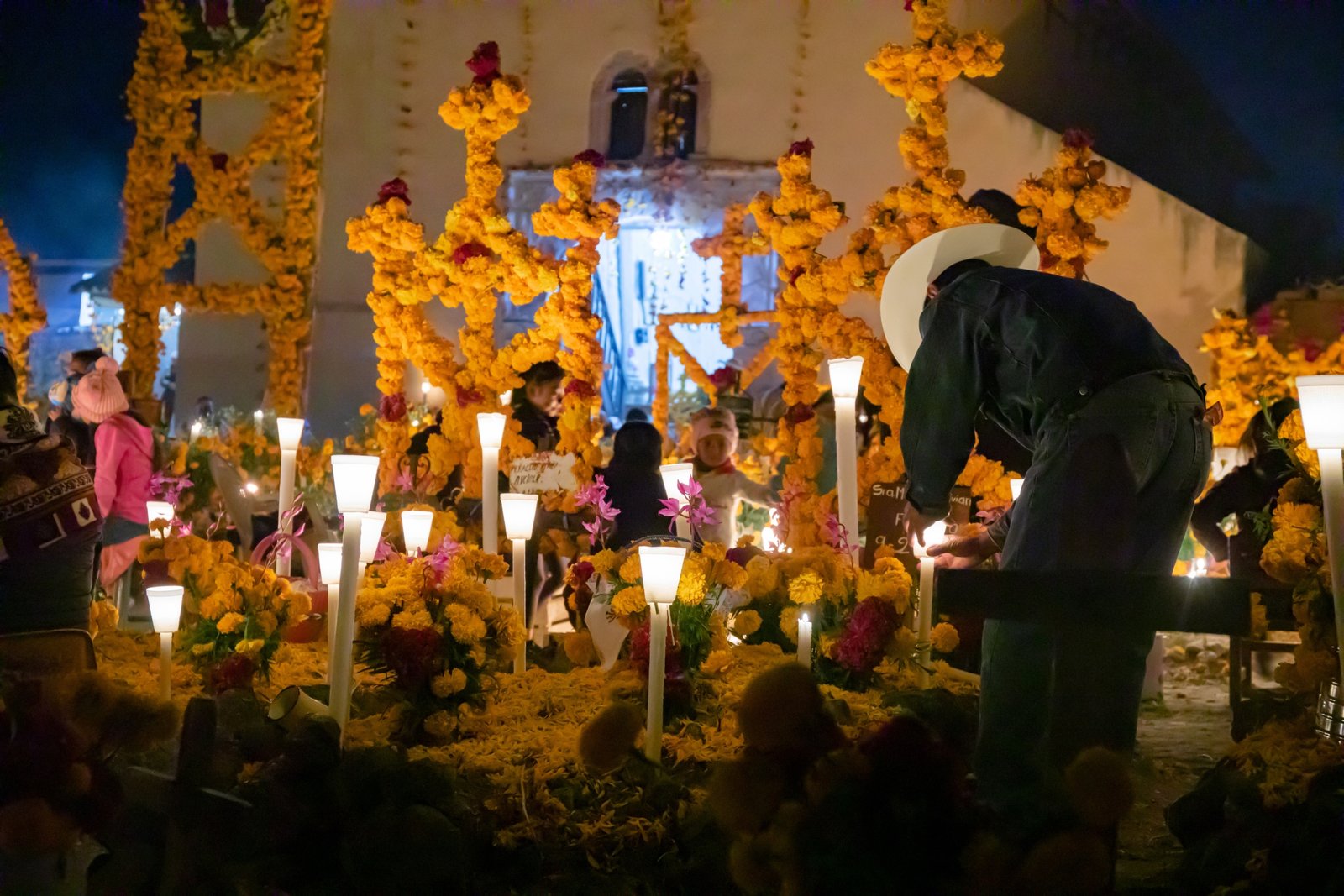
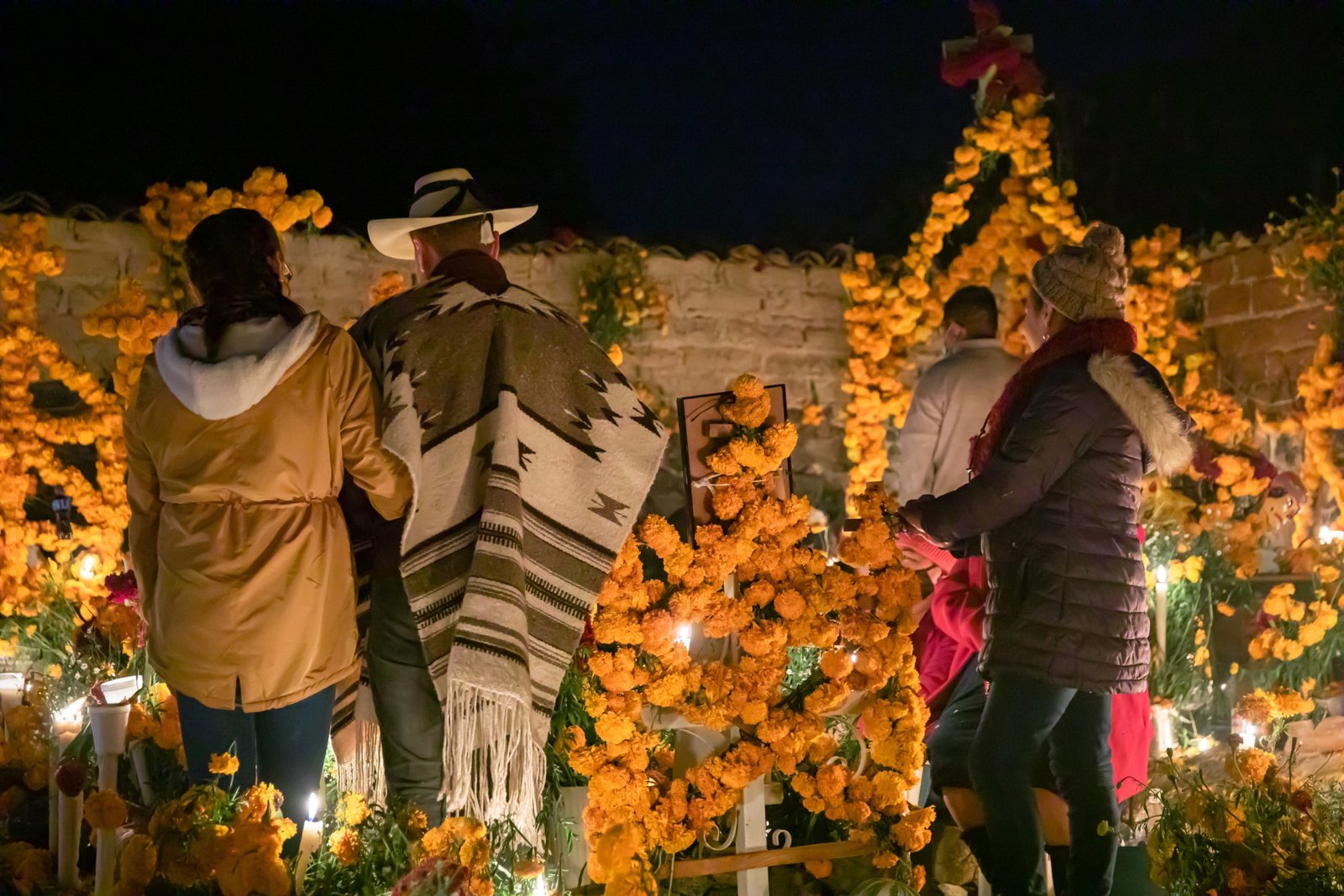
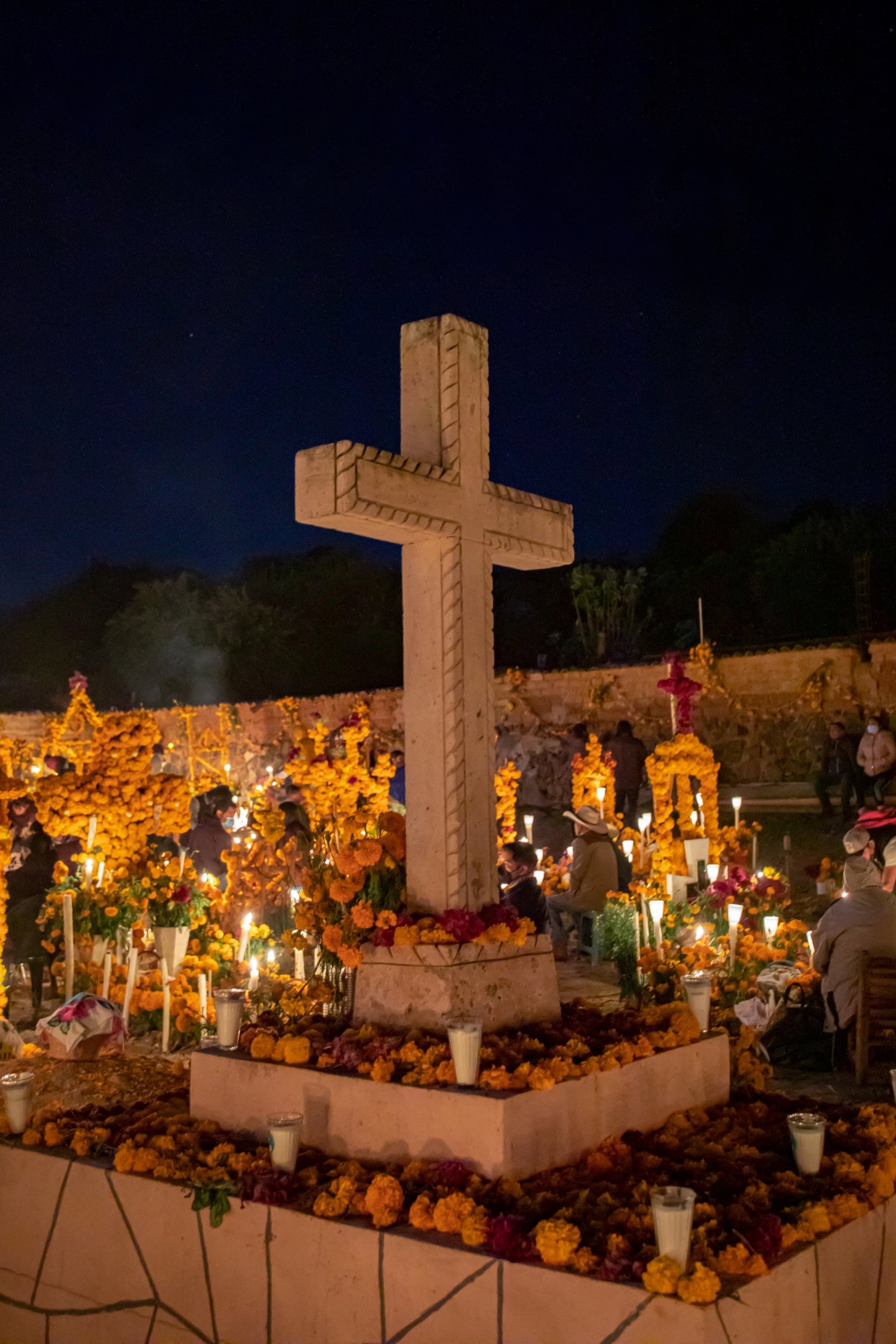
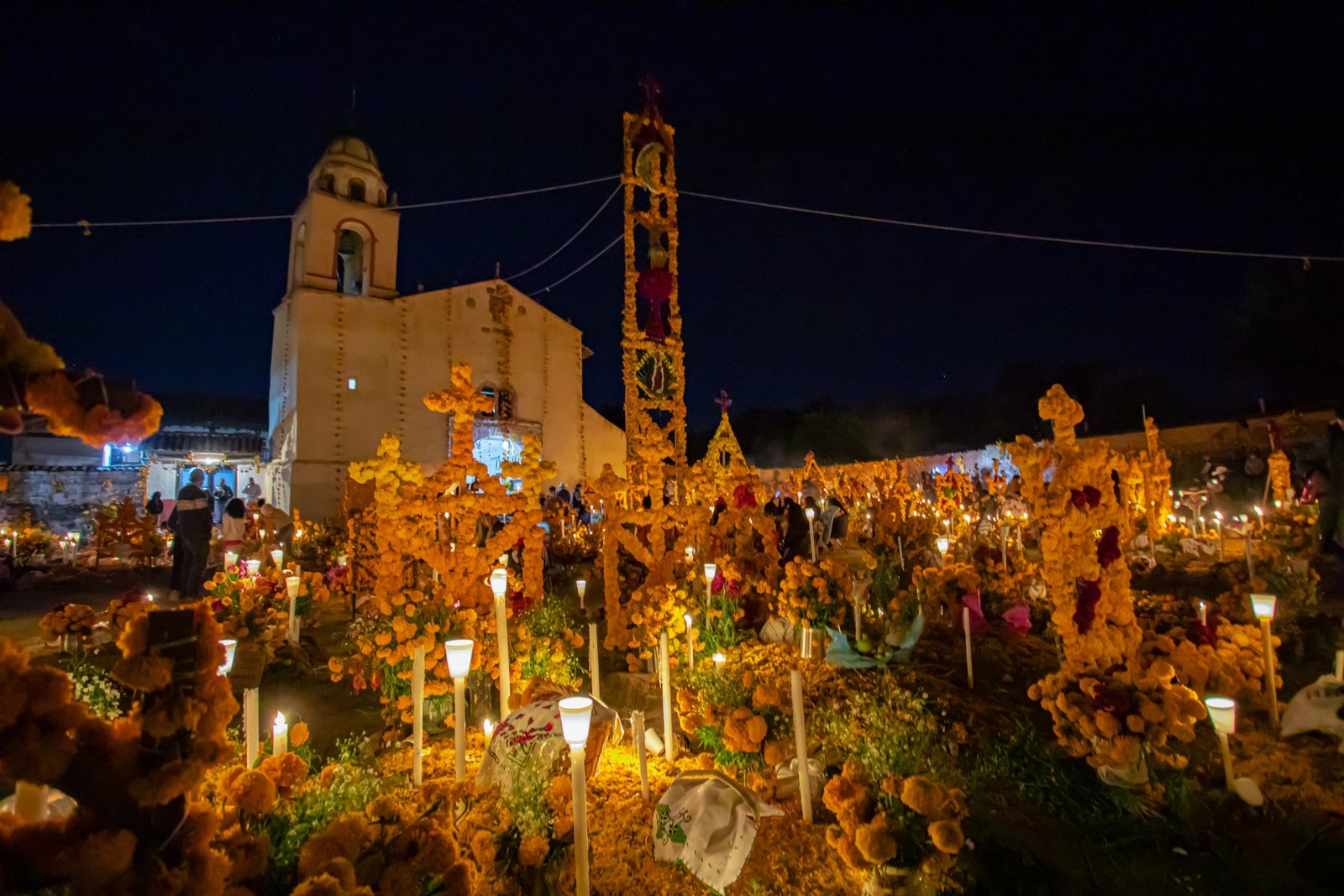
Home altars, cemeteries, flowers, candles, food, family routes, and visits to graves form part of a set of practices that vary among communities and families.
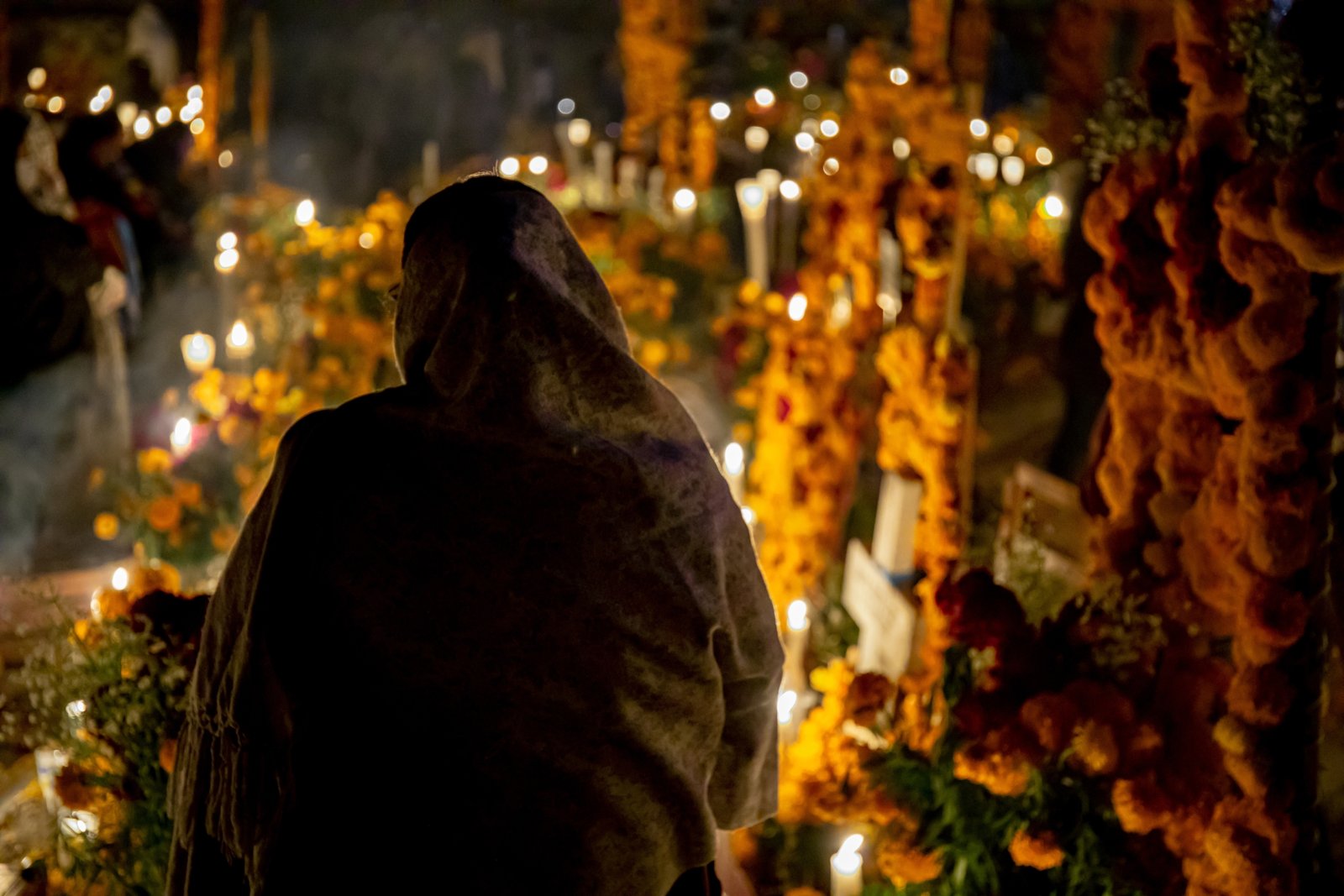
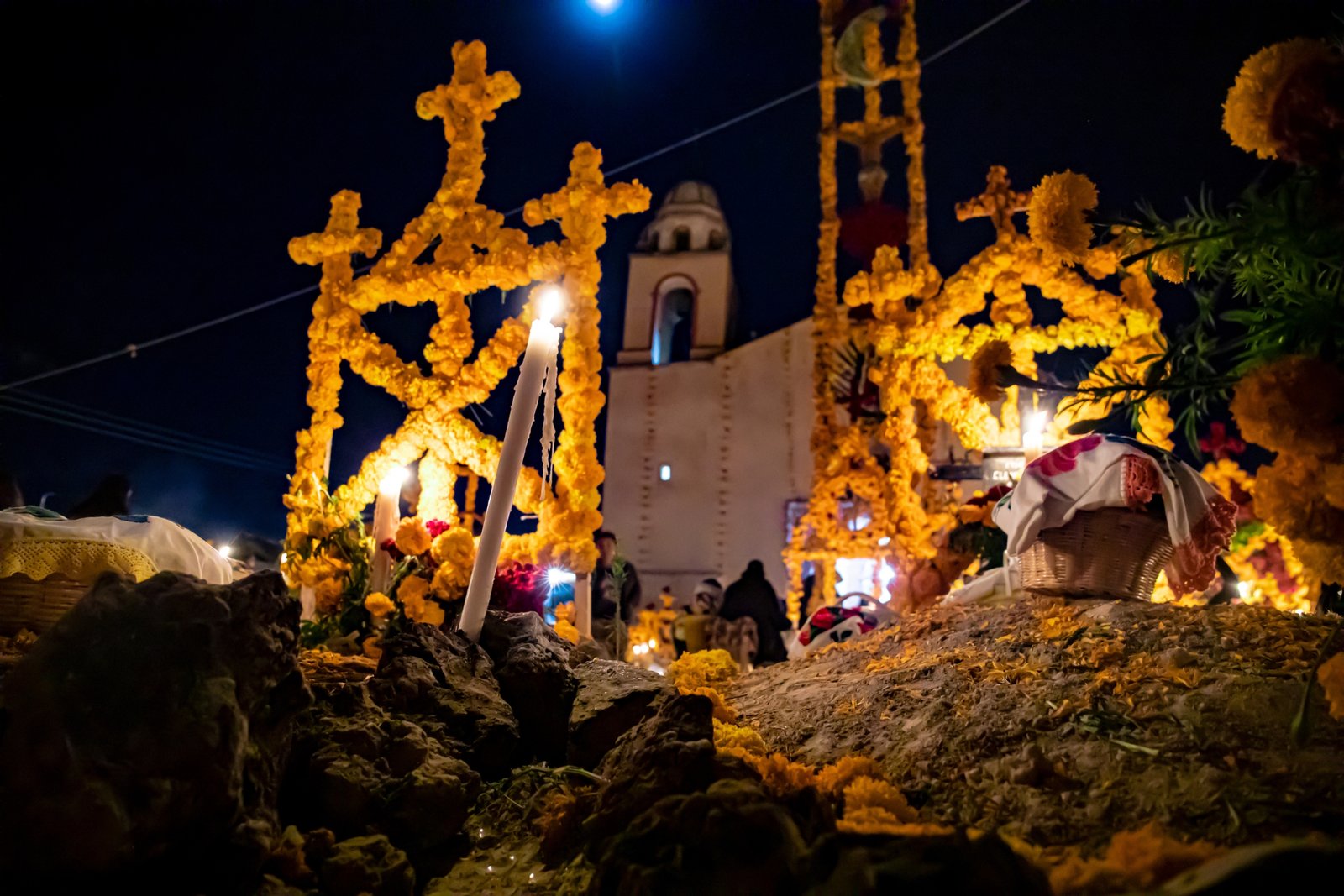
In some places the night vigil is central. Elsewhere, the important moment may take place during the day, in a home, a church, or the cemetery.
Janitzio, Tzintzuntzan, Santa Fe de la Laguna, Ihuatzio, Cuanajo, Jarácuaro, Urandén, and other communities should not be presented as interchangeable stages for the same tourism performance.
Each has its own organization, memory, and way of receiving its dead.
History, continuity, and transformation
Purépecha societies before the conquest had funerary practices and their own understandings of death. Archaeology and historical sources allow us to know part of that world.
The present celebration, however, cannot responsibly be described as a pre-Hispanic rite preserved unchanged to the present day.
Between that past and contemporary practices lie Christian evangelization, centuries of community transformation, new devotions, economic change, migration, and tourism.
What we find today are continuities, transformations, and cultural encounters, not an unbroken line that can be demonstrated in every detail.
Animecha Kejtzitakua
Cultural and community sources use Purépecha names such as Animecha Kejtzitakua, with spelling variants depending on the source.
Visit Pátzcuaro preserves those forms when they are linked with the people who use them, without imposing a single Spanish spelling as if it were definitive.
Naming is also part of memory.
What UNESCO recognizes
UNESCO inscribed the Indigenous festivity dedicated to the dead in Mexico on the Representative List of the Intangible Cultural Heritage of Humanity.
The inscription does not belong specifically to Pátzcuaro, Janitzio, or Lake Pátzcuaro.
The region forms part of a broader Mexican tradition while also preserving community expressions of its own that deserve to be explained from their context.
Flowers, offerings, and paths
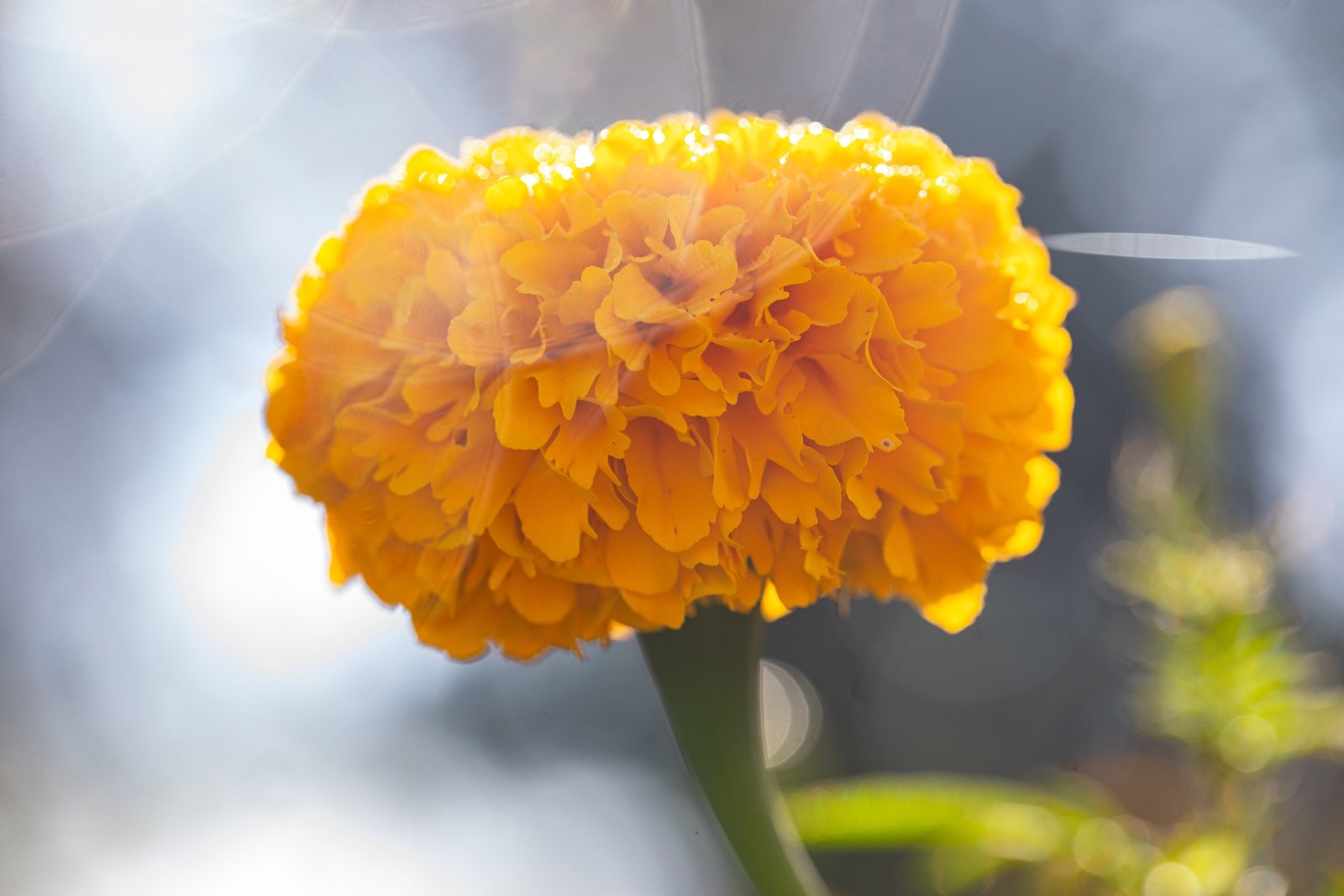
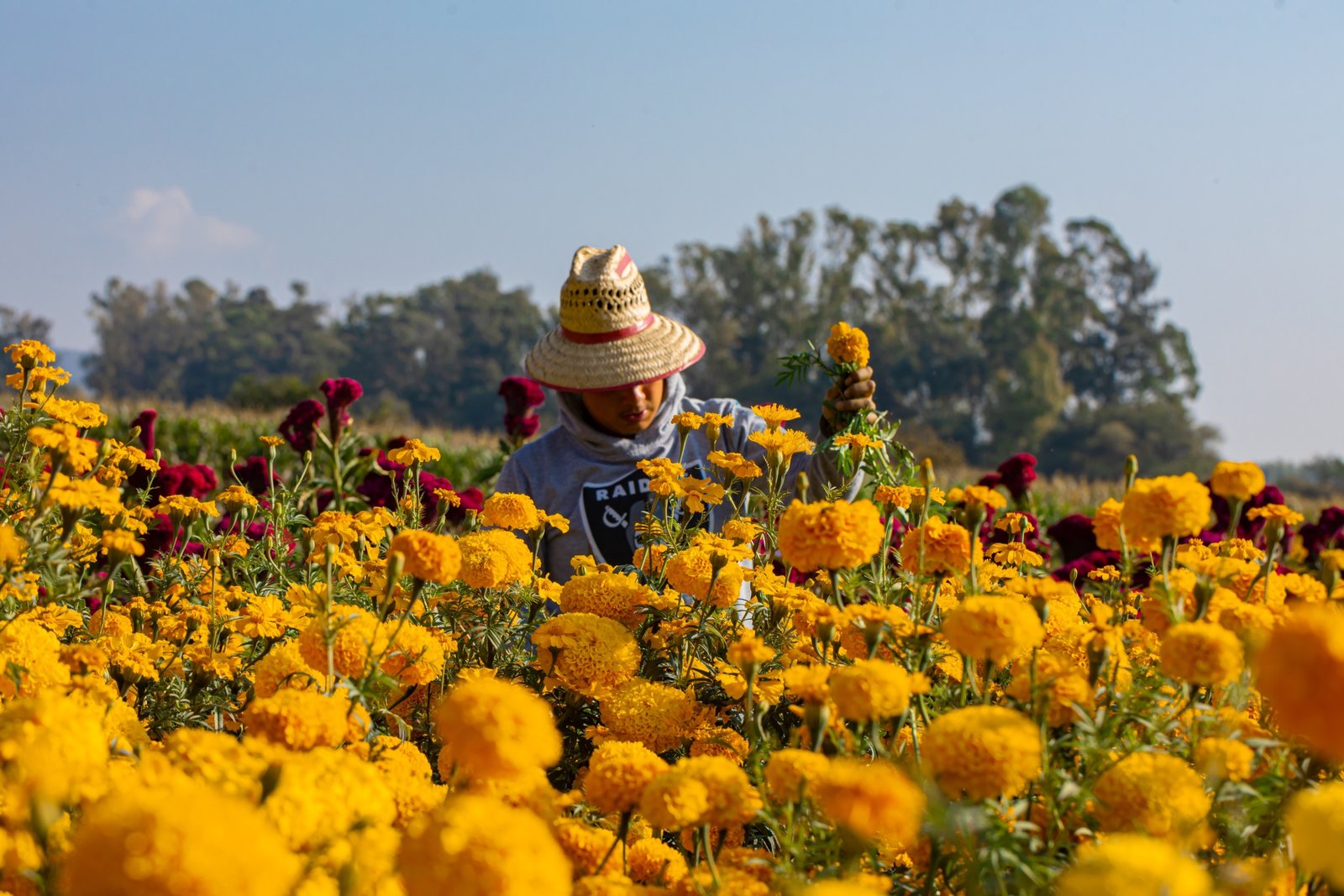
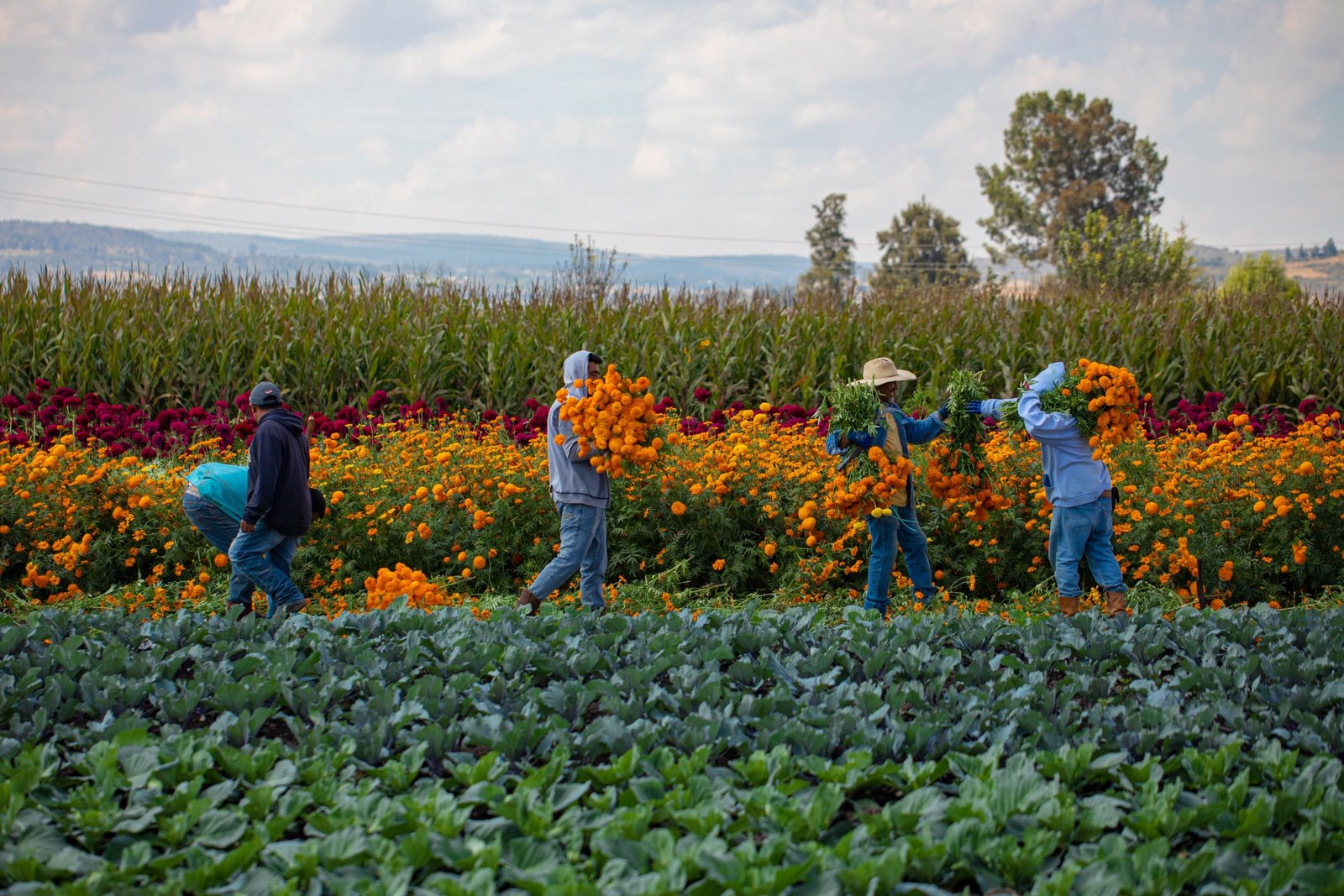
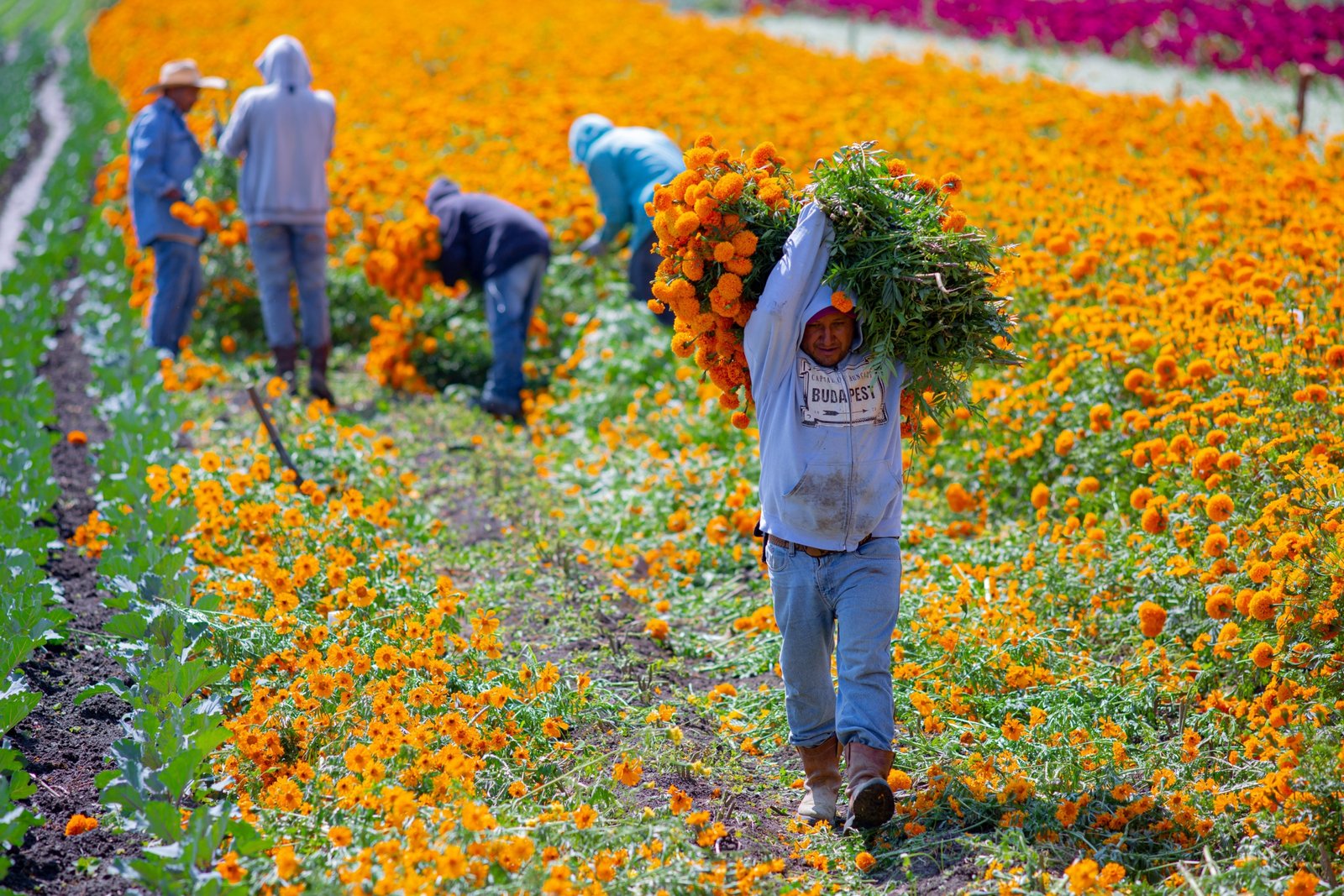
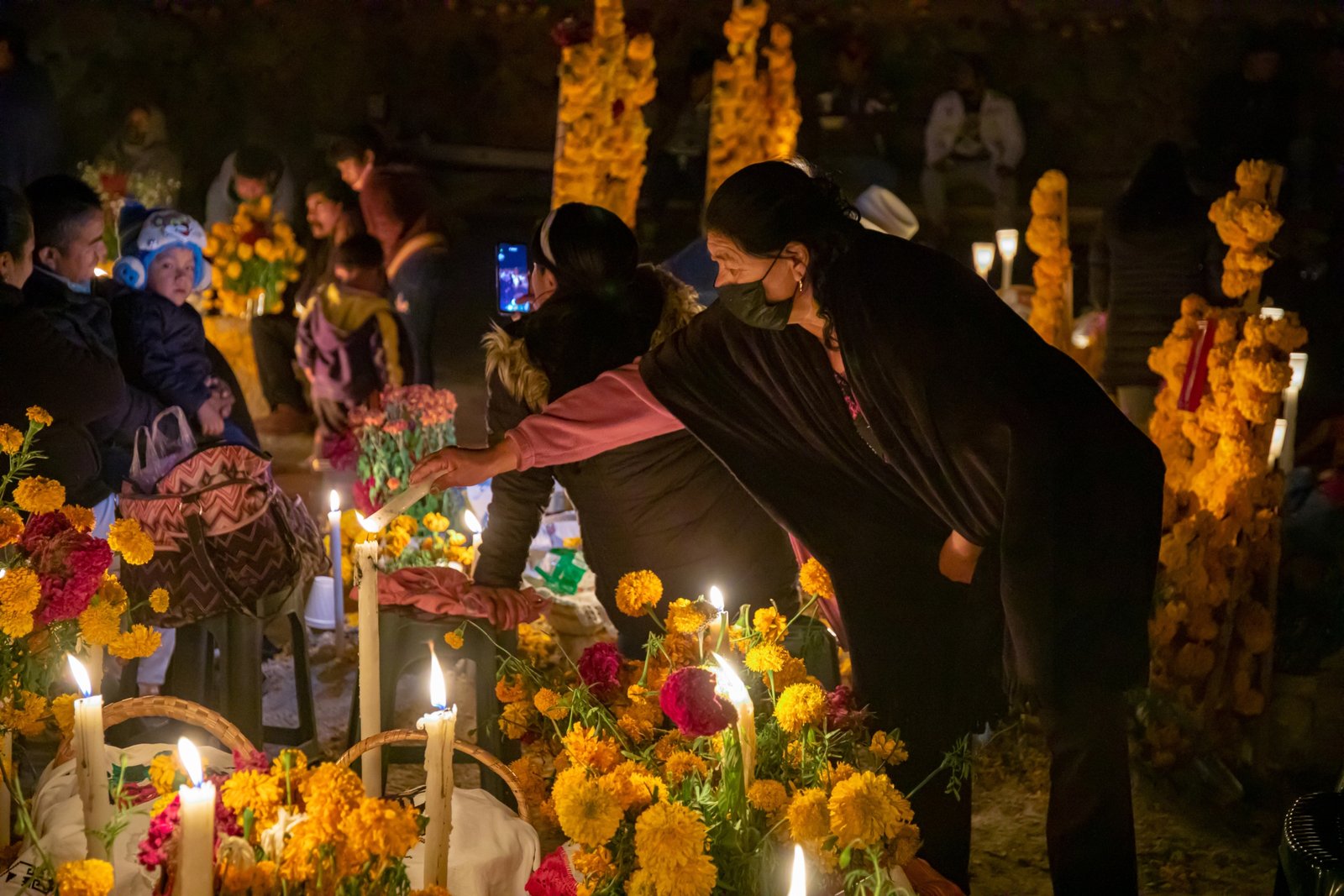
Marigolds, candles, bread, favorite foods of those who died, and other elements may appear in offerings.
But an offering is not a fixed checklist of objects.
Each family builds its own according to relationships, possibilities, and memory.
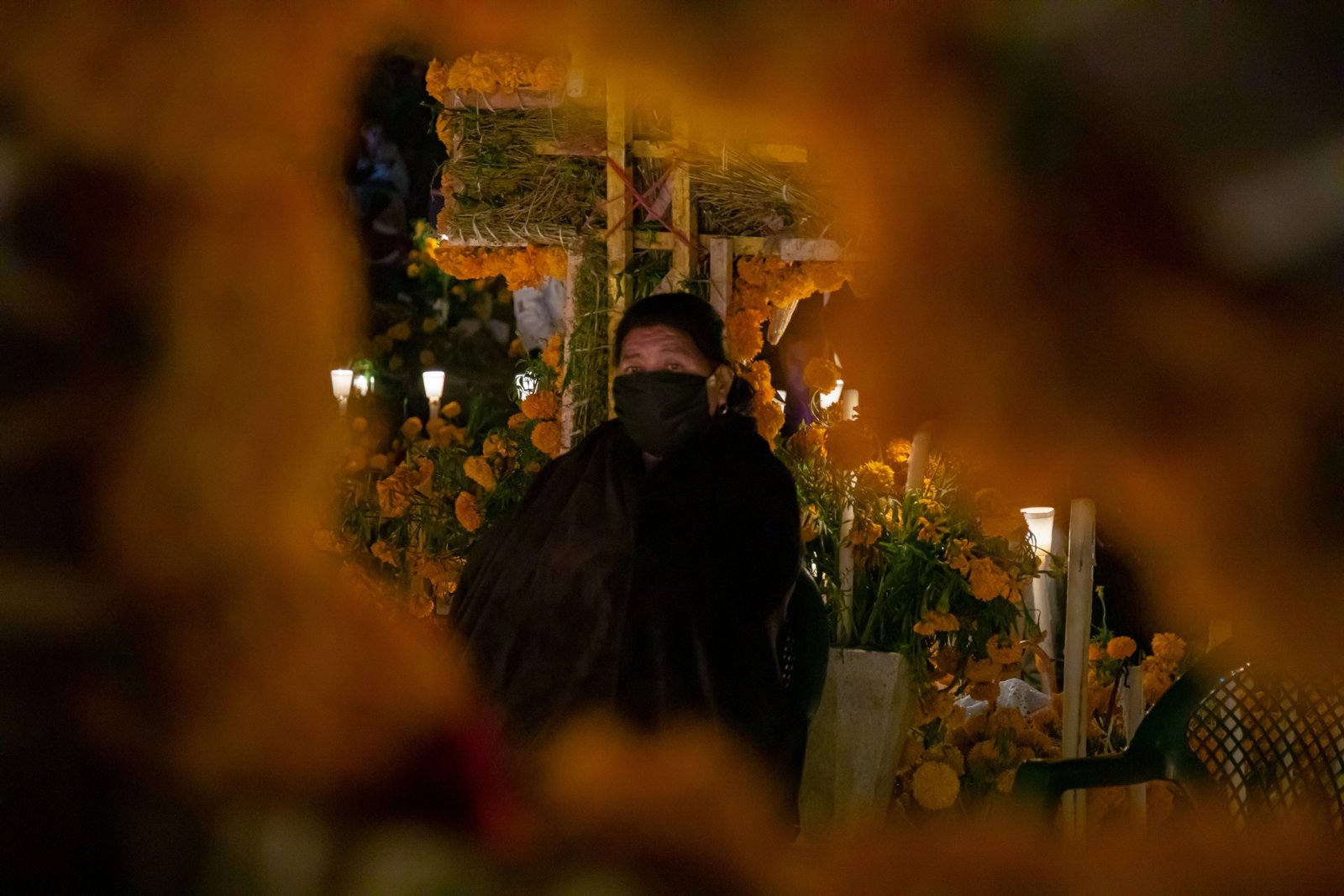
In cemeteries, cleaning a grave, bringing flowers, remaining beside it, and sharing food or conversation may form part of the family encounter.
Watching these gestures requires remembering that the visitor is entering a space of grief, affection, and belonging.
Tourism and transformation
The enormous tourism visibility of the Night of the Dead has transformed the region.
It has created economic opportunities and allowed many people to learn about these practices, but it has also produced crowding, pressure on communities and cemeteries, changes in schedules, and tensions between ritual life and visitor needs.
Ethnographic research in places such as Janitzio has shown that tourism is not an external layer without consequences.
It also changes what it observes.
For that reason, the best visit is not necessarily the one that tries to reach every place or collect the most photographs.
Understanding requires choosing, staying, and respecting.
A visitor’s guide to respect
A cemetery during a vigil is not a photo set.
Keep entrances and paths clear. Do not cross between a family and its grave to obtain an image. Avoid flash and ask before photographing people at close range, especially during prayer, mourning, or an offering.
Do not touch or rearrange altars or objects. Follow the guidance of each community and its authorities. If a place restricts access, hours, or photography, respect the decision.
And remember something simple: the fact that a celebration is public does not mean every moment belongs to you.
A region that cannot be covered in one night
Pátzcuaro can be a starting point for understanding the cycle, but Fiesta de las Ánimas belongs to a network of communities with voices of their own.
There is no need to try to “see everything.”
Choosing one place, arriving with time, walking, observing, and staying can teach much more than jumping from cemetery to cemetery.
Explore Fiesta de las Ánimas in greater depth
Experiencia Pátzcuaro brings together the specialized Fiesta de las Ánimas compendium: history, offerings, communities, visitor guidance, and practical information for each edition.
Explore the complete Fiesta de las Ánimas compendium in Experiencia Pátzcuaro →
Next edition / Practical information
The regional reference cycle runs from October 29 to November 3, with November 1 and 2 as the central dates.
Schedules, vigils, closures, access, transportation, restrictions, activities, and programs vary by community and edition.
Programs from previous years must not be reused as current information.
Information for the next edition is pending confirmation.
 EN
 ES