
 MAP
MAP SEARCH
Adress
Enseñanza SN, Centro, 61600 Pátzcuaro, Michoacán, México.
GPS
19.5136081, -101.6071375
Phone
Monday
CLOSED
Tuesday
09:00 – 17:00
Wednesday
09:00 – 17:00
Thursday
09:00 – 17:00
Friday
09:00 – 17:00
Saturday
09:00 – 17:00
Sunday
09:00 – 17:00
KNOW MORE PLACES
VISITA OTRAS LOCALIDADES
Former College of San Nicolás: University Cradle and Artisan Jewel
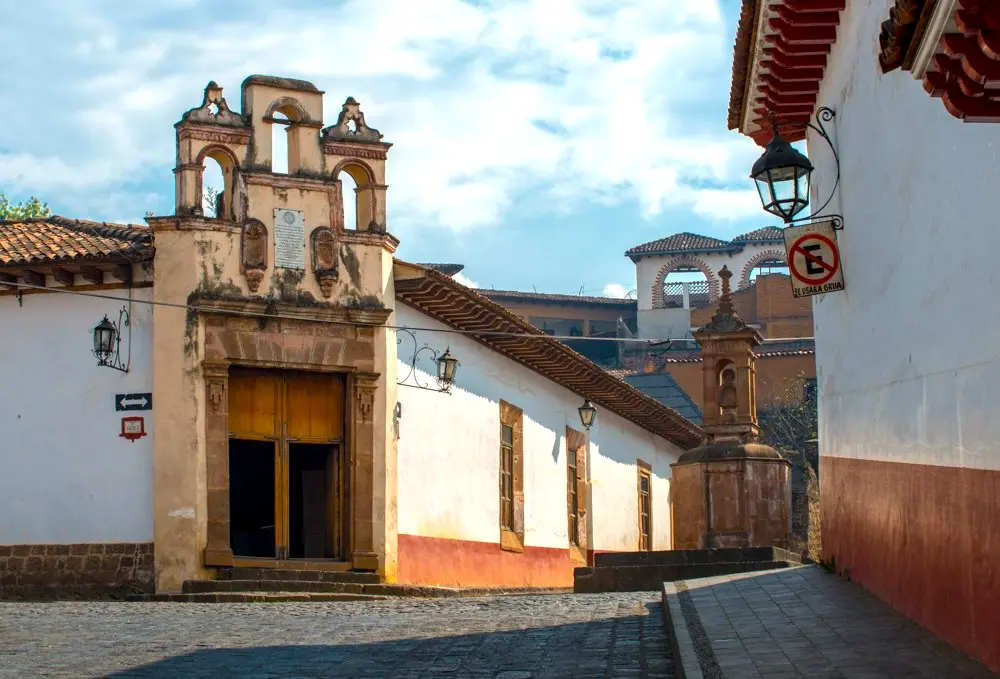
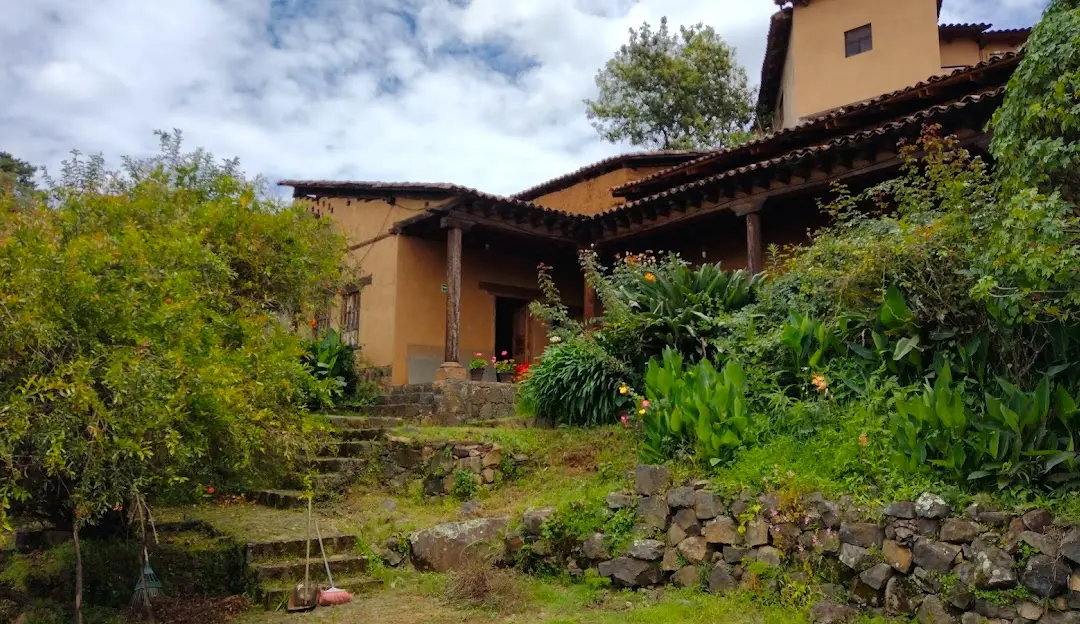
Location and Importance Strategically located on the corner of Árciga and Alcantarillas streets, just steps from the Basilica, stands one of the most emblematic buildings of Pátzcuaro: the Old College of San Nicolás.
Today it houses the Museum of Popular Arts and Industries (belonging to the INAH), but its walls tell the story of the birth of higher education on the continent.
History: The Origin of the Nicolaita University Founded by Don Vasco de Quiroga in 1540, this institution was born with a visionary mission: to train priests and leaders who understood both Spanish theology and the indigenous reality. Don Vasco placed it under the patronage of Saint Nicholas of Bari (Saint Nicholas the Bishop), patron saint of his hometown, Madrigal de las Altas Torres.
Its historical importance is monumental for two reasons:
Educational Model: It is said that its statutes and organization were so successful that they anticipated the Council of Trent. When the Church ordered the creation of modern seminaries years later, Don Vasco's model was already operating successfully in Pátzcuaro.
Continuity: It is considered one of the oldest colleges in the Americas. Although in 1580 the institution moved to Valladolid (now Morelia), merging with the College of San Miguel, its educational lineage was never broken. That institution evolved into the current Michoacan University of San Nicolás de Hidalgo (UMSNH), alma mater of heroes such as Miguel Hidalgo and José María Morelos.
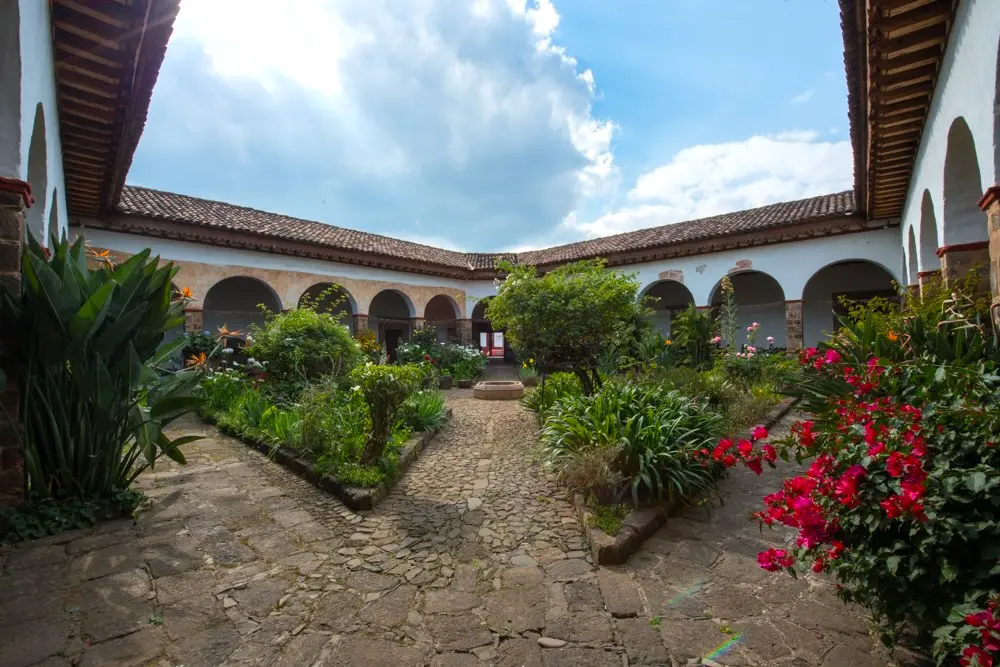
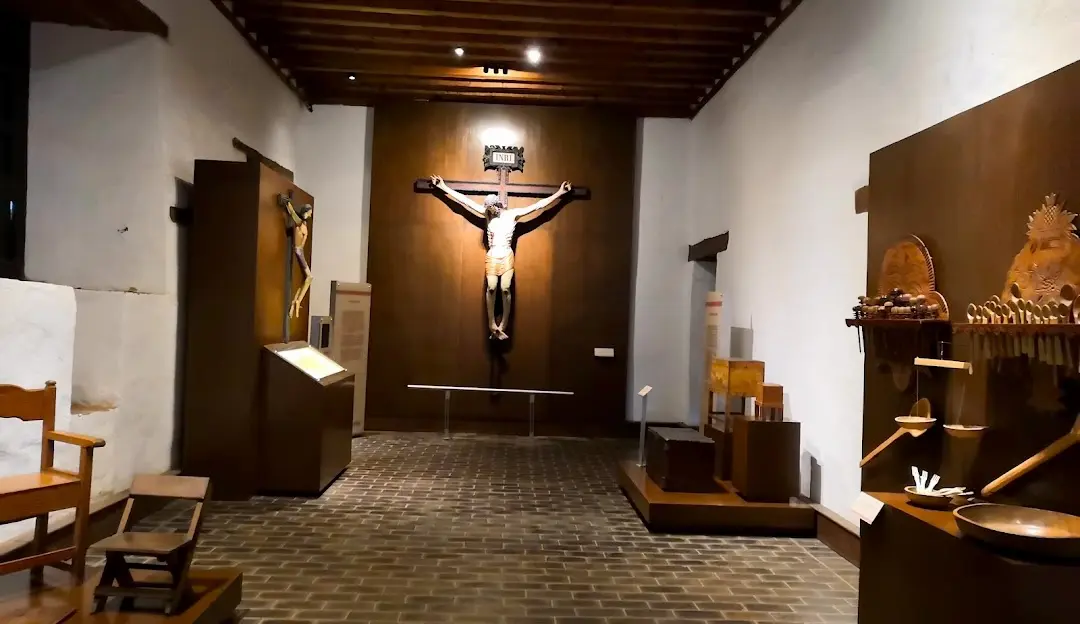
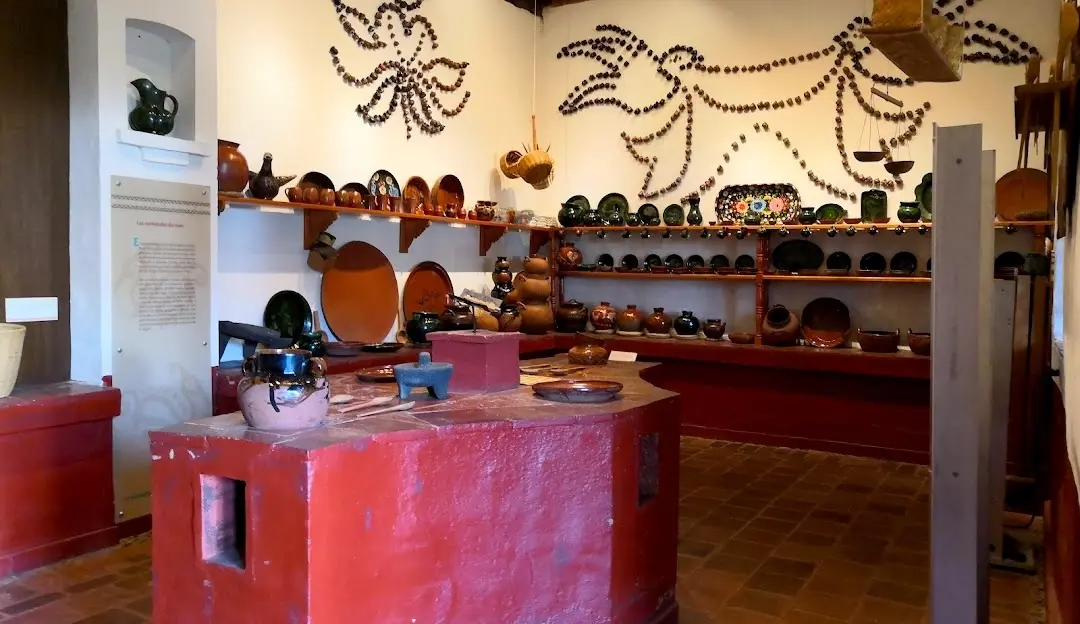
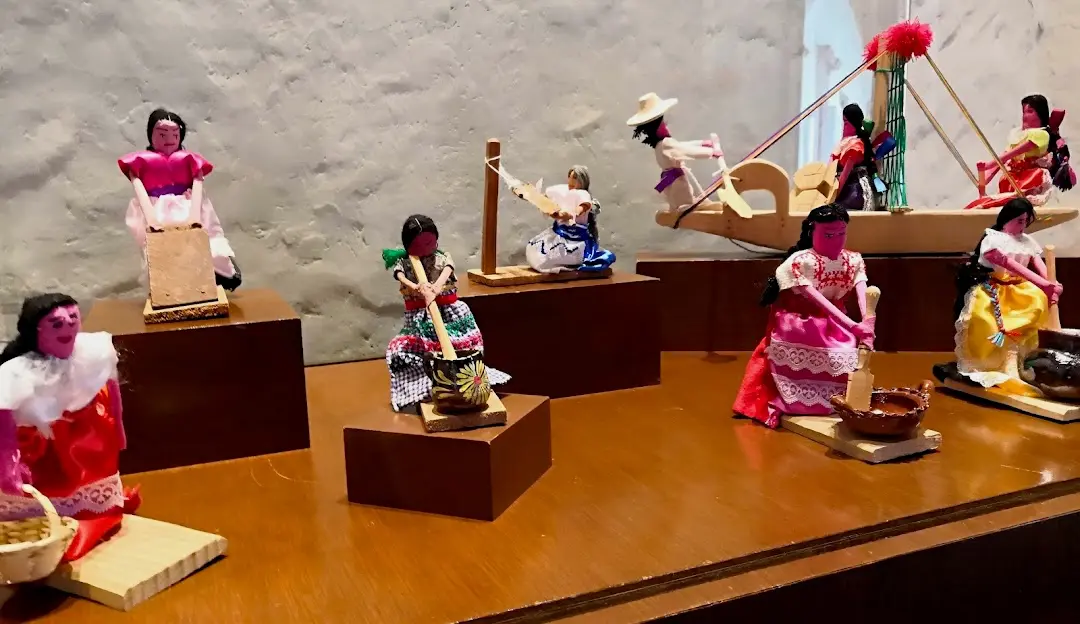
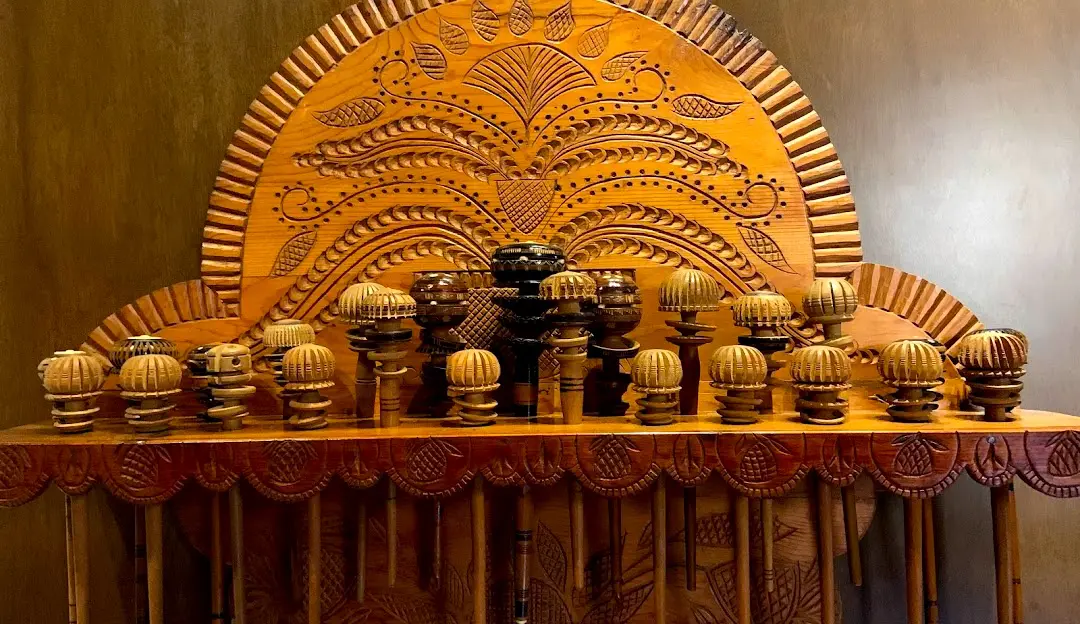
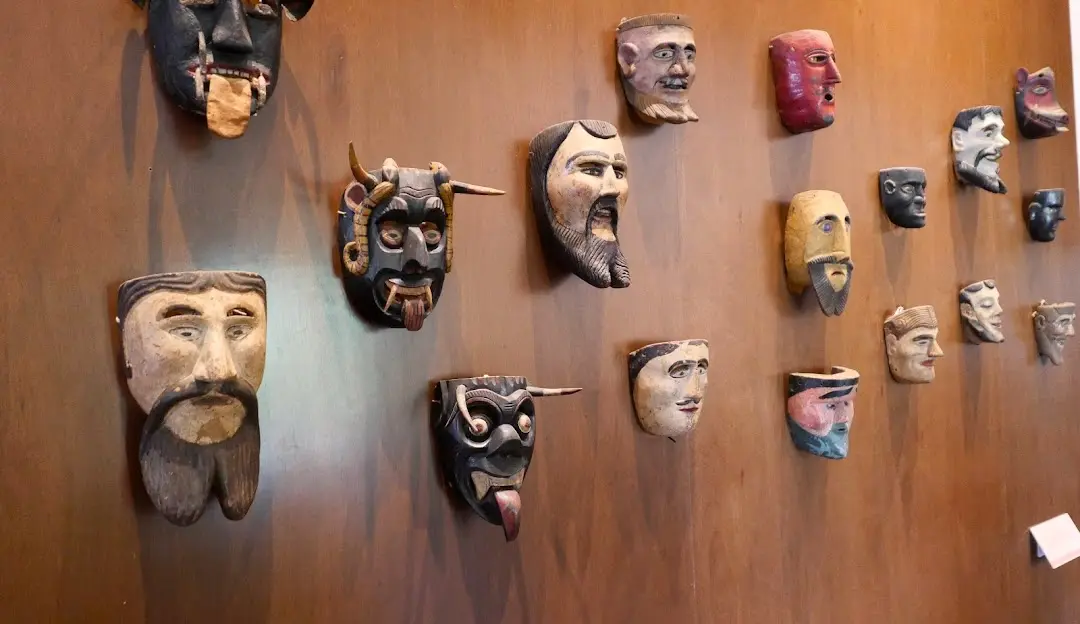
The Museum: A Journey Through the Hands of Michoacán The original building in Pátzcuaro retains its colonial architecture and today houses the most complete collection of folk art in the state. The museum is designed to showcase the richness of the crafts that Don Vasco himself promoted.
In its rooms you can admire:
Maque and Lacquer: Exquisite pieces (bowls, chests) from Uruapan, Pátzcuaro and Quiroga, showing pre-Hispanic inlay techniques and natural pigments.
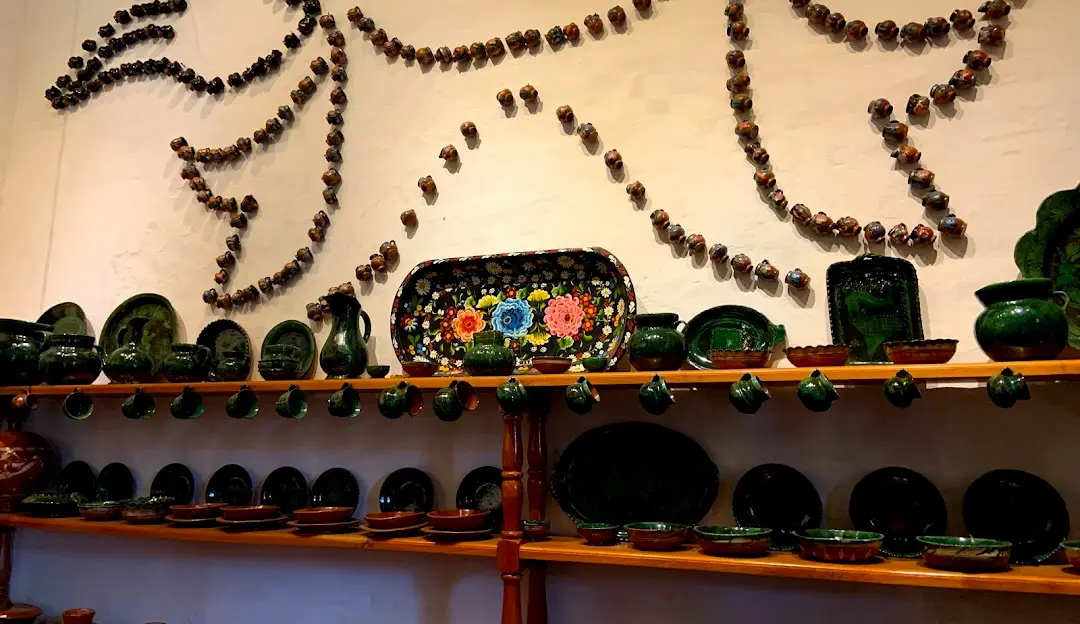
Pottery: From the glazed earthenware of Patamban to the famous pineapples of San José de Gracia and the catrinas of Capula.
Hammered Copper: Masterpieces of Santa Clara del Cobre.
Fibers and Textiles: Works in tule, chuspata and textiles from the lake area and the plateau.
Hidden Treasures of the Building Beyond the display cases, the building itself offers three secrets that the visitor must seek out:
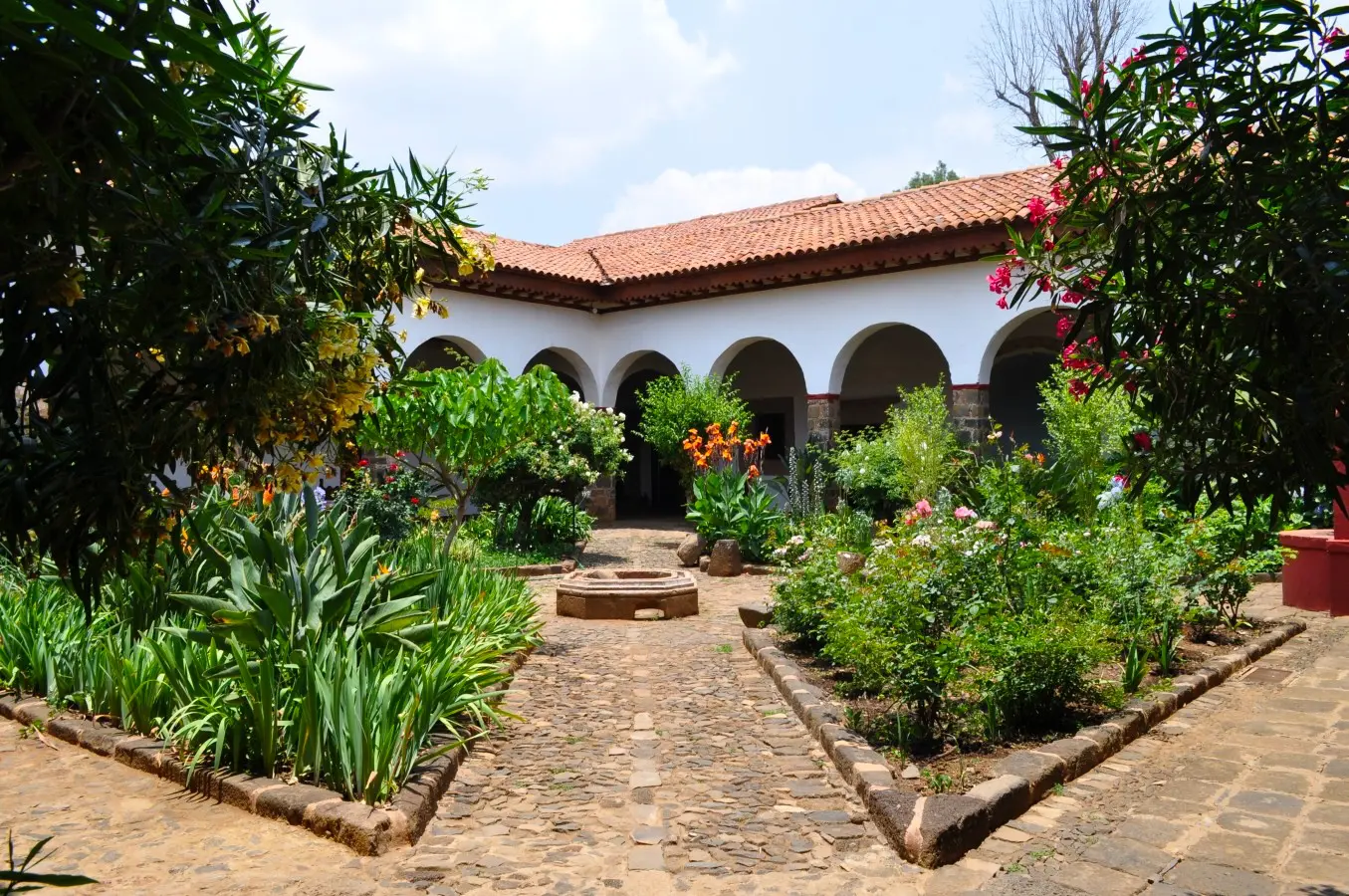
The Bone Floor: In the backyard, look for the unique paving made with cow bones (vertebrae and shinbones). An 18th-century technique used to give durability and aesthetic appeal to farmyards.
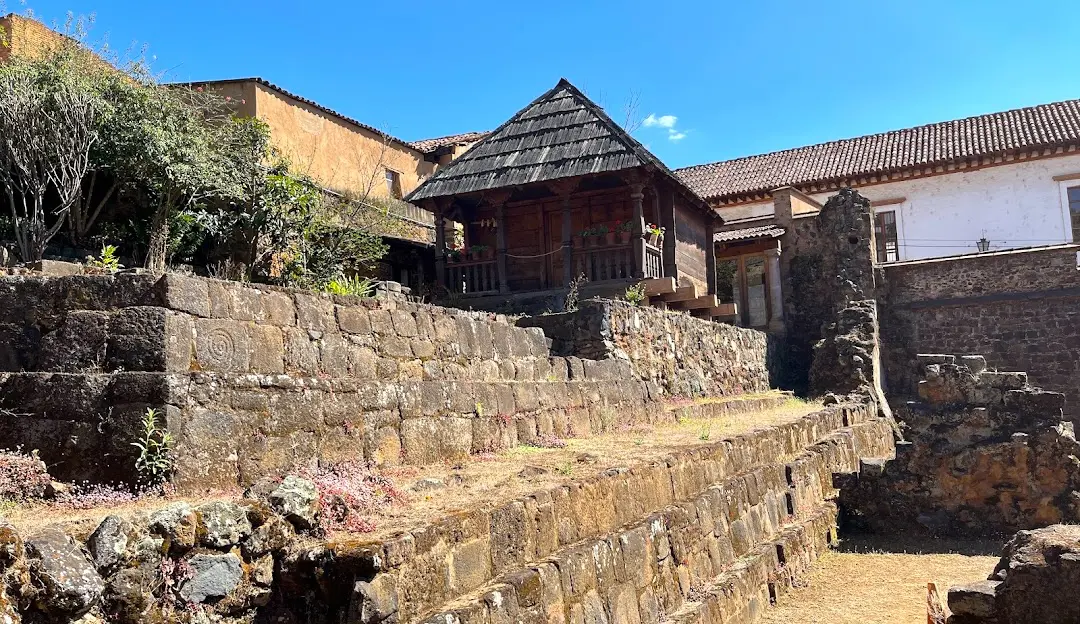
La Troje: An authentic Purépecha wooden dwelling (Troje), moved from the Sierra Michoacana to showcase vernacular architecture.
The Pre-Hispanic Foundations: The building, like many in Pátzcuaro, is built on an ancient platform or Yácata. In the back courtyard, it is possible to observe these archaeological remains upon which the colony was founded.
 EN
EN  ES
ES