
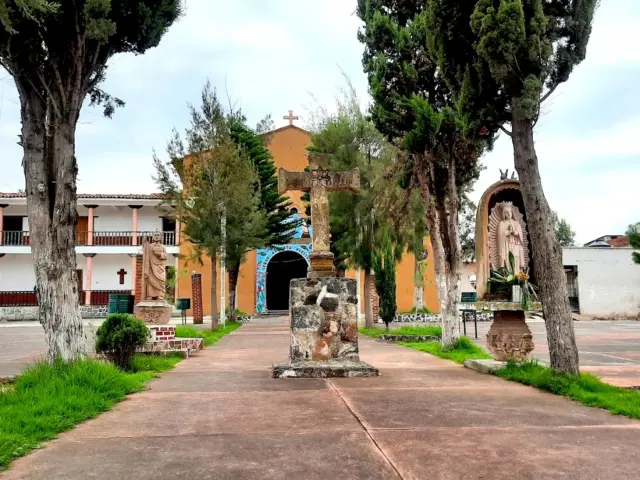
Ubicación: Jarácuaro
The Ancient Island of the Moon Goddess 🌕
Jarácuaro is a place where time seems to have a different rhythm. Its name, which in Purépecha evokes the "Place where Xaratanga (the Moon Goddess) is worshipped," reveals its sacred past.
Although you can reach it by car today, this town was once an island in Lake Pátzcuaro. Nature and human intervention joined its land to the mainland, but its soul remains insular and deeply mysterious.
📜 Cradle of History and Legend. Its roots run deep, dating back to around 550 AD. Here, the presence of Tariácuri, the great hero and priest of the empire, whose teachings forged the identity of the Purépecha people, is palpable. Jarácuaro was not just a village; it was a vital hub in the strategy and spirituality of the ancient state.
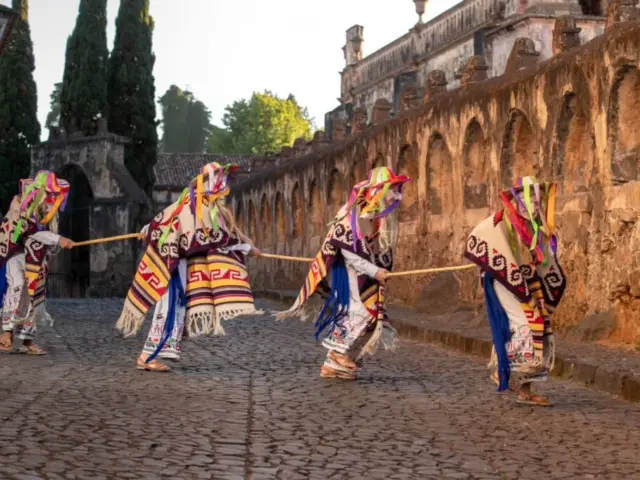
👴 The Home of “The Old Men” If Pátzcuaro is the heart, Jarácuaro is the rhythm. This community is world-renowned as the birthplace of the Dance of the Old Men (T’arhe Uarhukua). This is not simply a folk dance; it is a ritual of resistance, wisdom, and joy that has crossed borders. To see it performed here, in its place of origin, is to connect with the living root of the tradition.
👒 Hands that Weave Palm: The identity of Jarácuaro is also worn on the skin. The town is famous for its palm hats. Walking through its streets is to see artisans weaving natural fibers with ancient skill. Although agriculture (corn, beans, and wheat) now takes advantage of the fertile soils that were once lakebeds, palm crafts, textiles, and ceramics remain the cultural pride of its inhabitants.
The Baroque Treasure of the Island 🗝️ In the heart of Jarácuaro stands a stone witness to five centuries of history. The Temple of San Pedro, of Franciscan origin (16th century), is the spiritual heart of the community and a perfect example of Baroque architecture…
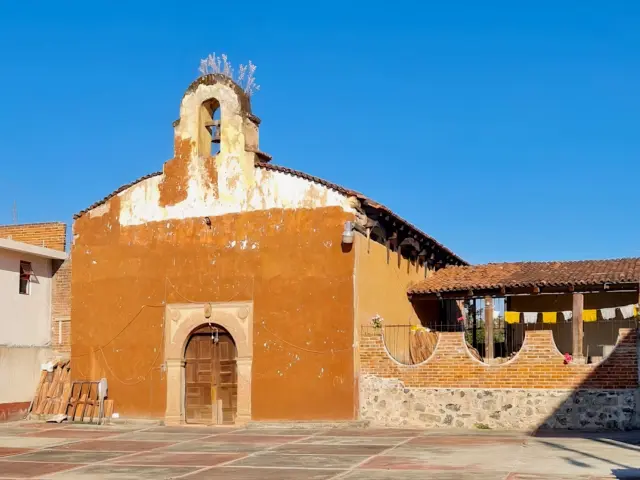
Ver másThe Nativity Chapel in Jarácuaro is a historic building dating back to the 17th century. It was built as part of a complex that included the temple and the Huatapera, a colonial hospital. The chapel has been restored on several occasions, and although it has undergone modifications, it remains an important…
Ver másIt is perhaps the most recognized icon of Michoacán in the world. But the Dance of the Old Men (T'arhe Uarhukua) is much more than a folkloric spectacle; it is a moving prayer born in this land, specifically in Jarácuaro. Originally, this dance was not for entertainment, but to give thanks. In times…
Ver másLight, seeds, and the "Raising" of the Christ Child. If you visit the artisan village of Tócuaro on February 2nd, you will witness one of the most deeply rooted traditions in Mexican family life: Candlemas. This date commemorates the presentation of the Christ Child at the Temple…
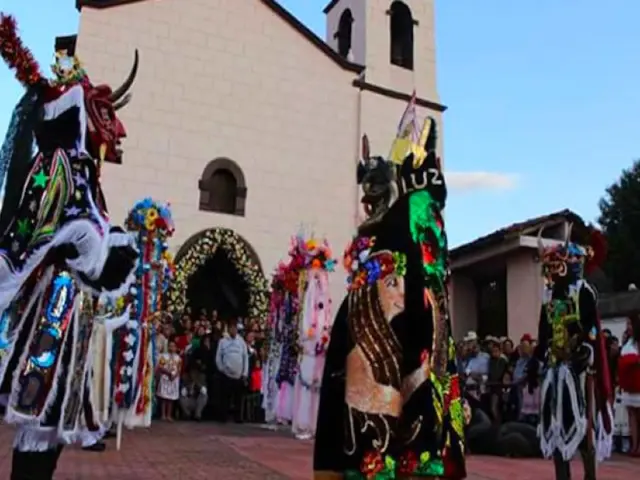
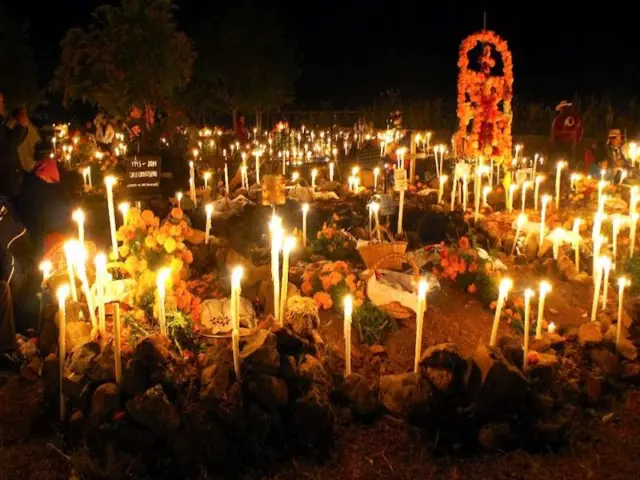
Ver másA Tradition That Defies Time The Day of the Dead is Mexico's most cherished commemoration, but in Michoacán it is, above all, a solemn manifestation of profound veneration. This tradition is not just a celebration: it is the result of a complex tapestry that weaves together funerary rituals…
Ver más