
 MAP
MAP SEARCH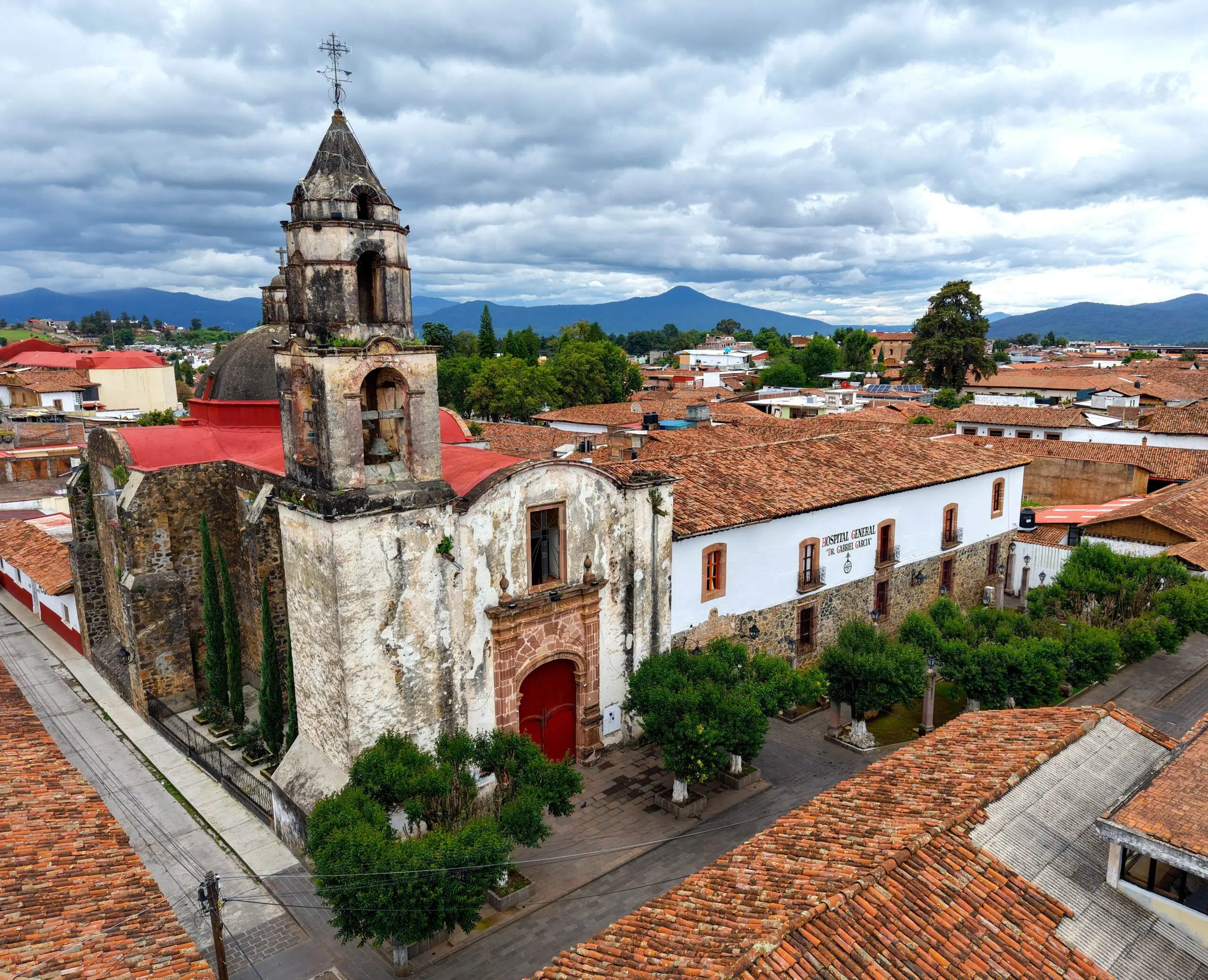
Templo de San Juan de Dios
Adress
San Juan de Dios 2, Centro, 61600 Pátzcuaro, Michoacán, México.
GPS
19.512500127324, -101.61079466343
Phone
Web
Monday
08:00 – 19:00
Tuesday
08:00 – 19:00
Wednesday
08:00 – 19:00
Thursday
09:00 – 19:00
Friday
08:30 – 19:00
Saturday
09:00 – 17:00
Sunday
09:00 – 19:00
KNOW MORE PLACES
VISITA OTRAS LOCALIDADES
TEMPLE AND HOSPITAL OF SAINT JOHN OF GOD: FAITH AND HEALING
The place where Renaissance architecture, sacred art and medicine have coexisted for more than three centuries.
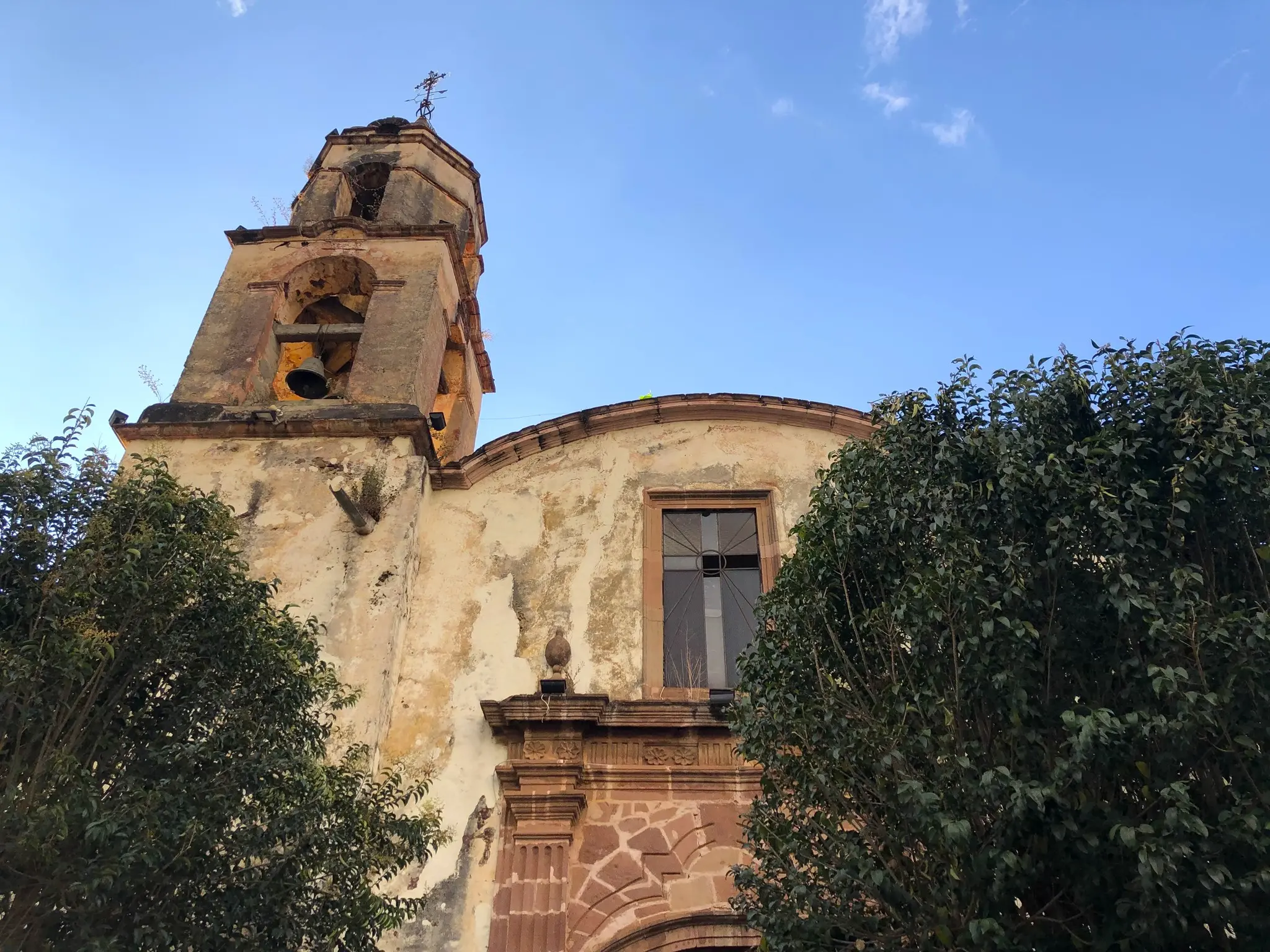
In a city steeped in history like Pátzcuaro, there are corners that hold stories of profound humanity. The ensemble of Temple and Hospital of Saint John of God It is one of them. Located a few blocks from the Plaza Grande, this site is not only a place of worship, but the living testimony of the hospitable vocation that has characterized the city since the time of Don Vasco de Quiroga.
We invite you to explore its halls and discover its treasures.
Chapter 1: The Arrival of the Juaninos (1672)
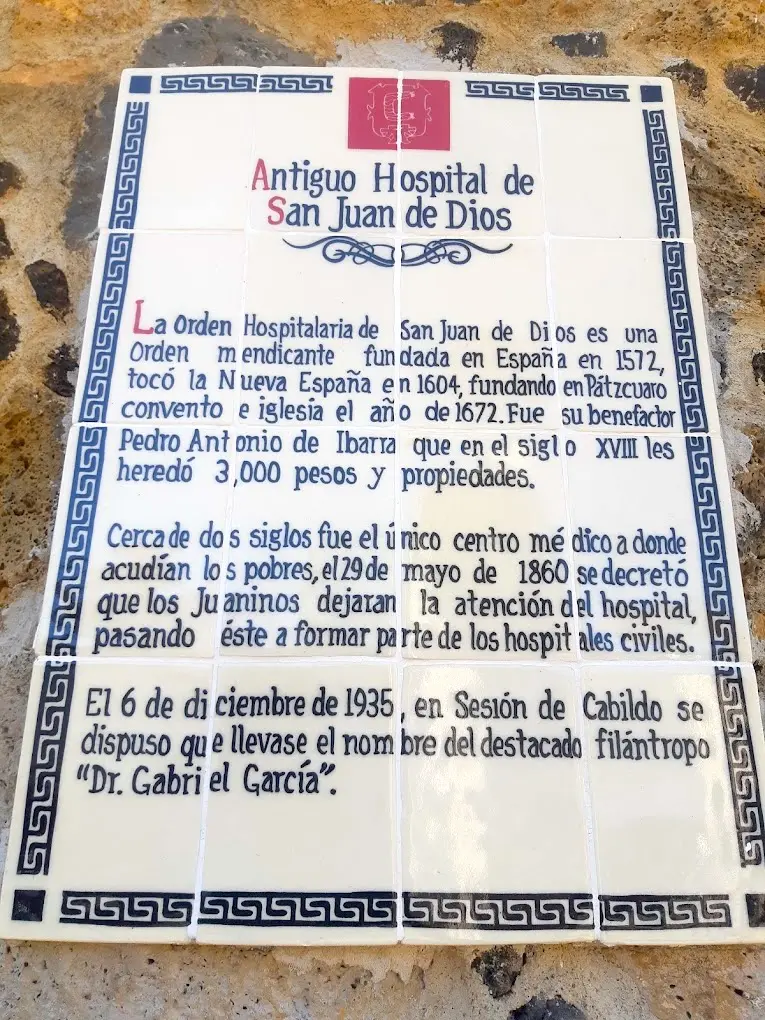
The story begins in 1672, when the religious of the Hospitaller Order of Saint John of God (known as "Juaninos") founded their convent complex in Pátzcuaro. Their mission was clear: to heal the body and save the soul. For almost two centuries, this was the epicenter of public health in the region, administered by friars who combined prayer with the medicine of the time.
Chapter 2: A Patron and Water (18th Century)
A mediados del 18th century, the complex experienced its golden age thanks to Don Pedro de IbarraIbarra, a prominent and wealthy resident of the city, not only left a substantial sum of money and several properties for the hospital's upkeep, but also financed a vital engineering project: the introduction of the water system to the establishment, guaranteeing hygiene and service for the sick of the time.
Chapter 3: Architectural Metamorphosis (1841)
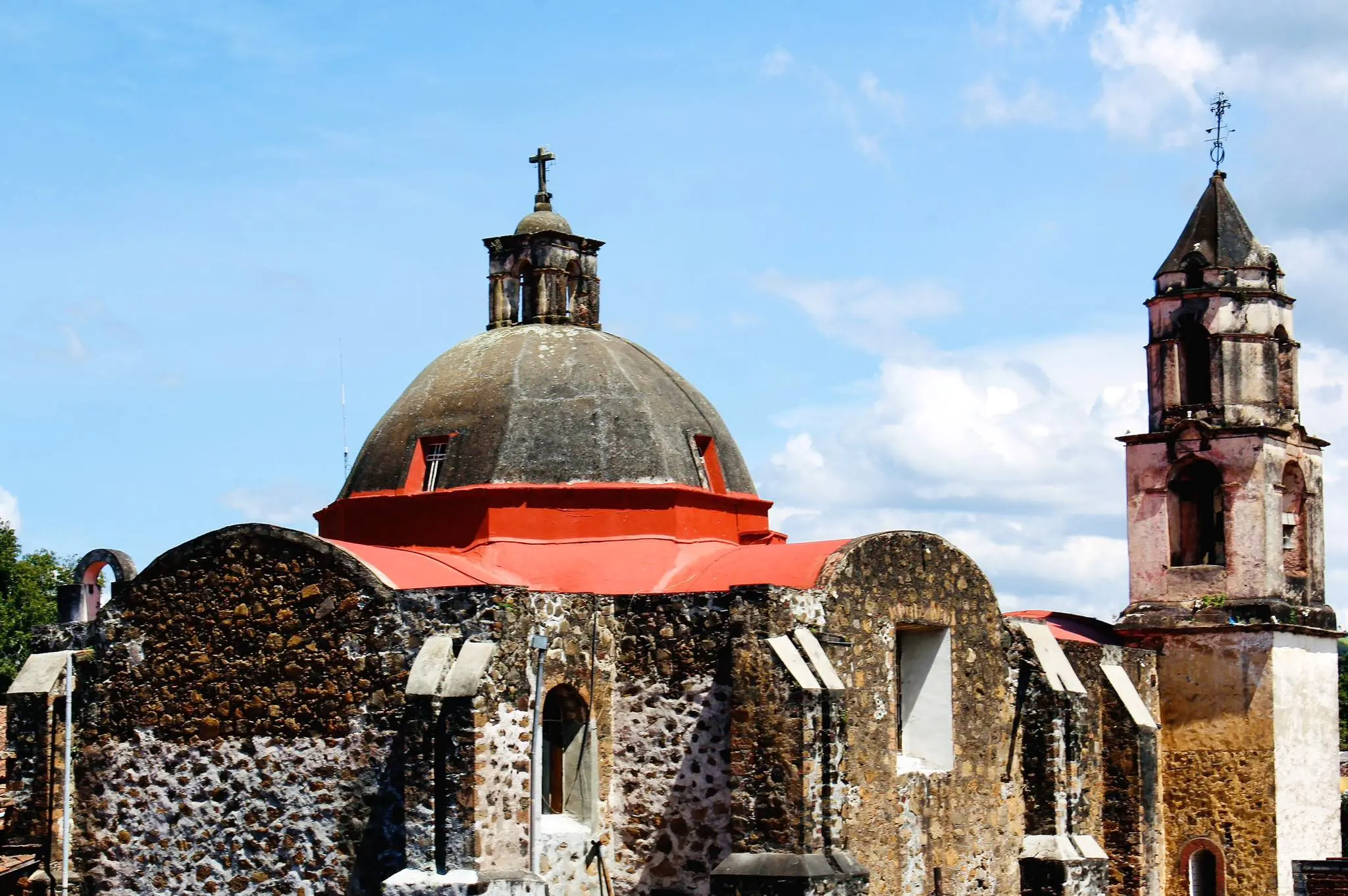
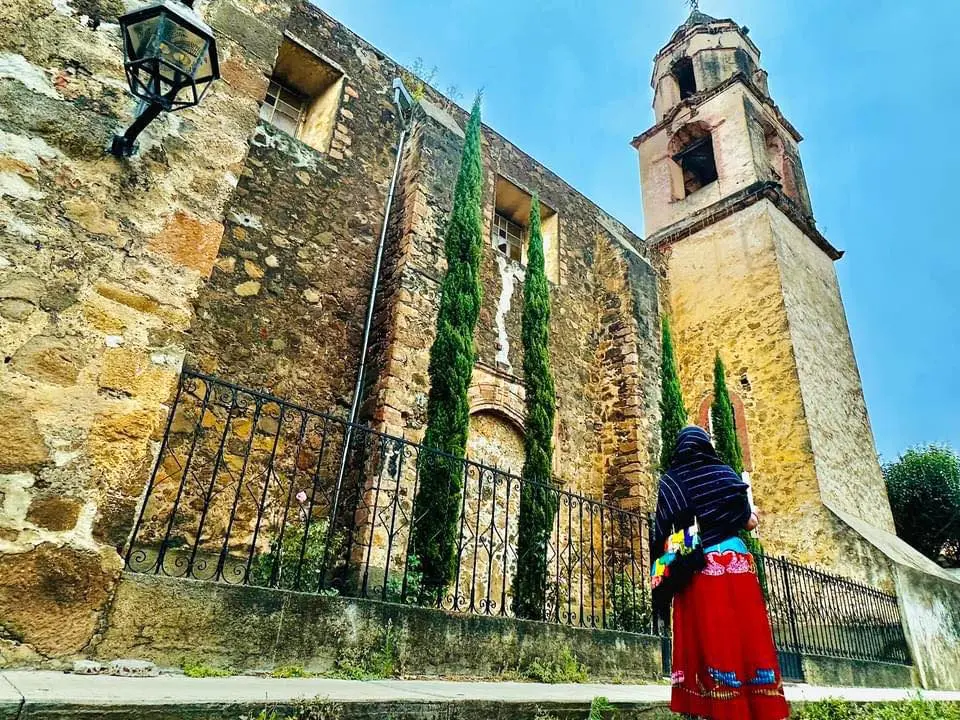
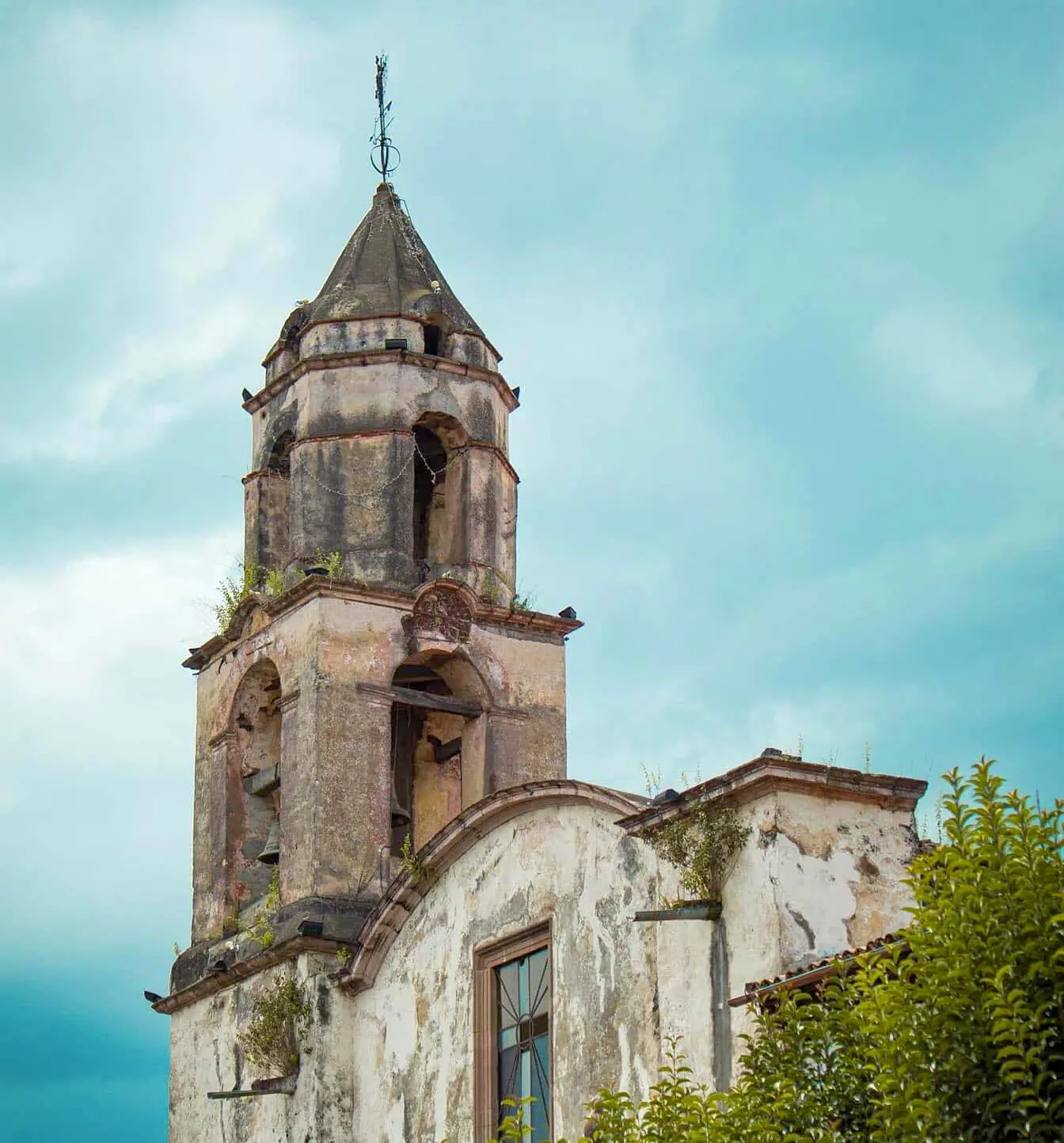
The building we see today is a dialogue between styles.
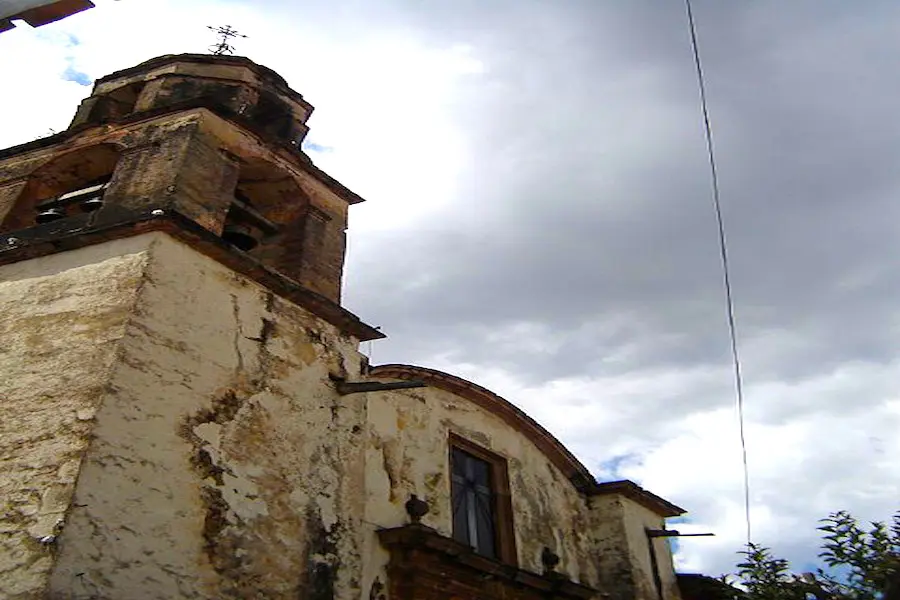
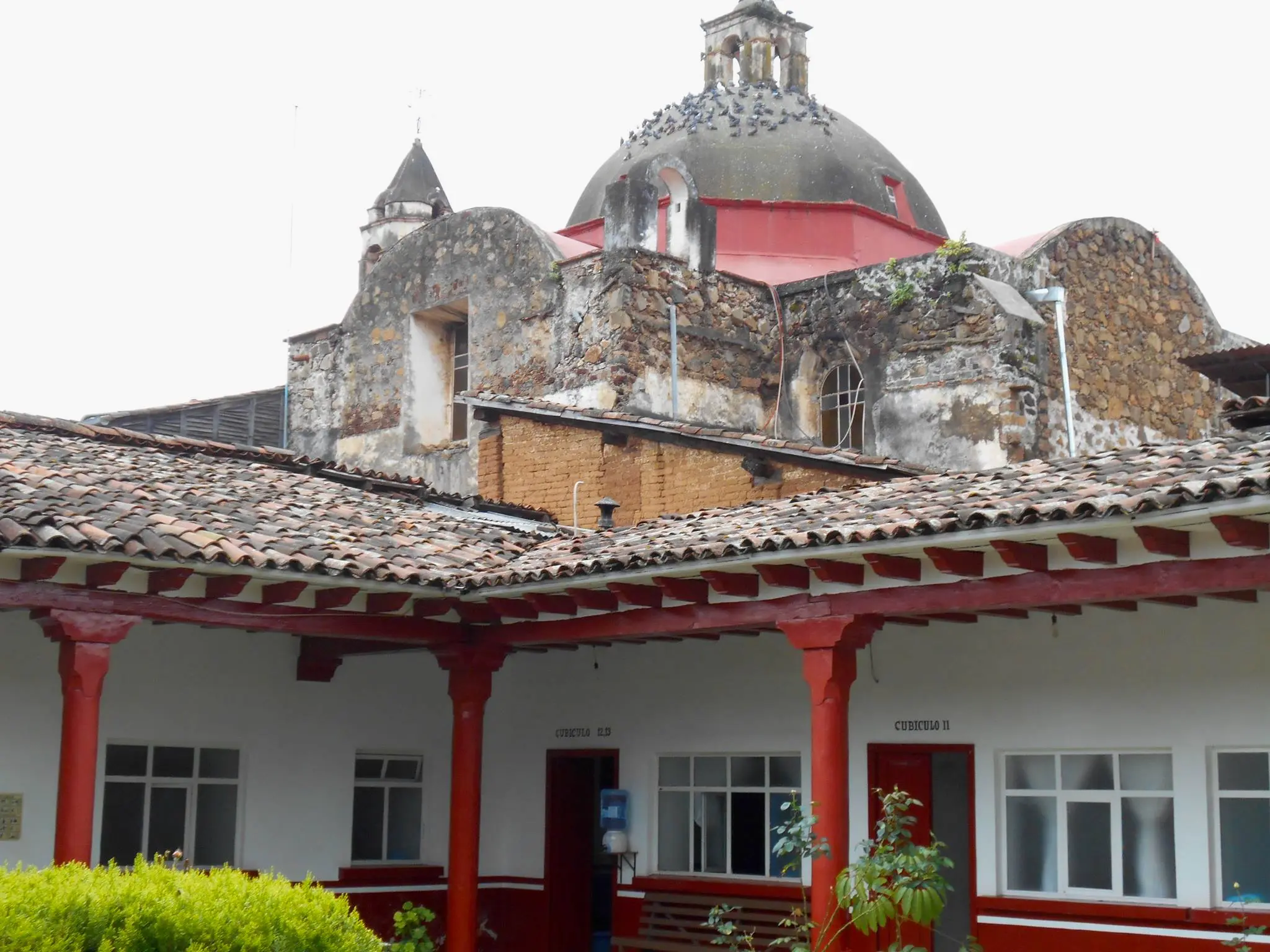
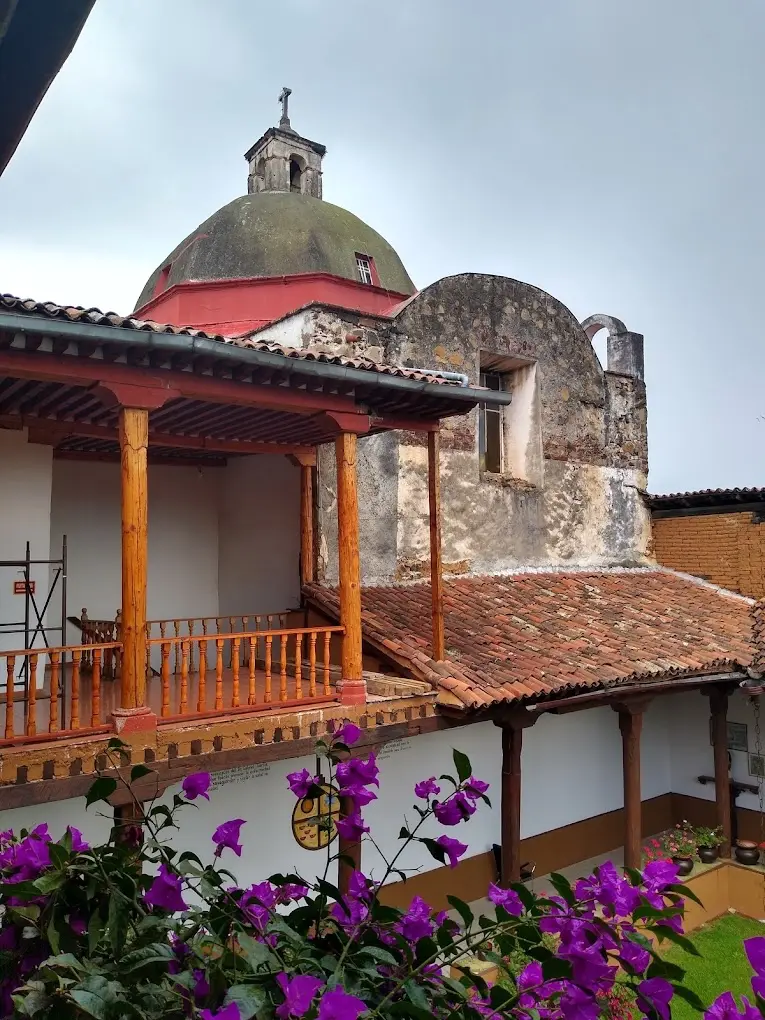
The Temple: Although its origin is Baroque, it underwent a major restoration in 1841, adopting the neoclassical style that prevailed in the 19th century. Its floor plan is in the shape of a Latin cross.
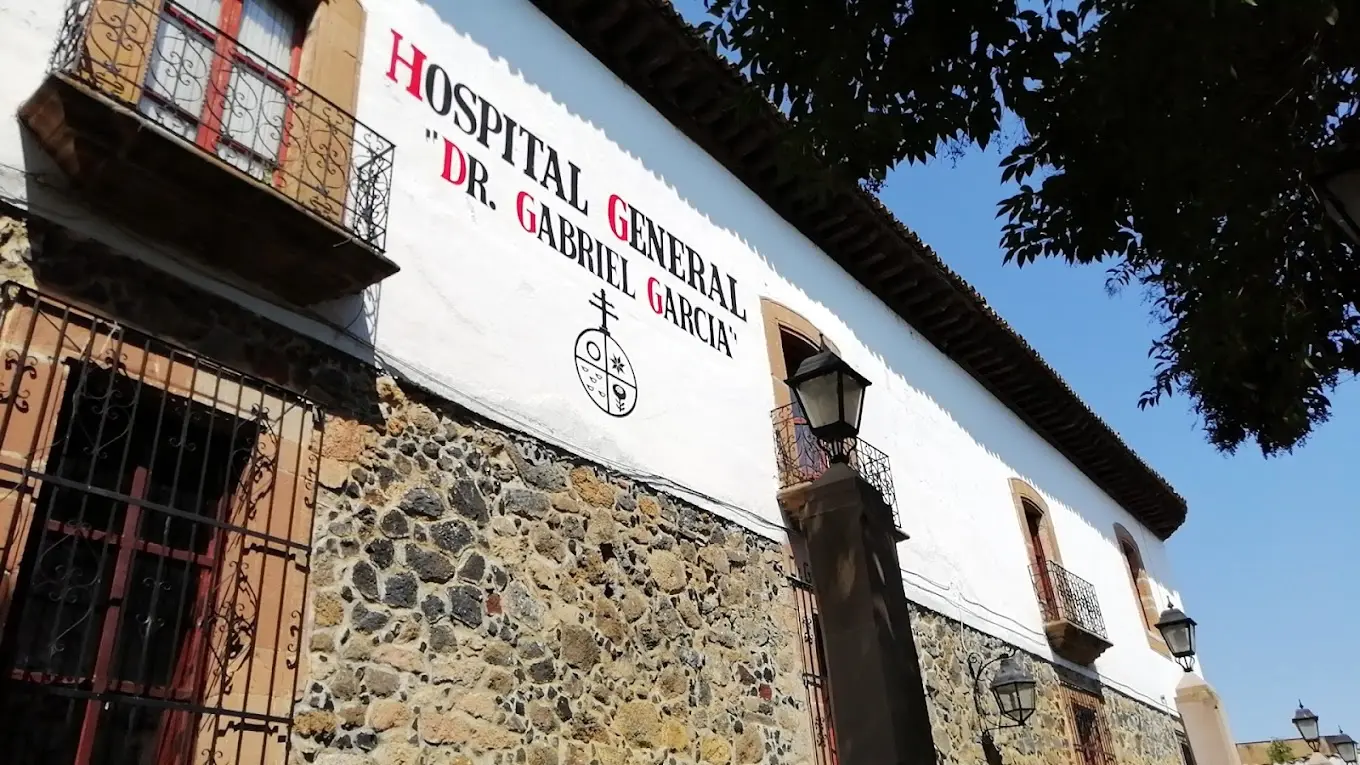
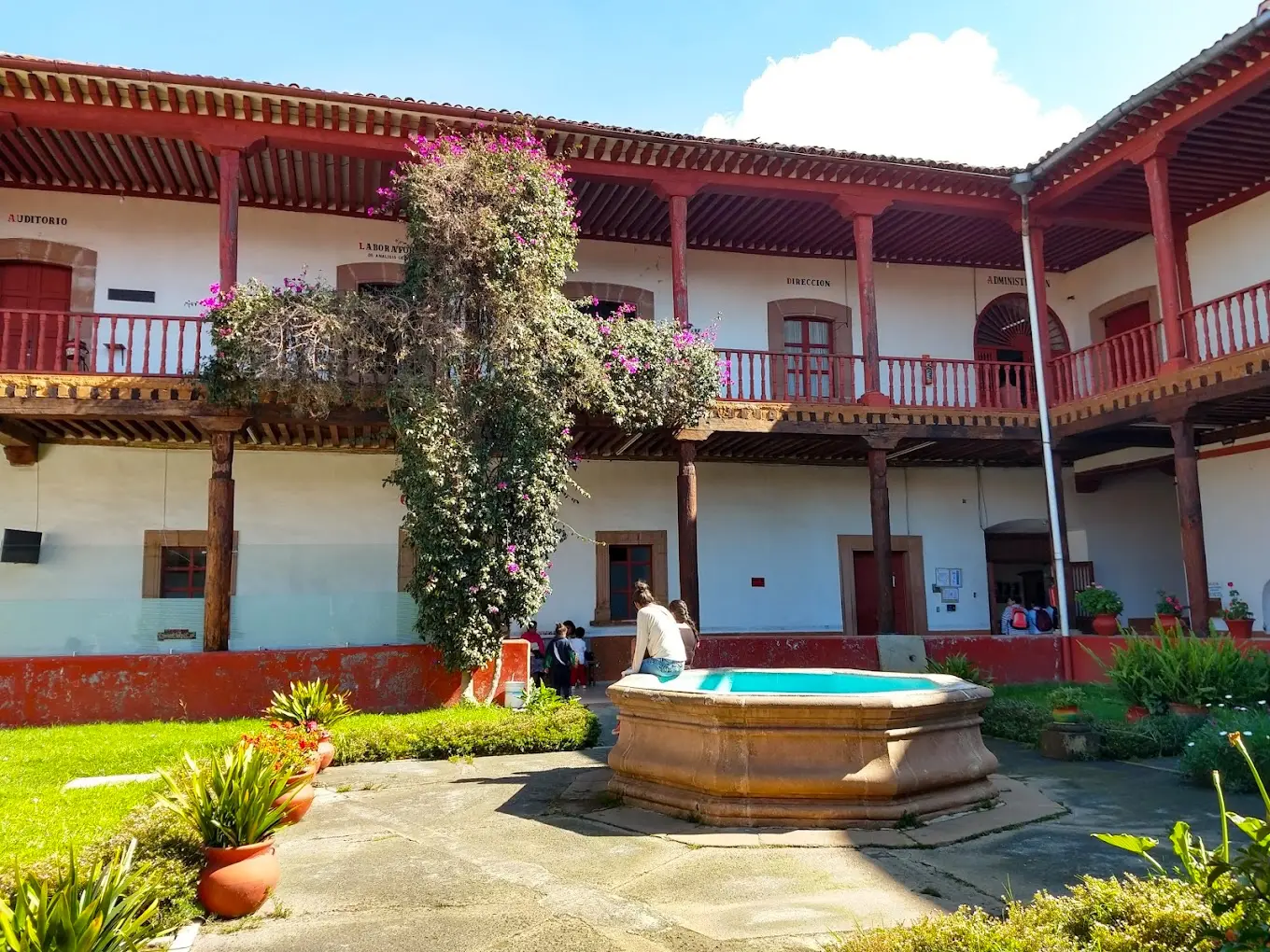
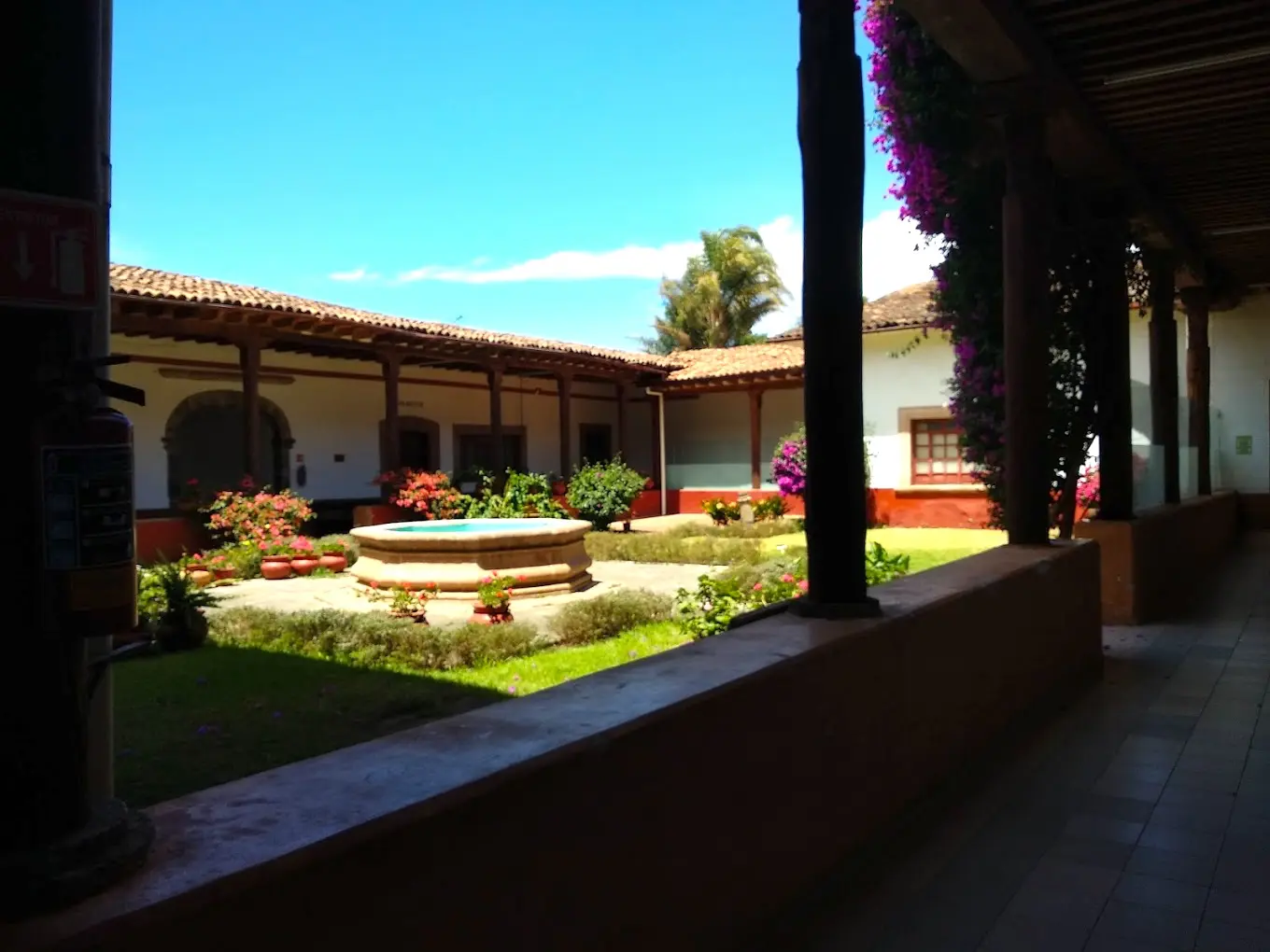
The Hospital: Unlike the temple, the facade of the old hospital retained its estilo barroco sencillo, maintaining the original essence of its foundation.
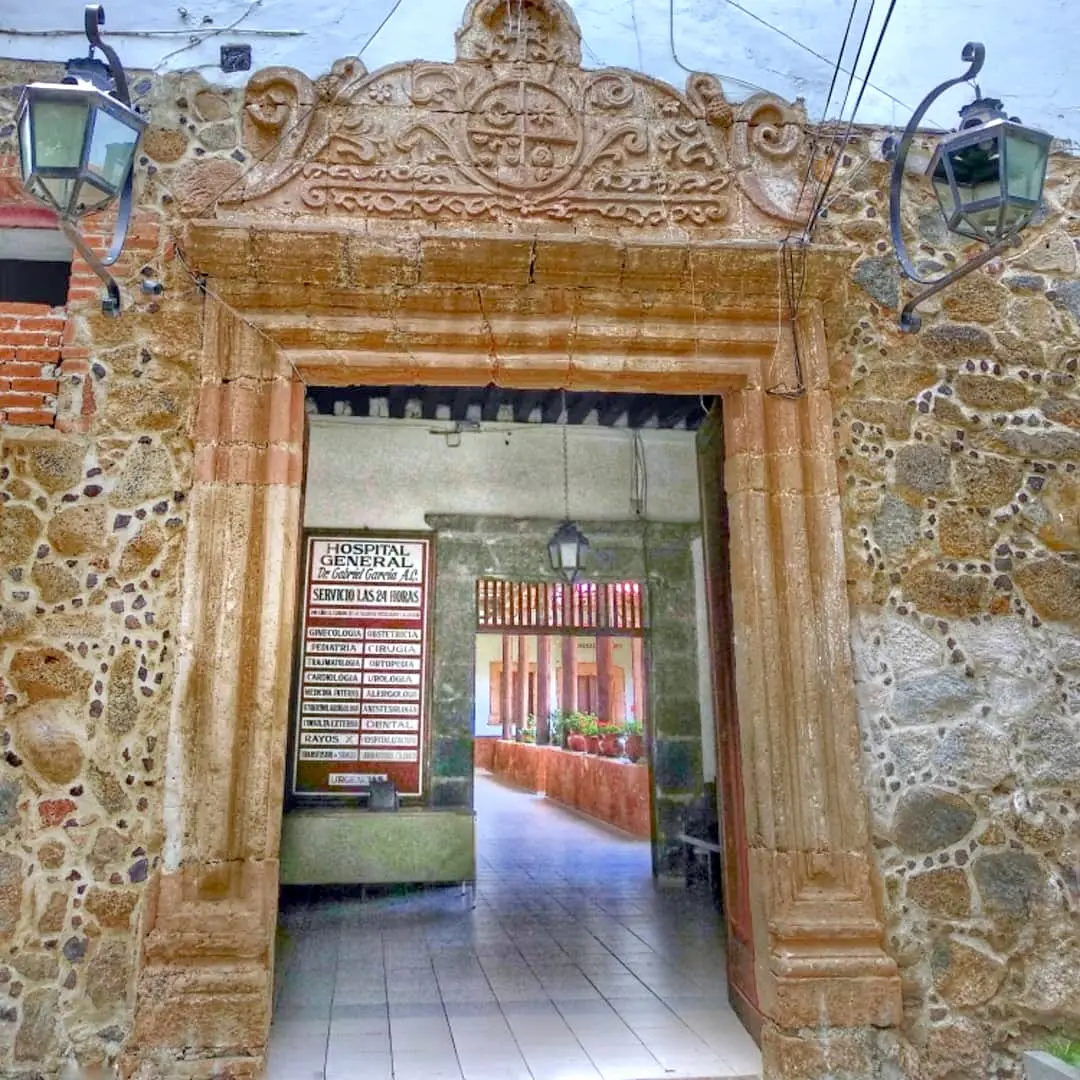
The Hidden Gem: Pay attention to the entrance door to the cloister; it is considered one of the finest examples of Renaissance style the most beautiful that exist in the city, a detail that often goes unnoticed by the hurried visitor.
Chapter 4: Treasures of Sacred Art
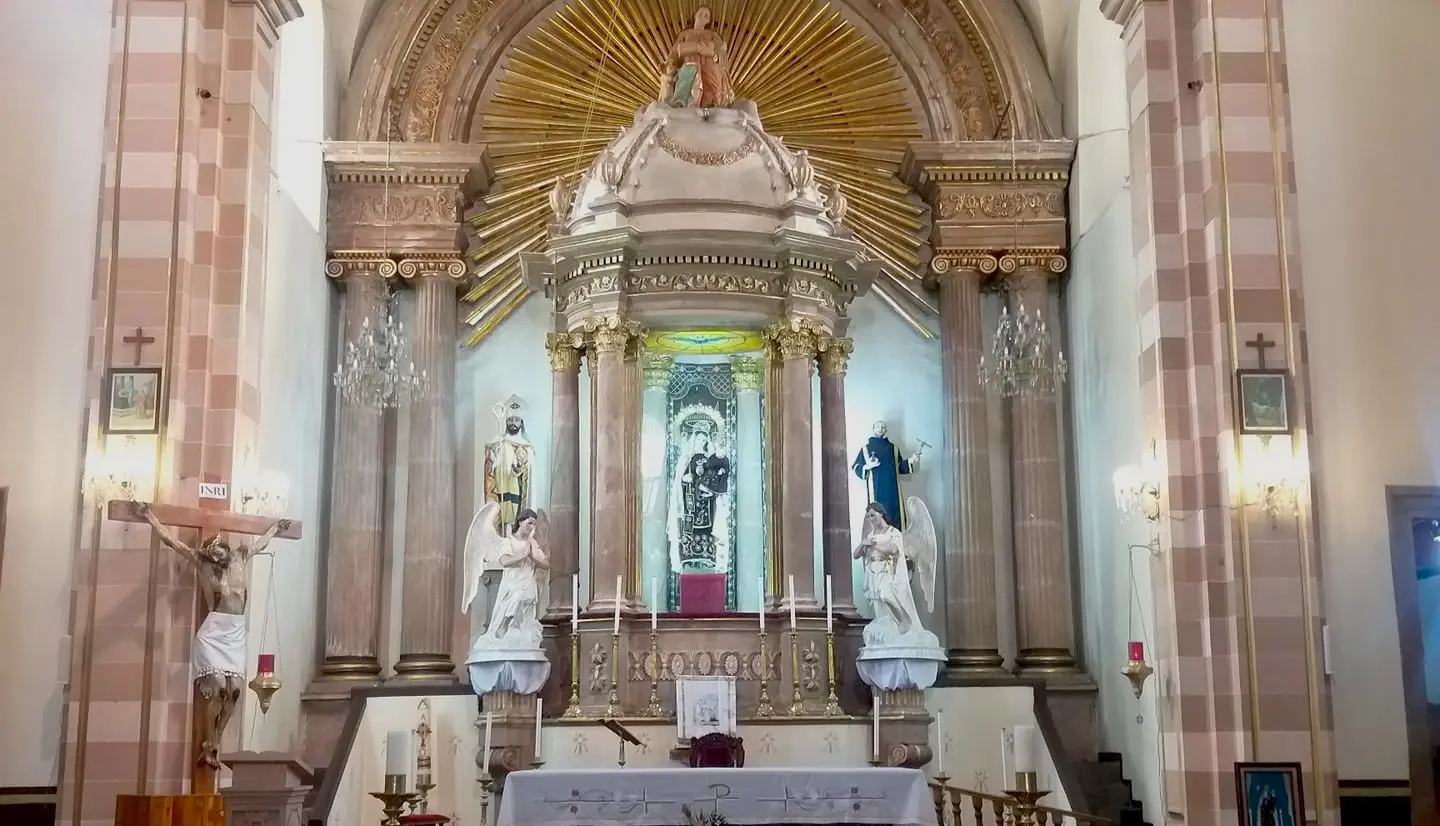
The interior of the church is a museum of faith. Historically, it housed gilded wooden altarpieces, a tabernacle with silver doors, and a bronze Christ. Although time has changed the decoration, the sanctuary safeguards priceless pieces.
The Christ of Sugarcane Paste (16th Century): It is the centerpiece of the devotion. An image crafted using the ancestral indigenous technique of corn stalk paste (Tatzingueni), light and dramatic, which has outlasted the building itself.
The Legacy of Saint Augustine: When ecclesiastical property was secularized, many paintings that adorned the sacristy of the Former Convent of San Agustín (today the Public Library, next to the Emperor Theater) were moved to this temple for their protection.
Historical Canvases: Important oil paintings are preserved, most notably one depicting the two pillars of the order: the Pope and Saint Francis of Assisi. Furthermore, the church is adorned with remarkable wooden carvings of saints.
Chapter 5: Secularization and the Dr. Gabriel García Hospital
The story took a turn in 1860, when the Reform Laws decreed that the Juaninos should cease running the hospital, the building's purpose did not die.
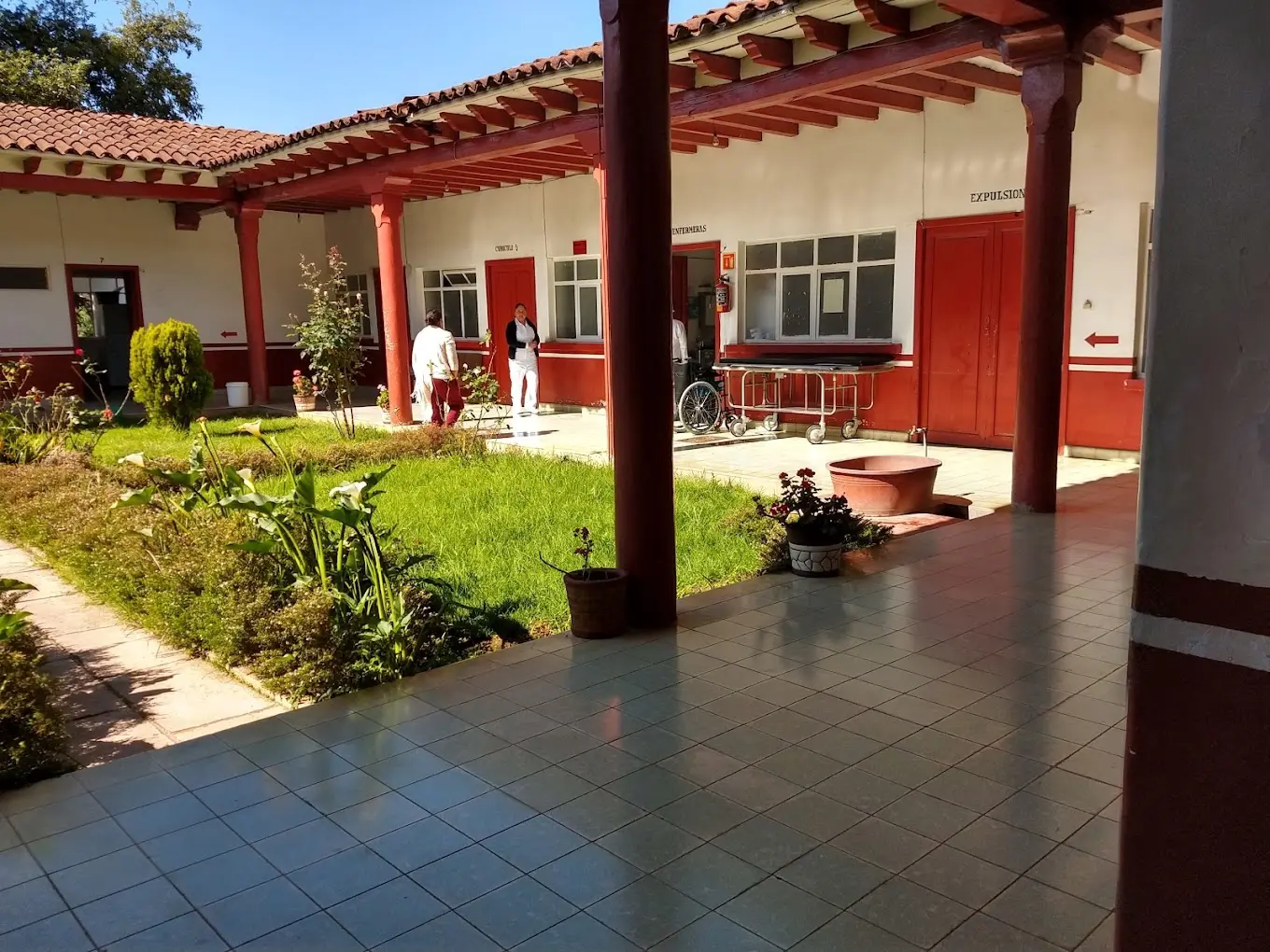
Already in the 20th century, the site became the Dr. Gabriel García General Hospital.
Connection info: Do you remember the Emperor Caltzontzin Theatre? It was precisely to support this hospital that the federal government leased the theater in 1939.
Today, the hospital survives on its own resources and donations, and is governed by a non-profit organization that bears the same name, keeping alive the flame of healing and helping others in the same place for 350 years. You too can help! Visit the hospital.


 EN
EN  ES
ES