
 MAP
MAP SEARCH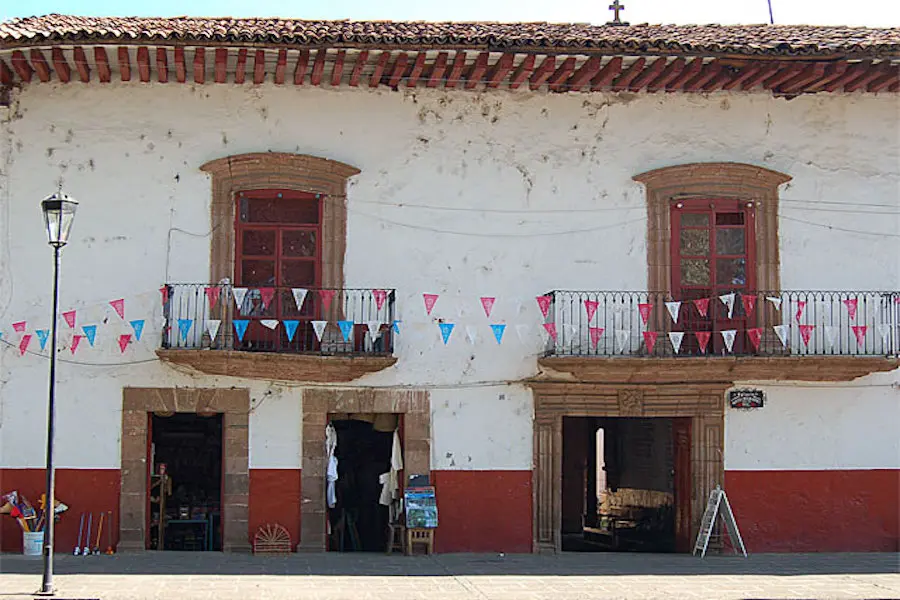
Adress
Vasco de Quiroga 46, Centro, 61600 Pátzcuaro, Michoaxán, México.
GPS
19.513946231871, -101.60843968391
Monday
10:00 – 18:00
Tuesday
10:00 – 18:00
Wednesday
10:00 – 18:00
Thursday
10:00 – 18:00
Friday
10:00 – 18:00
Saturday
10:00 – 18:00
Sunday
10:00 – 18:00
KNOW MORE PLACES
VISITA OTRAS LOCALIDADES
The royal legacy of the last Purépecha prince
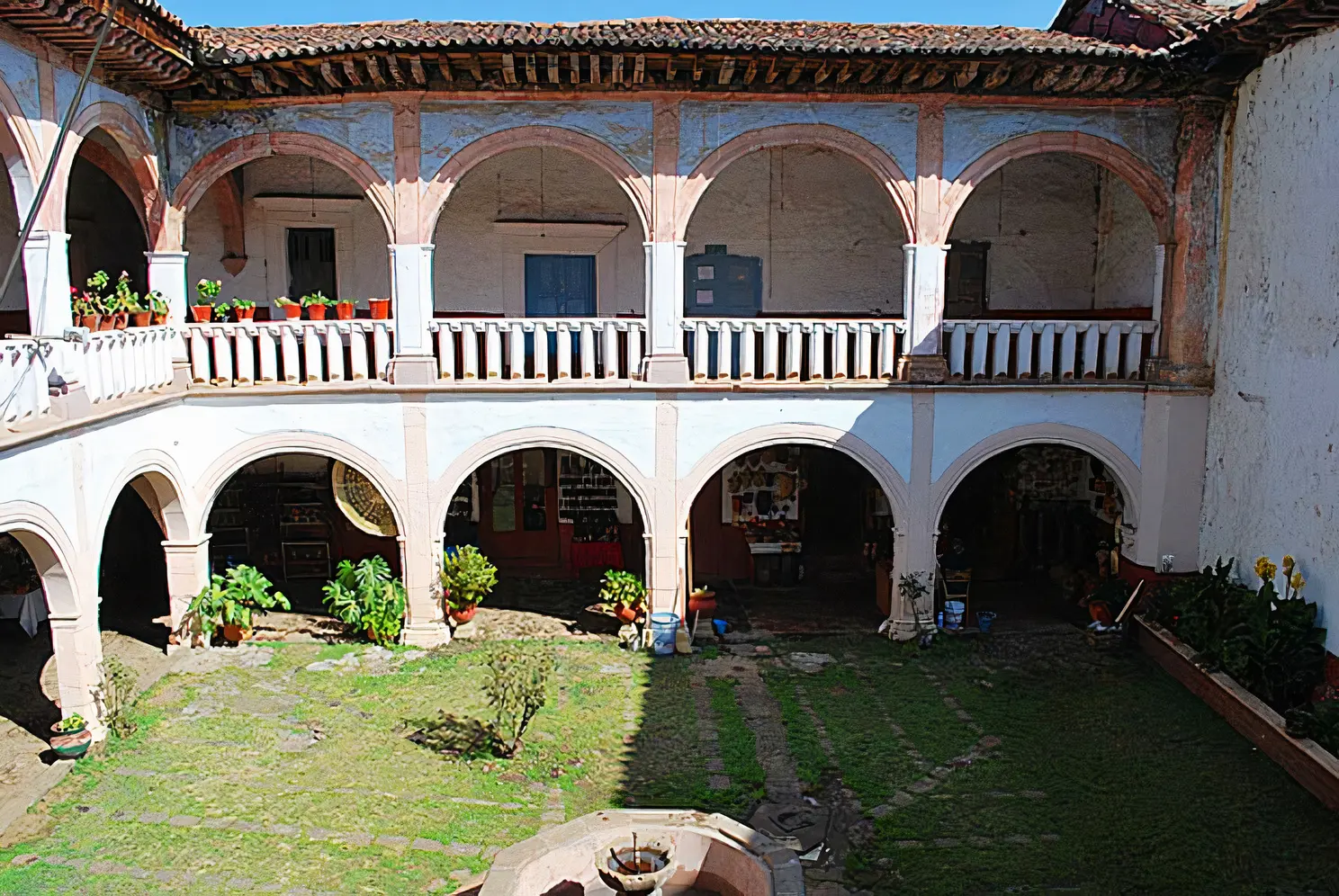
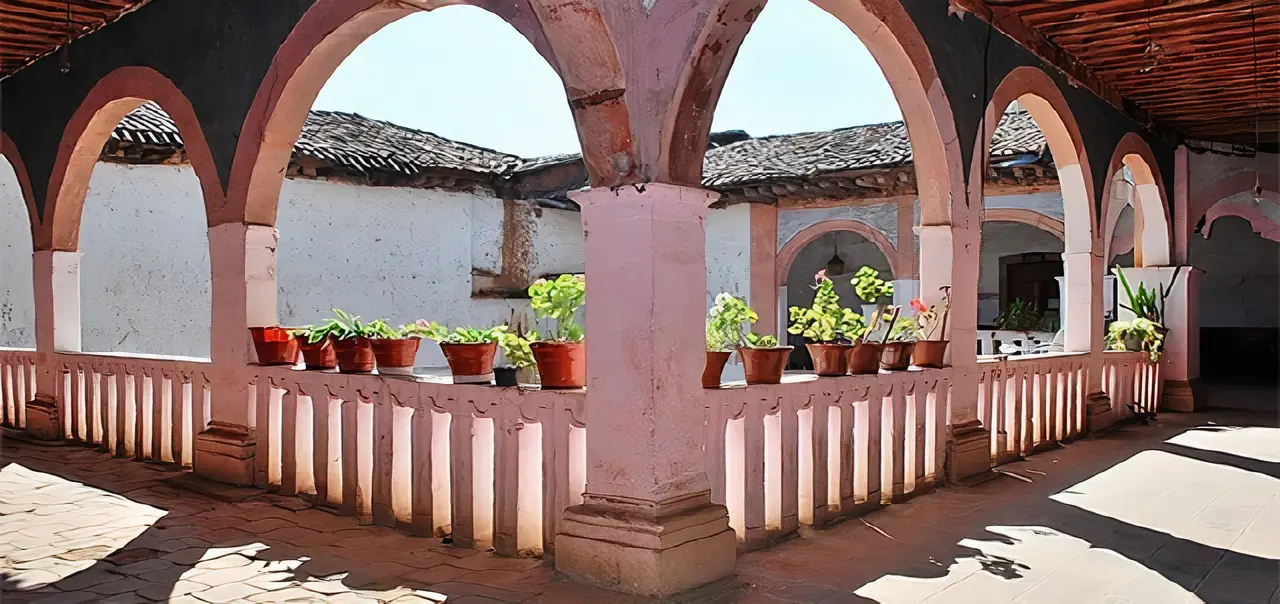
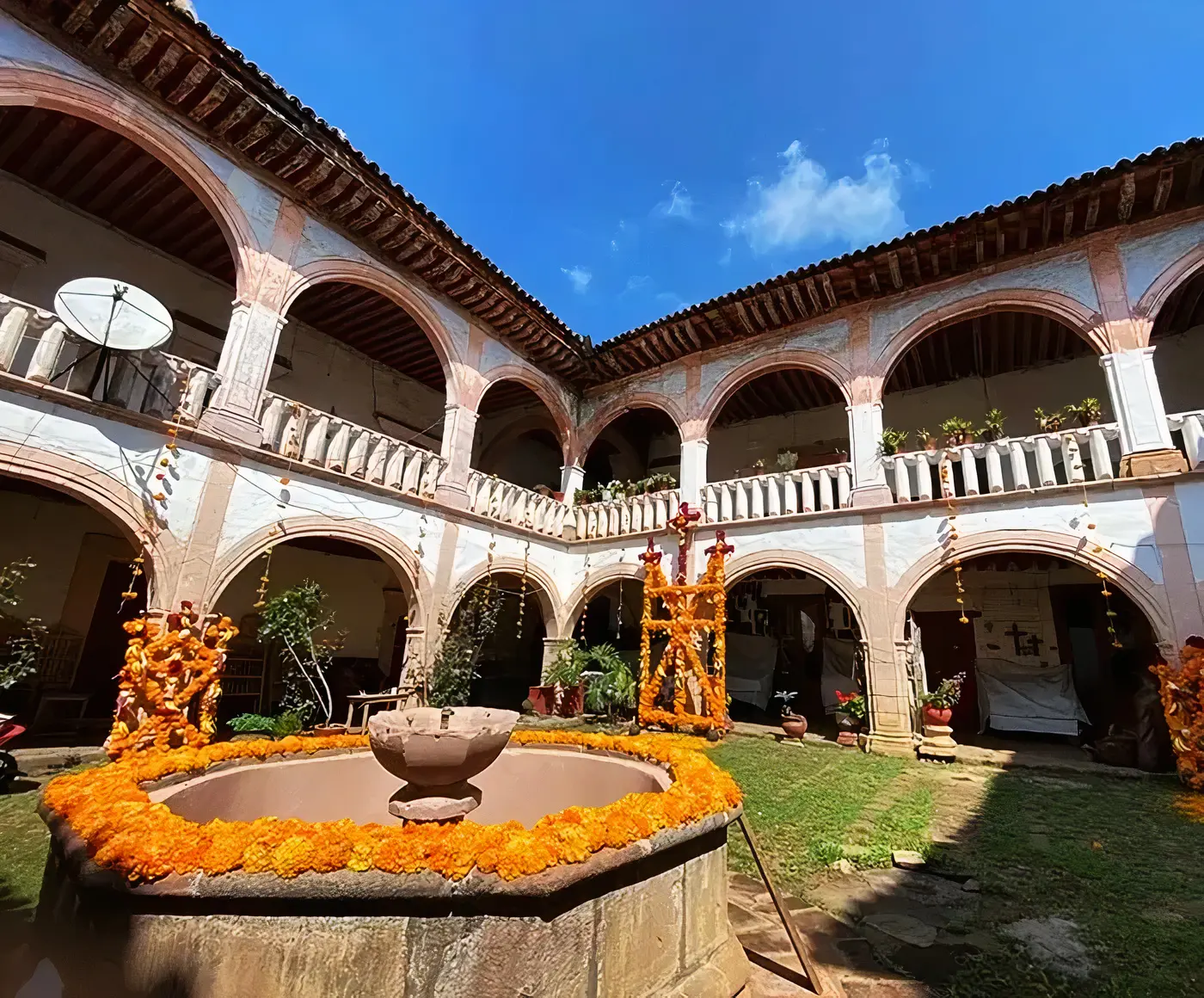
Architecture of Lineage Like many of Pátzcuaro's gems, its façade is understated. However, upon crossing the threshold, an impressive interior courtyard is revealed, reflecting the hierarchy of its founder. Its “archaic ruggedness” is striking: enormous semicircular arches supported by rectangular pillars and an upper floor with masonry parapets. Although some experts see influences from Puebla's architecture, the building possesses a rustic and powerful character, unique to the lake region.
Arquitectura de Linaje Al igual que muchas joyas de Pátzcuaro, su fachada es discreta. Sin embargo, al cruzar el umbral, se revela un impresionante patio interior que denota la jerarquía de su fundador. Destaca su “rudeza arcaica”: enormes arcos de medio punto sostenidos por pilares rectangulares y una planta alta con pretiles de mampostería. Aunque algunos expertos ven influencias de la arquitectura poblana, el edificio tiene una personalidad rústica y poderosa, única de la región lacustre.
The Prince's House (The Origin) This palace belonged to Don Antonio de Huitziméngari, son of Tangáxoan Tzíntzicha (the last Cazonci or Purépecha emperor) and godson of the first Viceroy of New Spain. Don Antonio was a key figure: a learned indigenous nobleman who defended his people, serving as governor and a bridge between Purépecha culture and the Spanish administration.
📜 The Legacy of Doña Esperanza (Historical Justice) After centuries in private hands, the palace returned to the community thanks to Doña Esperanza Correa de Guízar. She acquired the property in 1960, but her last wish was clear: that the “Prince’s House” be returned to its original owners. In 1989, respecting this wish and to prevent the building from being lost in family disputes, the property was given to the people. Thanks to her gesture, today it is the home of all the artisans in the region.
Current Events: The Artisanal Heart of Michoacán Today, the palace functions as a vibrant space where communities from the four regions (Lake, Cañada, Ciénega, and Meseta) showcase their work. It's not just a museum; it's a direct sales point. Here you can purchase textiles, pottery, woodwork, and lacquerware directly from the artisans who keep the tradition alive.
 EN
EN  ES
ES