
 MAP
MAP SEARCH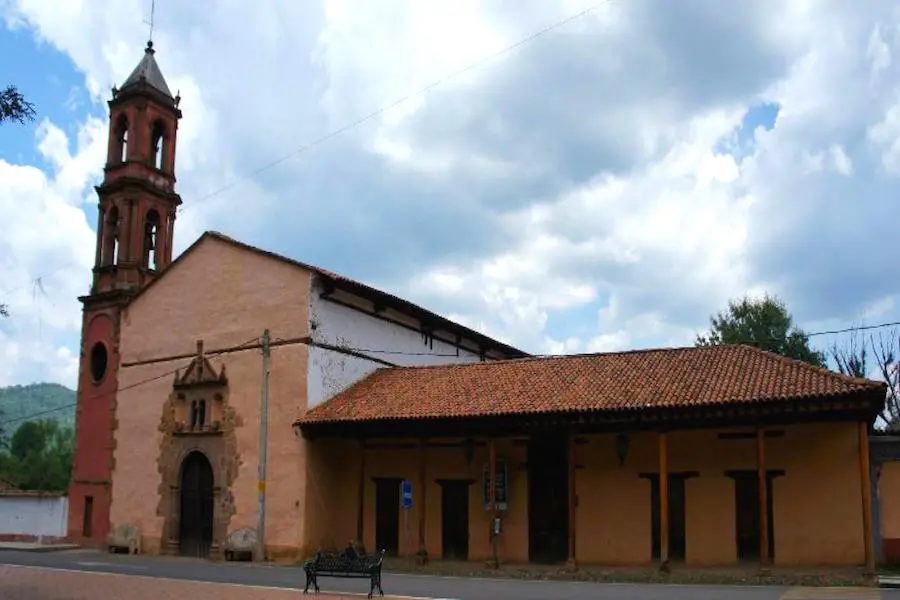
Adress
Francisco I. Madero 1-A, 61615 Tzurumútaro, Michoacán, México.
GPS
19.546080796334, -101.58875226974
Monday
CLOSED
Tuesday
10:00 – 19:00
Wednesday
10:00 – 19:00
Thursday
10:00 – 19:00
Friday
10:00 – 19:00
Saturday
CLOSED
Sunday
CLOSED
KNOW MORE PLACES
VISITA OTRAS LOCALIDADES
🚜📜 Where faith and revolution share history.
In the quiet town of Tzurumútaro, the architectural complex of Saint Peter the Apostle has a double identity: it is a center of evangelization from the 16th century and, at the same time, the guardian of peasant memory from the 20th century.
From Cural House to Bastion of Agrarian Struggle 🏛️
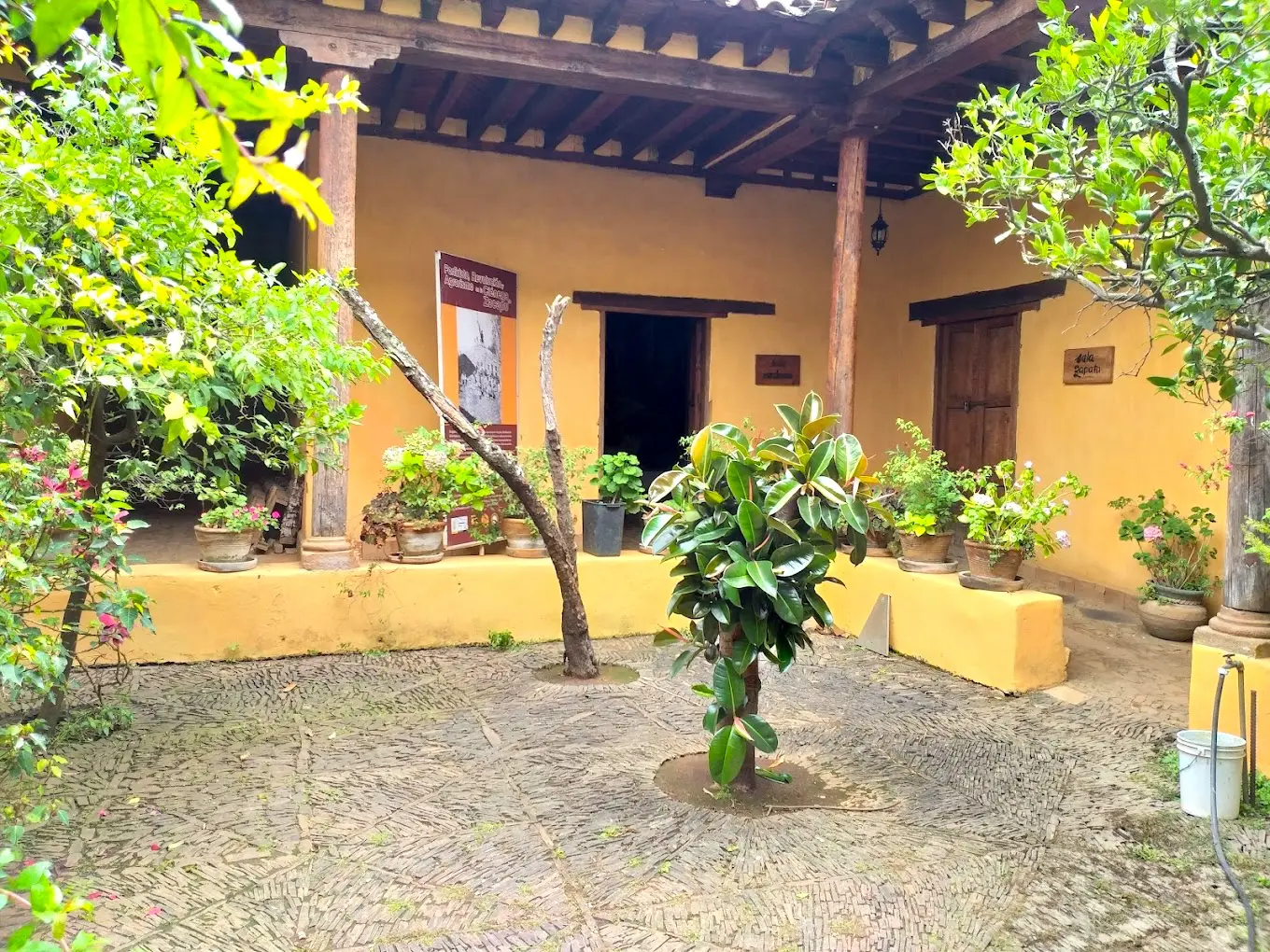
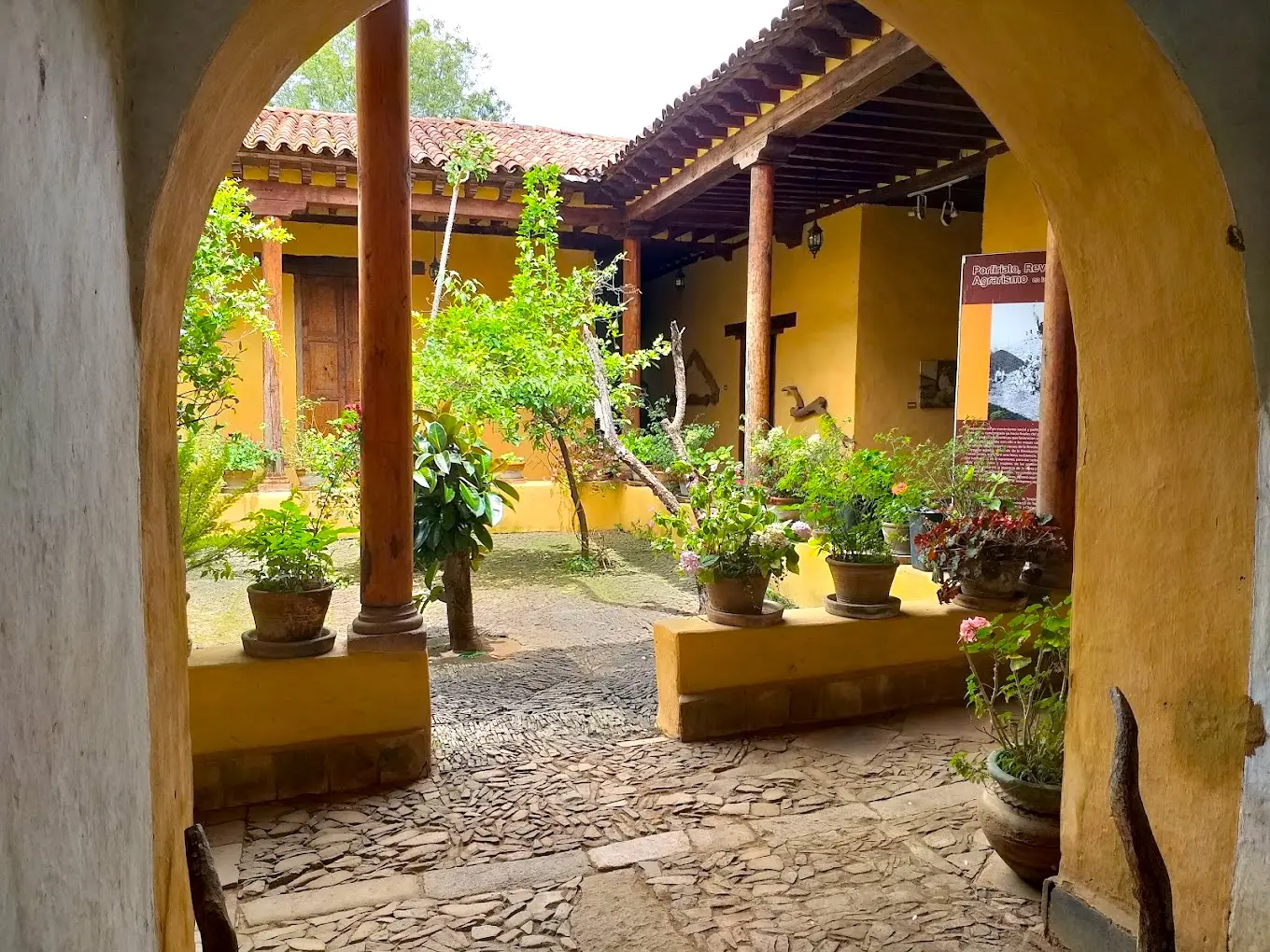
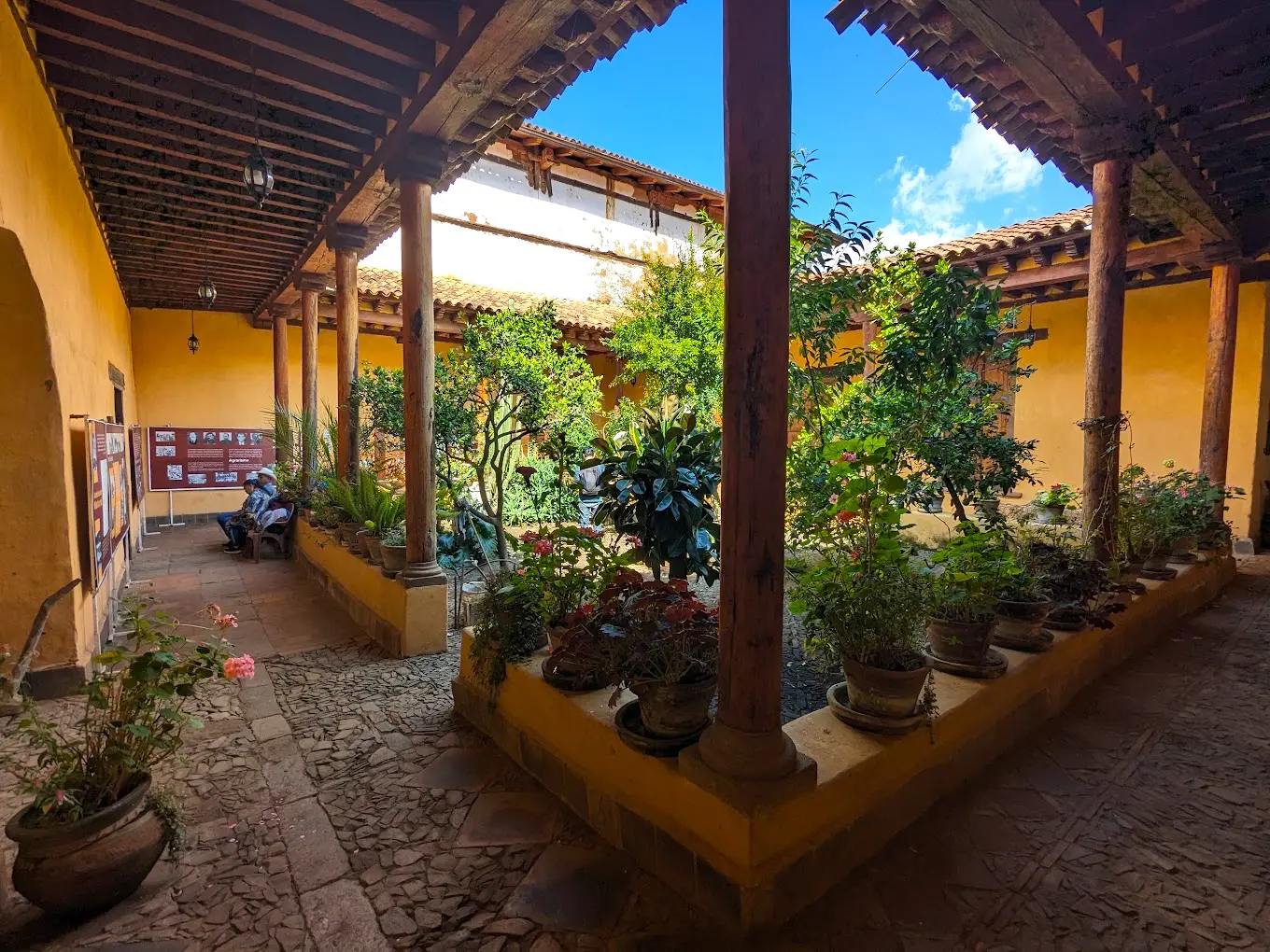
What you visit today as a museum was originally the Cural House (annexed to the temple), built by the Franciscans as a religious administrative center. However, its vocation changed radically in the 20th century:
30s: During the effervescence of Cardenismo, this space served as a key meeting point where peasants discussed the issues of the Agrarian reform.
1974: It officially becomes the Agrarian Museum, dedicated to preserving the identity, resistance and history of the indigenous community.
What to see in the collection? 🖼️
Its walls and showcases narrate the social struggle of Michoacán and Mexico through:
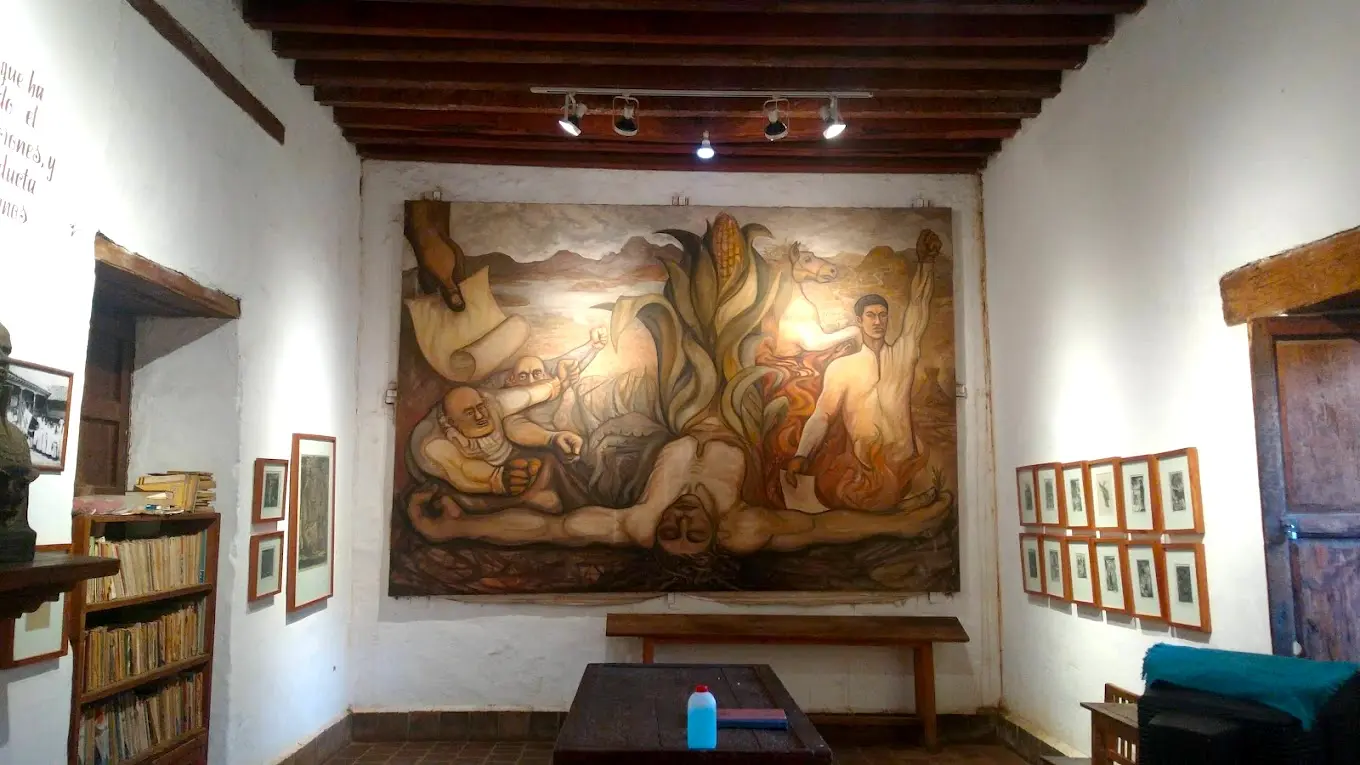
Thematic Murals: Visual narrative of land ownership.
Documents and Engravings Invaluable historical testimonies.
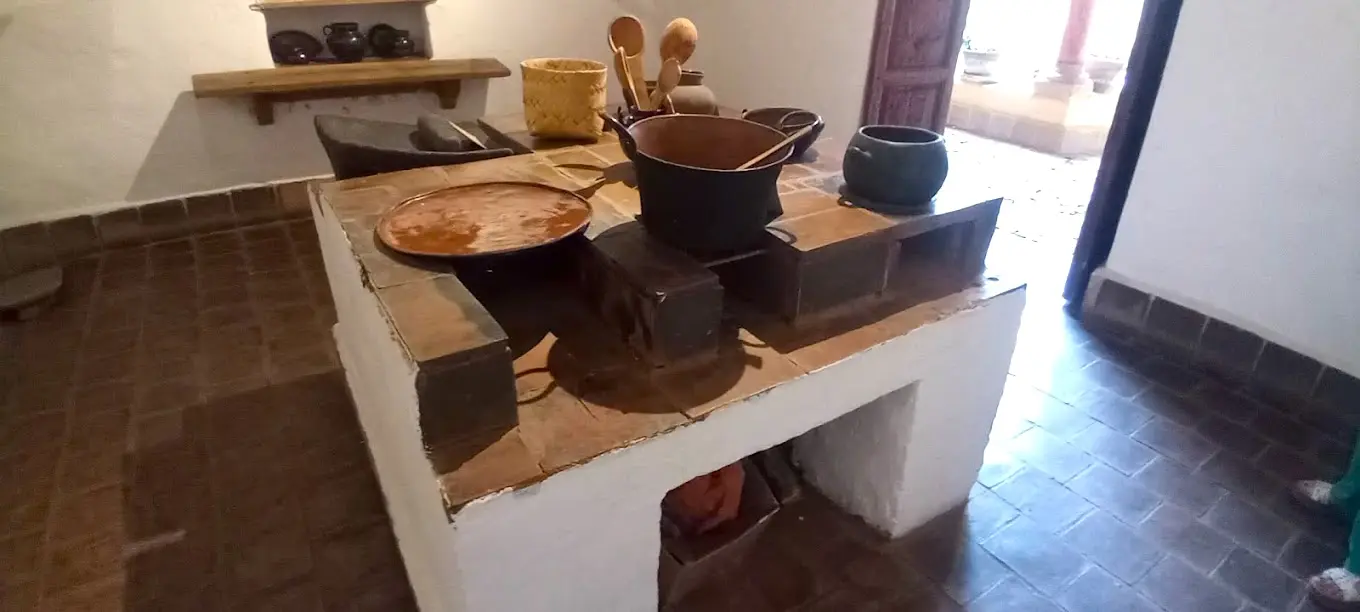
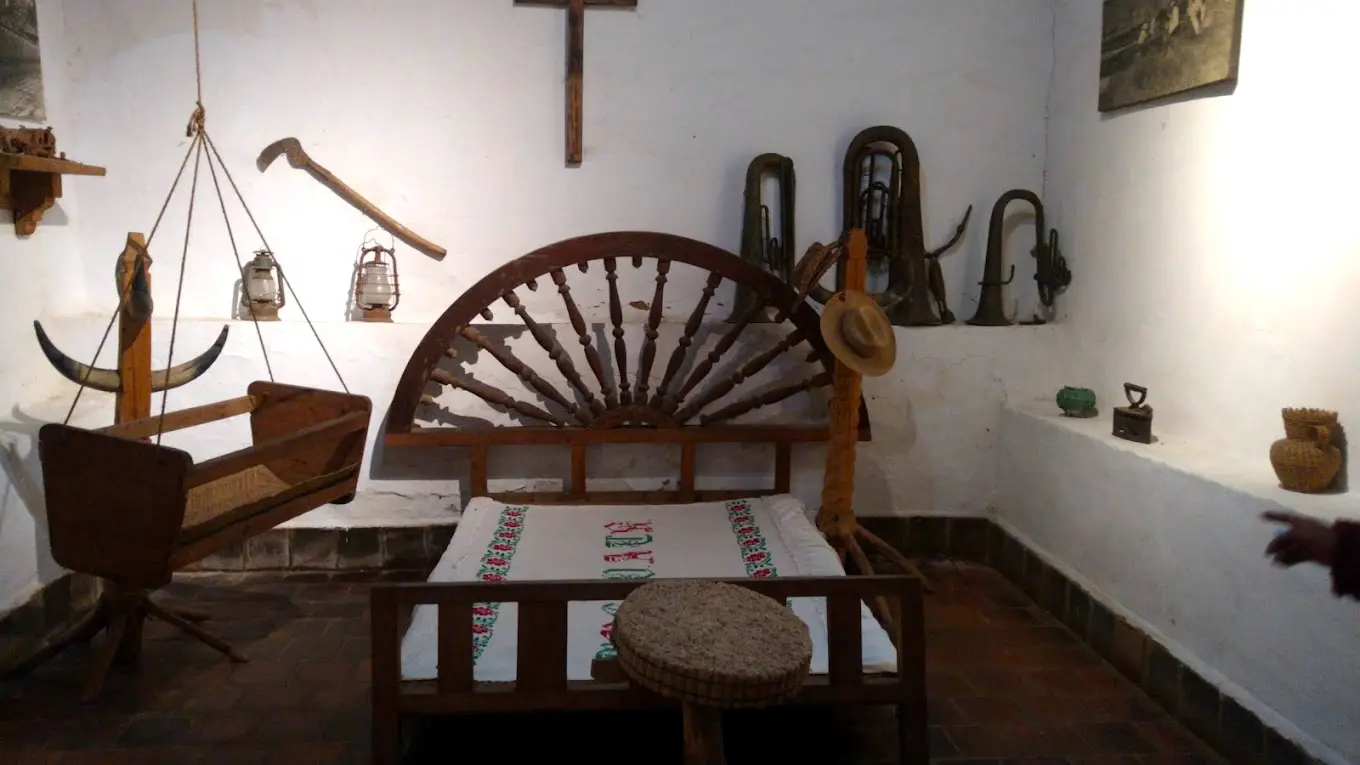
Objects and Tools: Agricultural and personal pieces related to key figures such as Emiliano Zapata, the General Lázaro Cárdenas and José María Morelos.
Preservation and Community 🤝
This museum is a living symbol of cultural resistance. Thanks to joint management between the community and the municipal government of Pátzcuaro (with key agreements signed in 2017 and 2025), resources have been secured for the restoration of the structure and roof, ensuring that this historical legacy remains standing.
 EN
EN  ES
ES