
 MAP
MAP SEARCH
Adress
Patio del Ferrocarril, Revolución 61609 Pátzcuaro, Michoacán, México
GPS
19.536288419624, -101.61566019058
Phone
Send an Email to
Monday
09:00 – 15:00
Tuesday
09:00 – 15:00
Wednesday
09:00 – 15:00
Thursday
09:00 – 15:00
Friday
09:00 – 15:00
Saturday
09:00 – 17:00
Sunday
09:00 – 17:00
KNOW MORE PLACES
VISITA OTRAS LOCALIDADES

The Don Vasco Route: The journey to the heart of Michoacán
Following in the footsteps of the humanist who dreamed of a Utopia
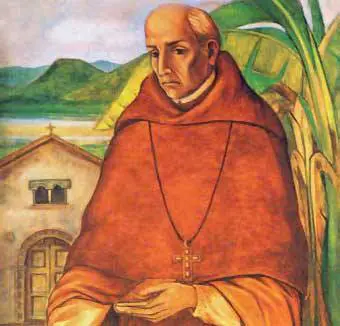
The missionary Vasco de Quiroga, affectionately known in our region as "Tata Vasco" (Father Vasco), is the central figure of one of Mexico's most beautiful cultural routes. Traveling the Don Vasco Route is not just tourism; it's about journeying through the land he loved, understanding the magnitude of his work, and experiencing the living heritage he cultivated in the Purépecha region.
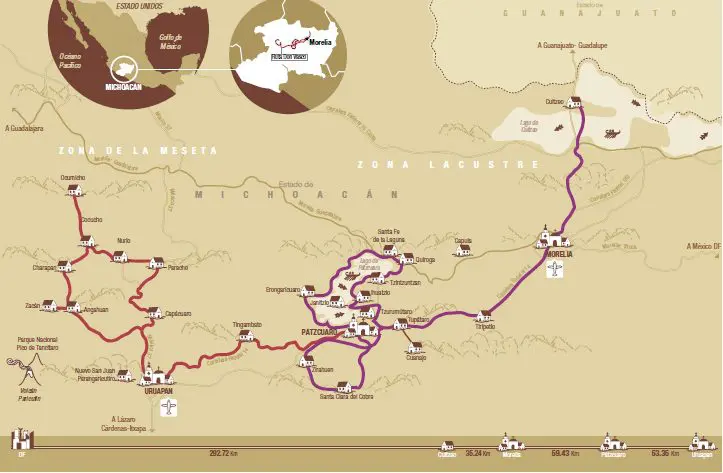
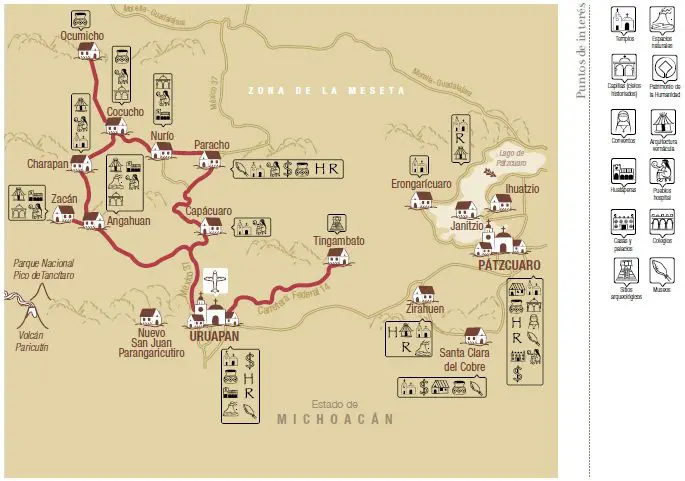
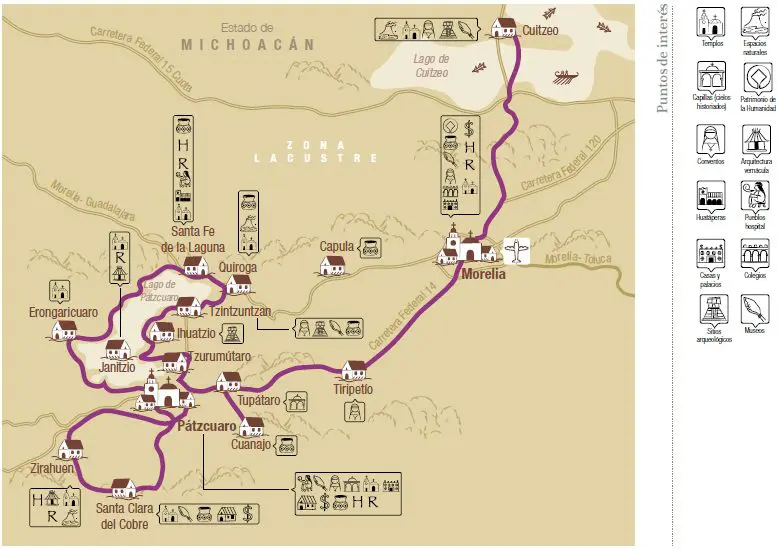
What is the Don Vasco Route? It's an itinerary that encompasses the Lake Pátzcuaro region, the Purépecha Plateau, and the Cañada de los Once Pueblos (Canyon of the Eleven Towns). Its backbone connects three key cities: Morelia (the current capital), Pátzcuaro (Don Vasco's utopian capital), and Uruapan. Along this route, you'll visit Magical Towns like Tzintzuntzan, Santa Clara del Cobre, and Cuitzeo, offering an immersion in architecture, legends, folk art, and traditional cuisine.
The 6 Keys to Understanding the Legacy
To be fascinated by Tata Vasco's work, one must understand its pillars:
- Utopia: Don Vasco was inspired by the book Utopia by Thomas More (1516) to create his “hospital-villages”, peaceful and just communities organized around work and faith.
- Arts and Crafts: It specialized each town in a different craft (copper in Santa Clara, pottery in Cocucho, lacquerware in Uruapan) to promote trade and prevent unfair competition. Today, this organization is still active.
- Intense Life: He arrived in New Spain when he was over 60 years old and worked tirelessly for another 30 years, founding more than 200 hospitals and defending the indigenous people.
- Spirituality and Art: Chapels and decorated ceilings (coffered ceilings) not only decorate, but teach. Looking up puts you in a prayerful position.
- Social Organization: Life revolved around the Huatápera (hospital). Man was dignified through work, and travelers were cared for.
- Knowledge: In 1540 he founded the College of San Nicolás Obispo (now Michoacan University), the first higher education institution in America that admitted indigenous students.
Quick Guide: What you can't miss
📍 Pátzcuaro (The Center of Utopia)
Basilica of Health: Where the mortal remains of the bishop rest.
Former Jesuit College: Home of the first School of Arts and Crafts.
Janitzio Island: The epicenter of the Night of the Dead, the ritual that best shows religious syncretism.
📍 Santa Fe de la Laguna
First Hospital-Town: Founded in 1533. Even today, the hospital is run by a family who diligently safeguard the tradition.
Crafts: Black glazed pottery with pastillage technique.
📍 Tzintzuntzan (Place of Hummingbirds)
Las Yácatas: Ceremonial center of the Purépecha empire.
Franciscan Convent: With its centuries-old olive trees that, according to legend, were planted by Don Vasco himself.
📍 Santa Clara del Cobre
Workshops: Watch the artisans hammering copper, a technique perfected under Quiroga's guidance.
📍 Purépecha Plateau and Uruapan
La Huatápera (Uruapan): The place where Tata Vasco is said to have died, now converted into a museum.
Nurio and Angahuan: Architectural gems with decorated roofs and a viewpoint towards the Paricutín Volcano.
🏛️ About the Don Vasco Route Interpretation Centre
(Editor's Note: This space seeks to preserve the memory of a pioneering project)
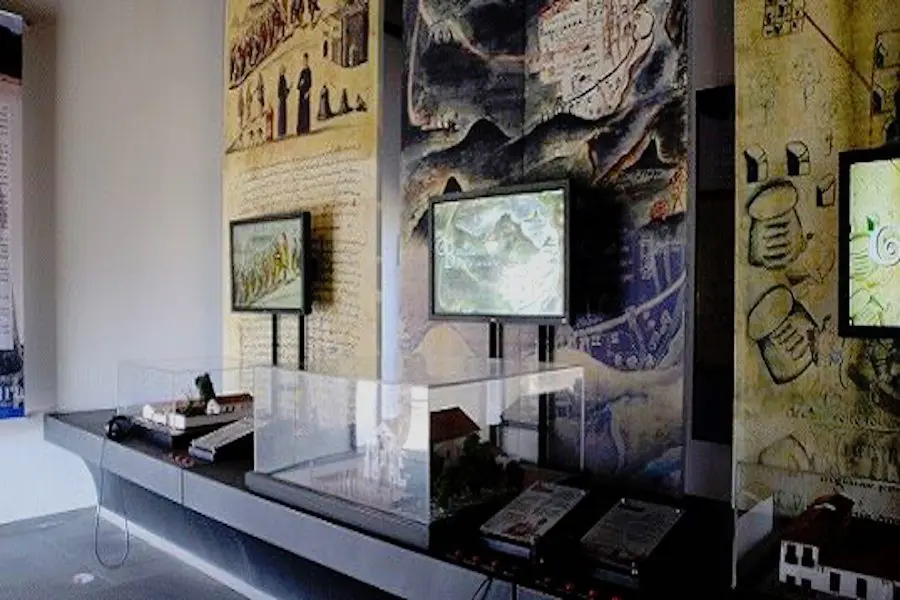
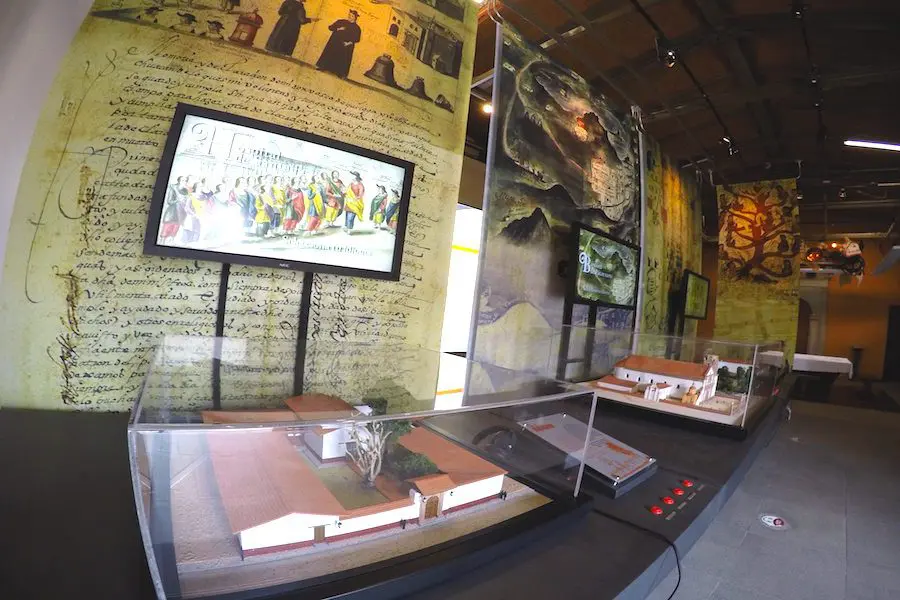
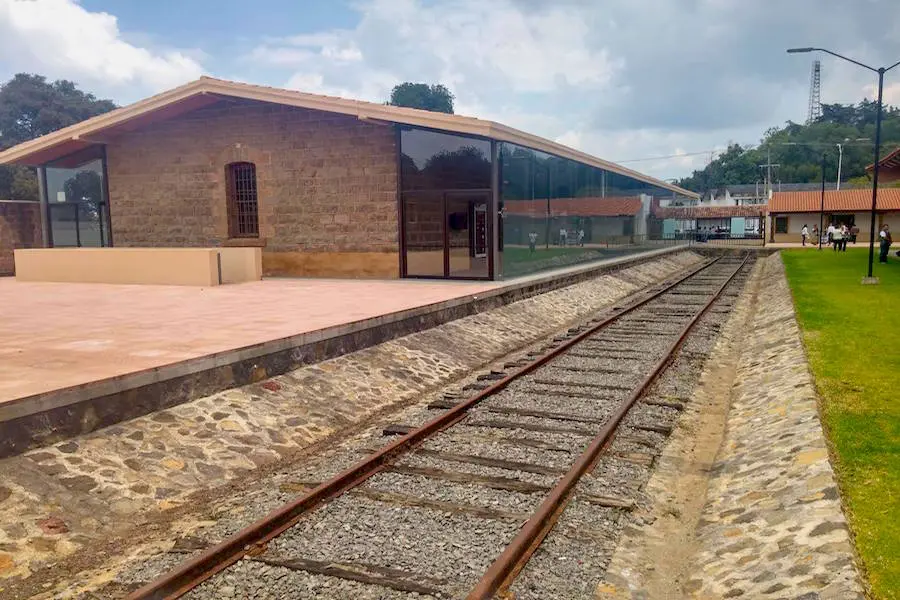
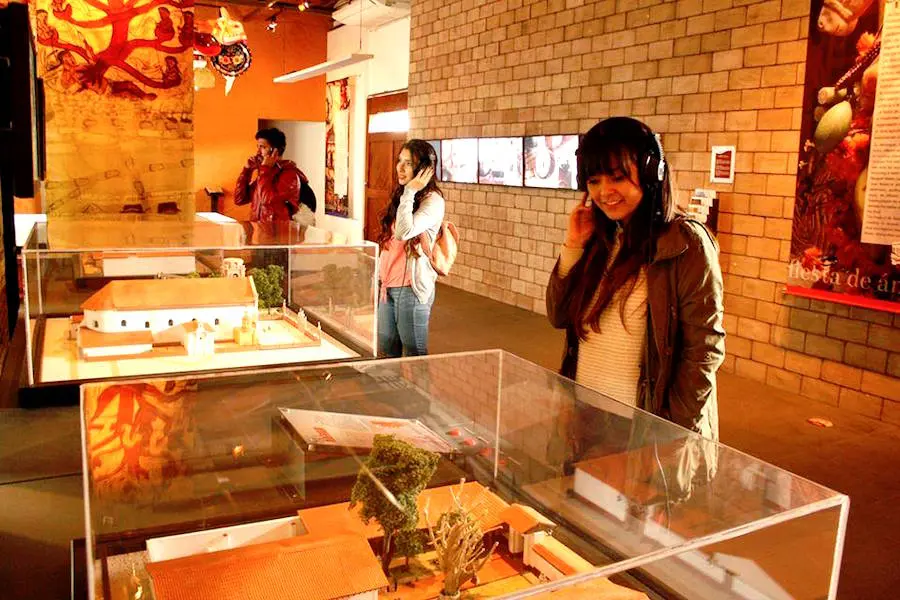
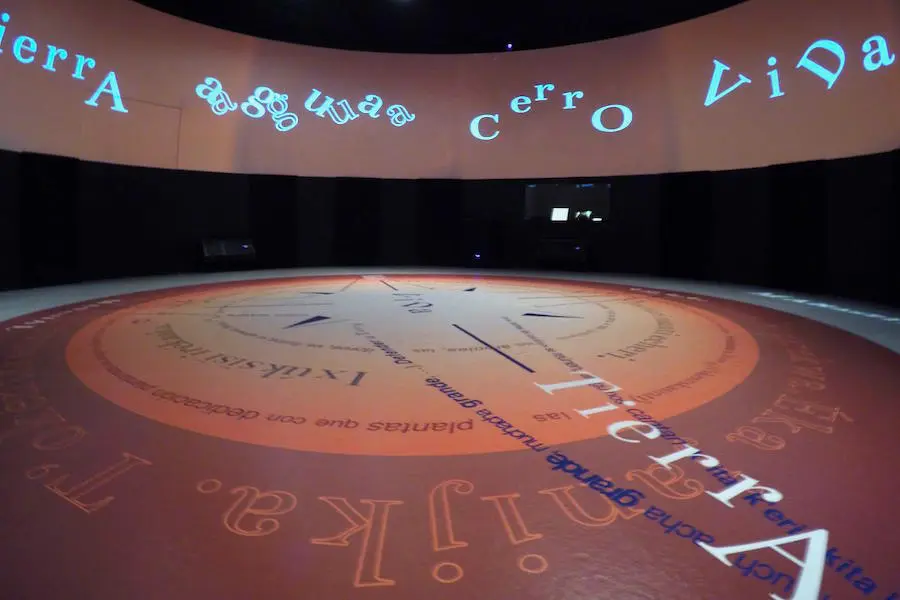
Located in a former warehouse at the Pátzcuaro train station, the Don Vasco Route Interpretation Center was created. Designed not as a museum of display cases, but as an interactive, multimedia experience, its goal was to explain in a sensory way how Don Vasco's influence persists to this day. Through technology, it presented the Purépecha cosmogony, traditional cuisine, and crafts.
Visitor Tip: Before visiting, we recommend checking their current operating hours, as these may vary due to seasons or administrative changes.
 EN
EN  ES
ES