
 MAP
MAP SEARCH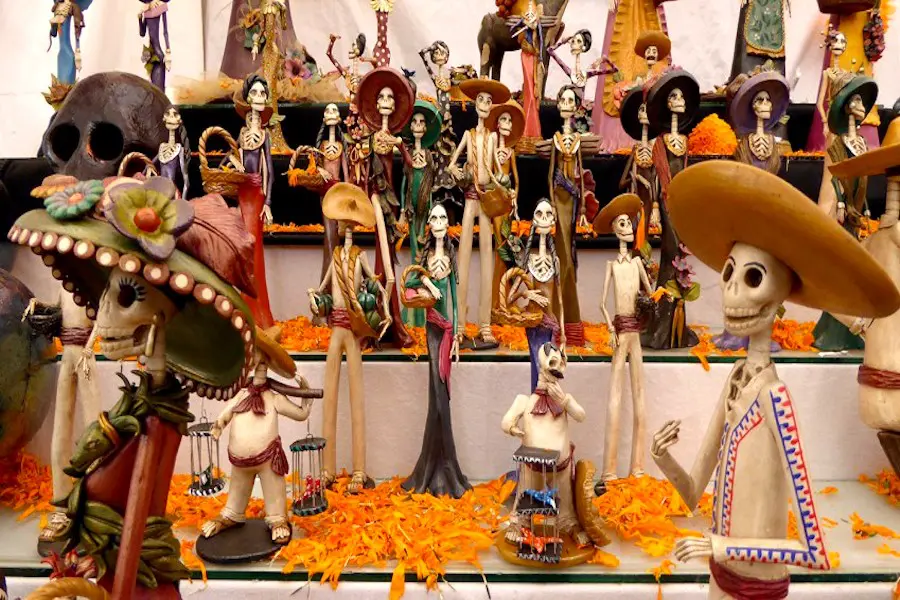
Adress
Capula, Michoacán, México.
GPS
19.6735957, -101.3915204
KNOW MORE PLACES
VISITA OTRAS LOCALIDADES
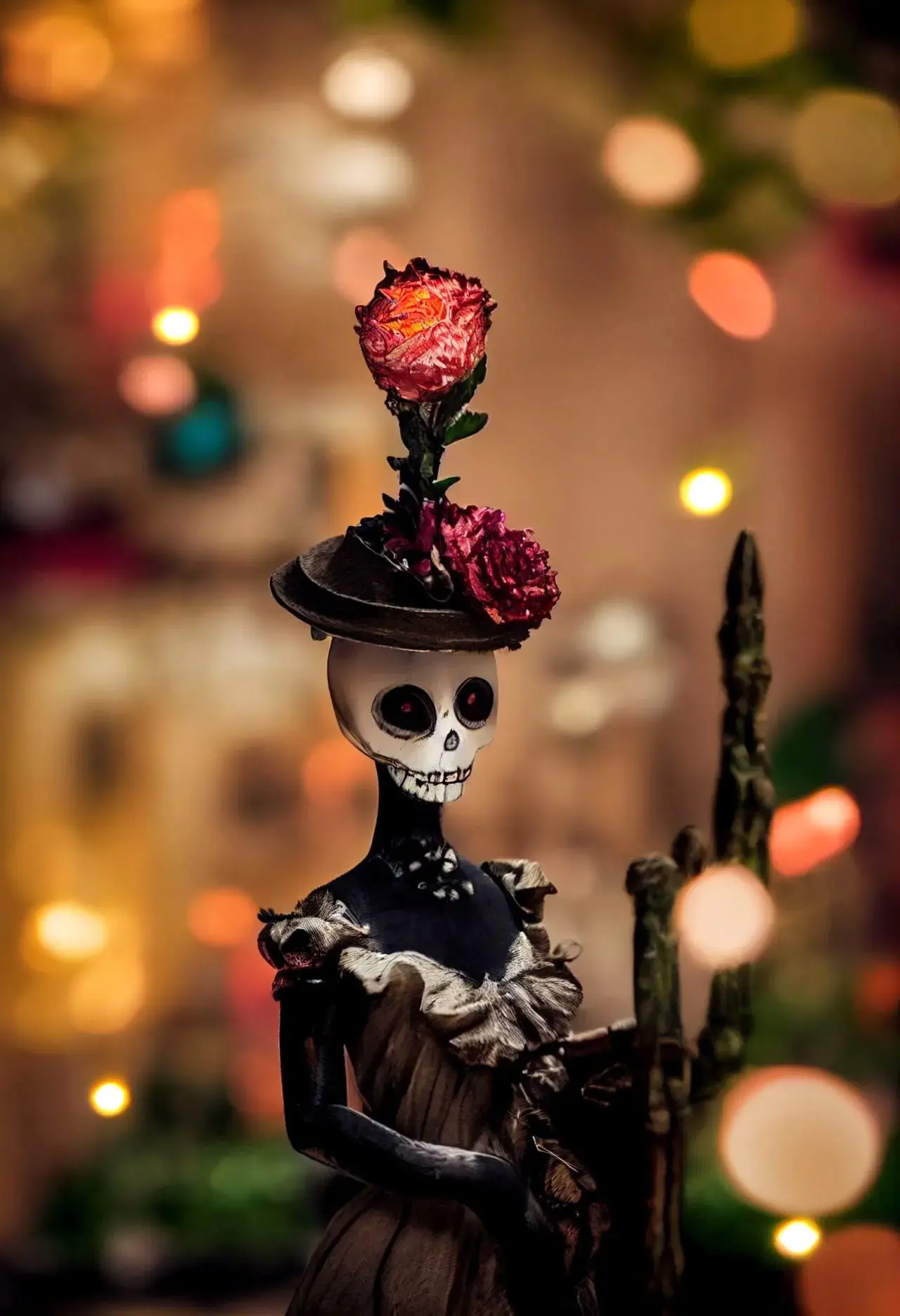
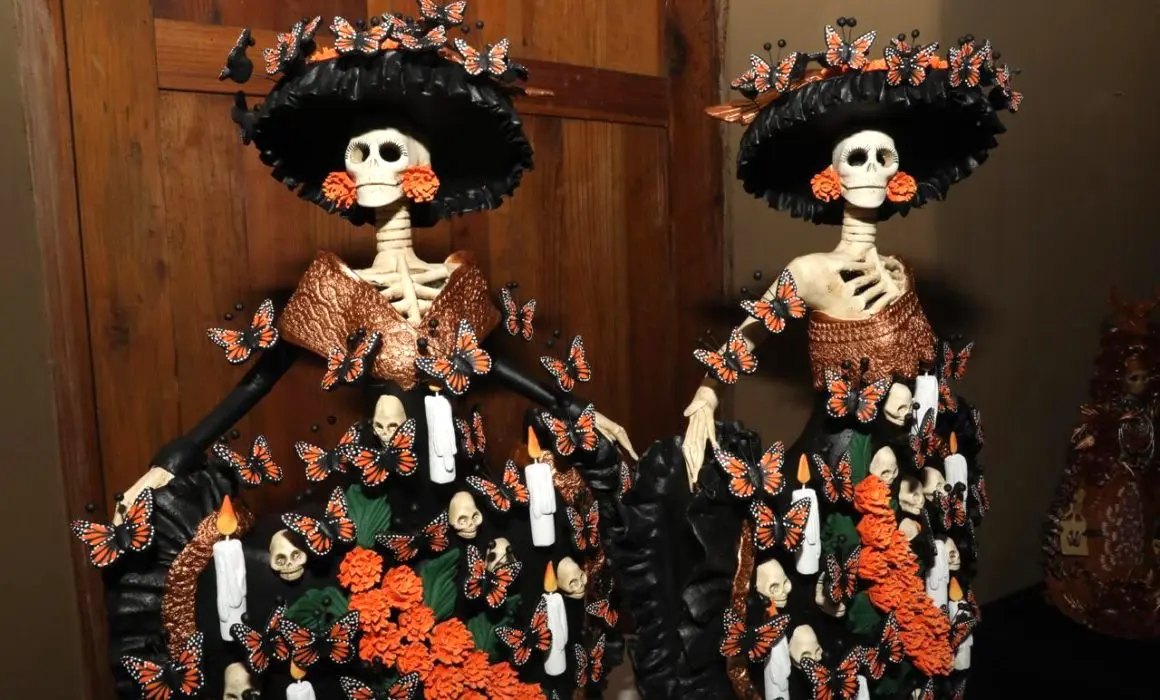
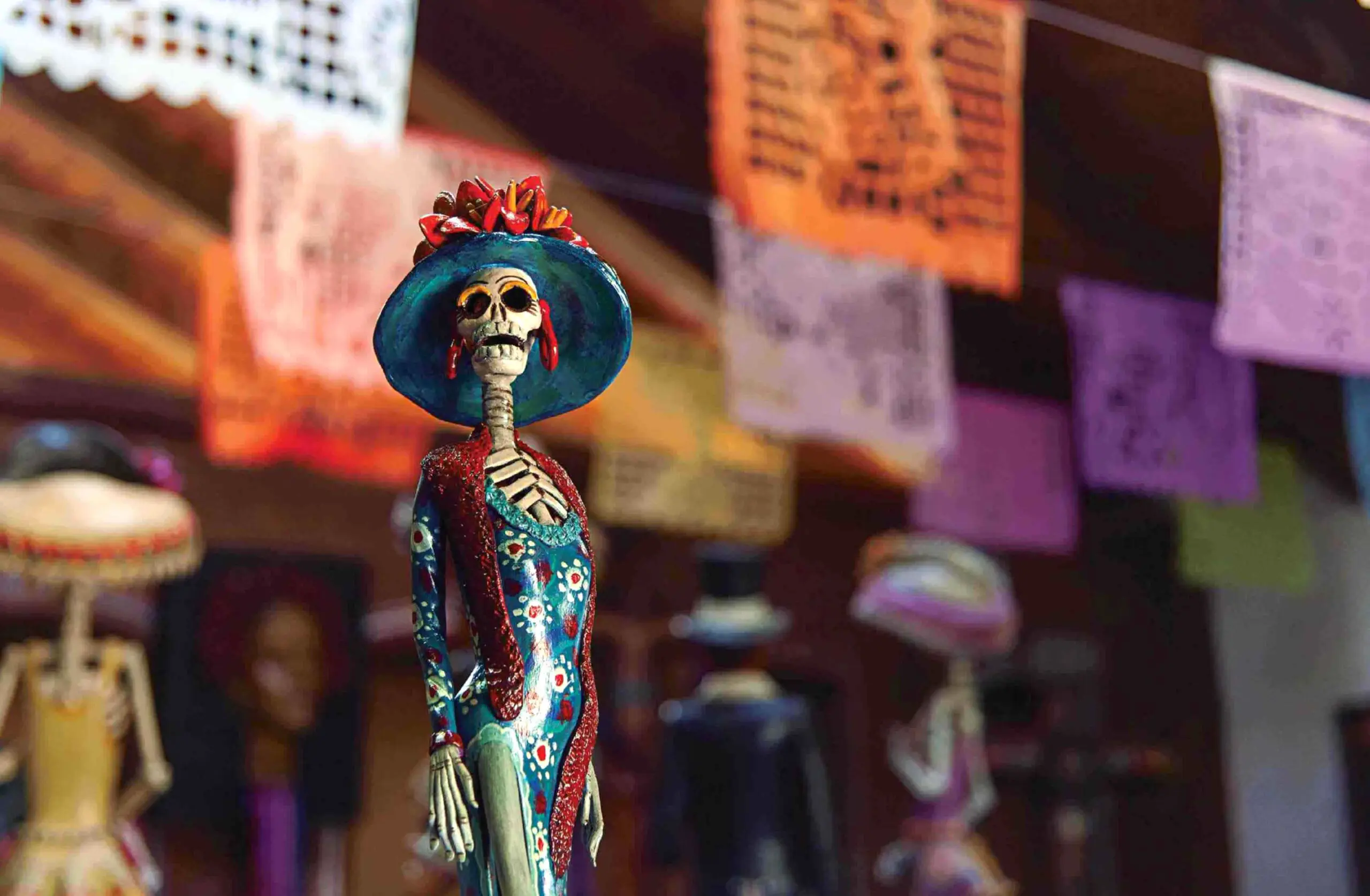
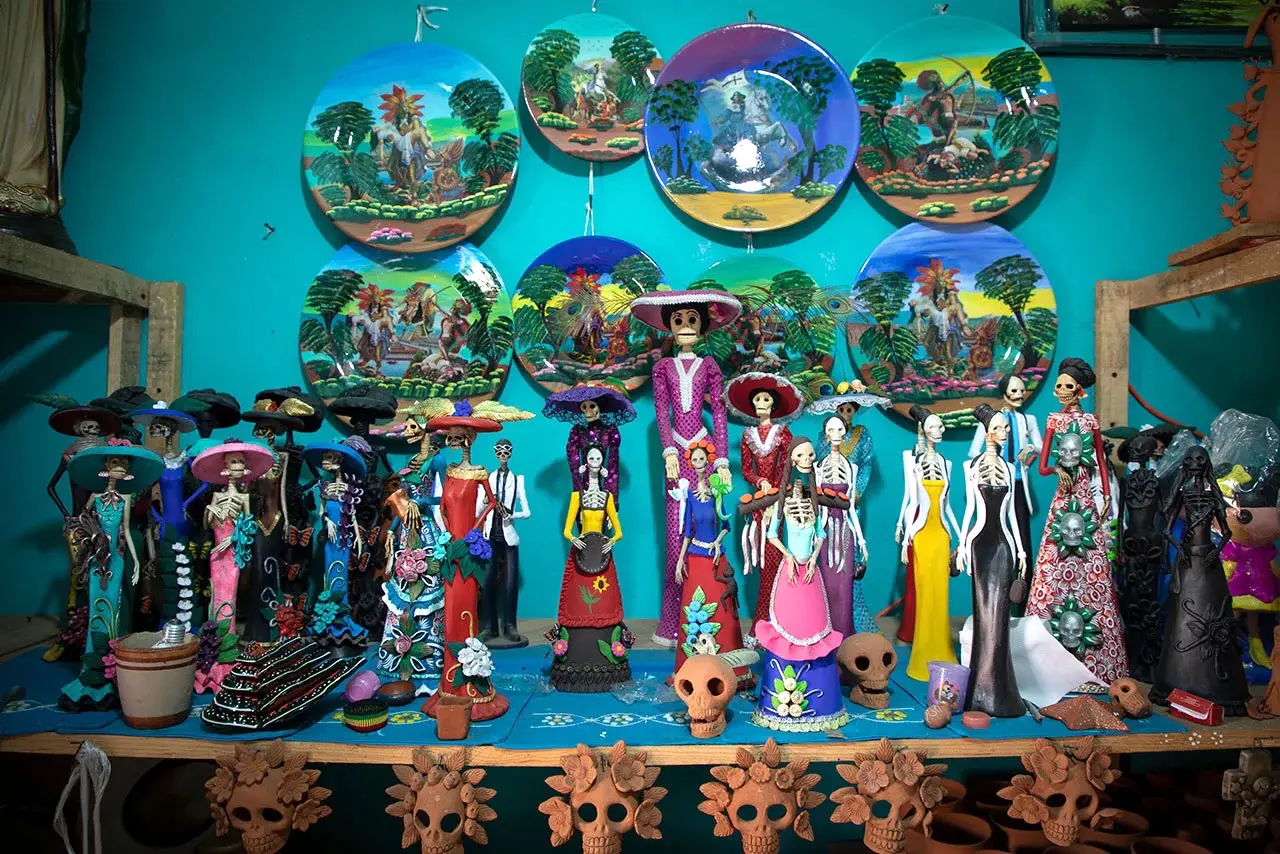
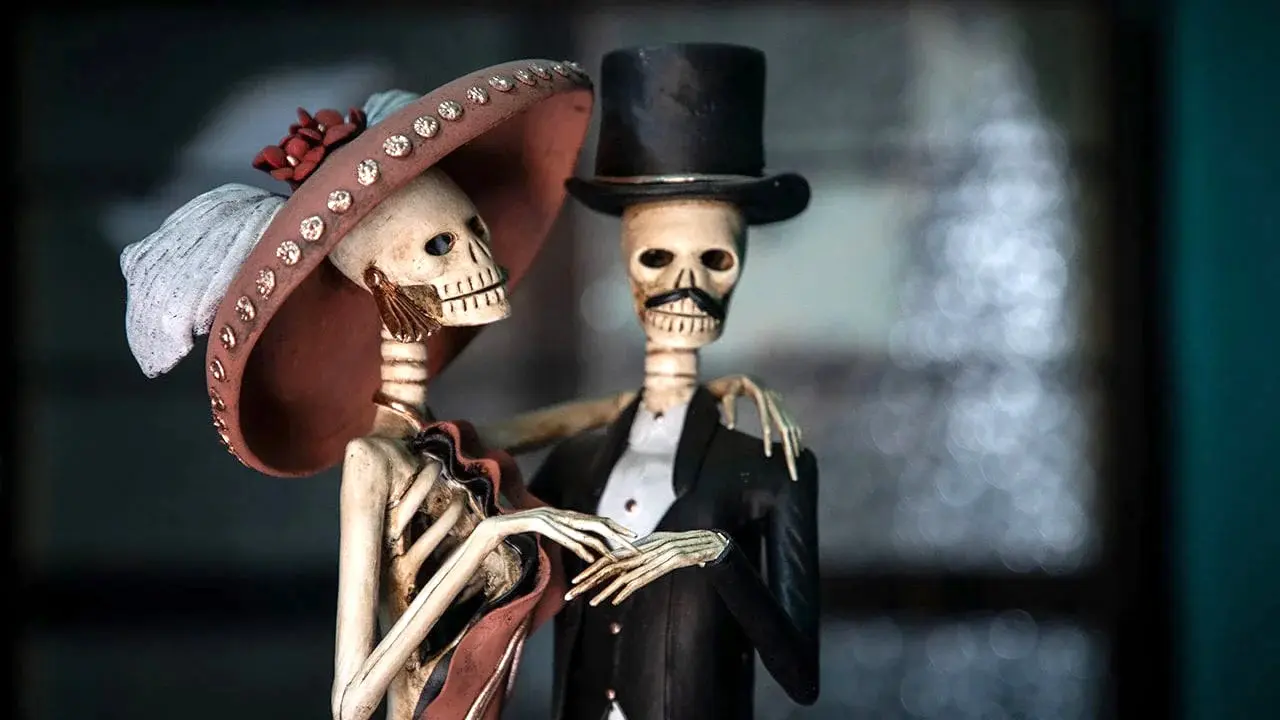
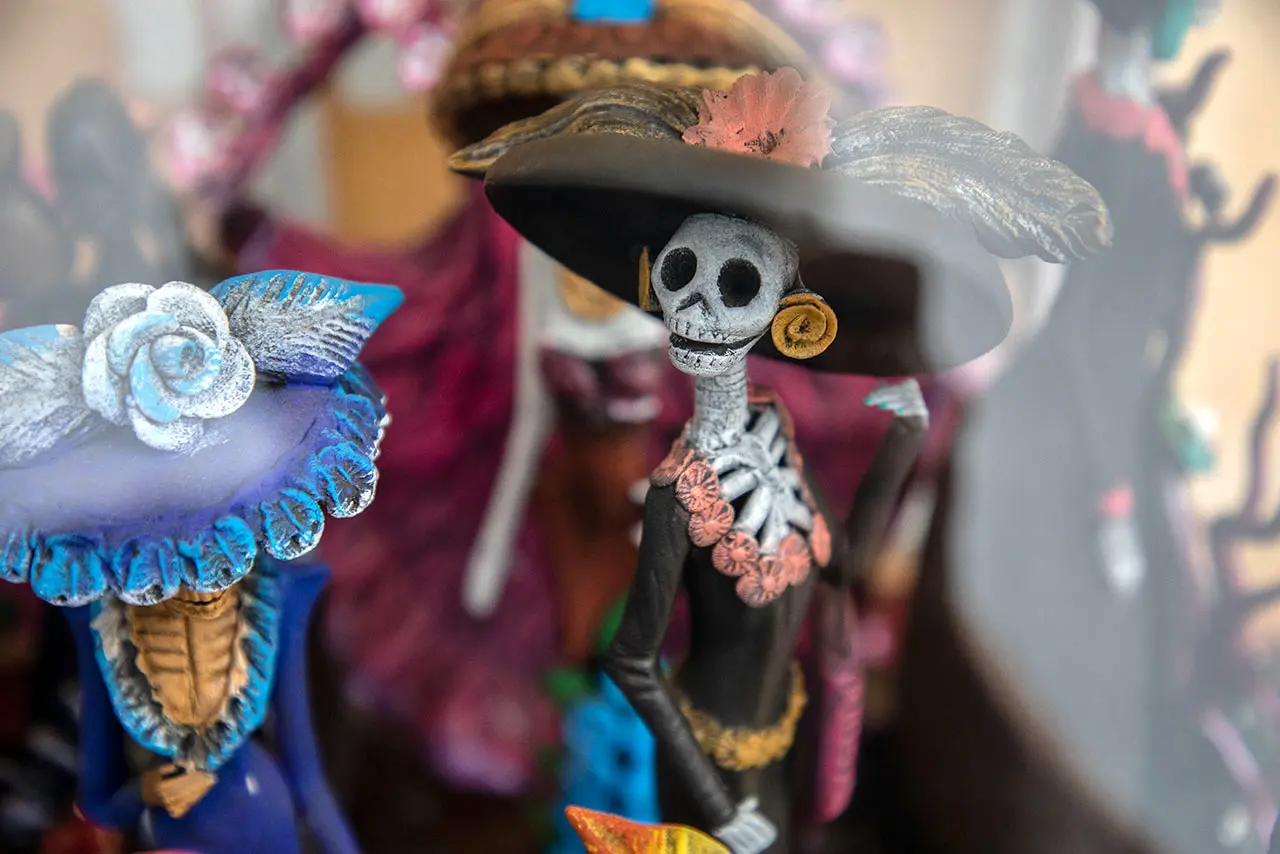
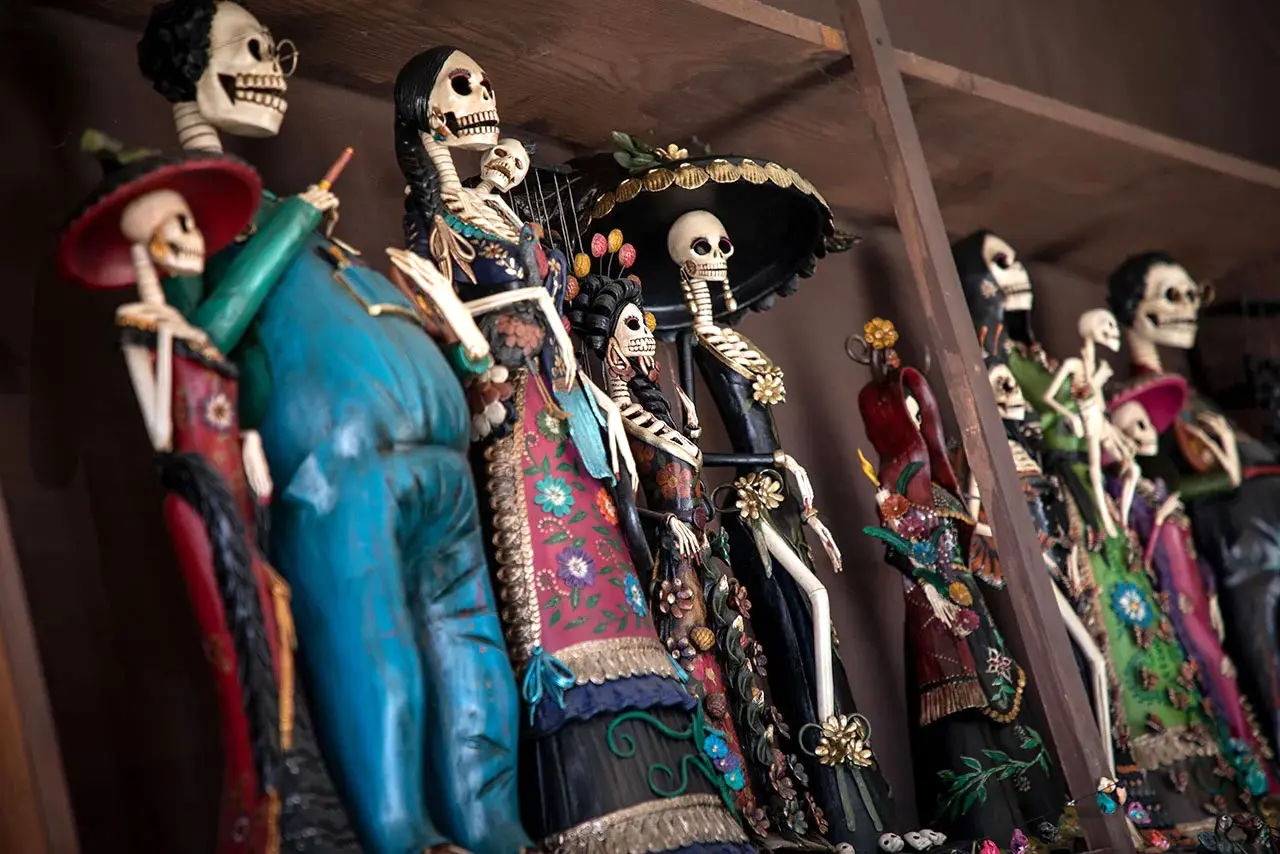
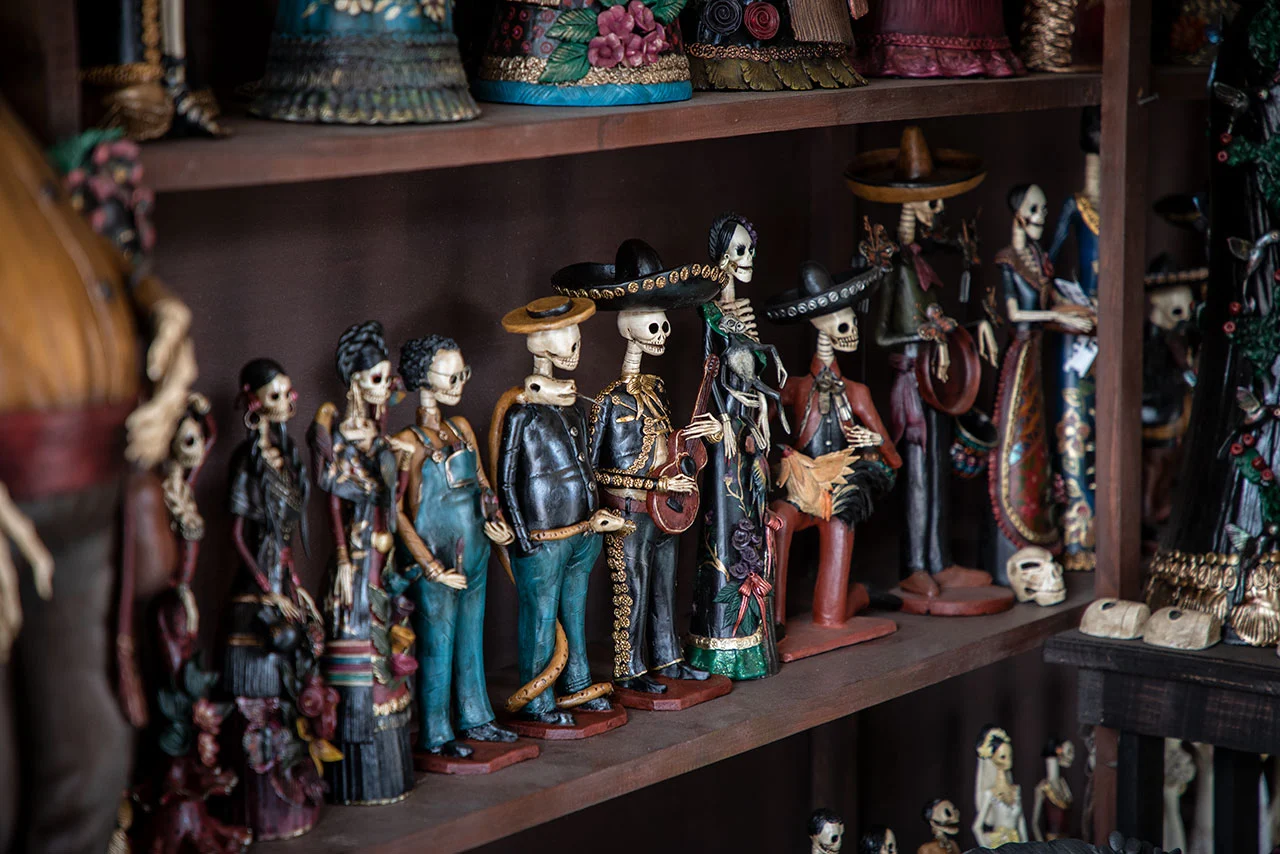
💀🎨 The Catrinas of Capula are not just handicrafts; they are a cultural symbol that fuses Michoacán's rich pottery heritage with a profound philosophy about death. Their history is woven throughout the centuries:
📜 The Evolution of an Icon
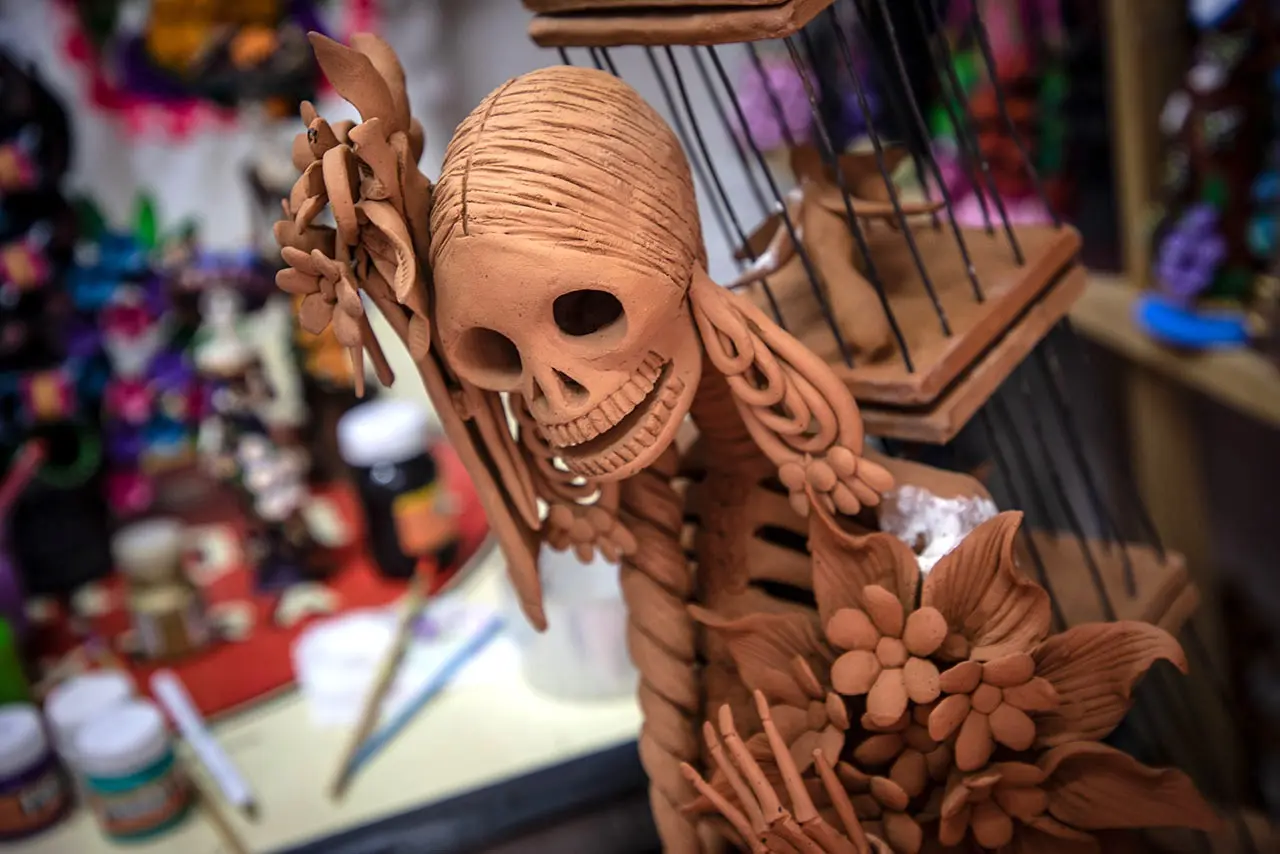
- The Material Origin (16th Century): The pottery tradition of Capula dates back to Bishop Vasco de Quiroga, who promoted this industry among the natives. Thus, the artisans inherited the mastery of working with clay.
- The Skeletal Inspiration (20th Century): The character of La Catrina, that elegant skeletal figure dressed in high-society attire, was originally conceived as social criticism by the engraver José Guadalupe Posada at the beginning of the 20th century. It was the muralist Diego Rivera who immortalized her in his famous mural Dream of a Sunday Afternoon in Alameda Central Park.
- The Three-Dimensional Leap (1980): The moment that transformed Capula was thanks to Juan Torres Calderón, a visual artist from Morelia. Inspired by Posada and Rivera, Torres decided to give three-dimensionality to the Catrina in clay. In 1980, he opened a workshop and founded an art school in Capula, taking advantage of the local pottery heritage and making the figure the town's main activity.
Art and Philosophy
The artisans of Capula have perfected the art, creating unique pieces with incredible details in the texture of the skin and clothing, which distinguish them from any other representation.
The Catrinas symbolize a unique philosophy of life and death: they reflect the joy and respect with which Mexicans celebrate existence and remember those who are no longer with us, facing death without fear.
Magical Experience: Visiting Capula is especially vivid during the Day of the Dead celebration, when the Catrina Fair takes place, attracting visitors who seek to meet the talented artisans and acquire these unique pieces.
 EN
EN  ES
ES