
 MAP
MAP SEARCH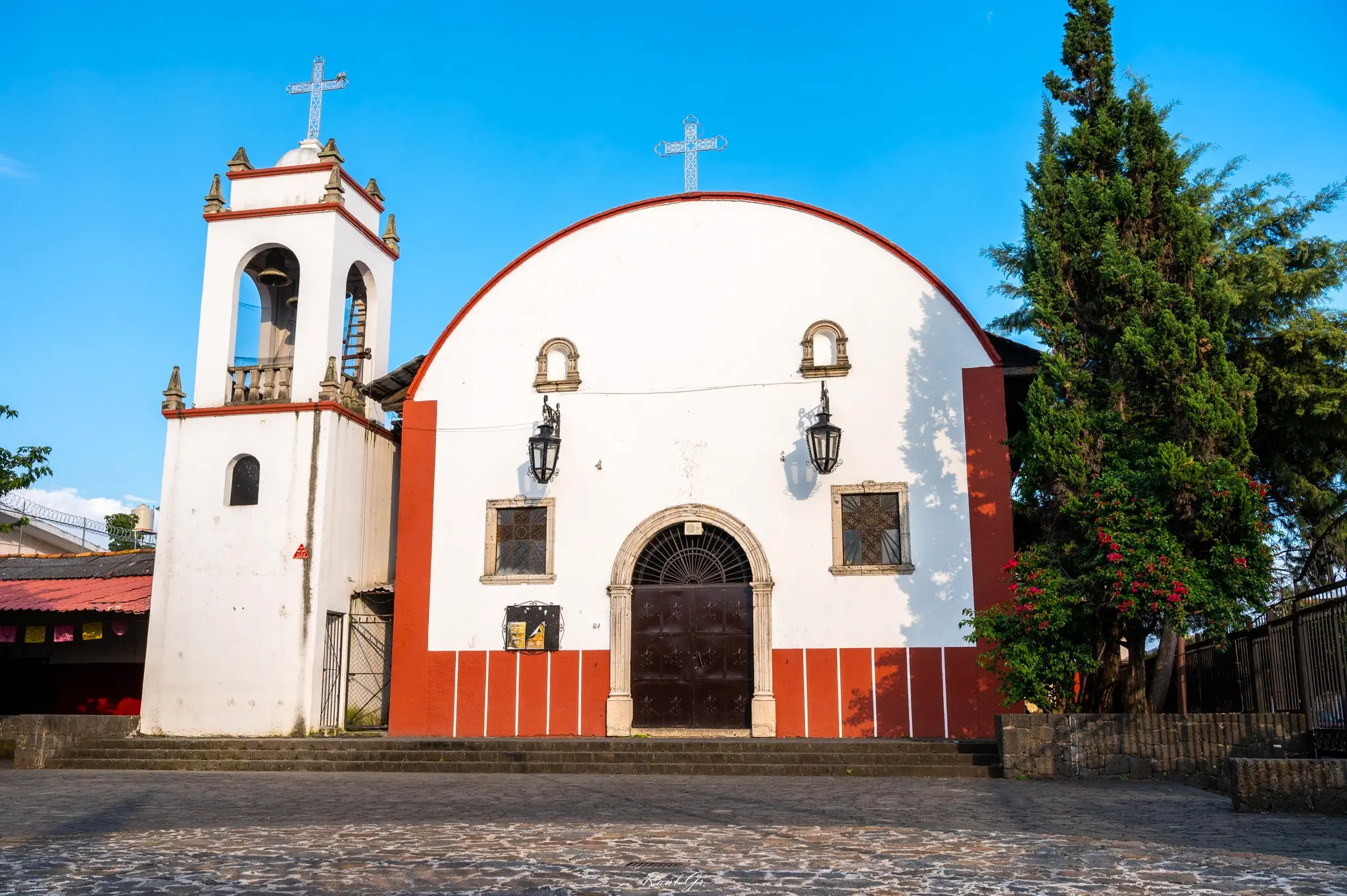
Adress
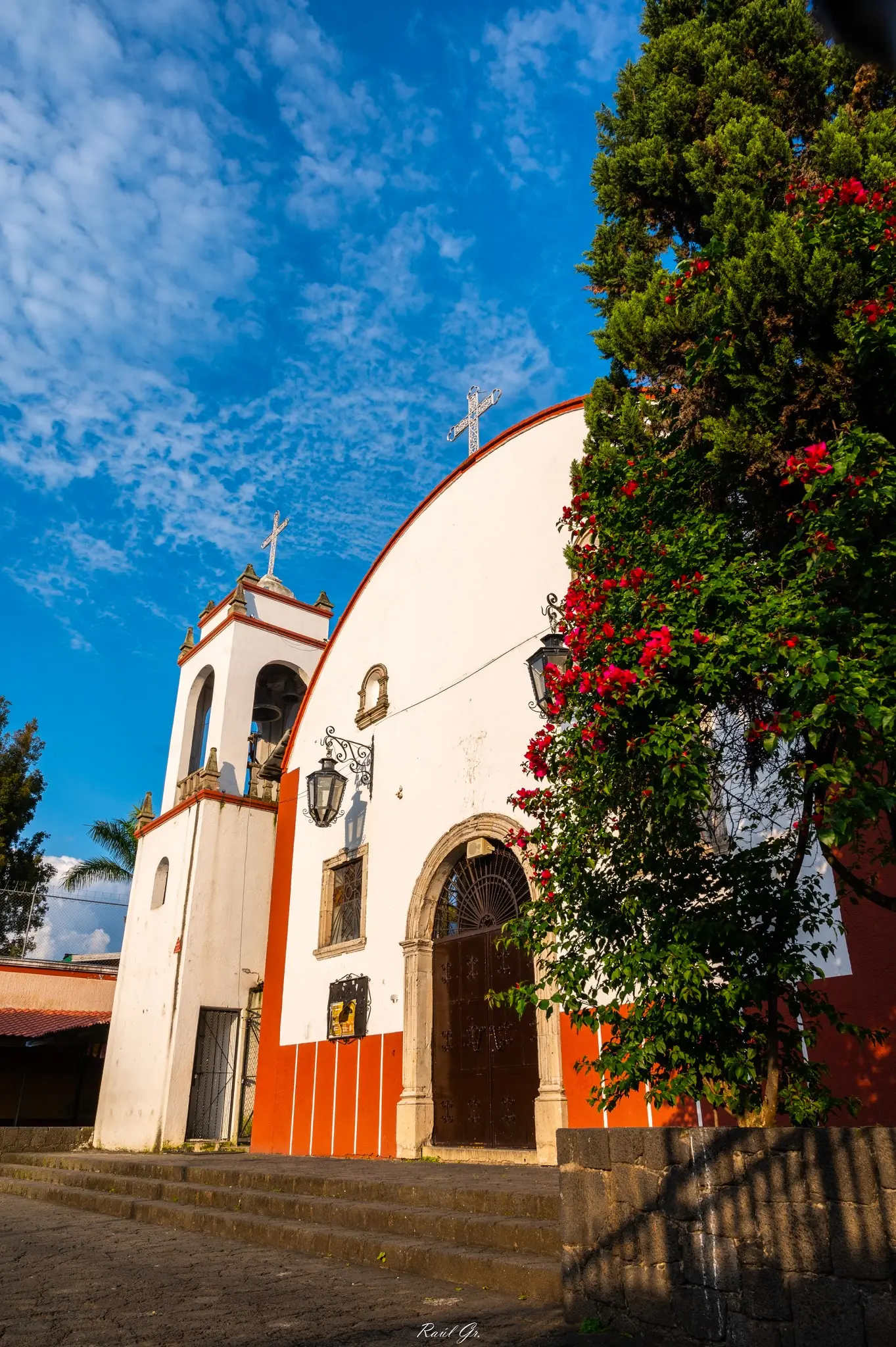
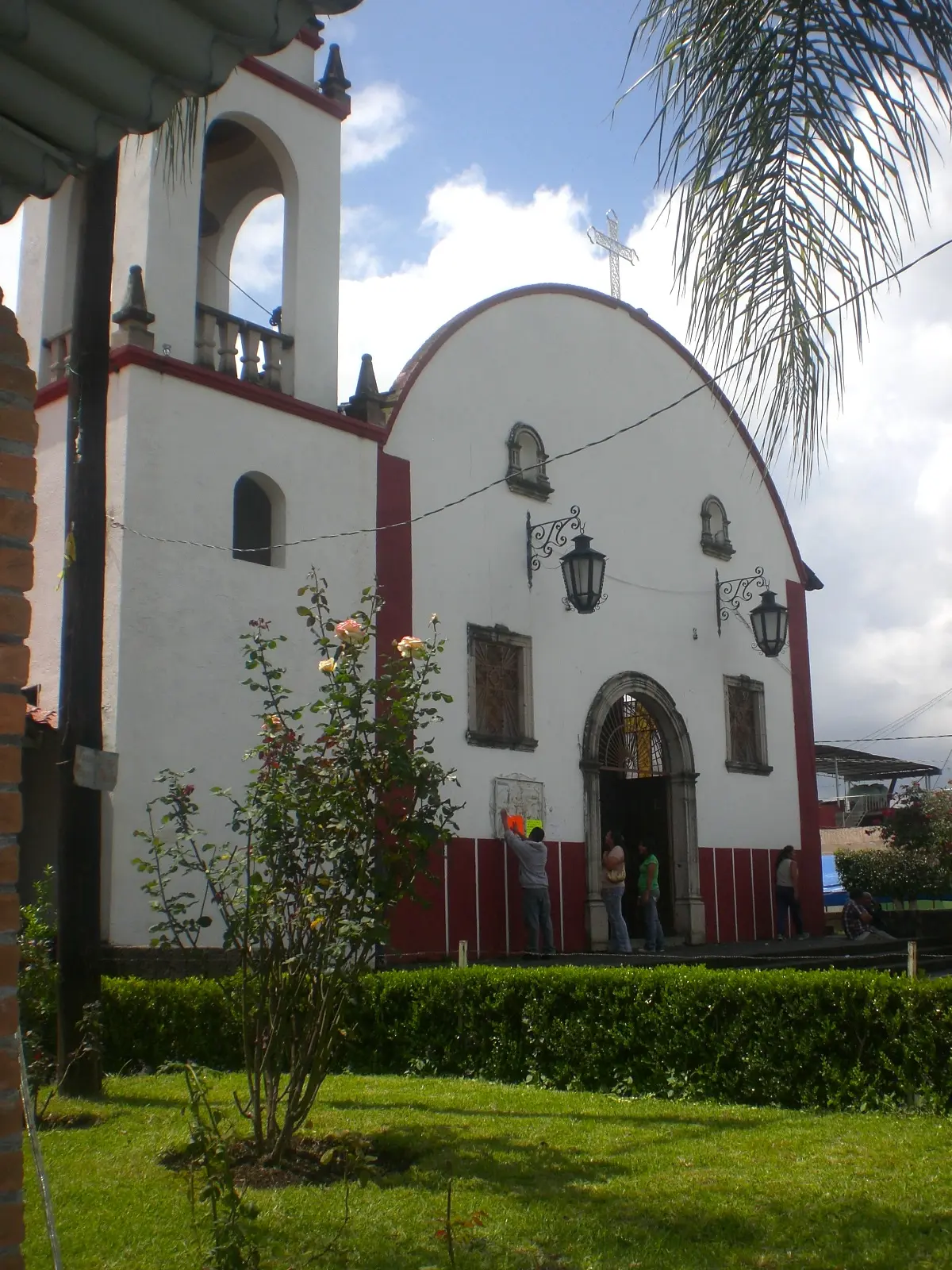
Paseo Lázaro Cárdenas s/n, La Magdalena, 60080 Uruapan, Michoacán, México.
GPS
19.41141, -102.05659
KNOW MORE PLACES
VISITA OTRAS LOCALIDADES
1. The Seed of the 16th Century: Friar Juan de San Miguel
The history of Uruapan as a city dates back to 1533, when the Franciscan friar Juan de San Miguel arrived in the region. His vision was crucial: he decided to gather and organize the surrounding indigenous populations to evangelize them, following a model of social and religious planning.
The Origin of the Neighborhoods: You should know that Friar Juan de San Miguel united the indigenous people by giving each neighborhood a chapel with its respective patron saint. This method gave rise to the nine founding neighborhoods of the city, among them La Magdalena. Your visit to this chapel is an act of direct connection with the founding era of Michoacán.
2. Architecture of Austerity and Faith
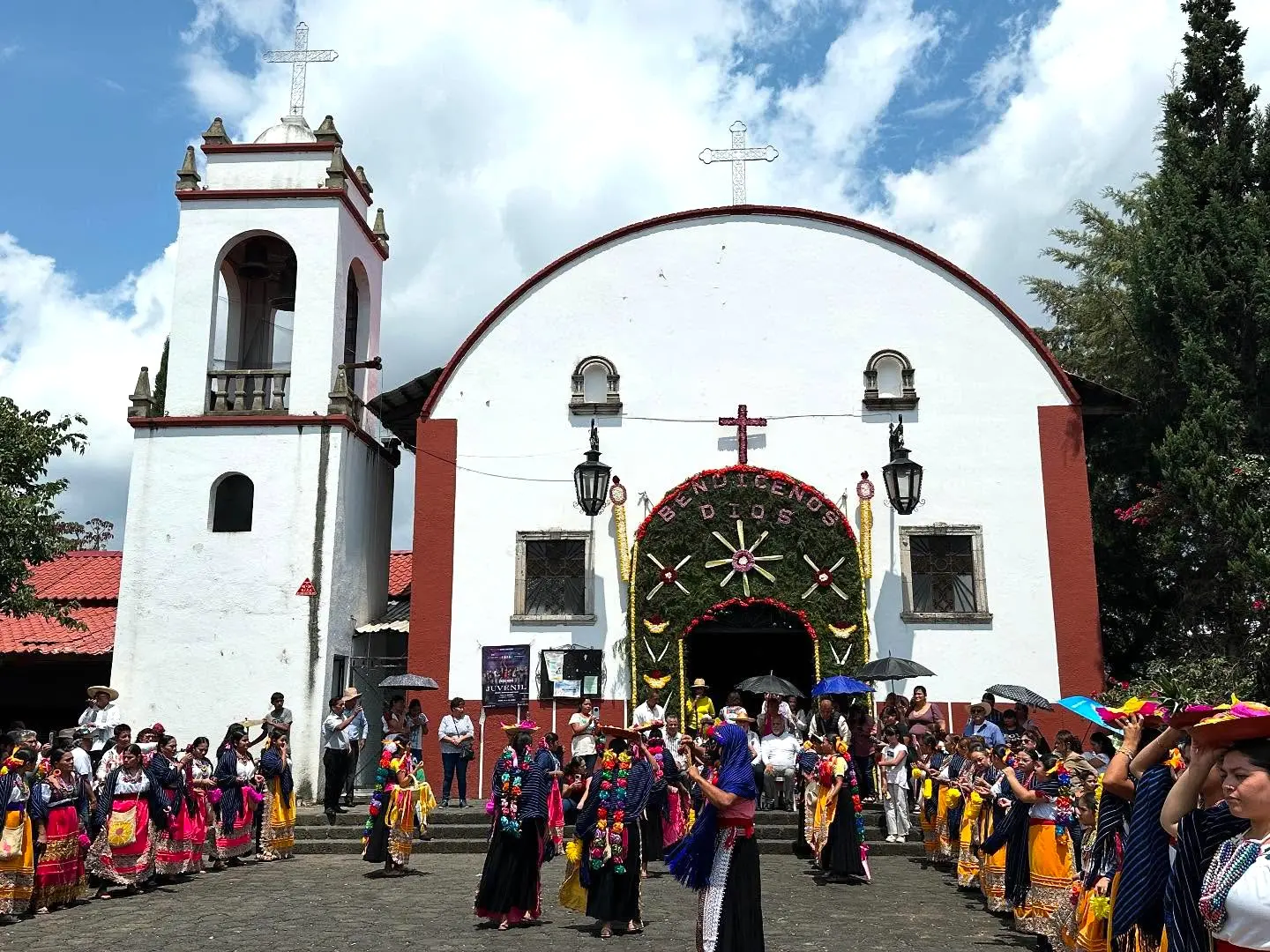
The Chapel is characterized by the nobility and simplicity of its design. You will notice that its architecture reflects Franciscan austerity, a clear example of the mendicant architecture of the 16th century. This style, dominant in early New Spain, was designed by religious orders for the mass evangelization of indigenous communities, prioritizing functionality and solidity. Its thick adobe and stone walls are a testament to the urgency of building functional and durable temples.
The Atrium: The large atrium that precedes it is not a mere empty space; imagine that in colonial times it functioned as a place for social gatherings, teaching, and the performance of ritual dances.
3. The Unfolding of the Patron Saint Festival
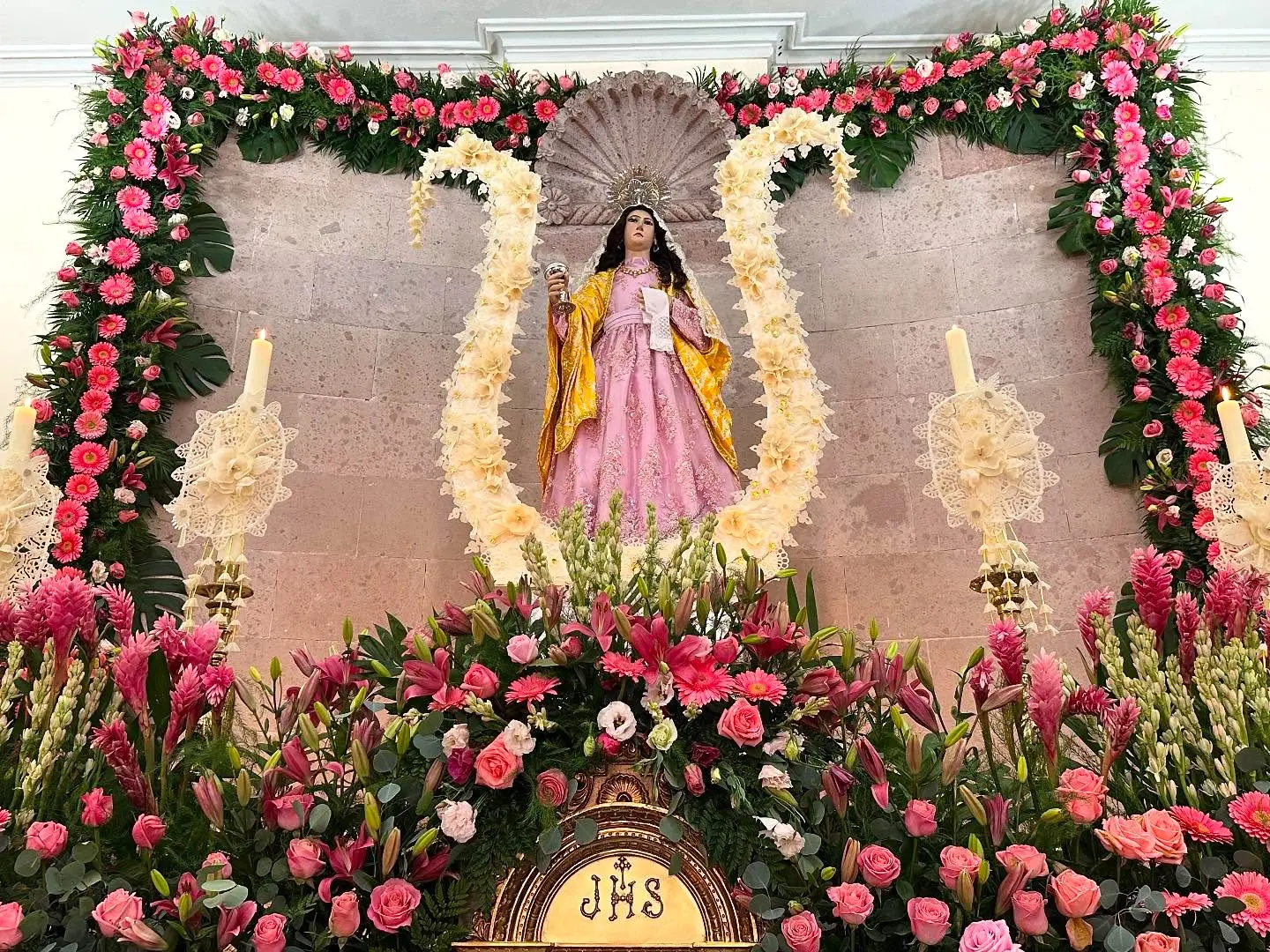
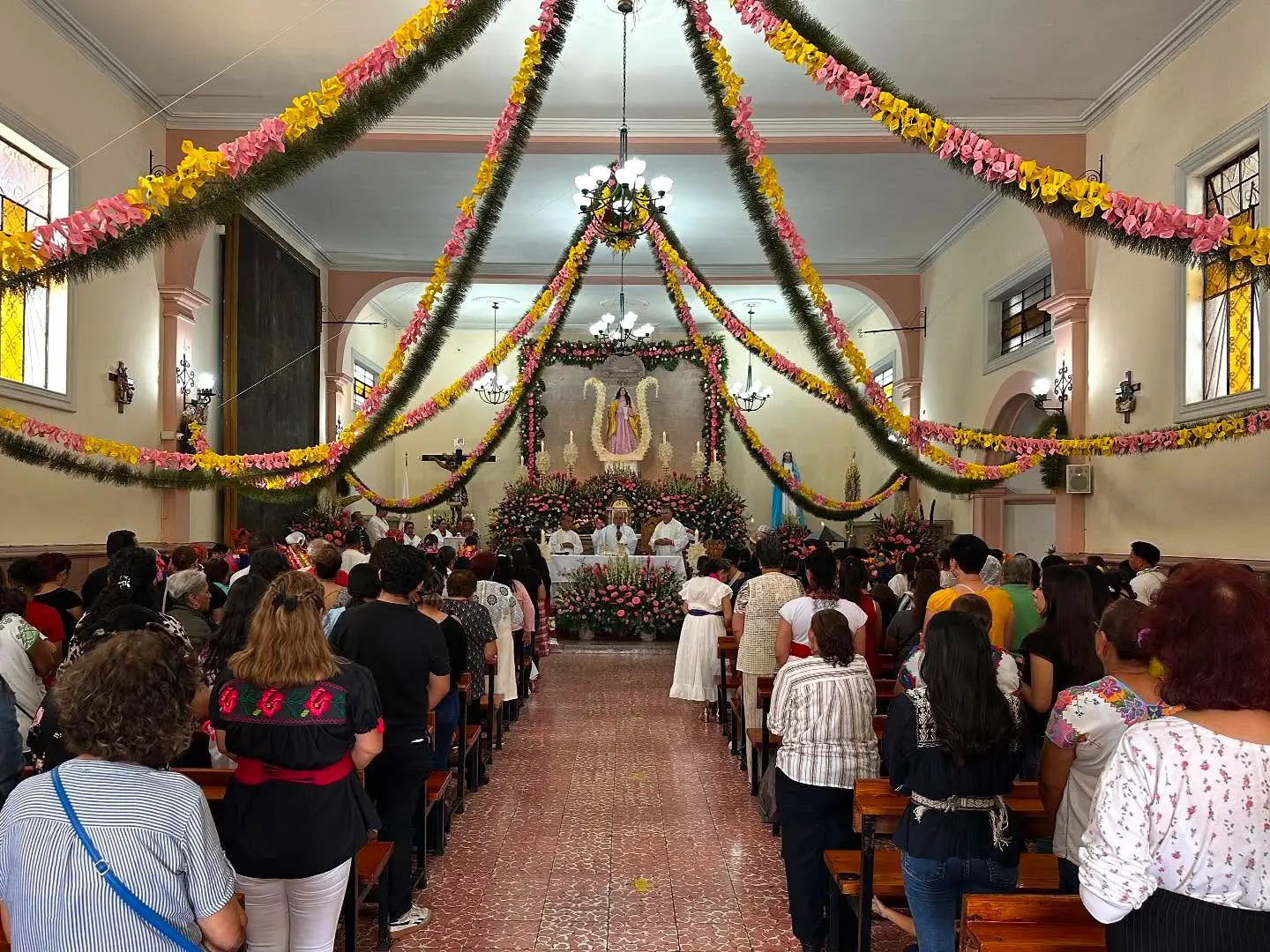
The Chapel of La Magdalena is the center of one of Uruapan's founding neighborhoods. The community's devotion reaches its peak during the festivities dedicated to the patron saint, which extend over several days.
Key Dates: The festival is celebrated intensely on July 21, 22, 23, 28 and 29.
The Eve: July 21st is known as the “eve” (the prelude to the main festival). From this day onwards, you can seepeople and pilgrims from other neighborhoods and communities begin to arrive, marking the start of the celebrations with abundant food, musical bands, and all the liturgy corresponding to the religious celebration.
4. The Procession and the Dances
The main tradition takes place on July 22nd. We consider the procession to be the most photogenic moment, which is itself a living offering of gratitude for the harvest.
The Ritual: The procession is distinguished by the oxen and mules that are decorated with ribbons and flowers in bright colors before being taken to the atrium.
The Cultural Display: Upon arriving at the atrium of La Magdalena, the celebration transforms into a display of the most representative dances of the Purépecha culture: Dance of the Old Men (wisdom), Dance of the Moors, and the dances of Blacks and Maringuías (social satire).
An essential stop from Pátzcuaro: Exploring the Purépecha Plateau requires understanding its full history. We recommend including this stop on your route to Uruapan for a richer historical experience, as the 16th-century mysticism that permeates Pátzcuaro remains alive and vibrant in the neighboring communities.
 EN
EN  ES
ES