
 MAP
MAP SEARCH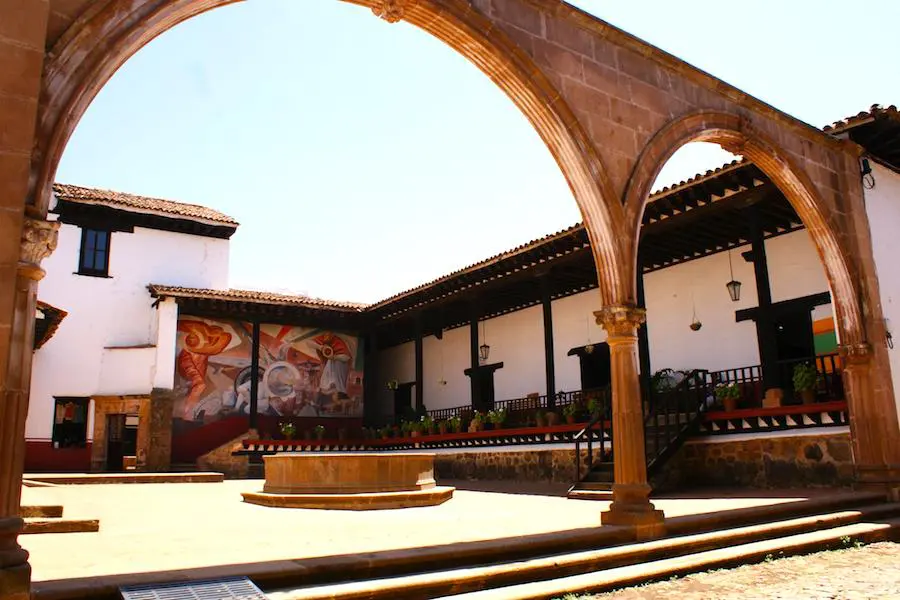
Adress
Madrigal de las altas torres, Centro, 61600 Pátzcuaro, Michoacán, Mexico
GPS
19.511746732067, -101.60802125931
Send an Email to
Web
KNOW MORE PLACES
VISITA OTRAS LOCALIDADES
The House of the Eleven Courtyards: Labyrinth of Quarry Stone and Crafts
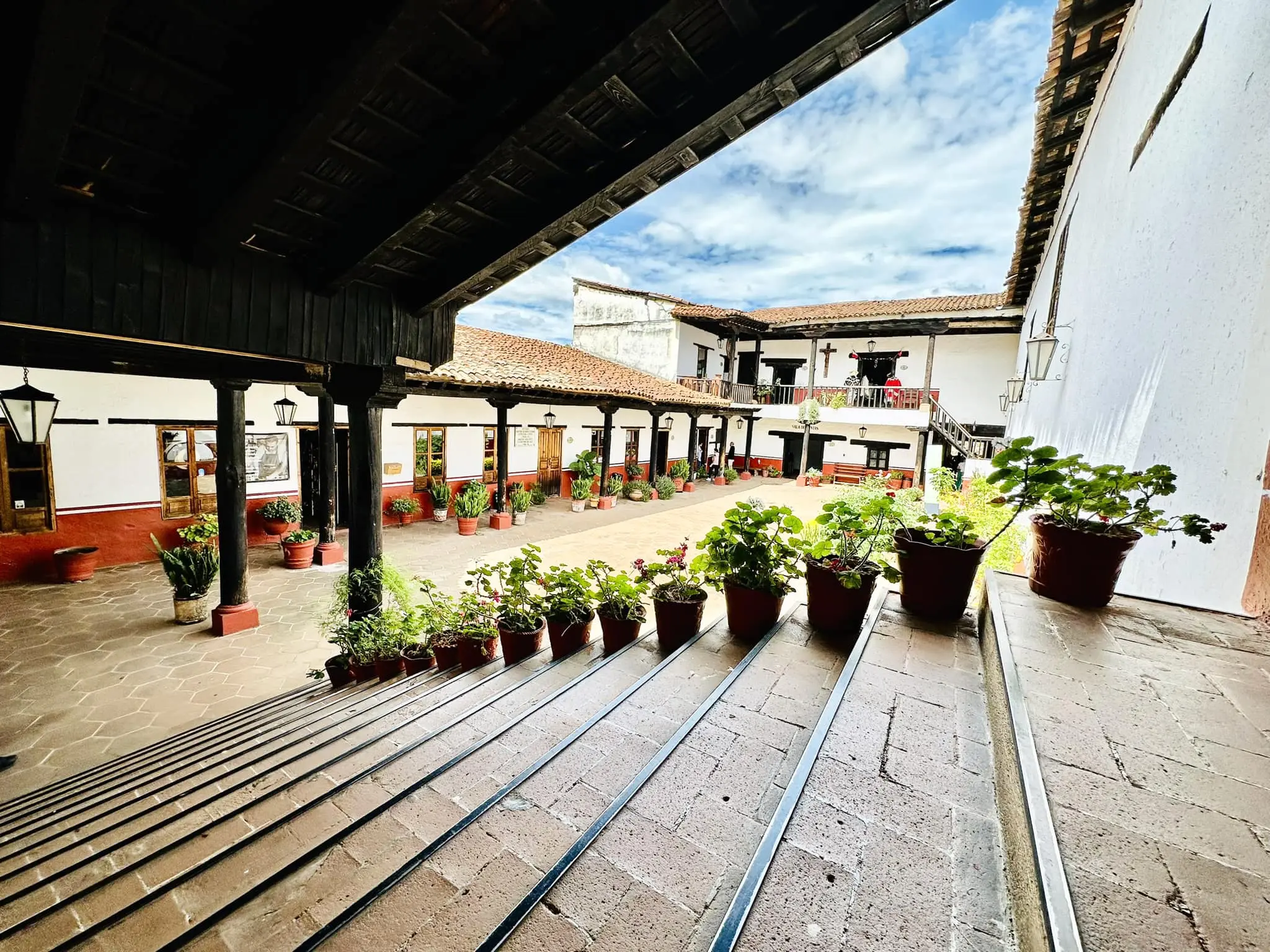
The Legacy of the Catarinas (1747) What we know today as a craft market was, in the 18th century, a cloistered convent of prayer. Founded around 1747, this building housed the convent of the Dominican nuns (Catarinas), built on the grounds behind the old Hospital of Santa Marta.
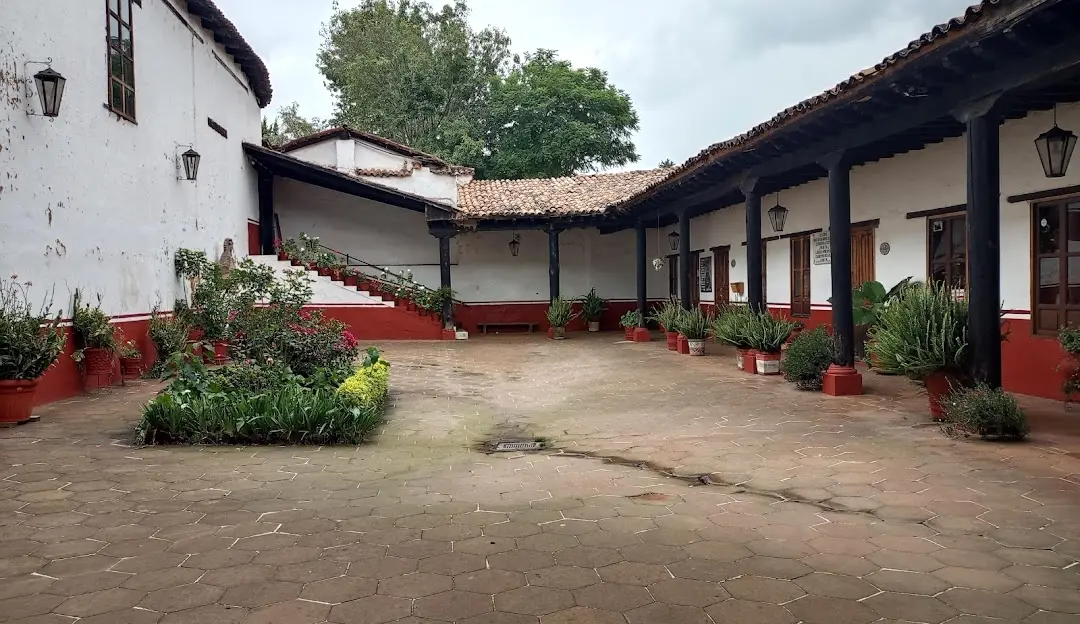
It is the only female religious institution of the Dominican order that existed in Pátzcuaro, and its architecture reflects the power of the time: thick walls, labyrinthine corridors and an atmosphere of peace that can still be felt upon crossing the threshold.
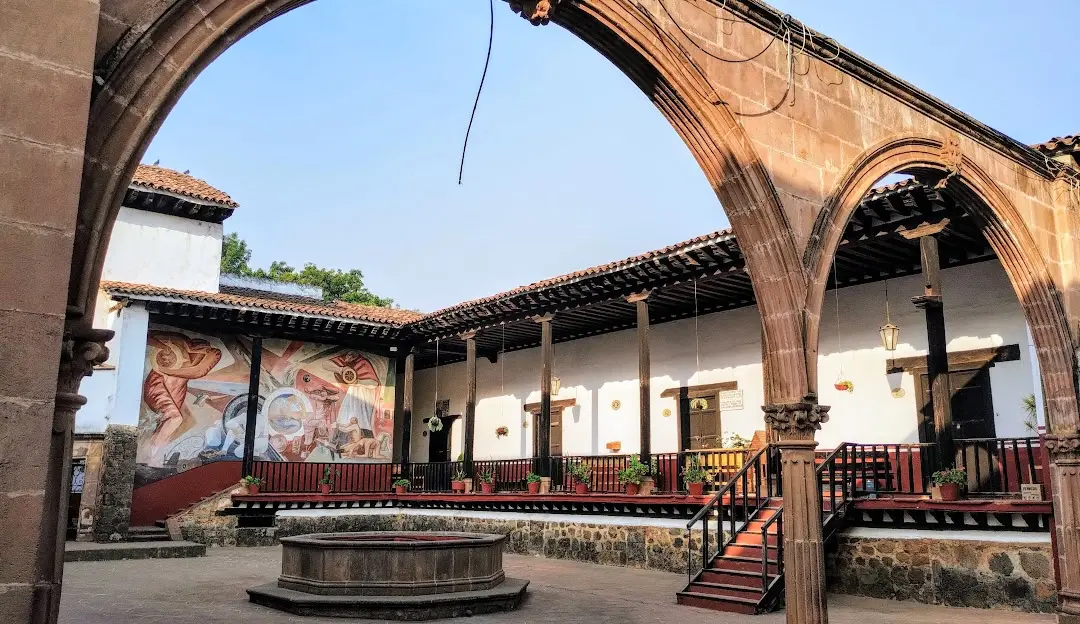
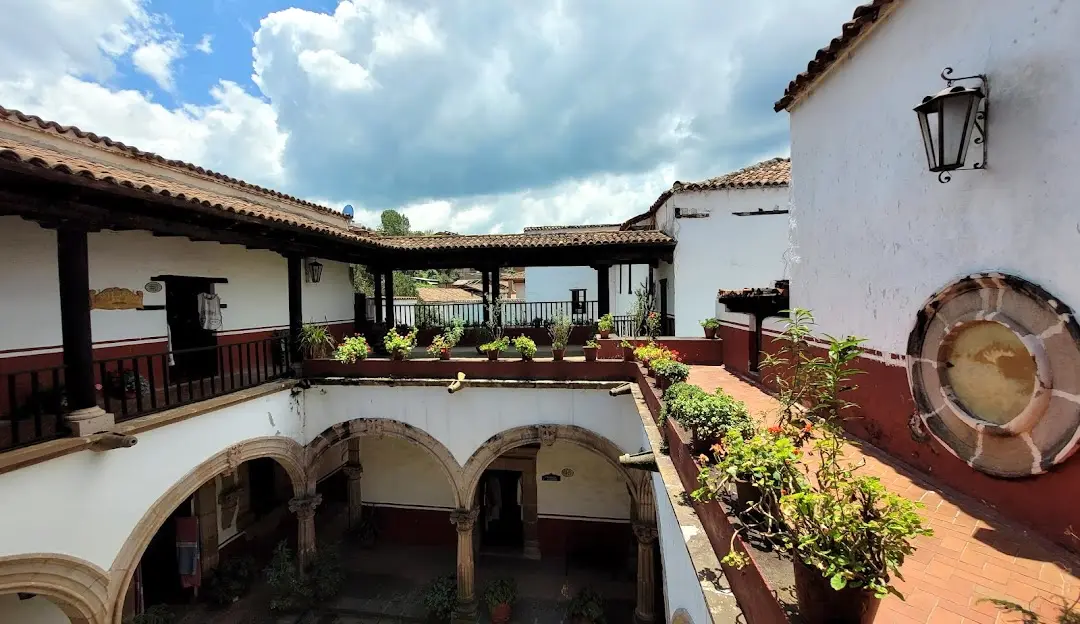
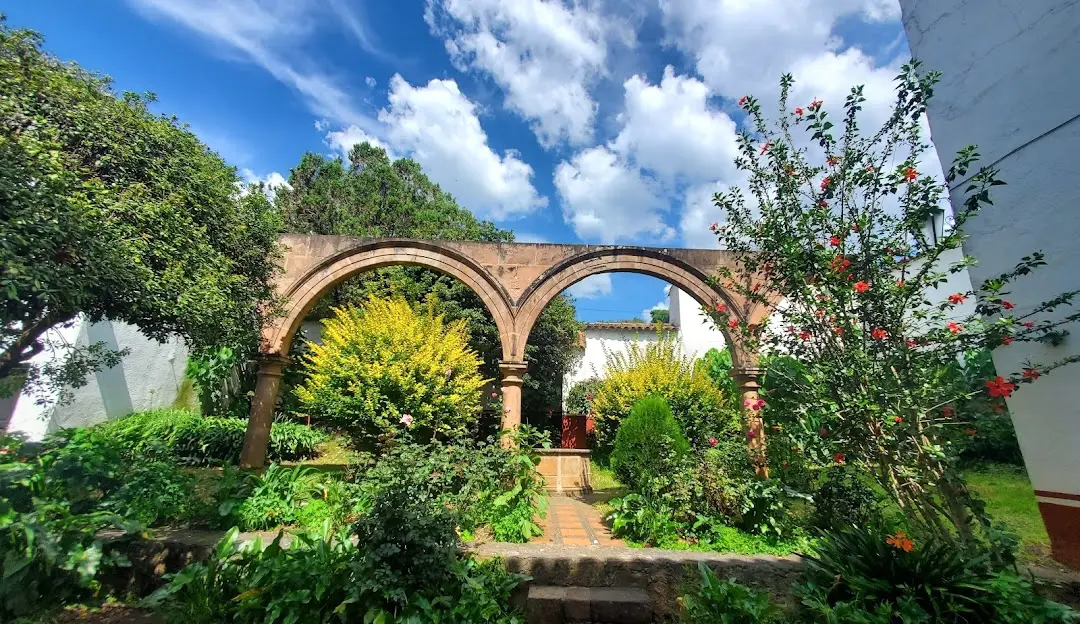
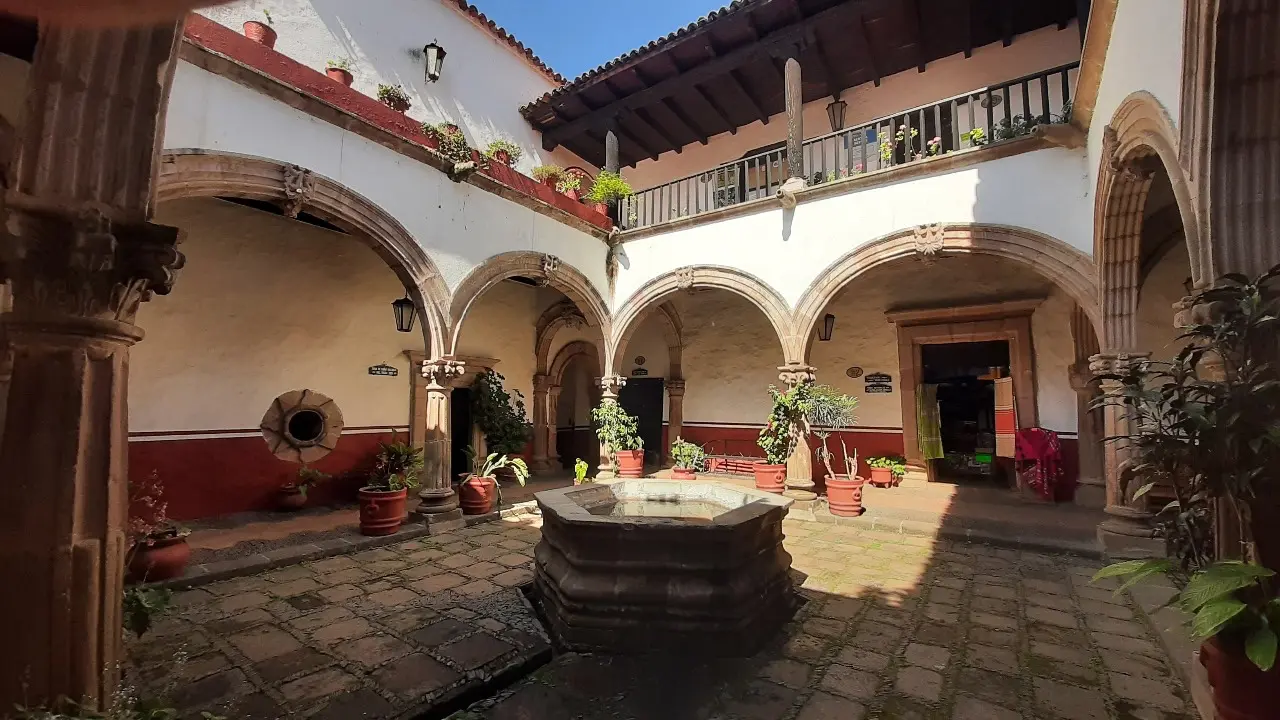
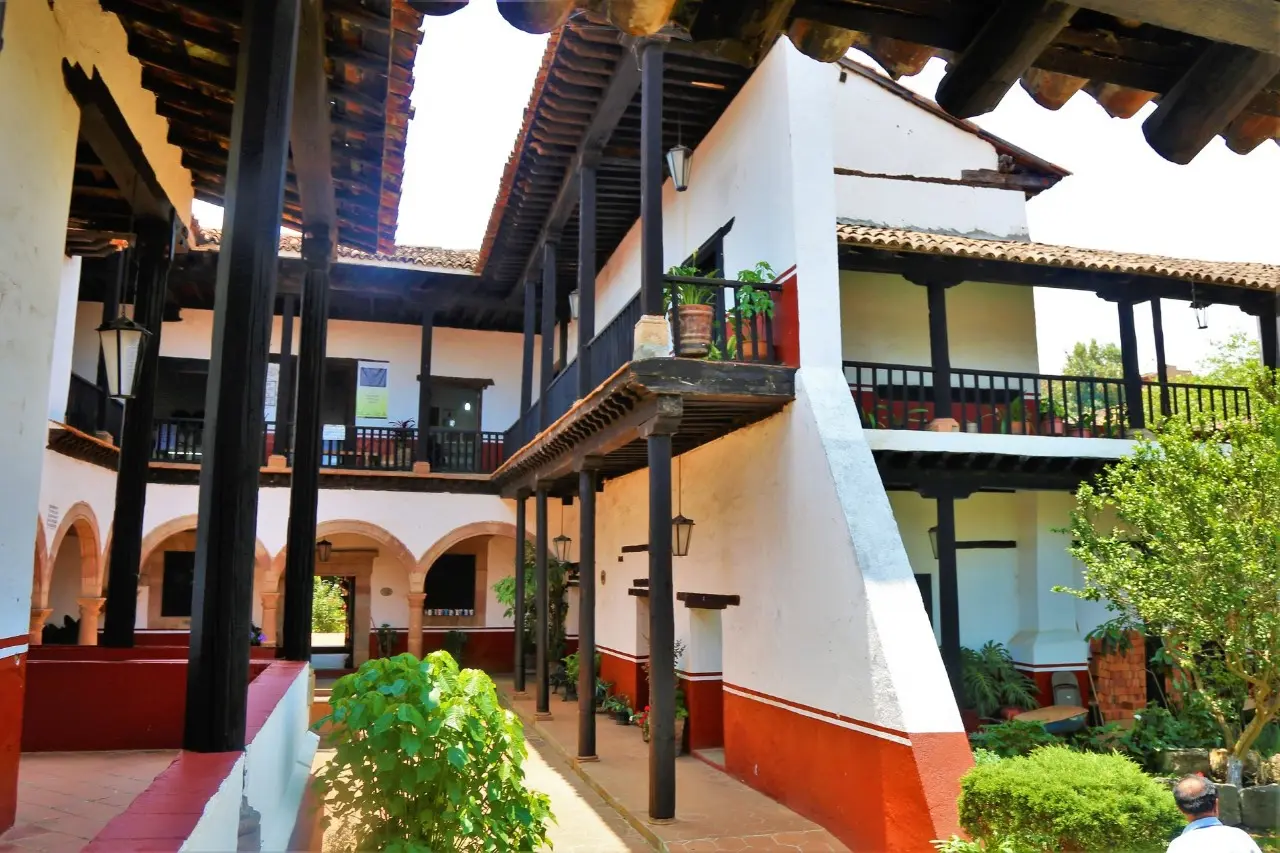
Why “Eleven Courtyards”? The name evokes the original magnificence of the complex. In its heyday, the convent covered an immense area encompassing eleven distinct courtyards. However, with the opening of streets and urban changes over the centuries, the complex was reduced in size. Today, visitors can explore five main courtyards, but the name “House of the Eleven Courtyards” remains as an echo of its former grandeur.
Architecture and the Legend of the Bath The building is a visual feast: carved capitals, semicircular arches, and strongly defined archivolts. But the treasure most sought after by the curious is the famous “Nun’s Bath”.
Located in one of the interior courtyards, it is a beautiful Baroque bathtub with a hydraulic system that was advanced for its time. Its very existence is a rarity. Legend has it that this bath was built exclusively for a princess who, fleeing an unhappy fate, renounced her reign and shut herself away in the convent, keeping only this luxury for her personal hygiene.
A Living Museum: The House of Handicrafts Today, the former convent functions as the House of Handicrafts, and a visit is a must not only to buy, but to learn. Unlike a typical store, here the experience is immersive. In the small workshops that occupy the former cells, it is possible to see master artisans working in real time: applying lacquer, hammering copper, or embroidering textiles.
A Station on the “Route of Color” This building also holds a pictorial treasure. In its corridors is the mural by the master José Luis Soto González, a fundamental work that is part of the Route of the Murals of Pátzcuaro.
The mural serves as a tribute of gratitude, connecting the past with the present. We see Don Vasco de Quiroga organizing the trades, surrounded by symbols of folk art. The magic of this work lies in its dialogue with reality: what you see painted on the wall, you can see live and in full color by taking a few steps to the adjacent workshops, where artisans continue to repeat those same sacred gestures.
Are you passionate about art? Don't miss the rest of the Color Route, discovering the murals of Juan O'Gorman and other masters scattered throughout the city.
 EN
EN  ES
ES