
 MAP
MAP SEARCH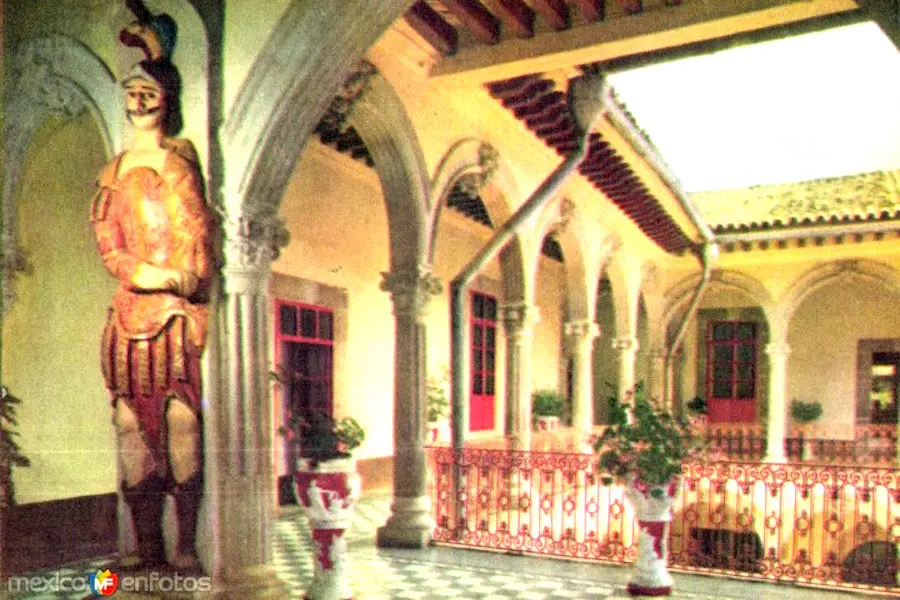
Adress
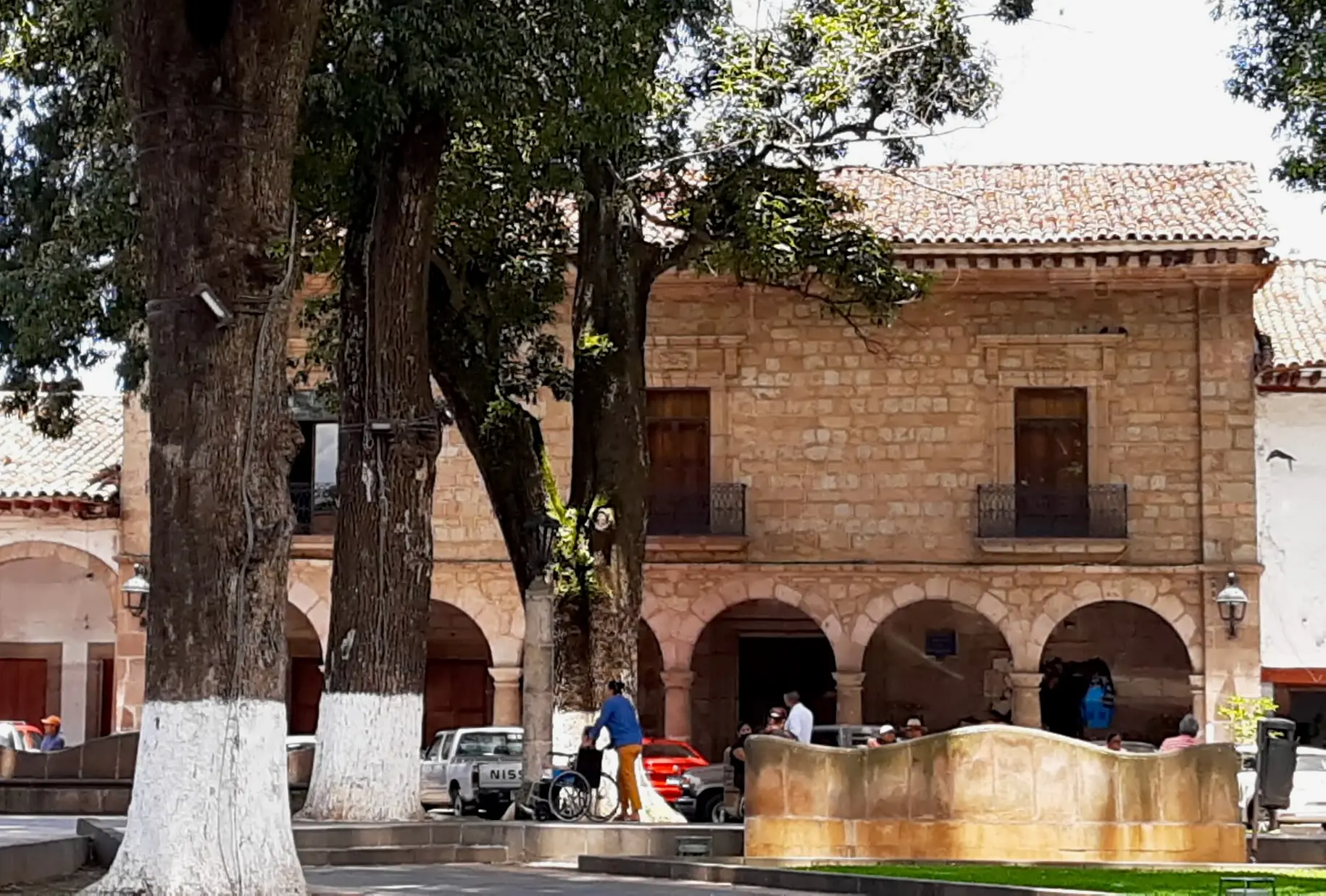
Portal Matamoros, Centro, 61600, Pátzcuaro, Michoacán, México.
GPS
19.513528576676, -101.60825994663
KNOW MORE PLACES
VISITA OTRAS LOCALIDADES
The Giant's House: The Enigma of Argamasa and Humboldt's Footprint
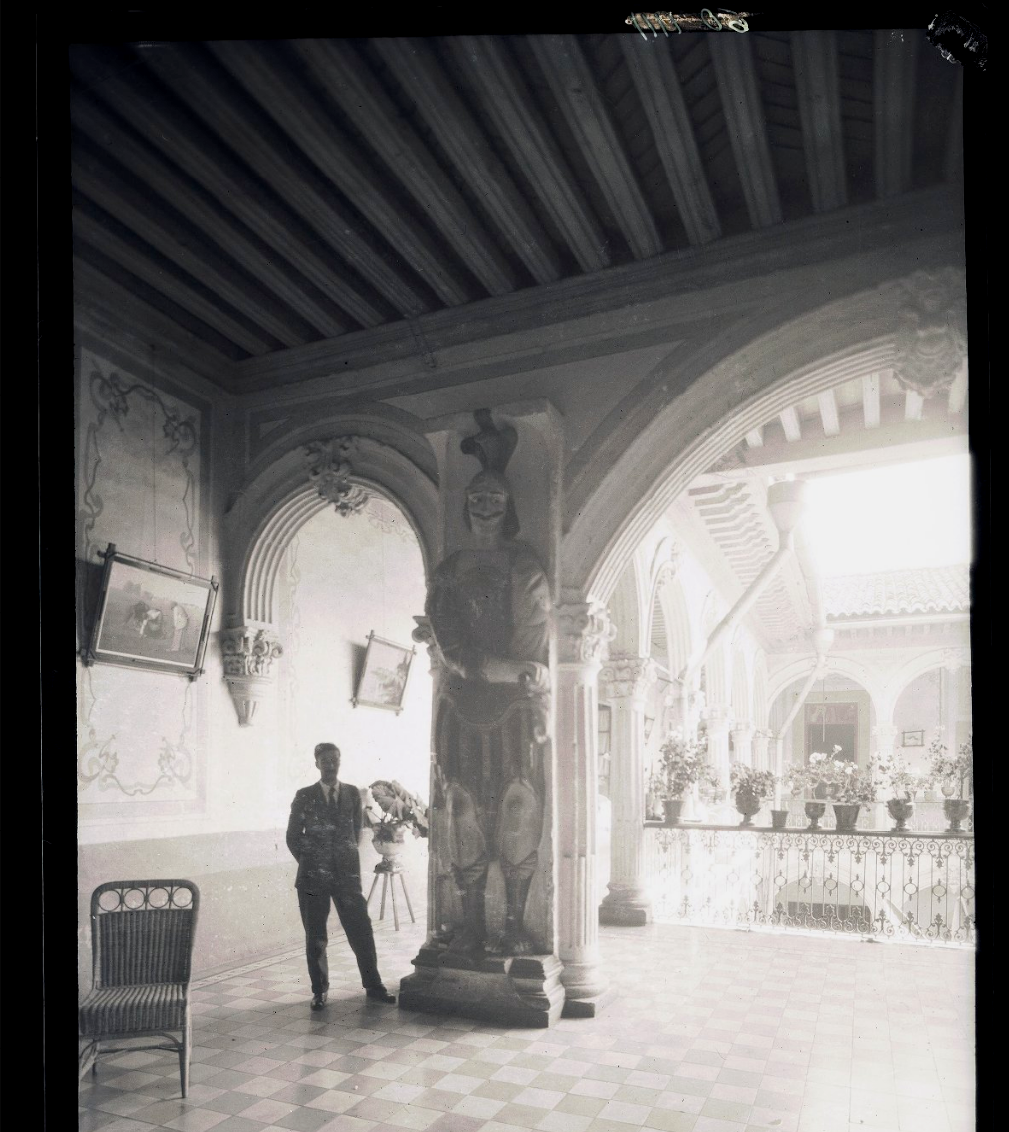
The Mystery of the Soldier Walking through the Portal de Matamoros (next to the Portal Chaparro), the visitor's gaze is inevitably drawn to a unique architectural curiosity in the Plaza Grande. On the upper floor of the building, visually supporting the structure, is the figure of a “Giant”: a polychrome sculpture of a soldier made of mortar.
Who is he and why is he there? His significance remains an enigma. Researcher Gabriel Silva Mandujano, in his work "The Baroque House of Pátzcuaro," describes the figure as having a face with a long mustache and a haircut in the fashion of the 17th century. His gaze, directed toward the staircase, seems to serve to "intimidate the newcomer."
Beyond warlike interpretations, its presence reveals that the original builder, Don Antonio de Cabrera (a wealthy merchant and councilman of the 18th century), possessed not only wealth, but also a sense of humor and eccentricity sufficient to adorn his palace with this figure as unusual as it is artistic.
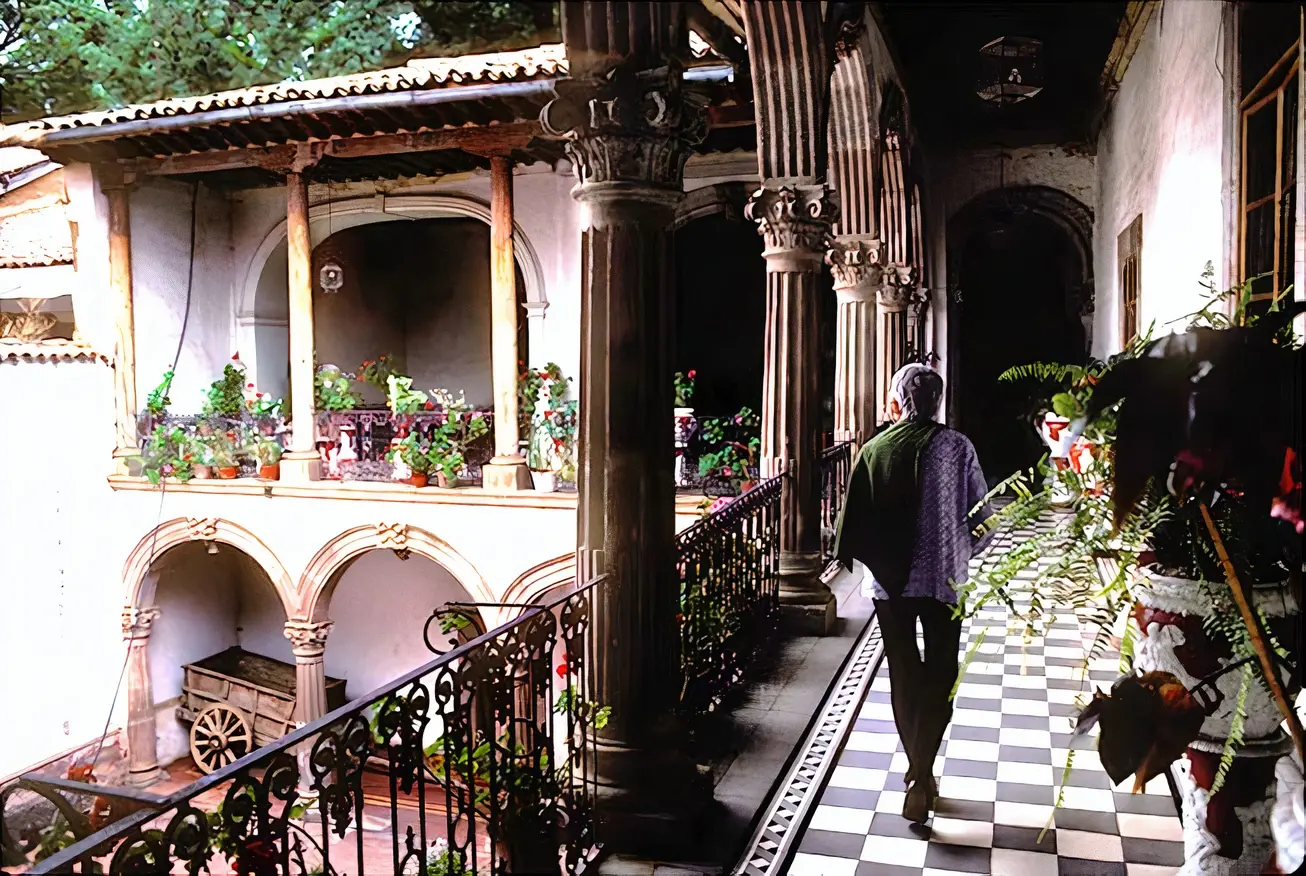
Stately Architecture (Former Mansion of the Counts of Menocal) Also known as the Mansion of the Counts of Menocal, this house is a jewel of civil Baroque architecture. Its semicircular arches, elegant Corinthian columns, and perfectly preserved interior courtyard make it one of the most beautiful properties in the city. It was built in the early 18th century, reflecting Pátzcuaro's commercial boom at that time.
An Illustrious Guest: Alexander von Humboldt (1803) This house holds within its walls the echo of one of history's most brilliant minds. In September 1803, during his legendary expedition to America, Baron Alexander von Humboldt stayed at this mansion.
The famous Prussian scientist, considered the father of modern geography, arrived in Pátzcuaro with a clear objective: to study and visit the El Jorullo Volcano (in the La Huacana area), a geological marvel that had been born just a few decades earlier.
Humboldt was no ordinary traveler. His explorations, comparable to Darwin's in impact, ranged from botany to climatology. He was the one who saw Mexico with new eyes, leaving behind phrases that resonate to this day:
“For me, Nature is not just objective phenomena, but a mirror of the human spirit.”
Staying in or visiting the city where Humboldt slept connects the traveler with that tradition of romantic and scientific exploration of the 19th century.
 EN
EN  ES
ES