
 MAP
MAP SEARCH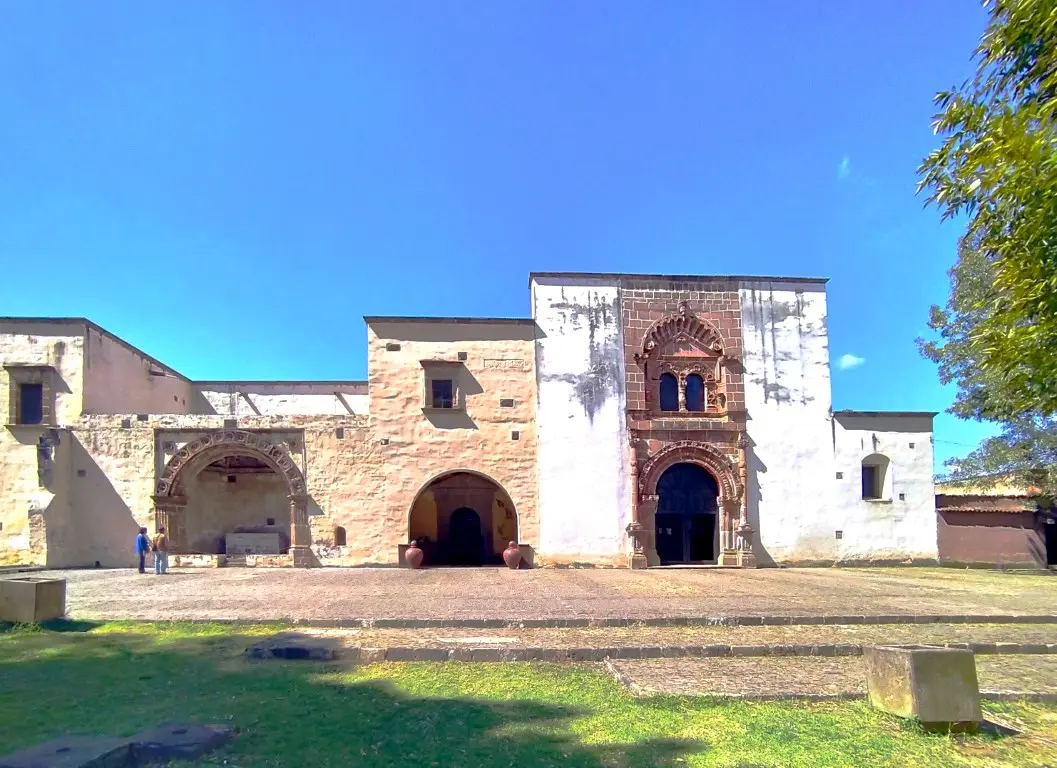
Adress
Convento s/n, Plaza Principal, Centro, 58440 Tzintzuntzan, Michoacán, México.
GPS
19.626102099811, -101.5785605201
Phone
Send an Email to
Monday
10:00 – 17:00
Tuesday
10:00 – 17:00
Wednesday
10:00 – 17:00
Thursday
10:00 – 17:00
Friday
10:00 – 17:00
Saturday
10:00 – 17:00
Sunday
10:00 – 17:00
KNOW MORE PLACES
VISITA OTRAS LOCALIDADES
🕊️ Fe, Olivos y Piedras Sagradas
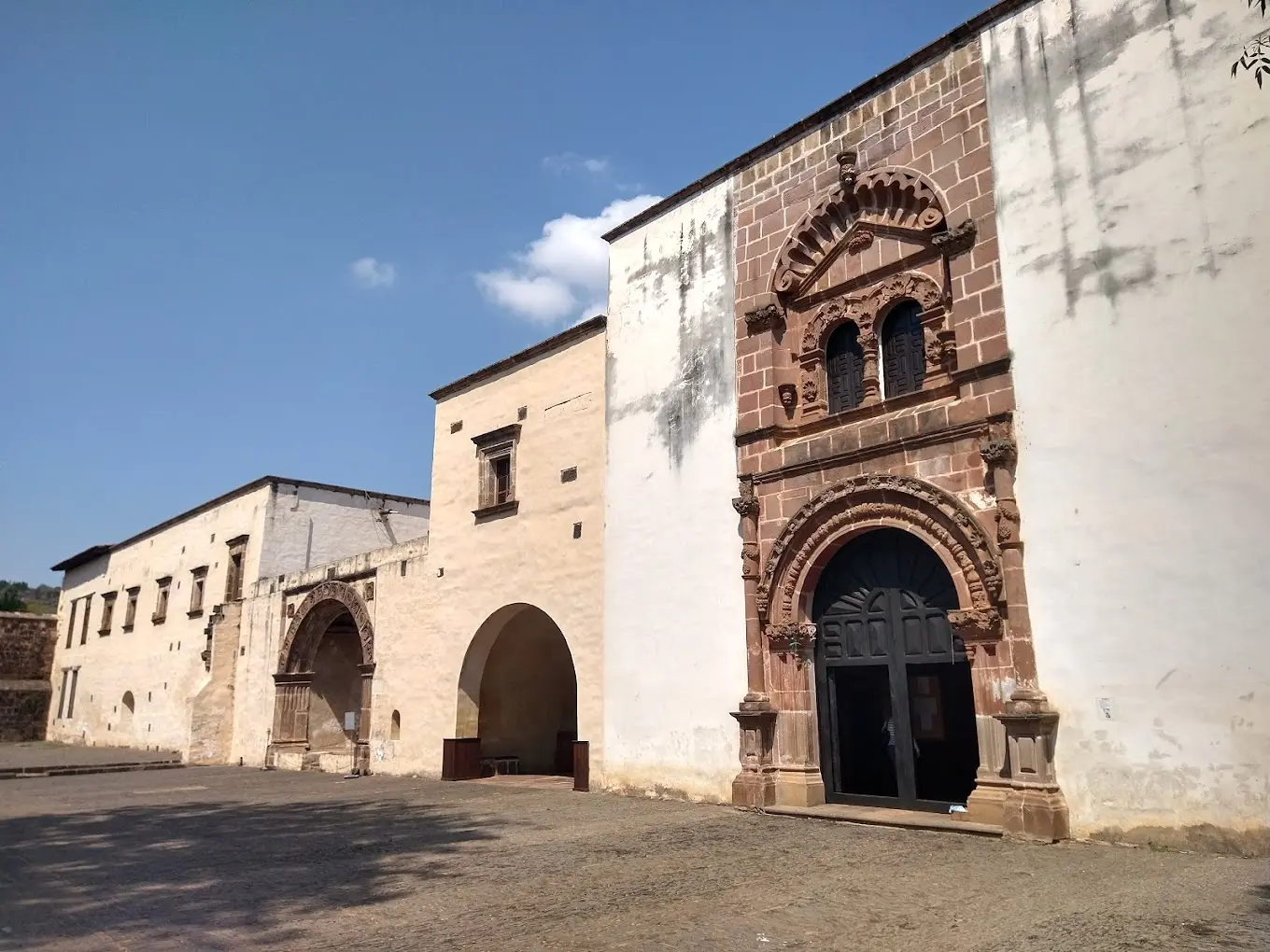
If you were already amazed by the power of the Yácatas at the top of the hill, it's time to descend to the heart of the town to discover the other side of the story. Welcome to Former Convent of Santa Ana, the first Franciscan compound founded in the region (around 1570) and a place where history is breathed under the shade of ancient trees.
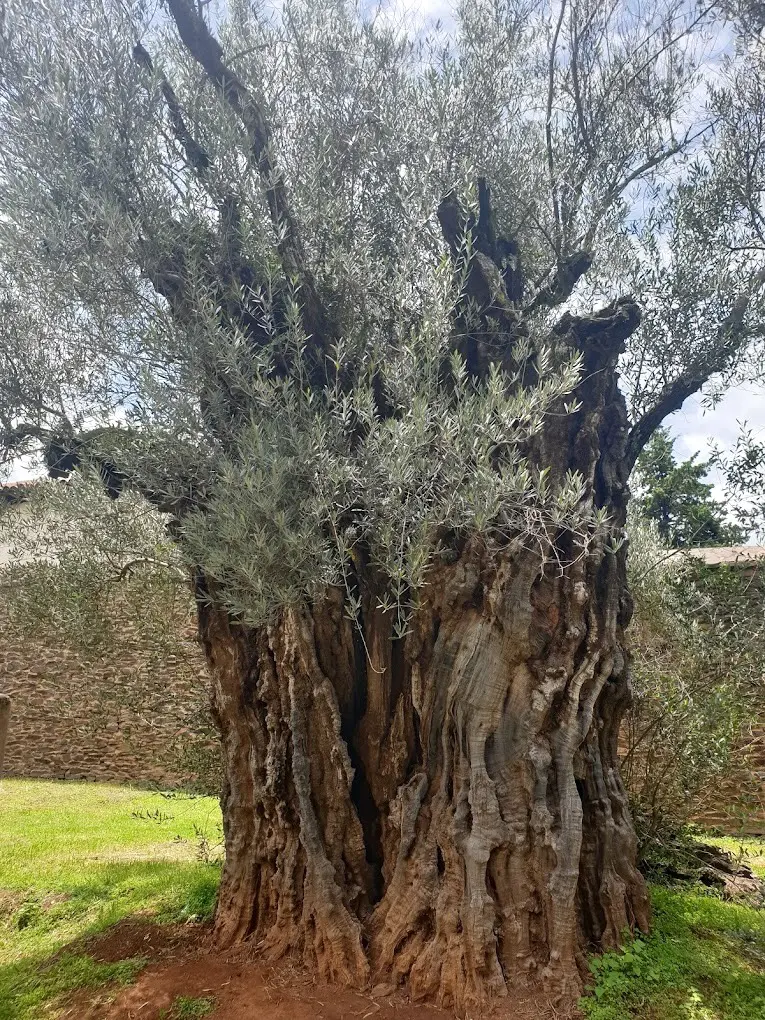
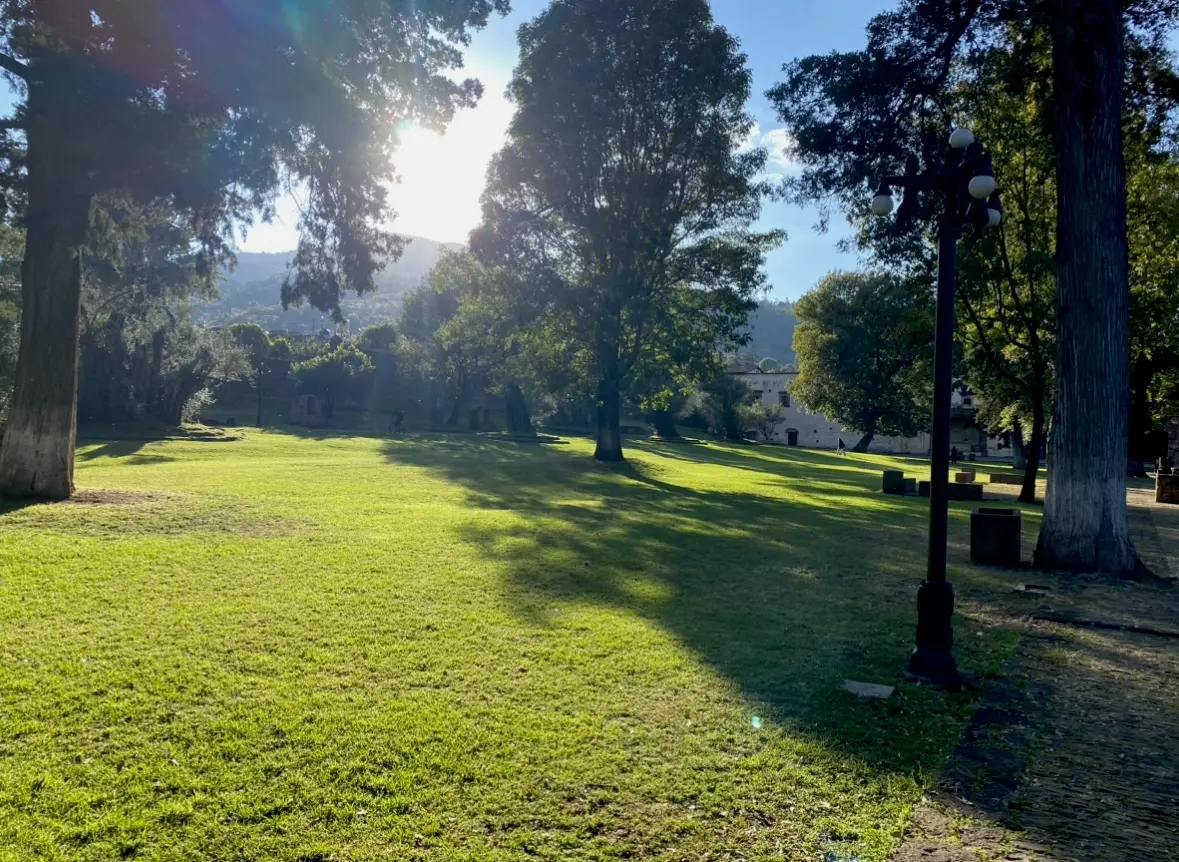
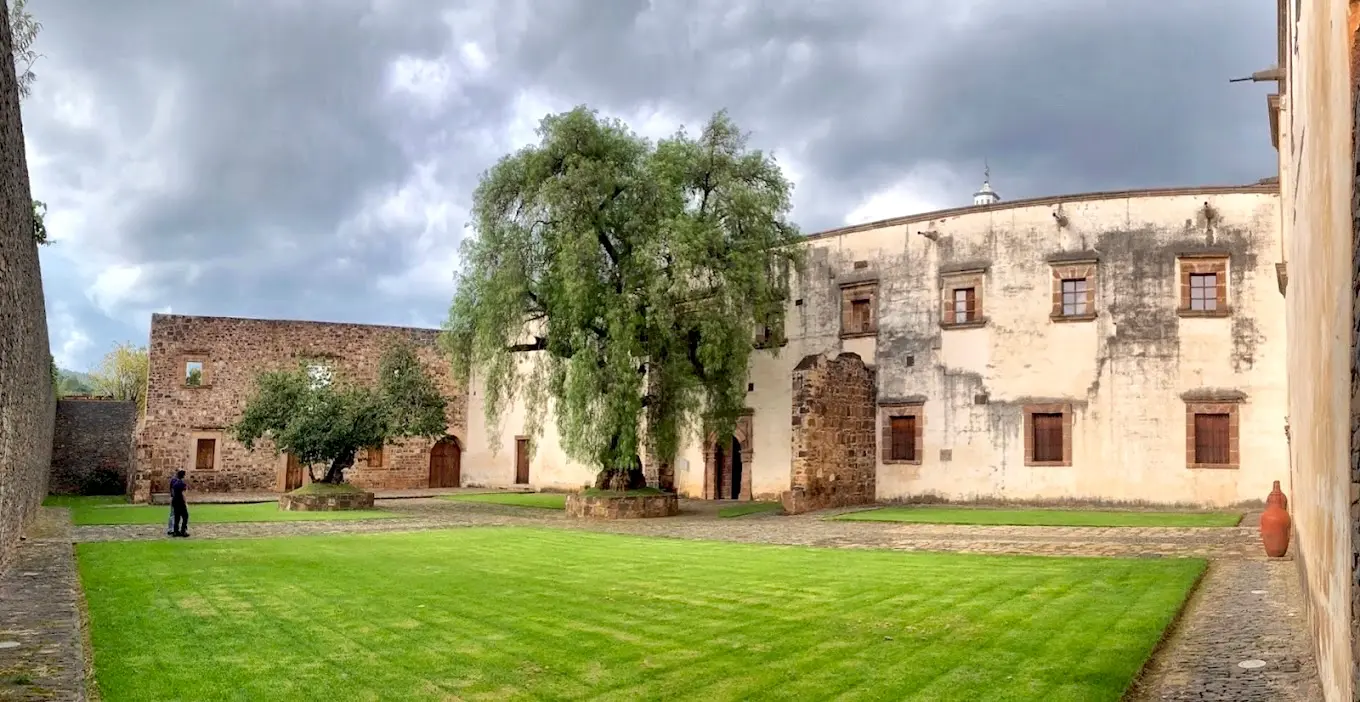
🌳 The Court of the Olive Trees Before entering the building, pause in the immense atrium. You are walking among giants. These gnarled and venerable olive trees were planted, according to tradition, by the first friars in the 16th century. They are silent witnesses to more than 450 years of history and create an atmosphere of peace that you won't find anywhere else.
🧱 Stones that tell two stories Go up to the convent walls and look closely. Do you notice those large, rectangular stone slabs? They are Janamus (Pre-Hispanic stones). To build this Baroque and Plateresque temple, stones from the destroyed ancient Yácatas were used. It is a brutal and beautiful architectural symbolism: the new faith built literally on the foundations of the ancient Purépecha religion.
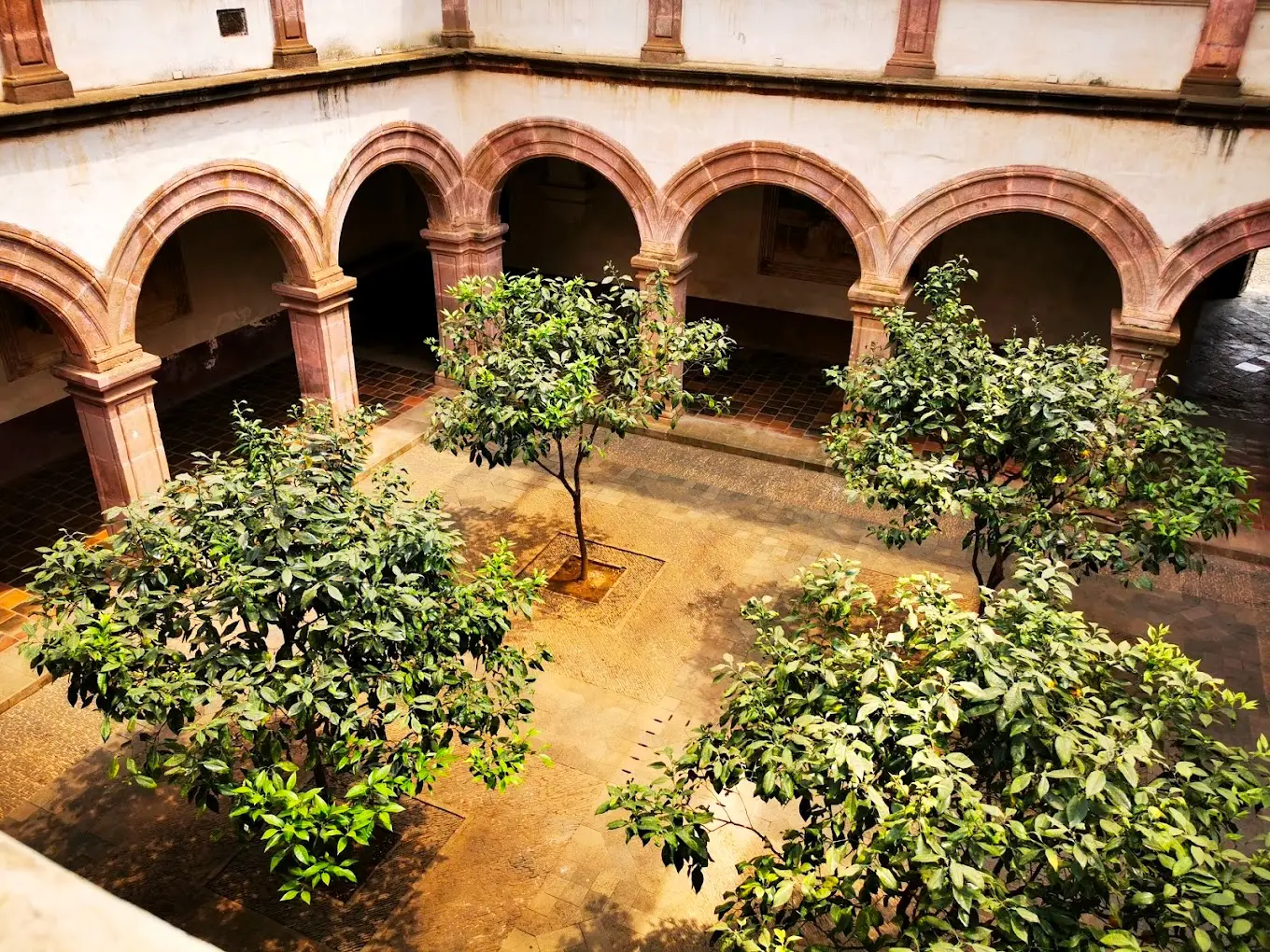
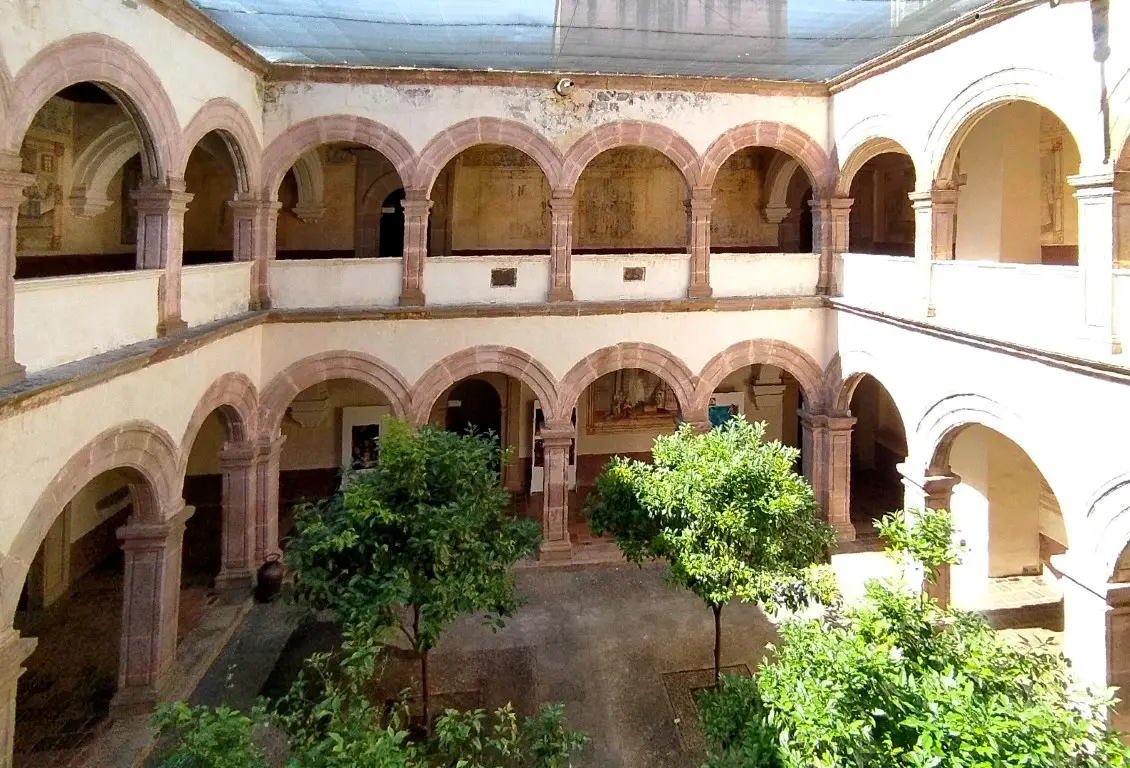
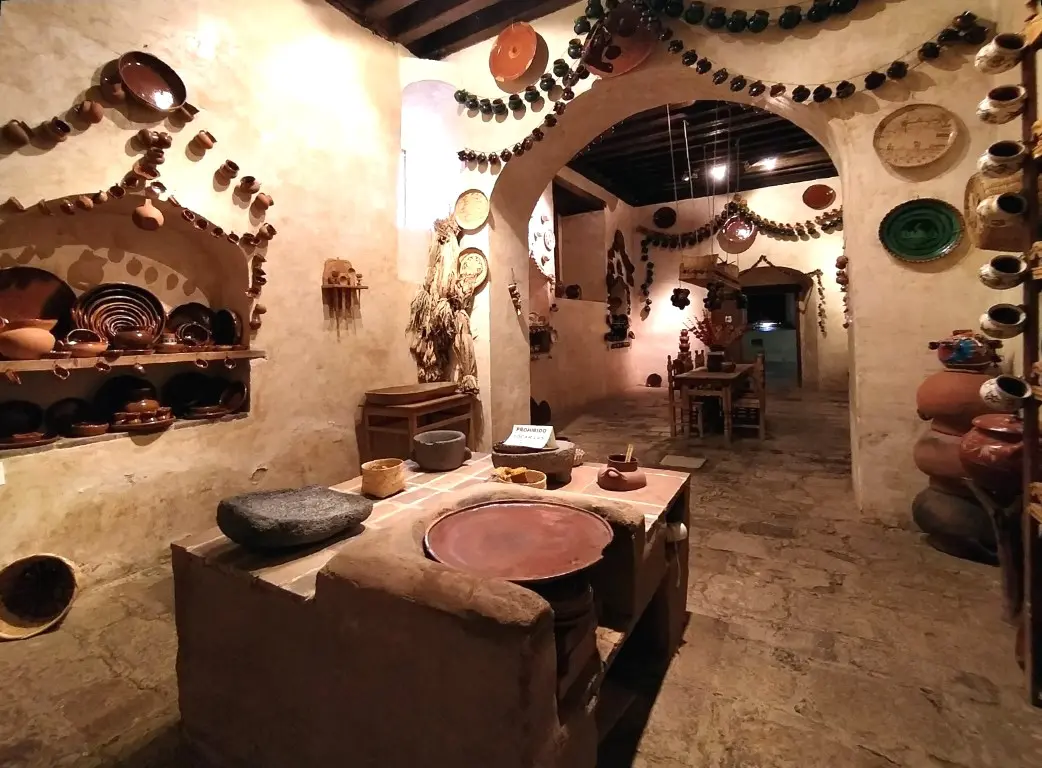
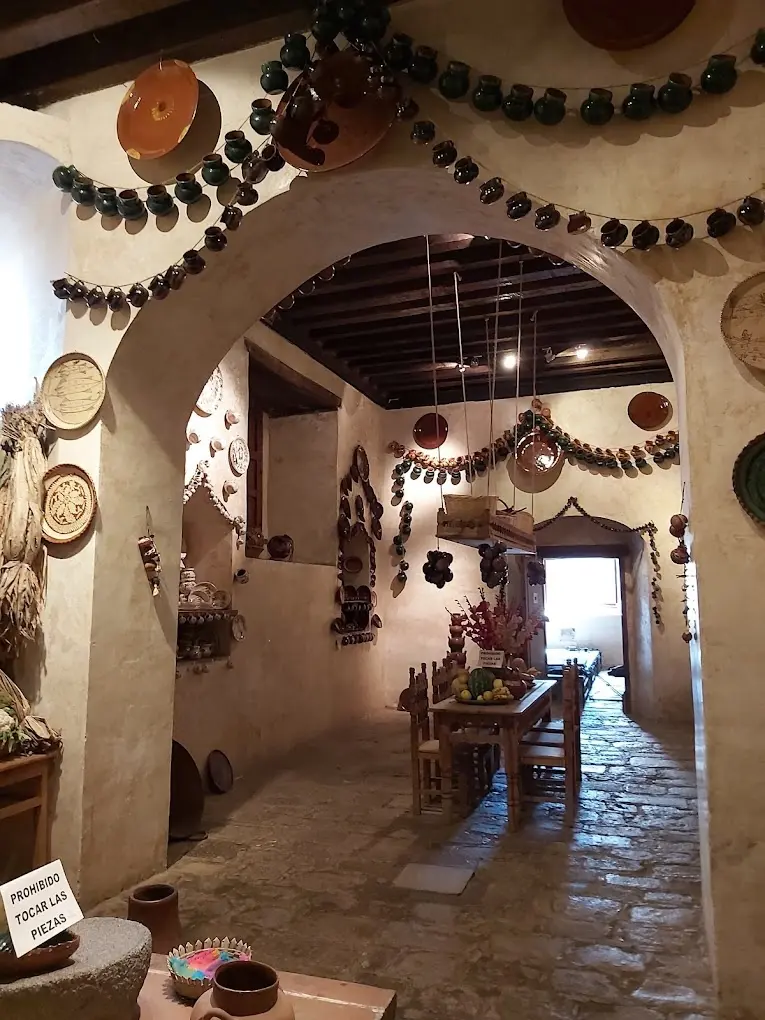
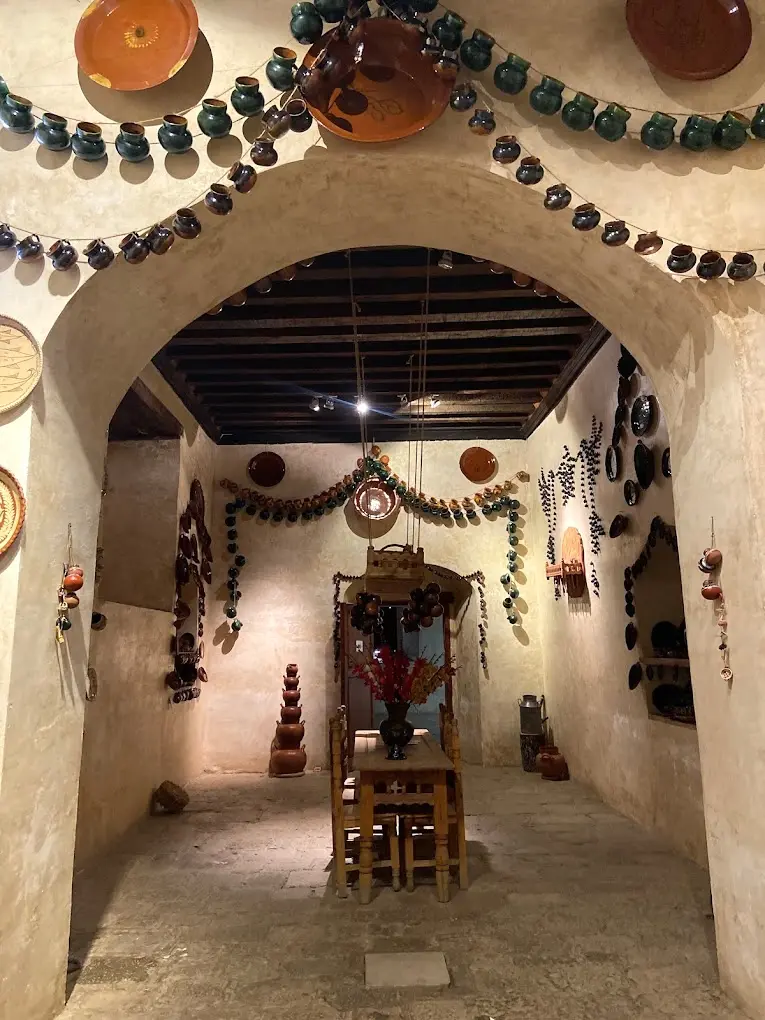
🏛️ A Living Museum (Community Cultural Center) Thanks to a comprehensive restoration (2006-2012), this place was reborn as the Tzintzuntzan Community Cultural Center. As you explore its corridors and cloisters, you will not only see sacred art, but you will also take a journey through time divided into three stops:
Pre-Hispanic Tzintzuntzan: La grandeza del Imperio, la metalurgia y el dominio de la turquesa.
The Viceroyalty: The clash of two worlds, the arrival of the Spaniards and the humanist evangelization of Don Vasco.
Tzintzuntzan Today: A tribute to cultural resistance, showing that the Purépecha people are still alive through their chuspata crafts, ceramics and traditions.
👀 Treasures you can't miss:
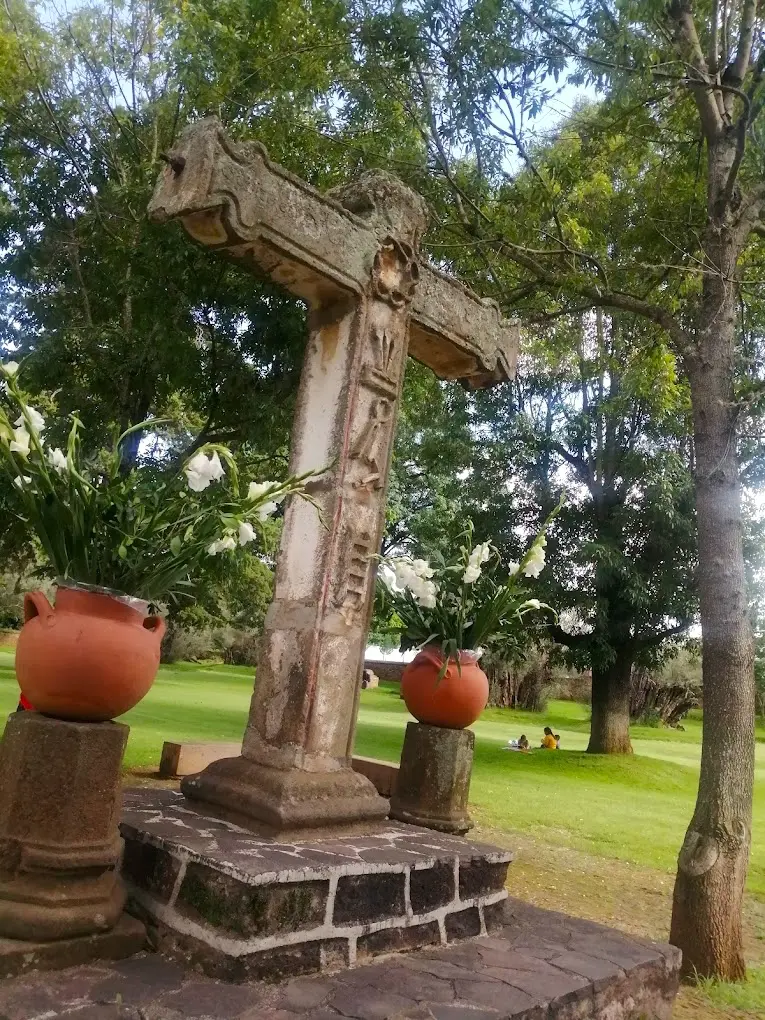
The Open Chapel of Saint Camillus: Designed to officiate mass before indigenous crowds that could not fit in the temple (or who were not used to enclosed spaces).
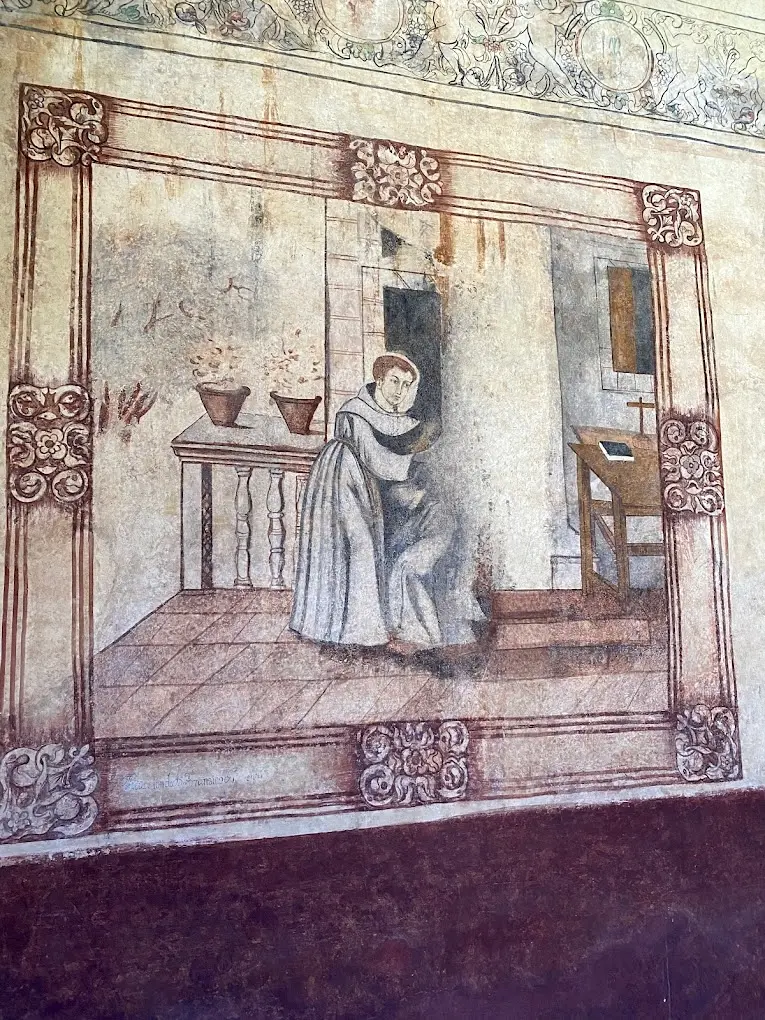
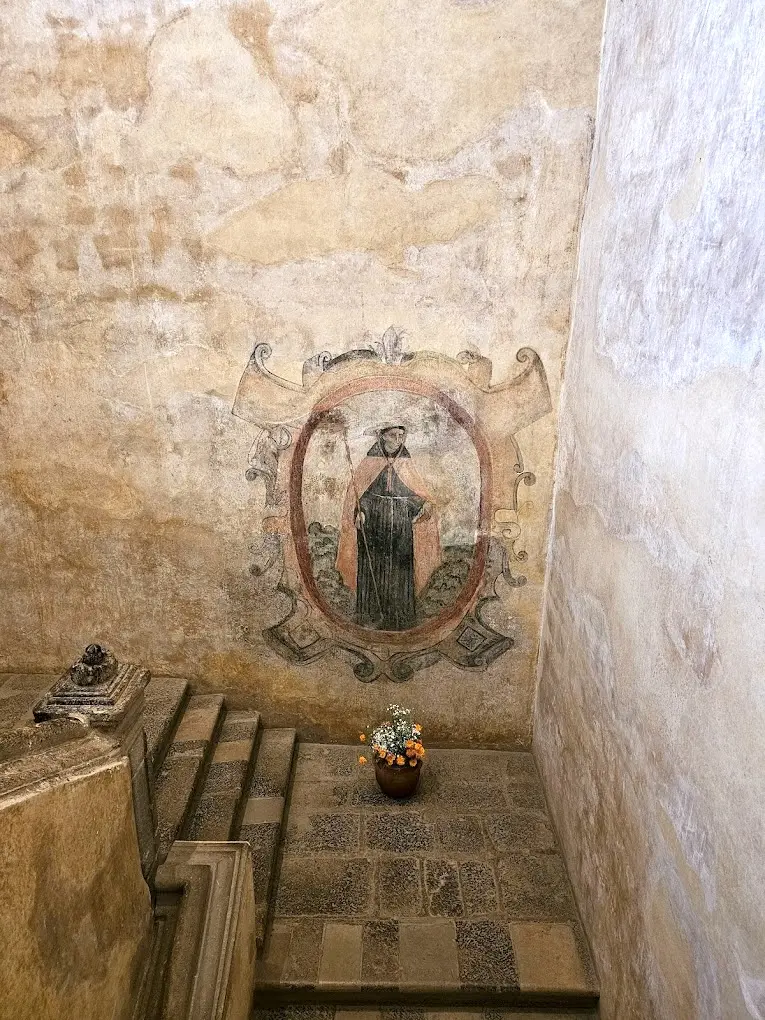
Los Frescos: Murals rescued from the 16th to the 19th centuries adorn the walls.
🌟 OUR RECOMMENDATION
This is the perfect place to rest after climbing the pyramids.
Expert tip: If you're in a small group or as a couple, find a bench in the shade of the oldest olive trees. The silence there is special. Also, pay attention to the museum's information panels: they're on Spanish, English and Purépecha! Take a picture of the Purépecha texts; it's a nice way to take home a souvenir of the living language of Michoacán.
 EN
EN  ES
ES