
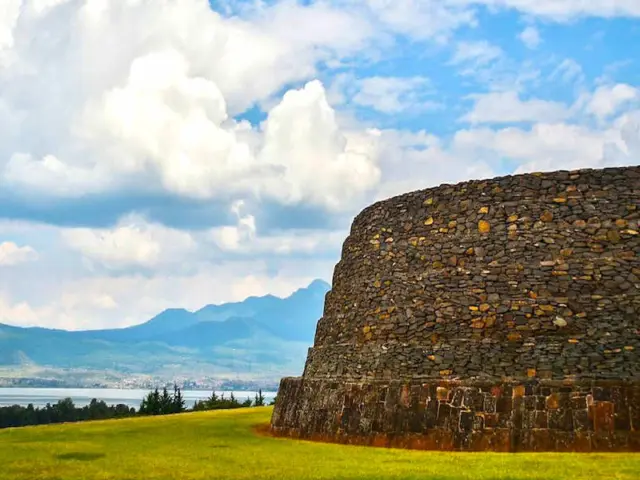
🦅 The Hummingbird Capital. Prepare to tread on sacred ground. If Pátzcuaro is the colonial heart, Tzintzuntzan is the pre-Hispanic soul of Michoacán. Its name is pure poetry: "Place of Hummingbirds." Strategically located on the slopes of Yahuarato Hill, this was the last great capital of the Purépecha Empire. From…
Ver más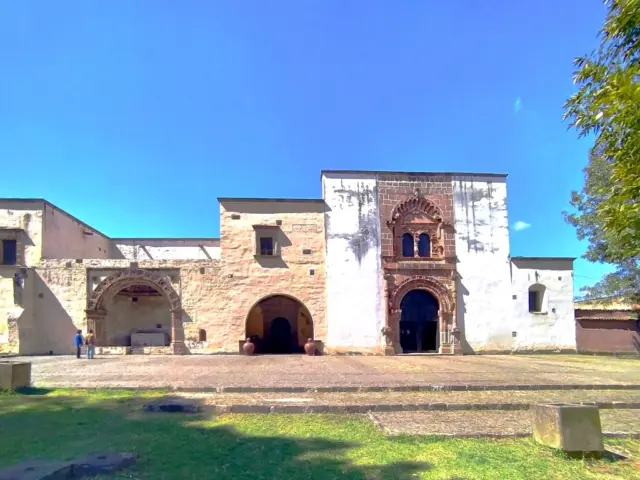
🕊️ Faith, Olive Groves, and Sacred Stones If you've already marveled at the power of the Yácatas atop the hill, it's time to descend to the heart of the town to discover the other side of the coin. Welcome to the former Convent of Santa Ana, the first Franciscan site founded in…
Ver más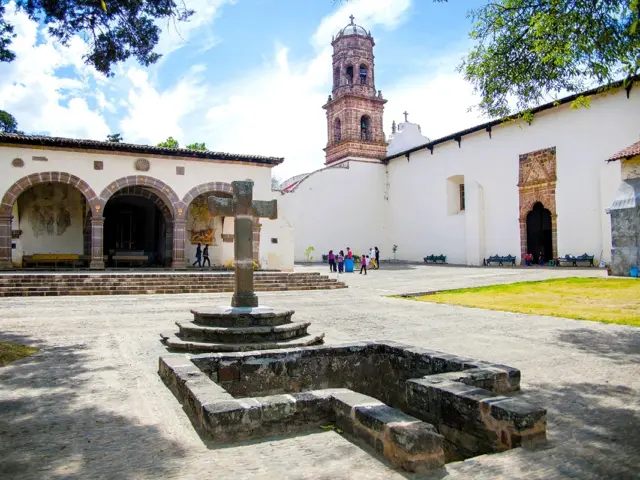
🕯️ The Growing Christ and the Single Font Within the same Atrium of the Olive Trees, a few steps from the former convent, you will find an architectural complex that holds Tzintzuntzan's two most closely guarded secrets: the Temple of Solitude and the old Indian Hospital. The Mystery of…
Ver más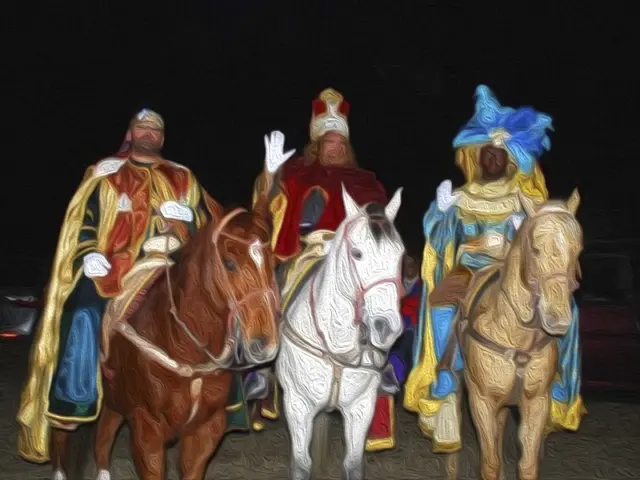
Nativity Plays, Dances, and Fritters: In the Lake Pátzcuaro region, the magic doesn't end with the New Year. January is the month of the Nativity Plays and the Dance of the Old Men, where communities celebrate Epiphany with a fervor that blends Catholic faith with Purépecha joy…
Ver más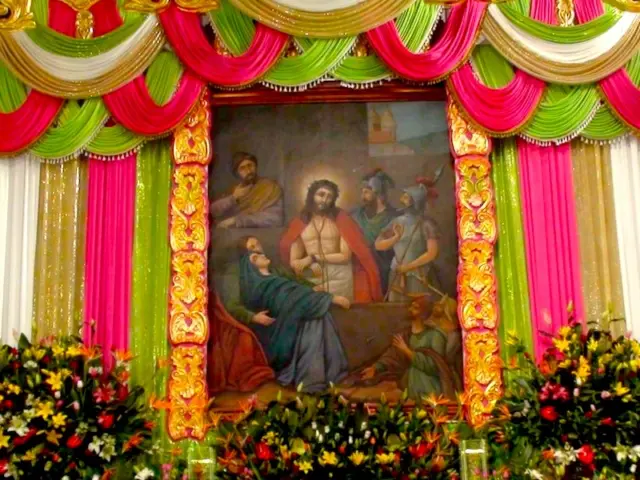
The miracle that saved the town and the great pilgrimage. Just a few kilometers from Pátzcuaro, in the historic Purépecha capital of Tzintzuntzan, one of Michoacán's most deeply rooted festivals is celebrated: the Day of the Lord of the Rescue. 📅 Save the date for 2026! This festival is movable, as it is governed by…
Ver más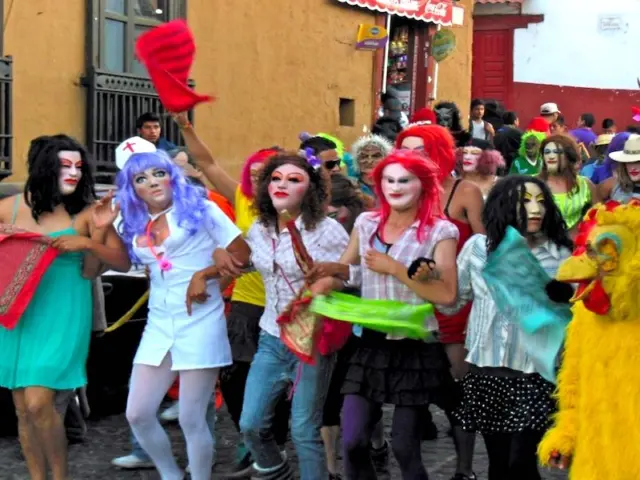
In Pátzcuaro, Carnival isn't a parade of floats in the Brazilian or Caribbean style. Here, the festival has a deeply indigenous and satirical identity, a direct legacy of the 16th-century evangelization. It's celebrated during the three days leading up to Ash Wednesday (usually in February), transforming the streets…
Ver más EN
EN  ES
ES