
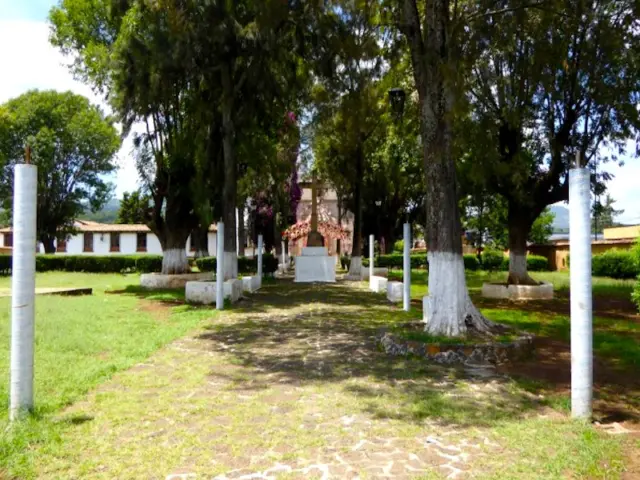
Located in the Dolores neighborhood, this church is a living testament to the legacy of Don Vasco de Quiroga in Capula. Quiroga, who assigned the pottery and lumber industries to the inhabitants, gave them Saint James the Apostle as the patron saint of the community. History and Architecture…
Ver más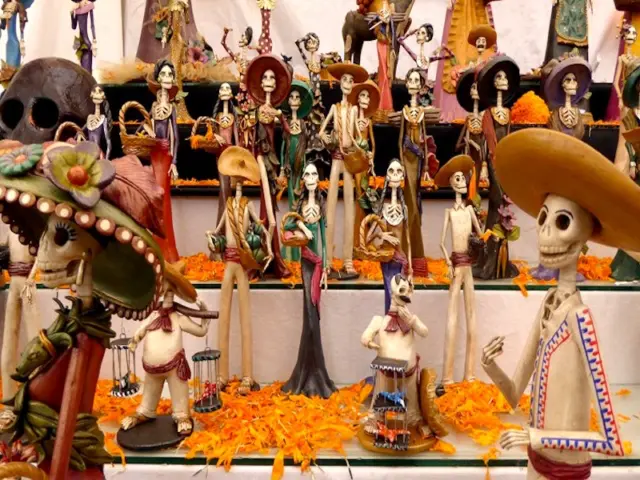
💀🎨 The Catrinas of Capula are not just crafts; they are a cultural symbol that fuses Michoacán's rich pottery heritage with a profound philosophy about death. Their history is woven throughout the centuries: 📜 The Evolution of an Icon The Material Origin (16th Century): The tradition…
Ver más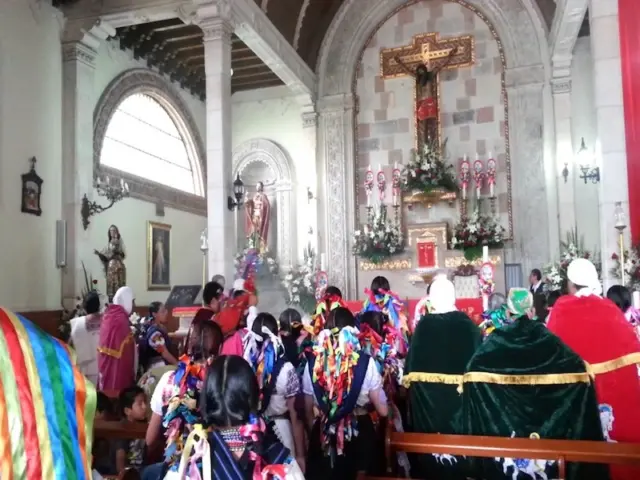
Every July 25th, the Purépecha Plateau celebrates Saint James the Apostle, the legendary Patron Saint of Spain, with particular fervor. In this region, the figure of "Saint James the Moor-slayer" has transformed into the protector of horses and farmers, and the festival becomes a three-day pilgrimage through…
Ver más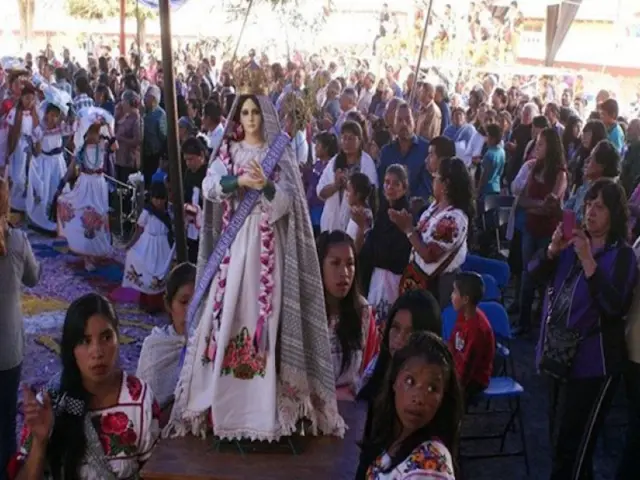
At the beginning of September, you have a must-see event just a few kilometers from Pátzcuaro, in the town of Cuanajo, world-famous for its carved wooden furniture. On September 8th, one of the most vibrant and generous patron saint festivals in the region takes place: the celebration of the Nativity…
Ver más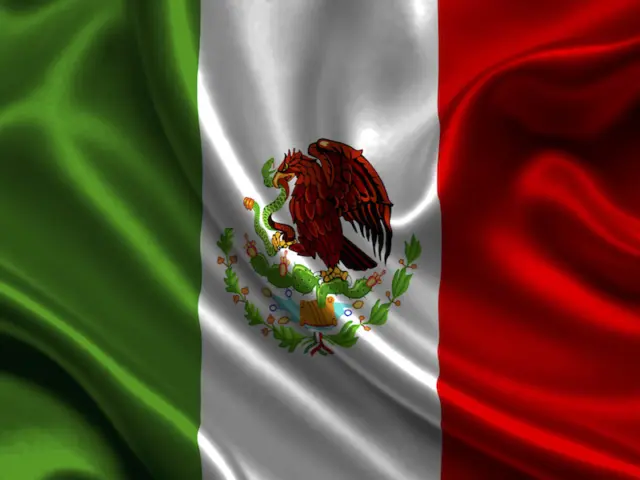
If there's one night when Pátzcuaro proudly displays its colonial beauty, it's September 15th. While the rest of Mexico celebrates the start of the War of Independence, experiencing it here has a different flavor: it's celebrating freedom surrounded by the architecture that witnessed the passage of time…
Ver más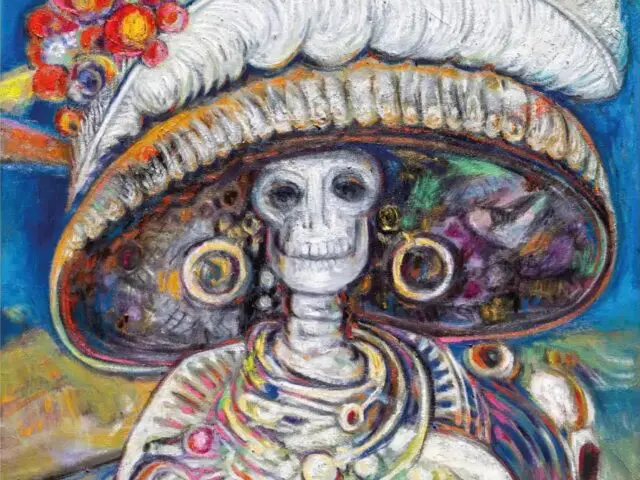
Death Dresses in Clay If your trip coincides with the Day of the Dead season (specifically from October 20th to November 2nd), you have a must-see attraction before arriving at the lake. About 45 minutes from Pátzcuaro is Capula, a district of Morelia that…
Ver más EN
EN  ES
ES