
 MAP
 SEARCH

Address
18 de Marzo, La Asunción, 58442 Ihuatzio, Michoacán, México.
GPS
19.565792284855, -101.6185141
KNOW MORE PLACES
VISITA OTRAS LOCALIDADES
Every October 4
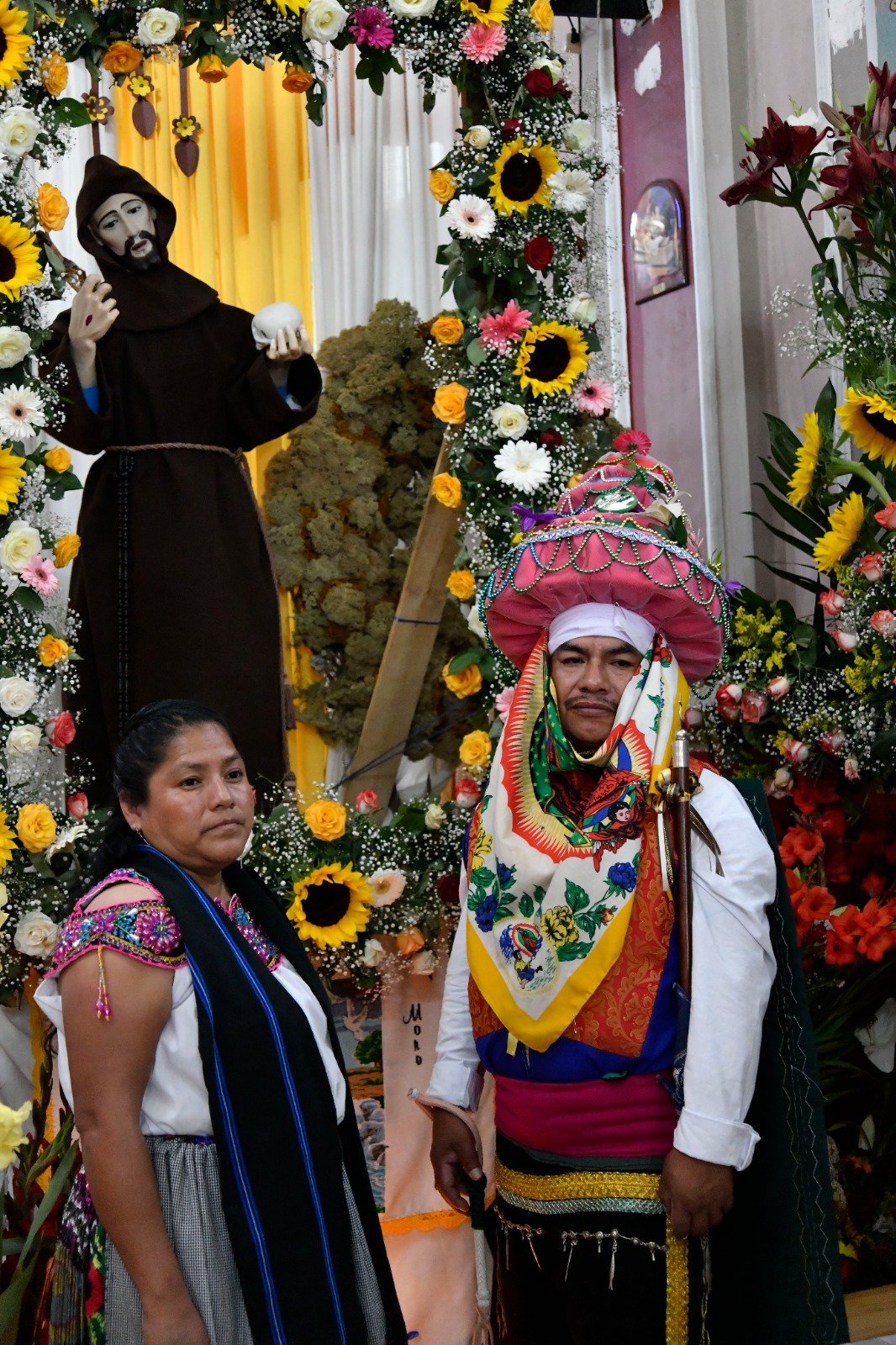
On October 4, Ihuatzio celebrates Saint Francis of Assisi.
The feast does not begin that morning.
Behind it are months of preparation and a cargo system in which families, cargueros, uandaris, musicians, and dancers take on responsibilities that make the celebration possible.
Arriving that day allows you to see the result.
Understanding it requires looking at who sustains the feast.
The cargueros
In Ihuatzio, the cargueros of Saint Francis are not merely practical organizers.
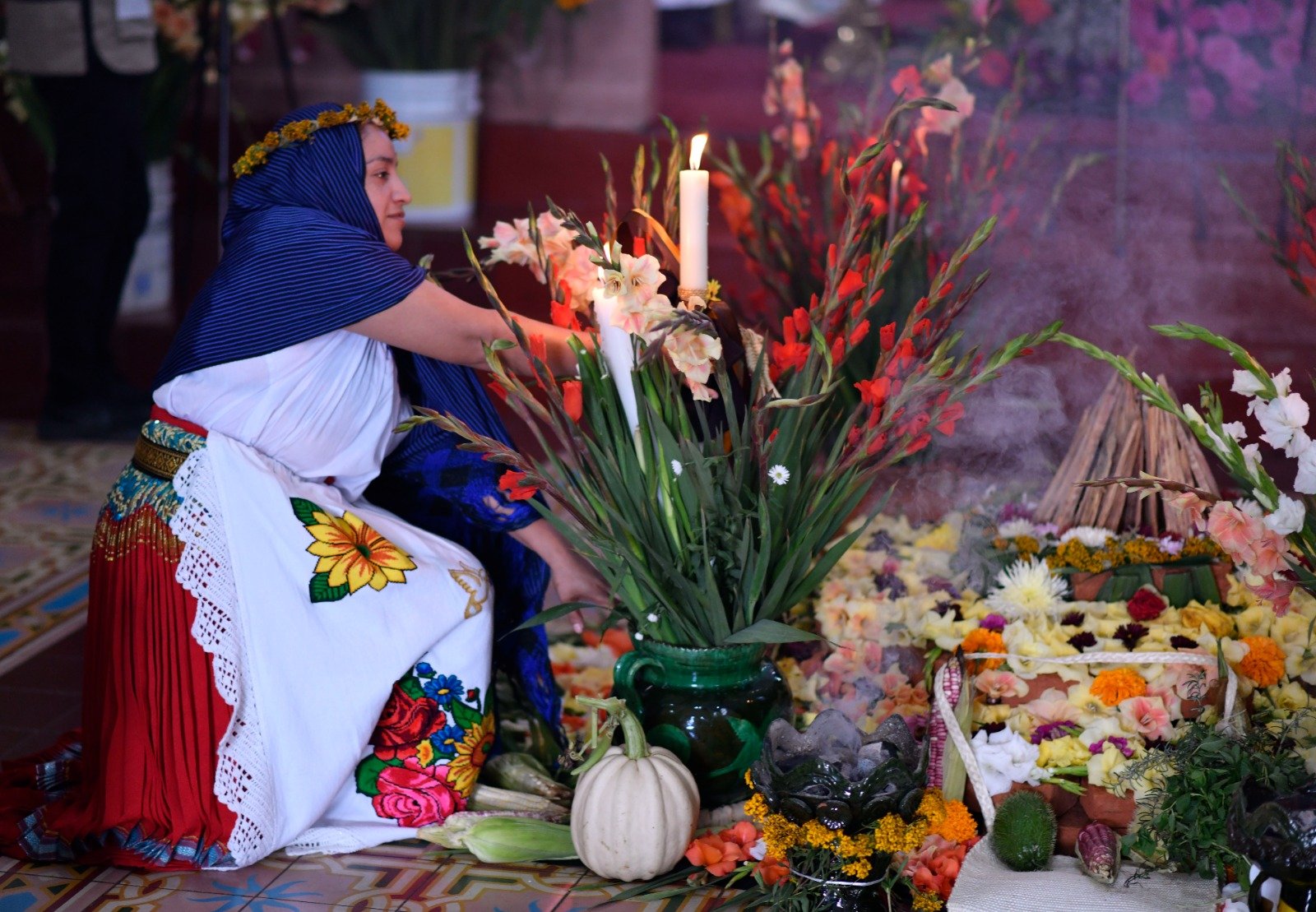
They care for the image, fulfill ritual obligations, and participate directly in the celebration.
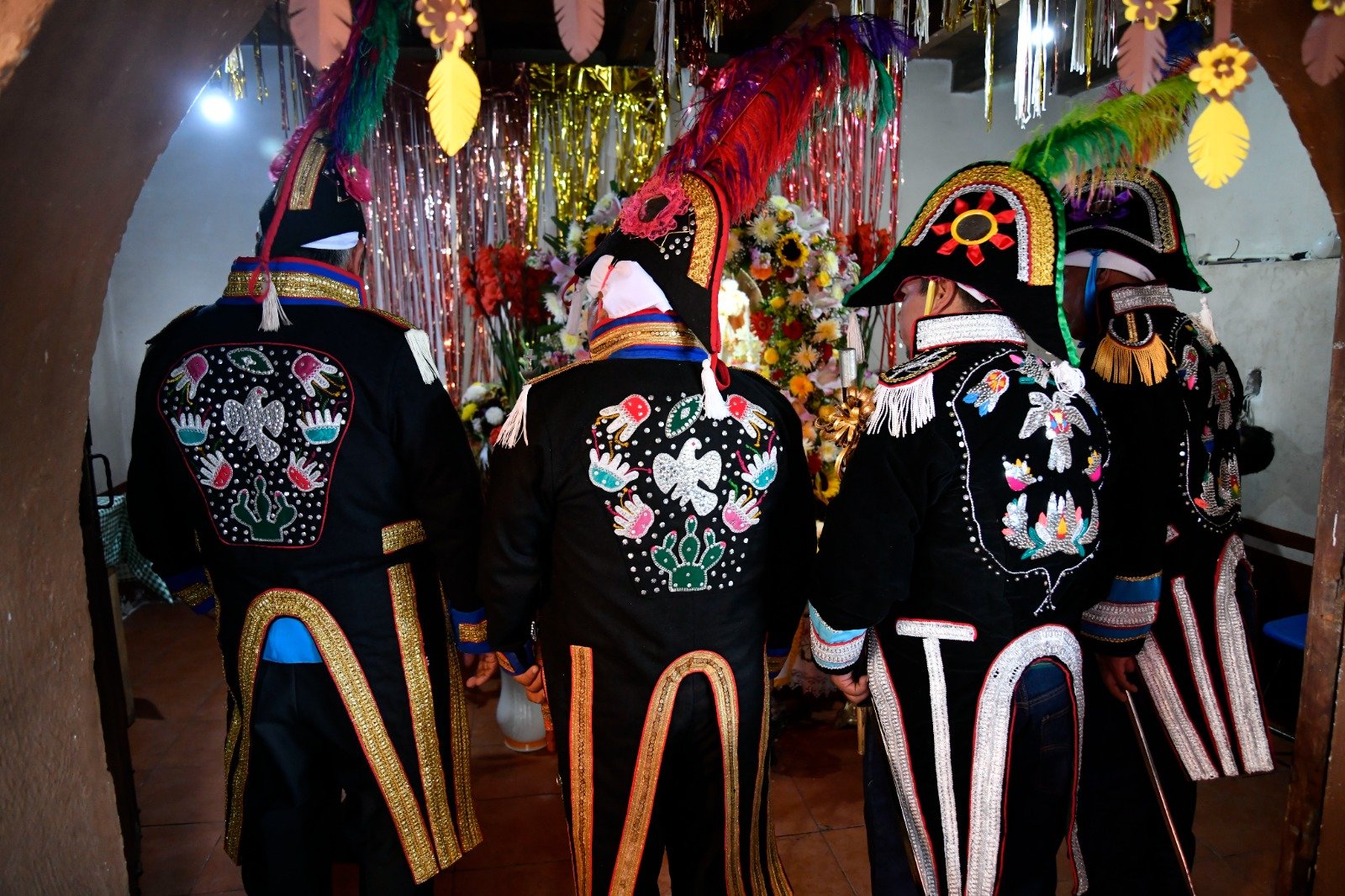
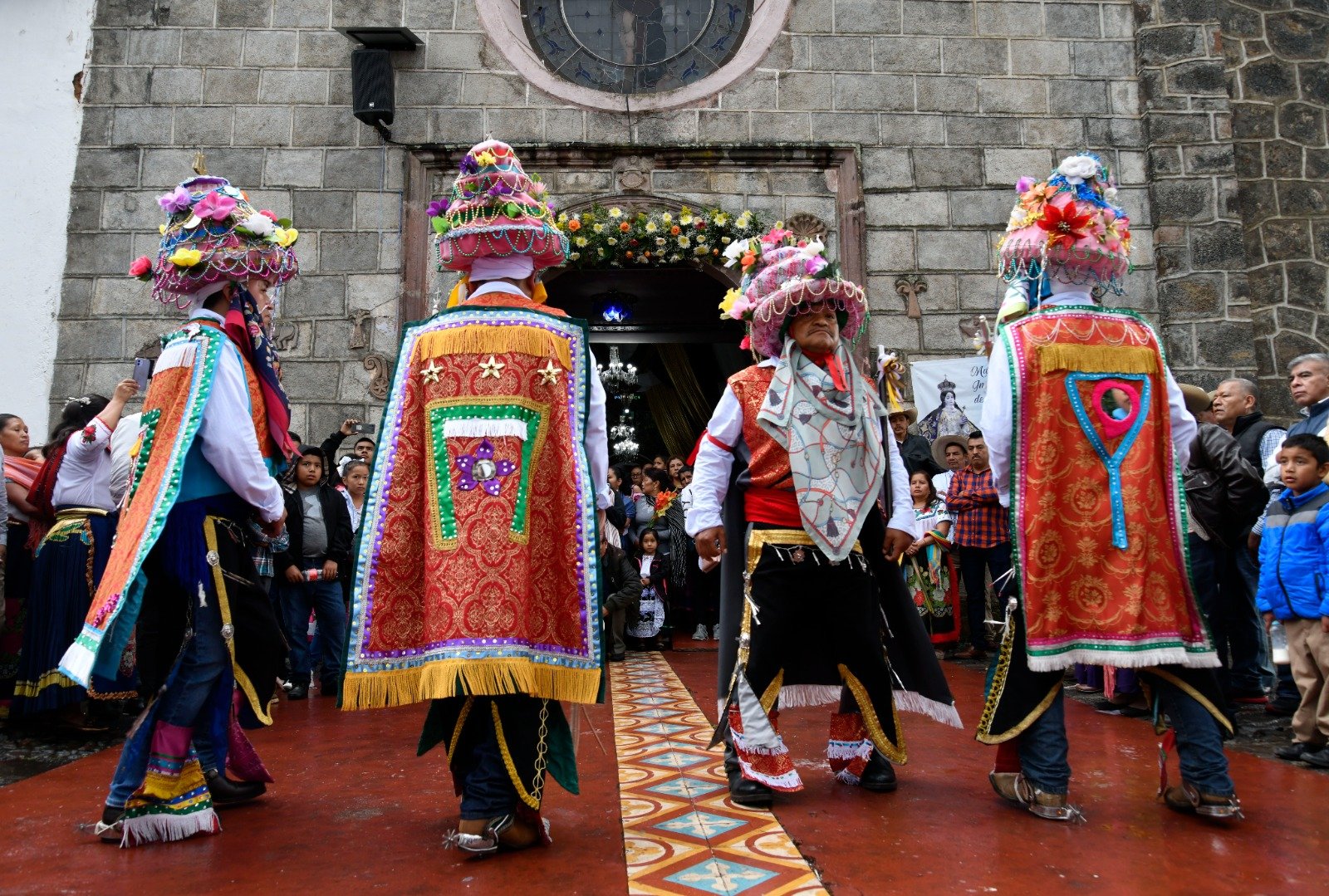
Mexico’s National Museum of Anthropology has also documented a particular relationship: the cargueros of Saint Francis take part in the dance as Moros and carry staffs that express rank and authority.
That allows us to state something concrete.
There is no need to rely on vague phrases such as “pure syncretism” to explain that community organization and Catholic devotion meet here in a way of their own.
The uandaris
The figure of the uantari — also written uandari in different sources — holds an important place within Ihuatzio’s ritual system.
Field research translates the term as “the speaker” or “the one who speaks” and documents participation in speeches and prayers in the Purépecha language within religious cycles.
Exact responsibilities may vary according to the cargo and celebration.
For that reason, we should not turn one contemporary description into an eternal rule for every uandari.
Moros and Soldaditos
Different dances appear during the feast.
The National Museum of Anthropology documents both the Moros and the Soldaditos in Ihuatzio and notes something important: although they are sometimes associated with the broader “Moors and Christians” pattern, in Ihuatzio they function independently and have hierarchies of their own.
That difference deserves to be preserved.
Naming a dance correctly is also a way of respecting those who perform it.
The saint and the town
Saint Francis arrived in Ihuatzio with Christian evangelization.
The way the community organizes its feast today, however, belongs to a history built locally over generations.
We cannot say that the structure has remained “intact” since the sixteenth century.
What we can observe is a community continuity capable of changing without becoming unrecognizable.
Eating is also part of the feast
Families connected with the cargos help prepare for and attend to those who arrive.
Shared food forms part of the community dimension of the celebration.
Dishes and quantities may vary; there is no need to turn one edition’s menu into a permanent definition.
What matters is understanding that feeding people is also one way of fulfilling the feast.
Looking around
Ihuatzio does not begin or end in the atrium.
The archaeological site, plant-fiber workshops, streets, and relationship with the lake form part of a much longer history.
The Feast of Saint Francis offers an opportunity to enter that community.
Afterward, keep looking.
Next edition / Practical information
The central day is celebrated every October 4.
The full duration, octave, dances, religious schedules, routes, and other activities must be confirmed for each edition.
Information for the next edition is pending confirmation.
 EN
 ES