Ubicación: Pátzcuaro
Some cities are best discovered when you stop watching the clock. Pátzcuaro is one of them. Its plazas, streets, churches, and houses hold stories from different periods, but they are also part of a city that is lived in every day.
It is worth exploring without rushing: lingering beneath the arcades, looking up toward the rooftops, stepping into a courtyard when it is open to the public, or simply sitting for a while and watching how the plaza changes throughout the day.
Pátzcuaro is also a good starting point for discovering the Pátzcuaro Region. Its history is closely connected to the lakeside communities, the islands, and the ancient Purépecha centers, as well as to the towns where crafts, languages, celebrations, and distinctive ways of life continue.
A history shared with the region
Pátzcuaro’s importance predates the arrival of the Spanish. Its history forms part of the complex political, religious, and territorial organization developed by the Purépecha throughout the lake basin, in close relationship with other important centers such as Ihuatzio and Tzintzuntzan.
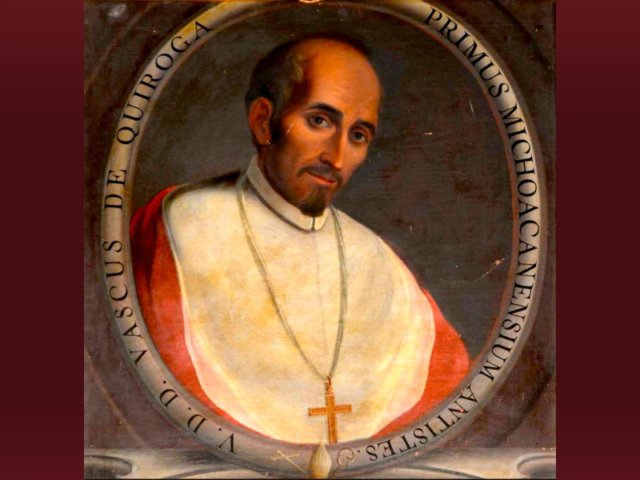
In the 16th century, Vasco de Quiroga established the episcopal seat in Pátzcuaro and promoted institutions that left a lasting mark on the city. The bishopric was based here, and the Colegio de San Nicolás was founded here as well. Toward the end of that century, the episcopal seat and other institutions were gradually transferred to Valladolid, present-day Morelia.
That history helps explain why Pátzcuaro preserves such a significant heritage, but history alone does not explain what the city is today. Its identity has also been shaped by the life of its neighborhoods, the work of generations of residents, and its continuing relationship with the communities of the lake basin.
The name and its interpretations
Among the traditional interpretations of the name Pátzcuaro is “Gateway to Heaven,” an expression deeply rooted in local memory and popular accounts of the city. There are, however, other etymological interpretations associated with the ancient temples of the area. It is therefore worth recognizing the cultural meaning of “Gateway to Heaven” without presenting it as a definitive linguistic translation.
A city to explore on foot
Plaza Vasco de Quiroga is a good place to begin. From here, you can appreciate the scale of the historic center, the continuity of its arcades, and the relationship between its public spaces and the buildings around them.
There is no need to see everything at once. Some streets invite you to keep walking; others invite you to stop before a façade, a doorway, a courtyard, or a small local shop. From the center, this guide leads toward churches, former colleges, museums, plazas, neighborhoods, and places connected with different periods in Pátzcuaro’s history.
Each deserves its own time. That is why the individual entries in this guide tell their stories separately, allowing the route to take shape as you walk.
It is also worth setting aside time to head toward the lake and its communities. The landscape changes with the light, the conditions on the water, and the rhythms of everyday life. City and region are better understood when explored together, remembering that before they are destinations to visit, they are places where life continues every day.
And perhaps that is a good way to get to know Pátzcuaro: walk, look around, and leave something unseen for the next time.
The colorful blessing of animals If you visit Pátzcuaro in mid-January, you will find one of the most curious and joyful scenes of the liturgical year. On January 17, San Antonio Abad, the patron saint of animals, is celebrated, and the atriums of the temples are…
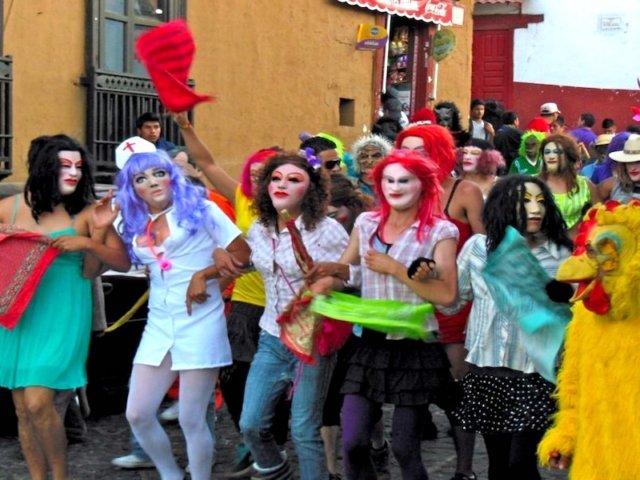
Ver másIn Pátzcuaro, Carnival isn't a parade of floats in the Brazilian or Caribbean style. Here, the festival has a deeply indigenous and satirical identity, a direct legacy of the 16th-century evangelization. It's celebrated during the three days leading up to Ash Wednesday (usually in February), transforming the streets…
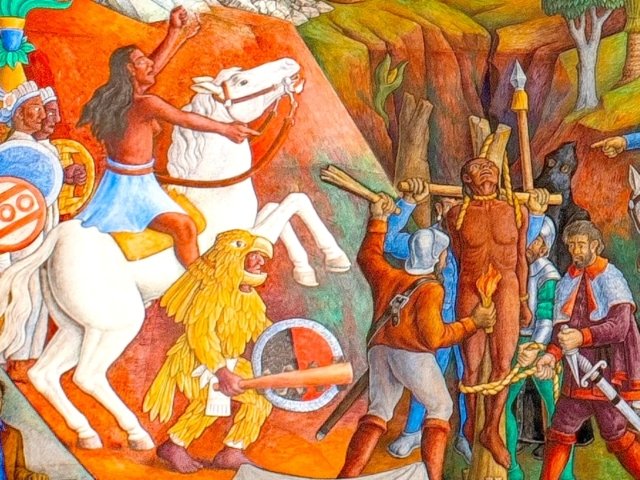
Ver más14 de Febrero: Memoria y Honor al Último Cazonci Mientras gran parte del mundo celebra el Día del Amor y la Amistad, en Pátzcuaro el 14 de febrero tiene un significado mucho más profundo y solemne. Es el día en que la región se detiene para honrar la memoria de…
Ver más14 de Marzo: Homenaje al eterno "Tata Vasco" El 14 de marzo de 1565, se cerró uno de los capítulos más trascendentales en la historia de Michoacán. A la venerable edad de 95 años, falleció Don Vasco de Quiroga, el humanista, obispo y defensor de los indígenas que transformó para…
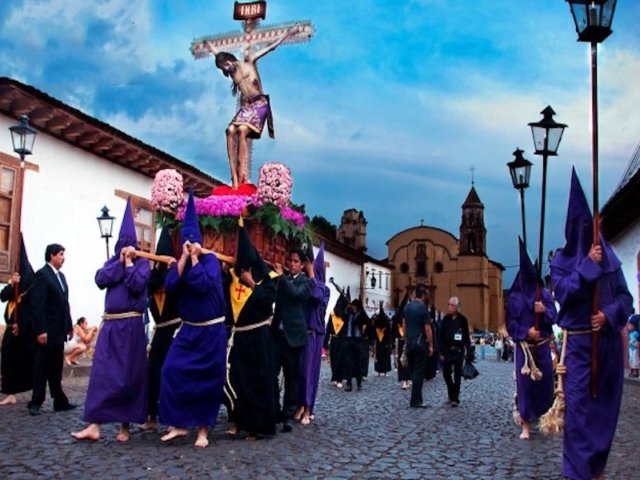
Ver másA mystical journey: From the Christs of Pátzcuaro to the Penitents of Tzintzuntzan. Holy Week in Michoacán is not an ordinary vacation; it is a journey through time. Here, faith is not only prayed, it is lived with a dramatic intensity that blends the legacy of the Spanish conquistadors…
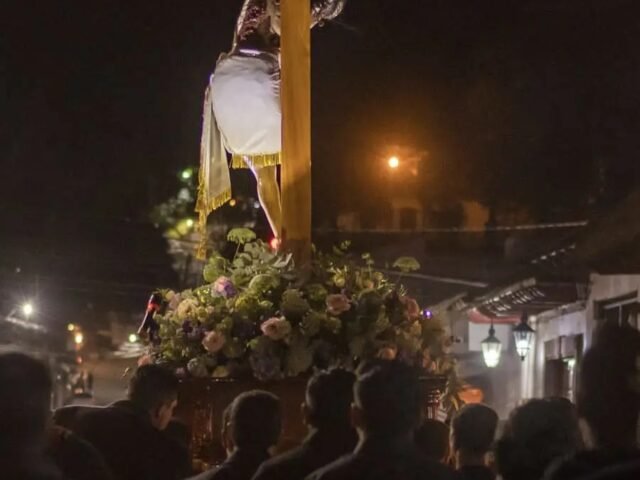
Ver másThe Route of Penance: From San Francisco to Calvary Every Good Friday, Pátzcuaro is transformed. It is not just a tourist destination, but a living scene of mysticism where the cobbled streets become the Via Dolorosa. The central event of this day is the solemn Way of the Cross with the…
Ver más