
 MAP
MAP SEARCH
Adress
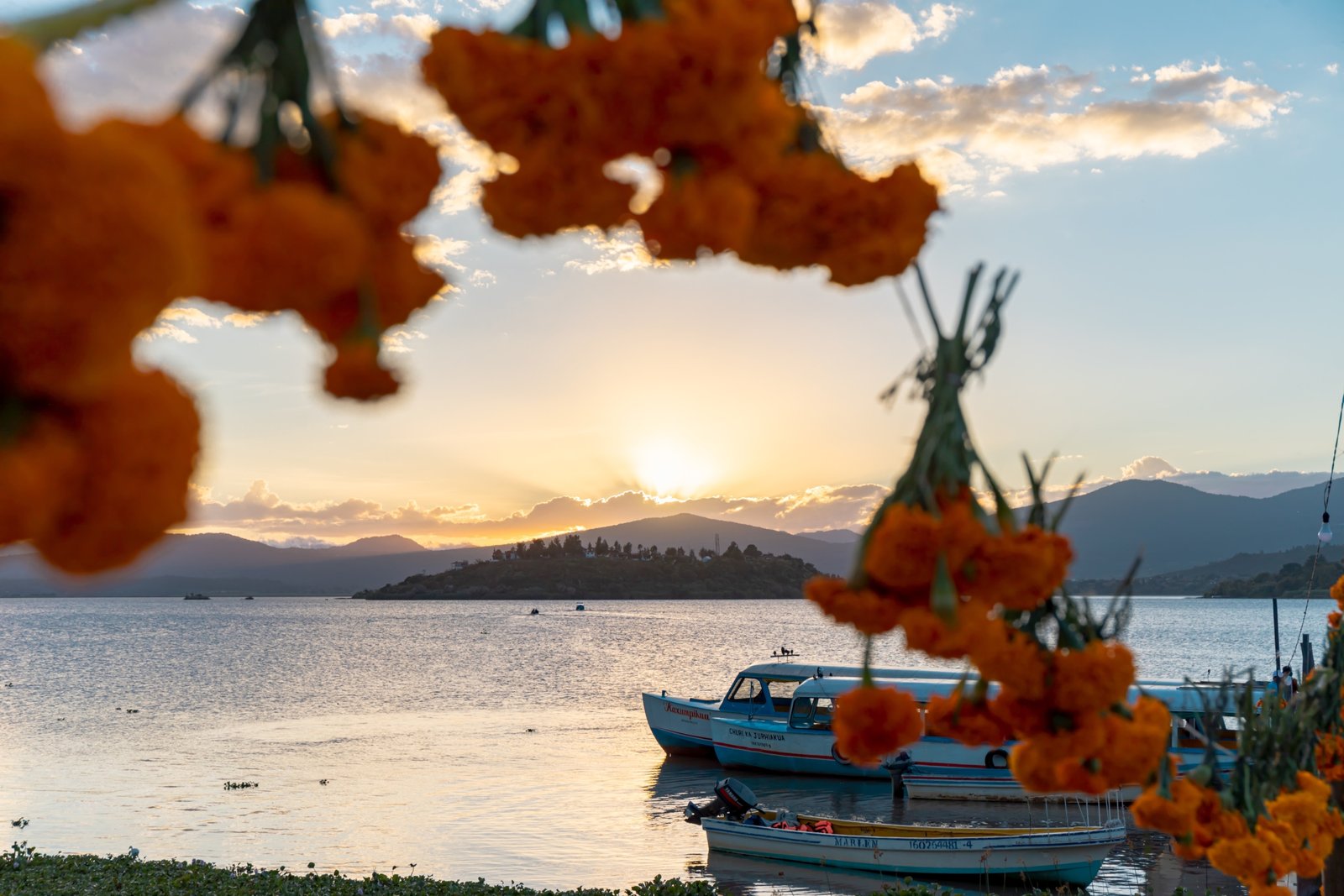
Lago de Pátzcuaro, Michoacán, México.
GPS
19.579808801146, -101.65082931519
KNOW MORE PLACES
VISITA OTRAS LOCALIDADES
Fiesta de las Ánimas compendium
Day of the Dead in Pátzcuaro and the Lake Region
Every year, October 29 through November 3
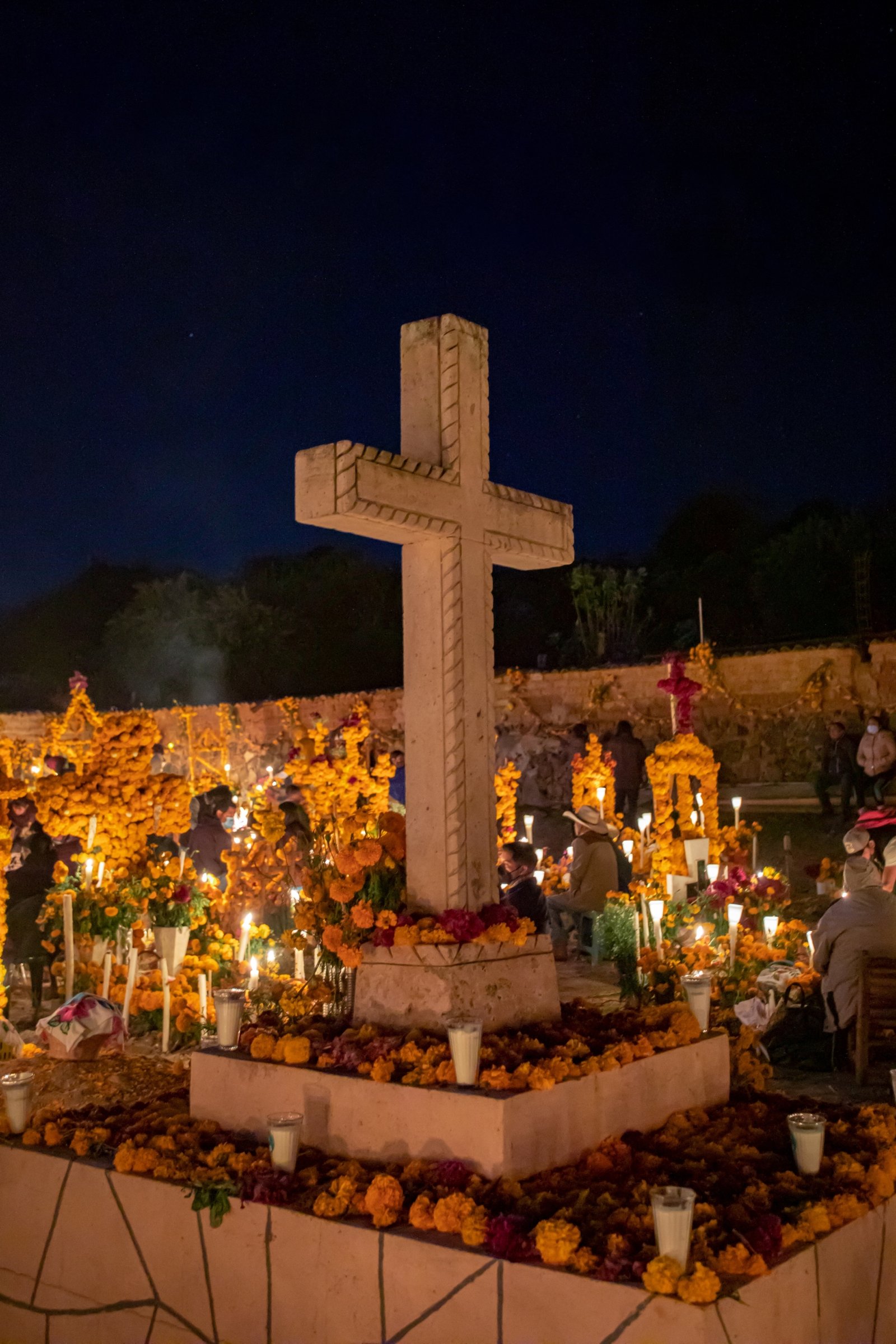
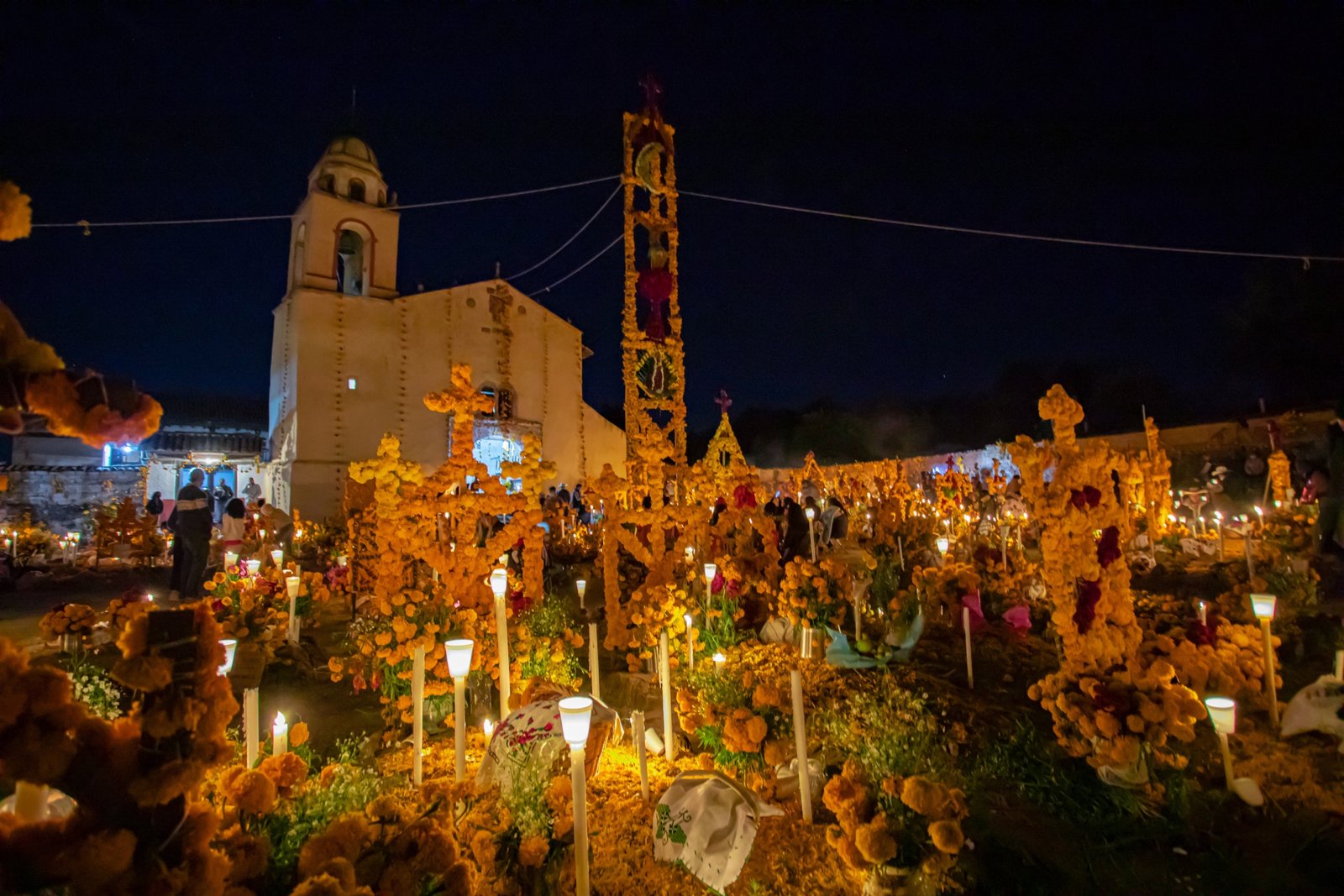
In Pátzcuaro and the communities of the Lake Region, Fiesta de las Ánimas begins before night falls on November 1.
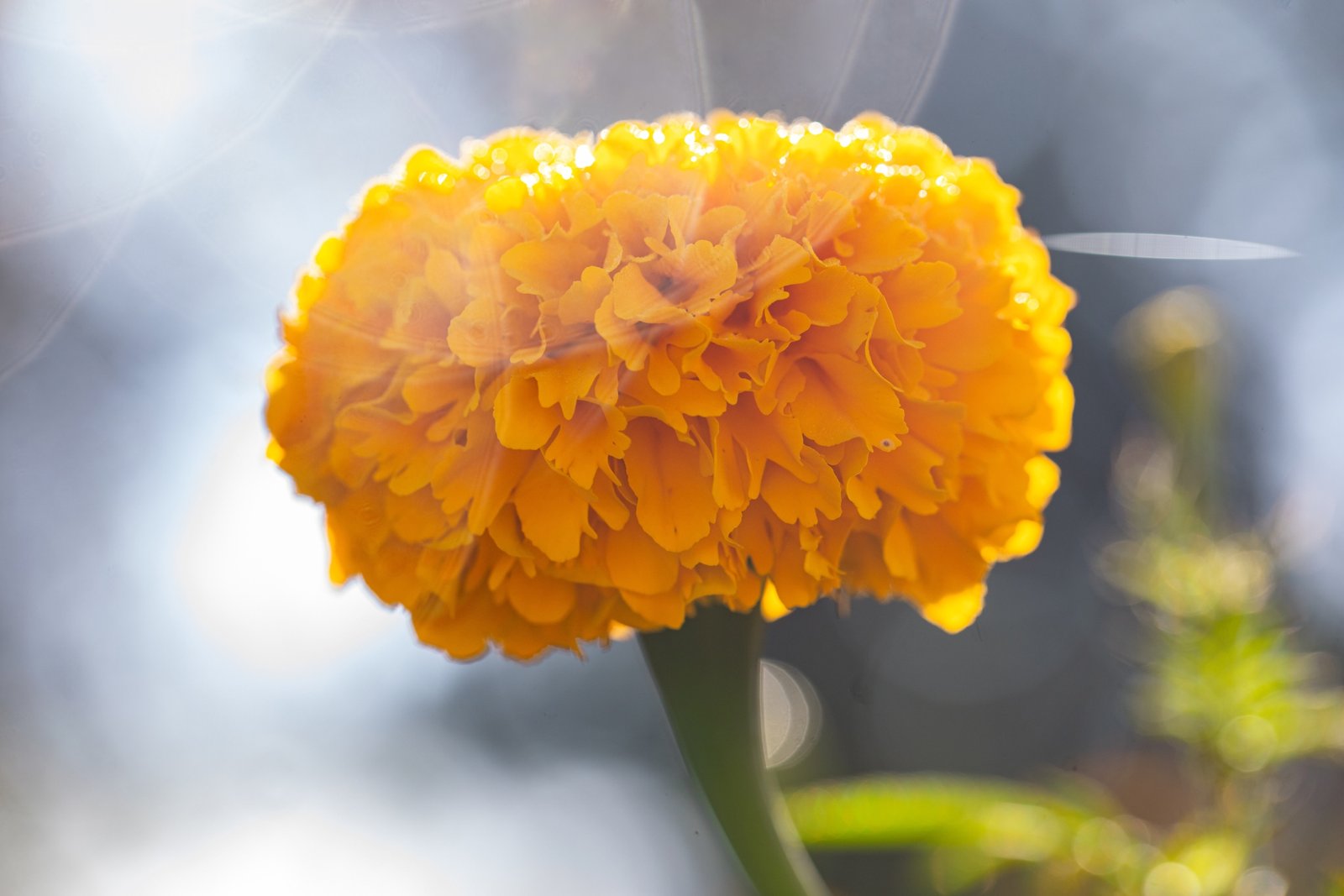
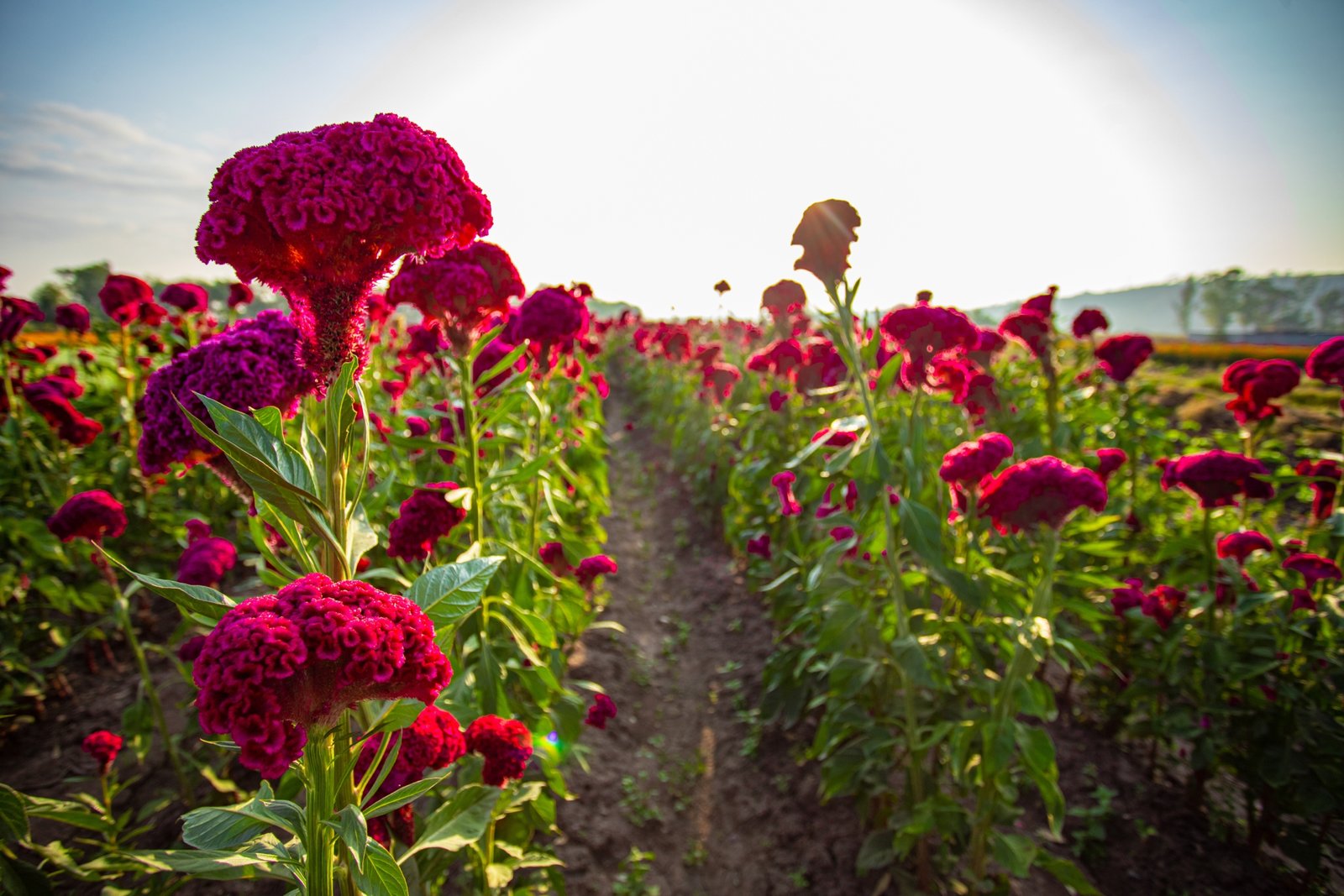
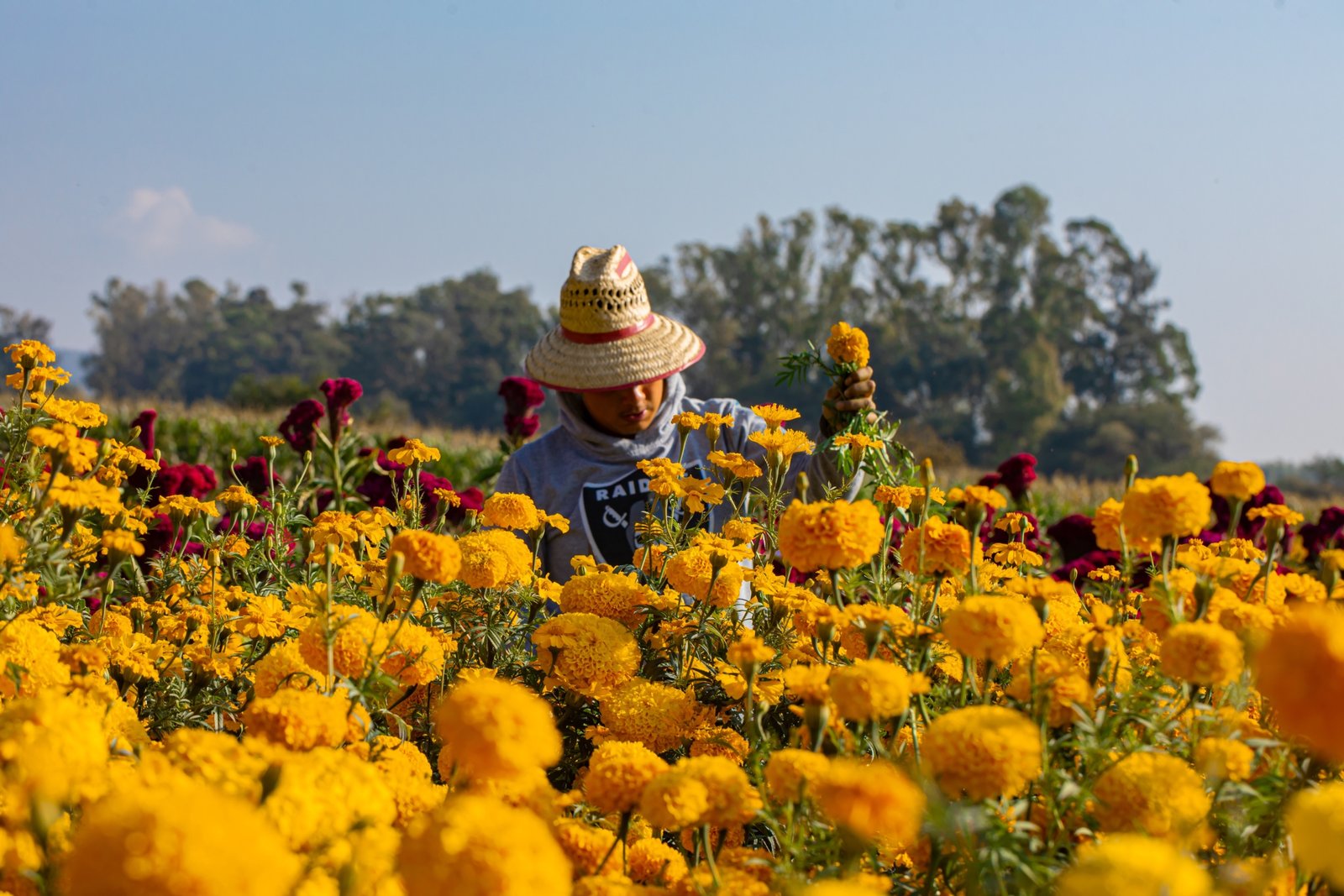
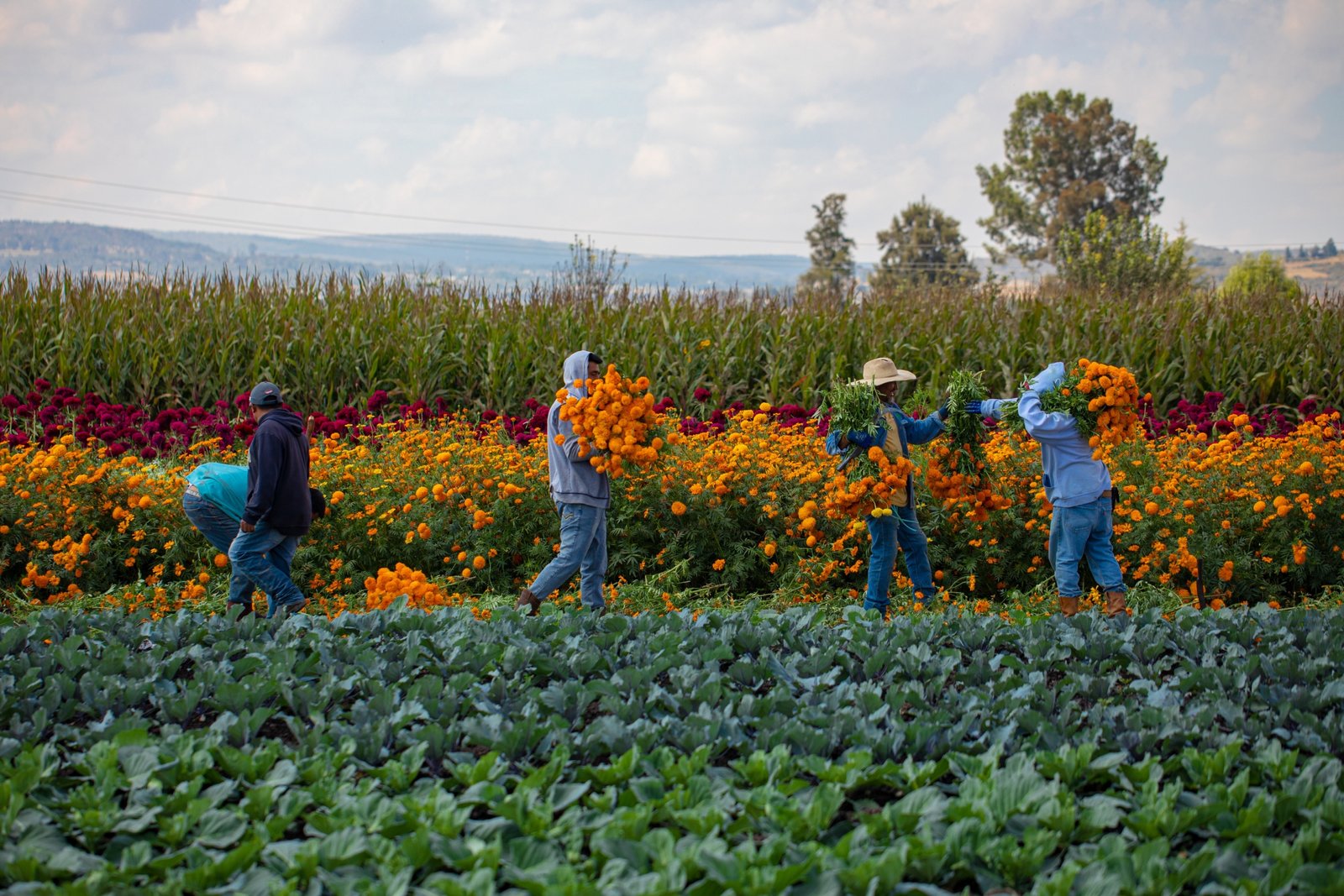
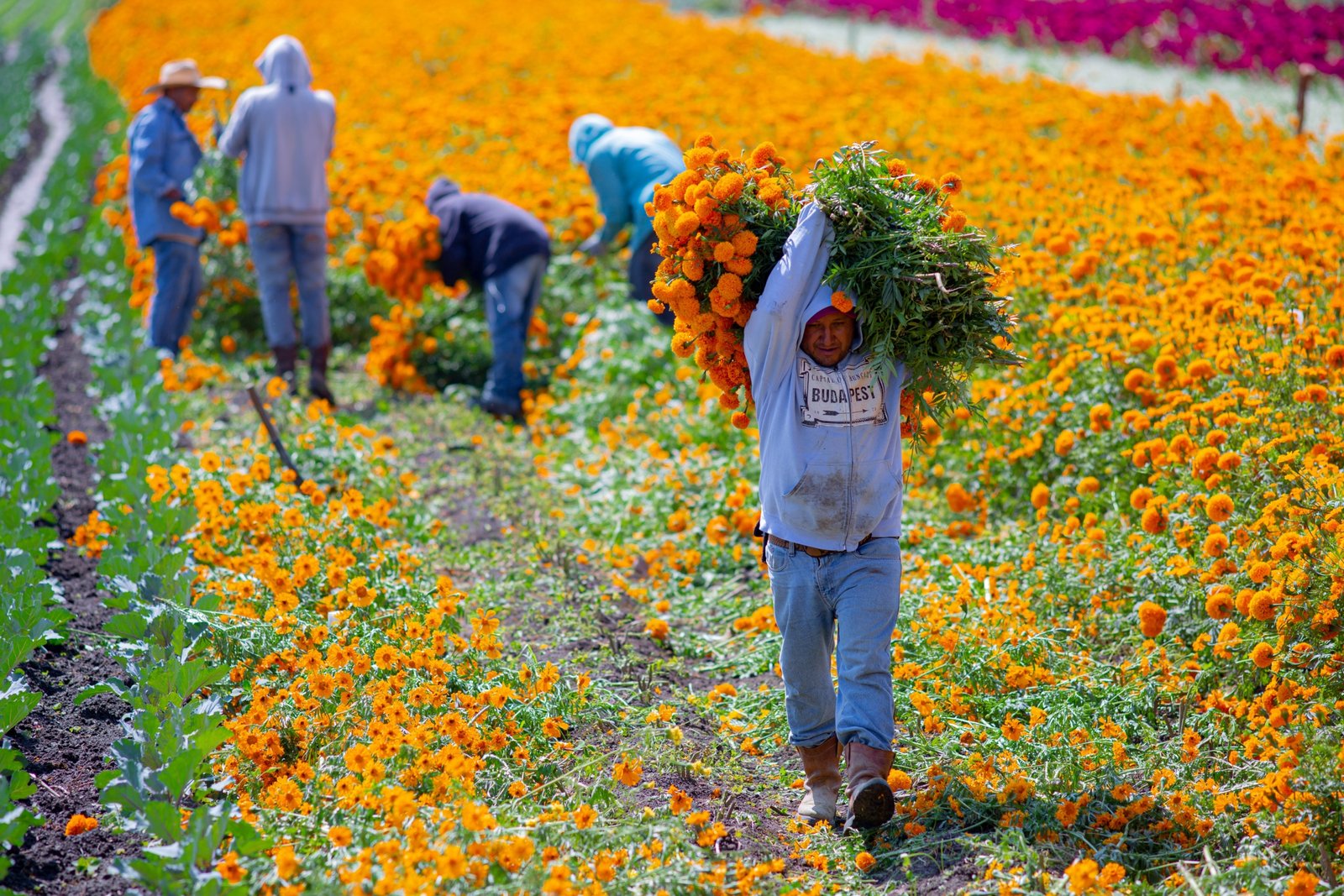
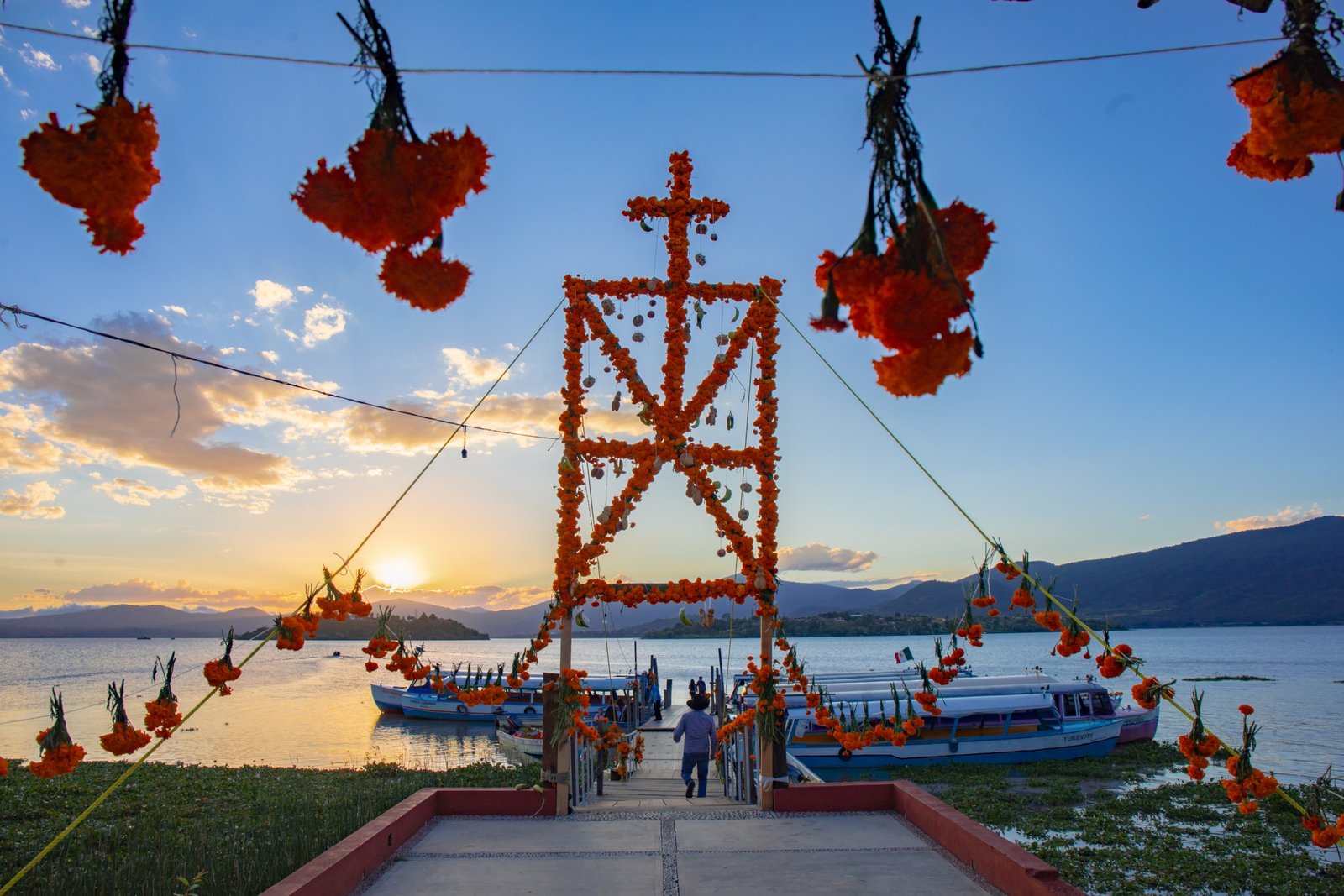
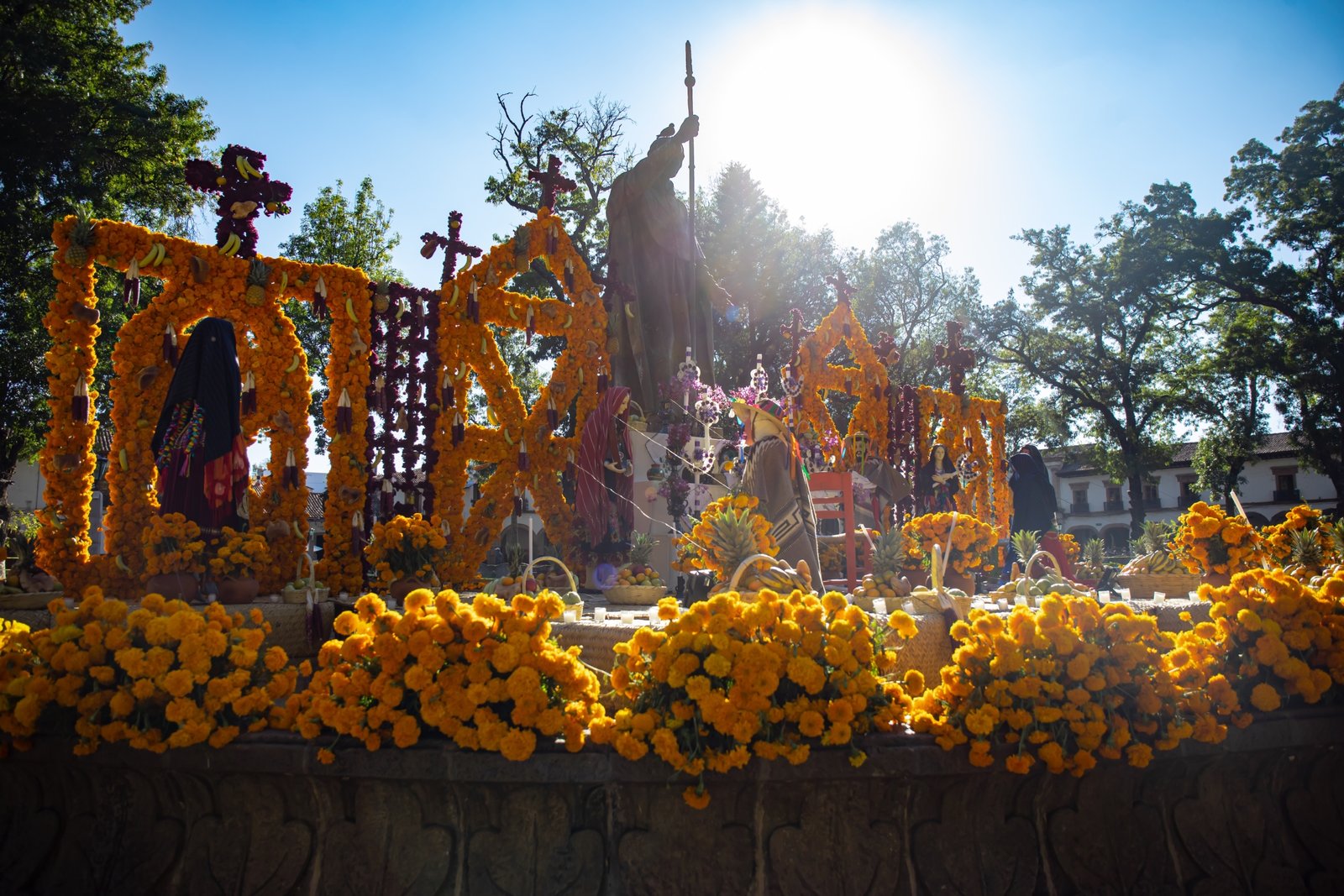
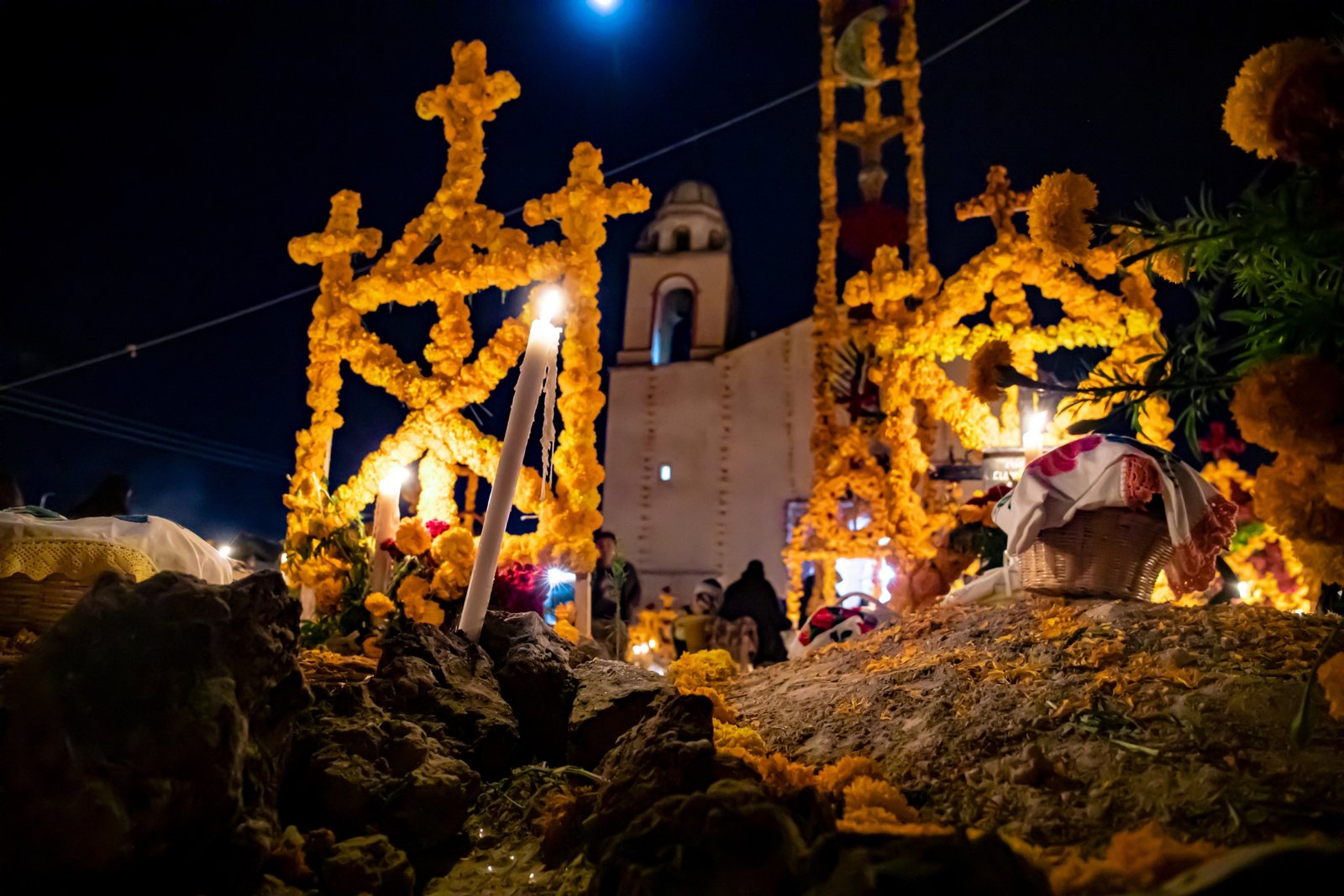
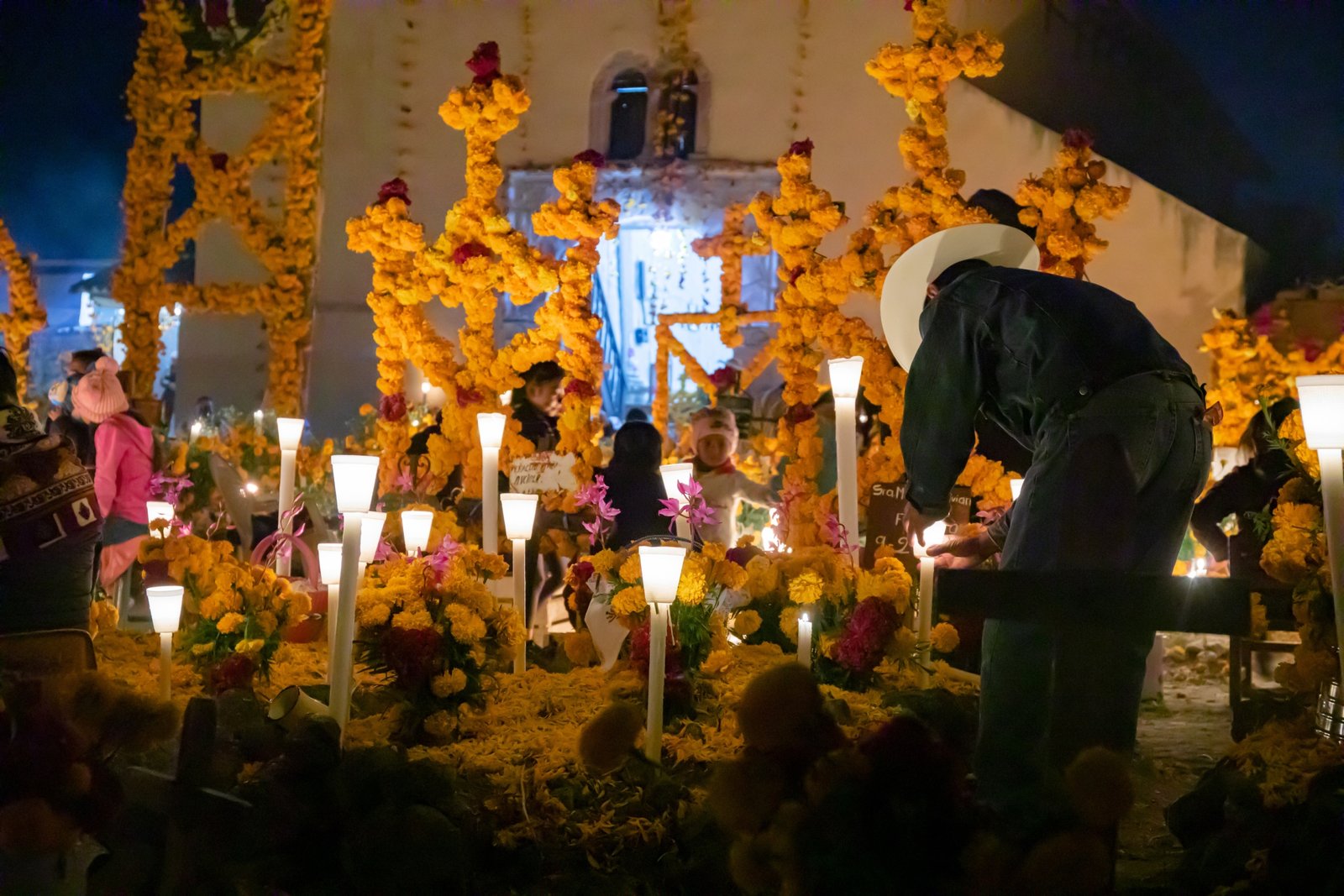
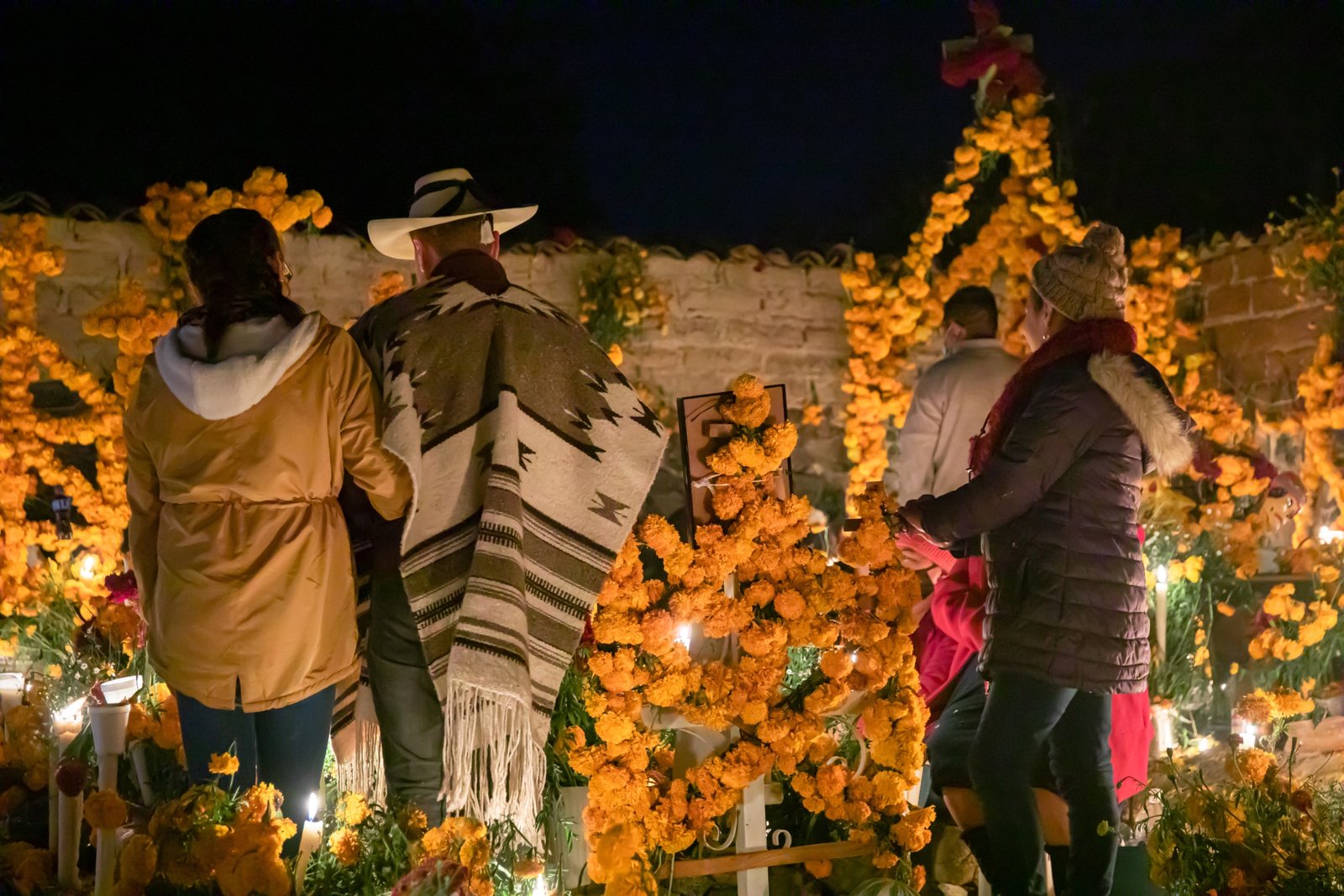
In the days beforehand, cempasúchil flowers, candles, bread, and fruit begin to appear; offerings are prepared, graves are tended, relatives arrive, and communities begin preparing for the time of remembrance and waiting. November 1 and 2 are the central days,but the observance forms part of a broader regional cycle extending from October 29th to November 3rd.Vigils and family gatherings continue in some communities through November 2, while activities surrounding the observance may continue into the following day.
Not every community follows the same schedule or observes the tradition in the same way. Those differences are one of the keys to understanding Fiesta de las Ánimas.
A living tradition
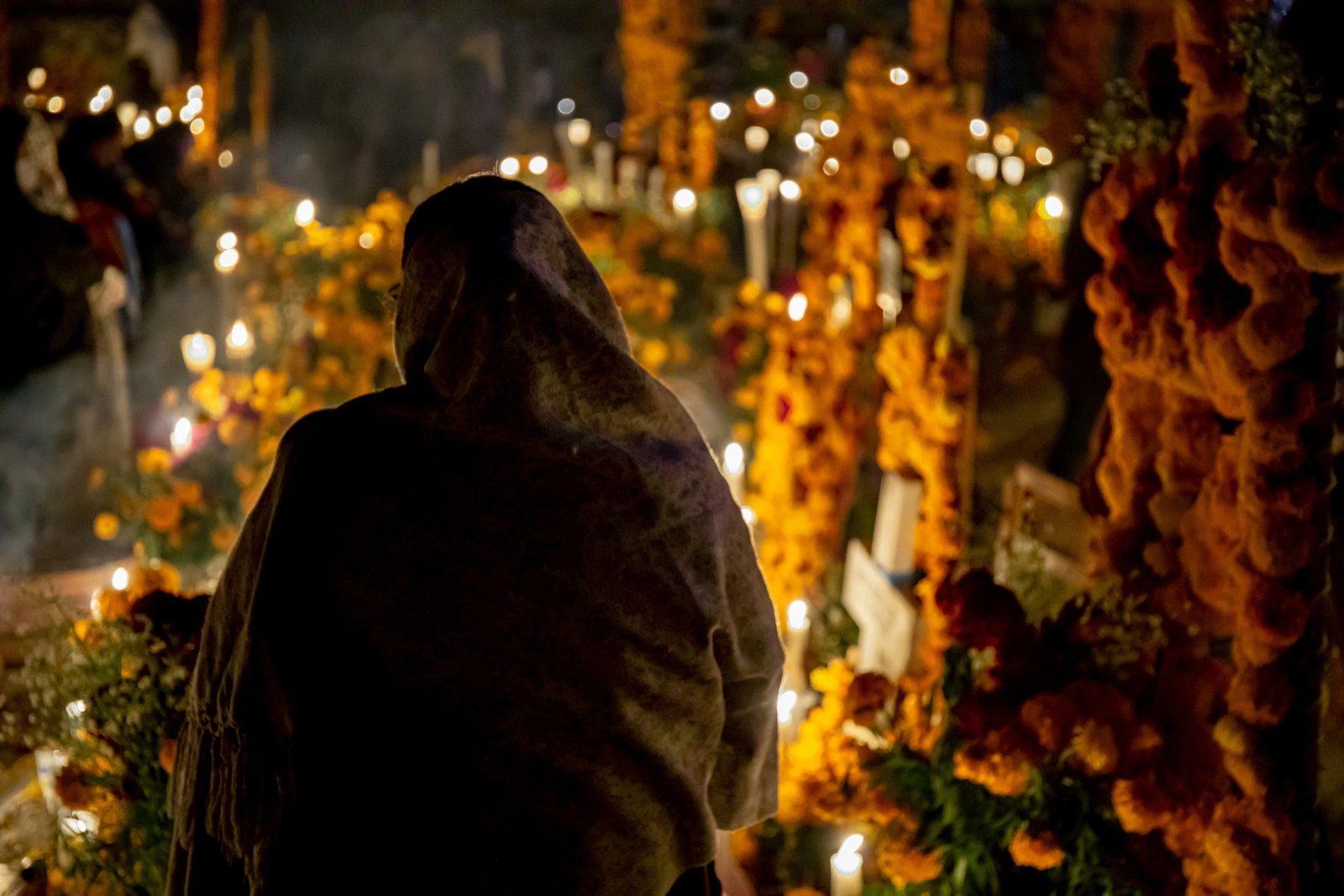
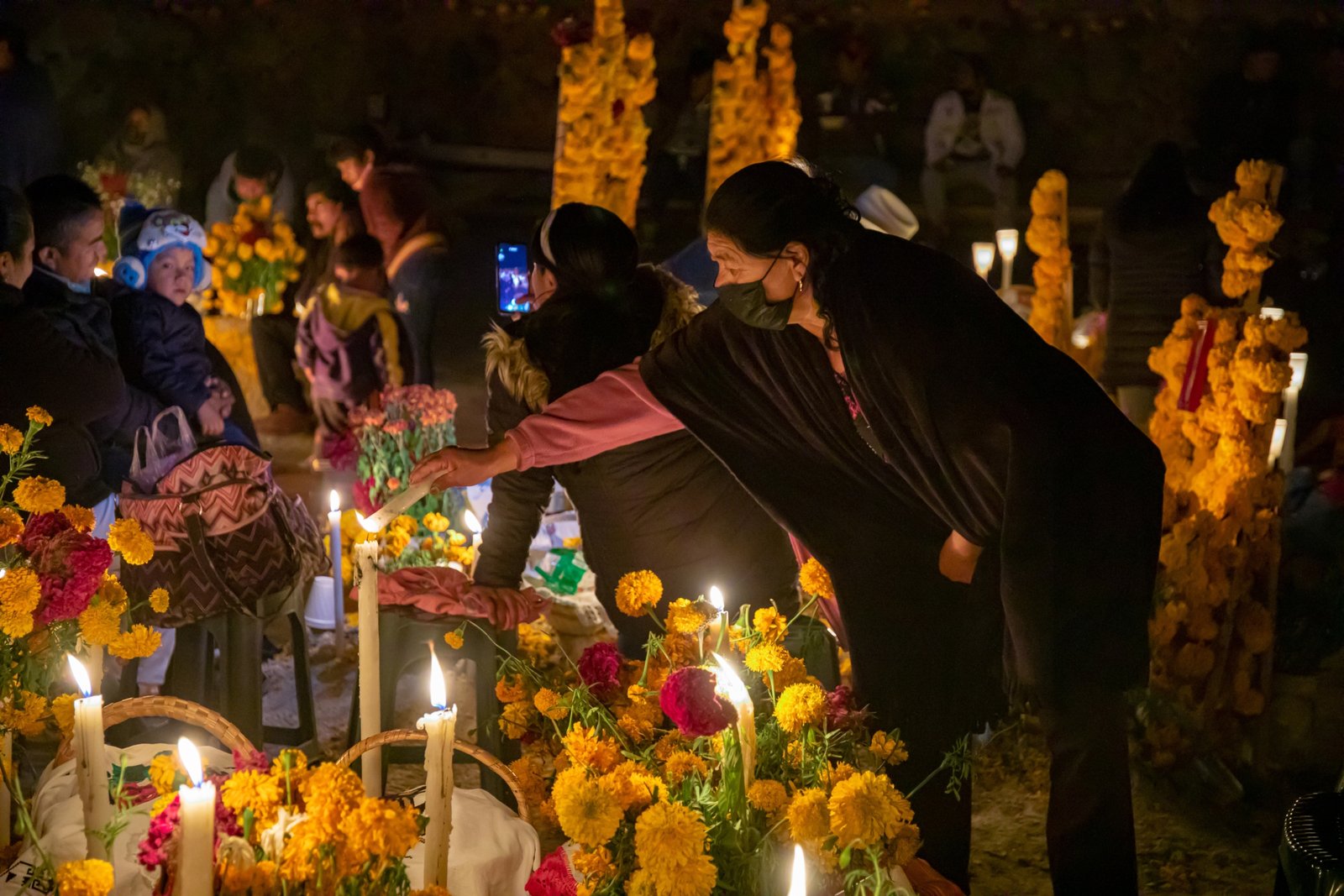
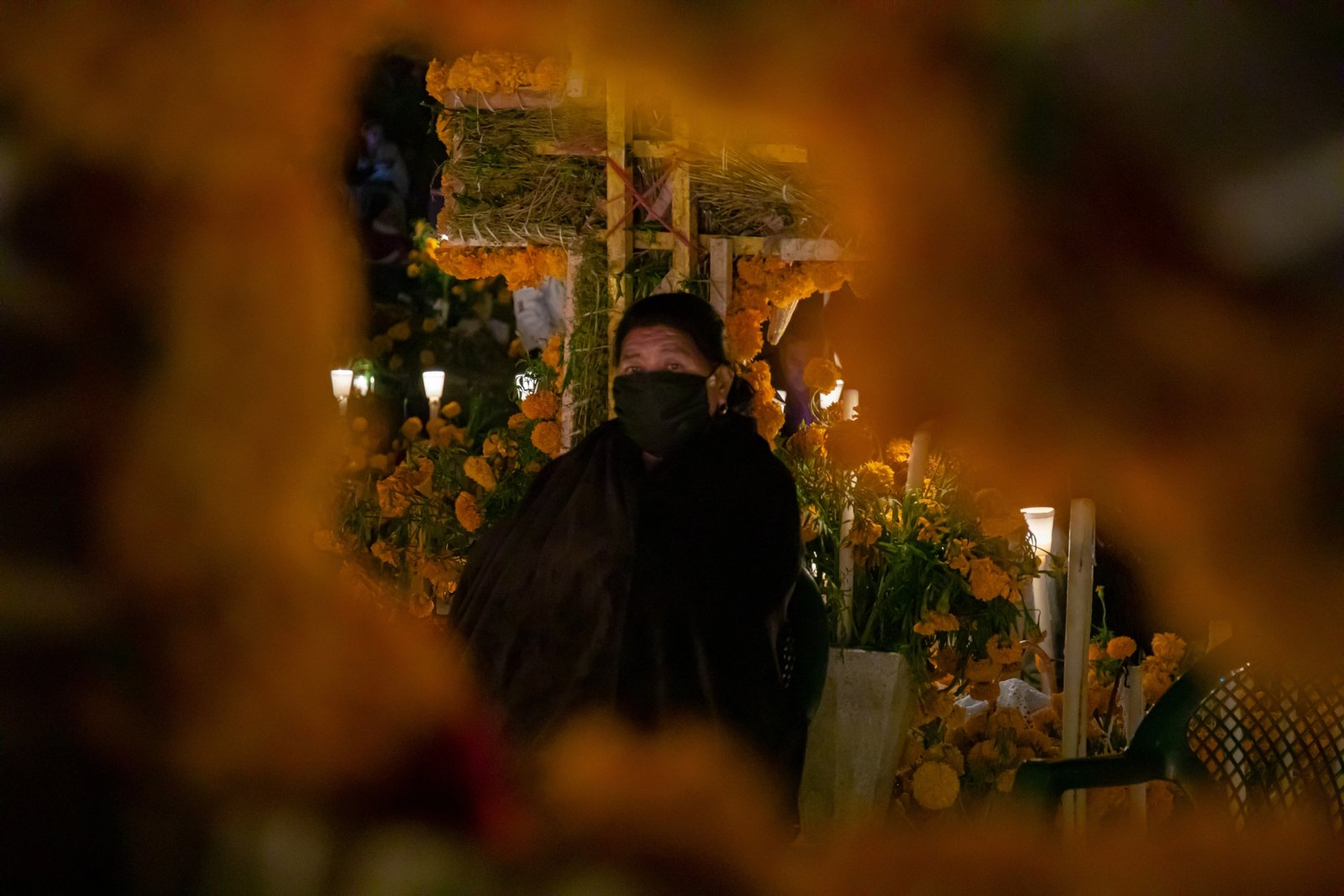
The relationship with those who have died becomes visible in homes, cemeteries, and community spaces. Food, flowers, candles, and offerings are prepared; people pray, talk, remember, and wait.
Cultural sources in Michoacán also use the Purépecha name Animecha Kejtzitakua, with variations in spelling. These practices are not performances created for visitors: they continue to hold family, religious, and community meaning.
The observance as we know it today has a complex history. The societies that inhabited the Lake Pátzcuaro basin before the Spanish conquest had their own beliefs and practices surrounding death and burial; archaeological research also shows that those practices changed over time. Following the conquest and evangelization, new encounters, adaptations, and transformations developed around the Catholic observances of All Saints and All Souls.
It is therefore more accurate to speak of continuities, transformations, and cultural encounters than to describe Fiesta de las Ánimas as a pre-Hispanic ritual that remained unchanged for centuries.
UNESCO recognizes Mexico's Indigenous festivities dedicated to the dead as intangible cultural heritage and specifically notes the meeting of Indigenous belief systems with Catholic observances introduced from the sixteenth century onward. That recognition applies to a broader Mexican cultural manifestation; it was not granted exclusively to Pátzcuaro or the Lake Region.
One region, many ways of waiting
Janitzio is perhaps the best-known image of Day of the Dead around Lake Pátzcuaro, but it does not represent the entire observance.
Across the islands and lakeside communities, there are differences in timing, offerings, the relationship between home and cemetery, the remembrance of children and adults who have died, and the ways families receive those who come to accompany them.
In Janitzio, the overnight cemetery vigil plays a central role. In Cuanajo, for example, documented practices continue into the morning of November 2 with the vigil at the cemetery. These differences are precisely why it is misleading to speak of a single Day of the Dead observed identically throughout the region.
Experiencing Fiesta de las Ánimas does not require trying to visit every community in a single night. Choosing one or two places, arriving with time, walking, observing, and staying awhile can reveal far more about what is happening around you.
Visiting with respect
Those who visit the Lake Region during these days enter spaces that belong first and foremost to families and communities.
Growing tourism has changed part of the experience, particularly in places such as Janitzio. Field research has documented visitors stepping on graves, interrupting moments of prayer, and intruding into family spaces in order to take photographs.
Walk where passage is appropriate, do not touch offerings or step on graves, ask permission before photographing people or family altars at close range, and always follow community guidance.
Sometimes the best way to take part is simply to stop and look.
Explore Fiesta de las Ánimas in greater depth
This entry is an introduction to a much broader observance.
The histories, offerings, vigils, and practices of individual communities deserve to be understood in their own right. Programs, routes, transportation, access conditions, and practical arrangements also change from year to year.
For that reason, Fiesta de las Ánimas compendium brings together our specialized compendium devoted entirely to the tradition: its background, offerings, communities, islands and towns, guidance for visiting respectfully, places to explore, and practical information for each edition.
Explore the complete Fiesta de las Ánimas compendium →
Next Edition / Practical Information
Celebration period: every year, October 29th to November 3rd..
Programs, schedules, routes, transportation, closures, access conditions, and special activities change from one edition to the next.
Updated information for the next edition, together with details about individual communities and guidance for planning a visit, is gathered in the specialized Fiesta de las Ánimas compendium.
Programs from previous years must not be presented as current information. When they have documentary value, they may be preserved only when clearly identified as archival material.
 EN
EN  ES
ES