
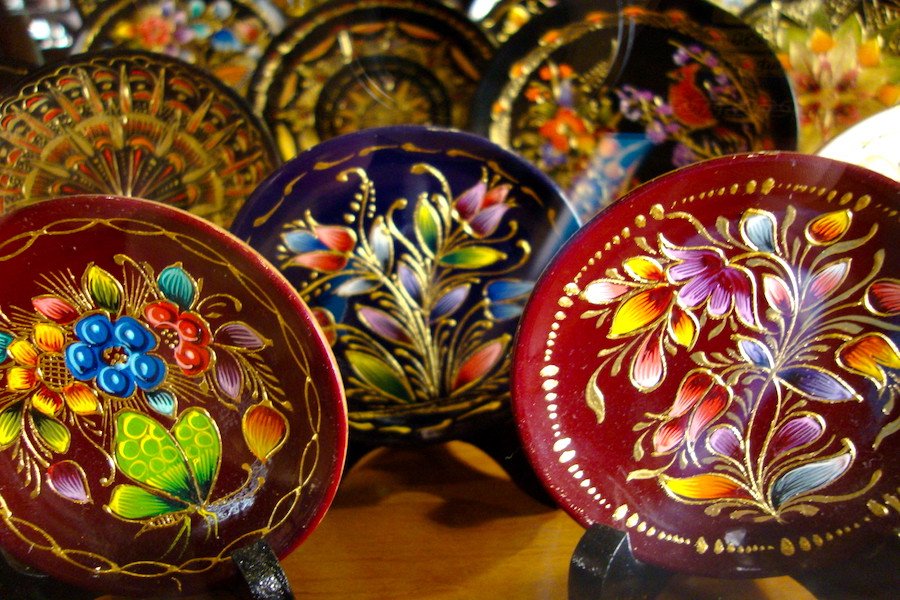
If you walk through central Pátzcuaro, it will not take long to come across woodwork, textiles, silver, lacquerware or cornstalk paste. Some belong to crafts still practiced in the city today; others arrive from communities throughout its region.
Knowing where they come from changes the way you look at a piece: not everything you find in Pátzcuaro was made in Pátzcuaro. no todo lo que encuentras en Pátzcuaro fue hecho en Pátzcuaro.
Long before “one craft for each town”
When the Spaniards arrived, Purépecha communities already had a remarkable degree of occupational specialization.
Sixteenth-century sources show carpenters, stoneworkers, potters, weavers, featherworkers, fishermen and metalworkers, among many other trades. Michoacán’s craft history did not begin with the conquest.
Pátzcuaro appears early in that documentation. In 1549, a letter sent to Vasco de Quiroga mentions a cloth with feather images that answered his request for a map of Lake Pátzcuaro, Tiripetío and the Valley of Guayangareo. The document does not say where the cloth itself was made.
A few decades later, the evidence is more direct: in 1590, featherworkers are documented among the many artisans working in Pátzcuaro. By the end of that century, a work signed by a Pátzcuaro featherworker had even reached Europe and is now preserved in Vienna.
After the conquest, those bodies of knowledge did not remain unchanged either. New tools, materials and techniques arrived; earlier knowledge found new uses, while some crafts were profoundly transformed.
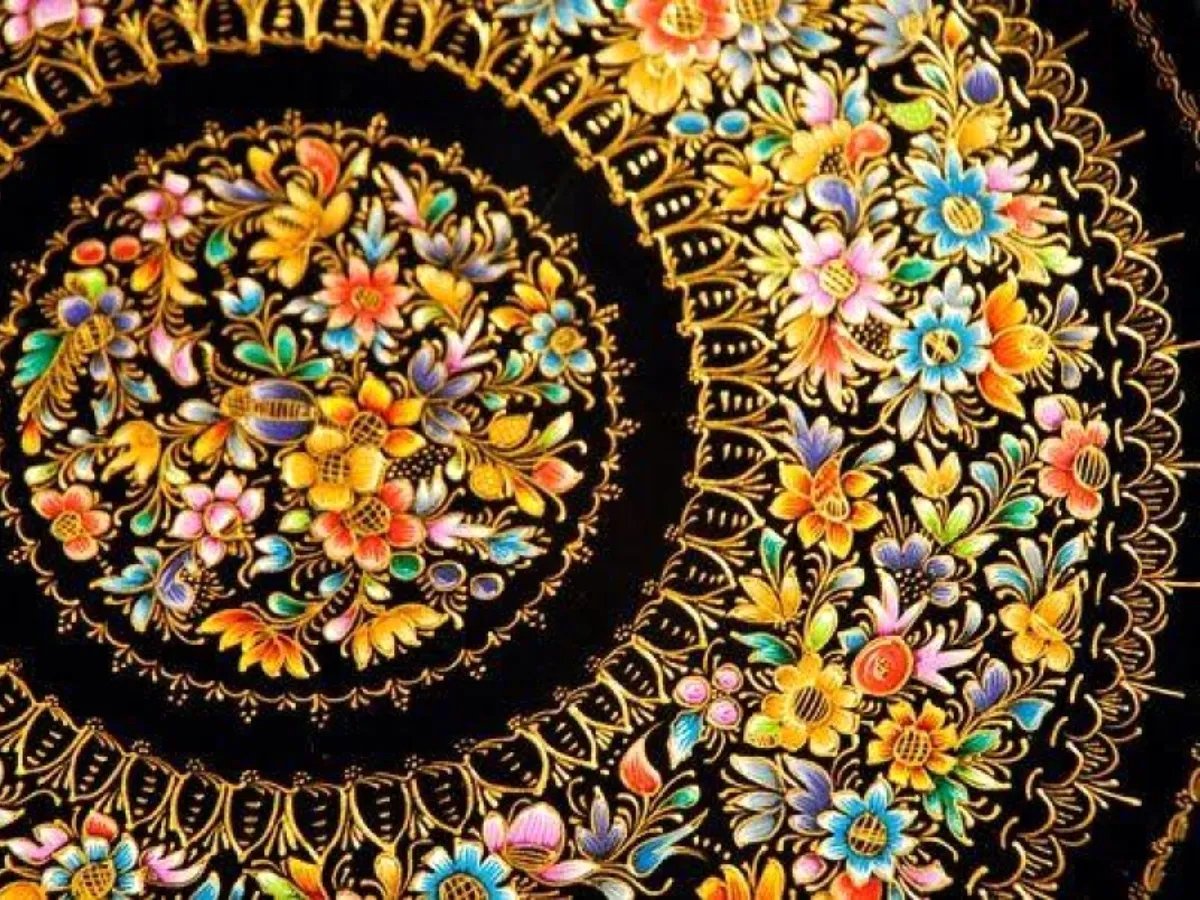
The treadle loom belongs to the colonial world. Pre-Hispanic cornstalk-paste techniques were adapted to the making of Christian images. And maque, whose roots also predate the conquest, developed distinctive expressions in Pátzcuaro, including gold outlining.
The region’s craft traditions are better understood this way: through their ability to preserve, transform and incorporate.
And Vasco de Quiroga?
For a long time, Michoacán’s collective memory has attributed to Vasco de Quiroga the idea of specializing each town in a different craft.
His role was important. The surviving Ordinances for the Santa Fe hospital communities clearly give a place to the learning of useful trades—including weaving, stonework, carpentry, masonry and blacksmithing—and treat agriculture as an occupation common to all.
But those Ordinances do not contain a territorial scheme in which Quiroga formally assigns a different craft to each town.
More than two centuries later, in 1766, his biographer Juan Joseph Moreno described and attributed to Quiroga a plan in which different communities became “mutually necessary” through their specialties. That work helps explain the origin of a historical image that later became enormously influential; it does not, however, replace a sixteenth-century document demonstrating that such an assignment was made.
The history we can document is more complex: earlier Indigenous knowledge, new techniques introduced during the colonial period, economic reorganization, and generations of communities and families who made those crafts their own.
What is actually made in Pátzcuaro
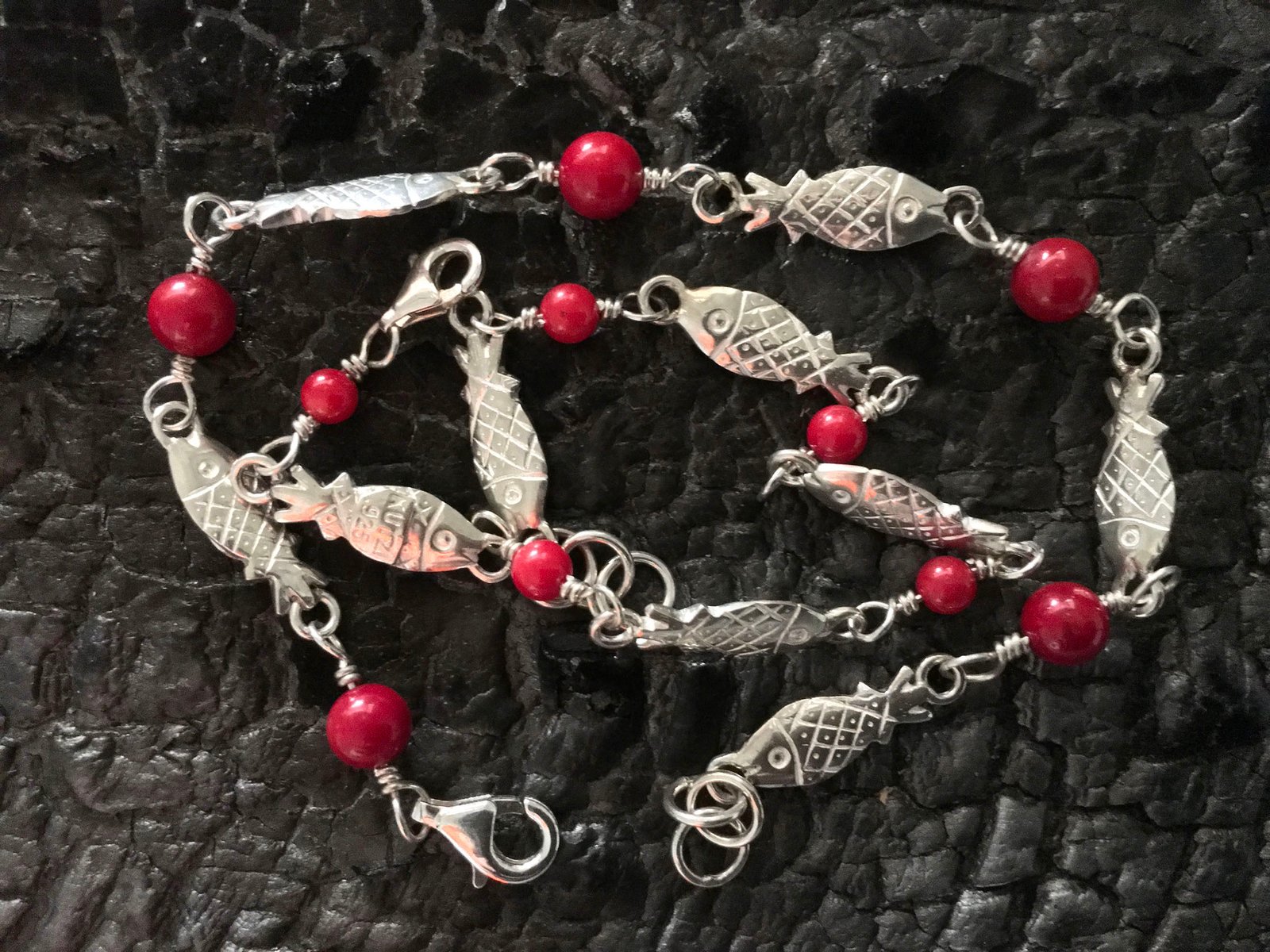
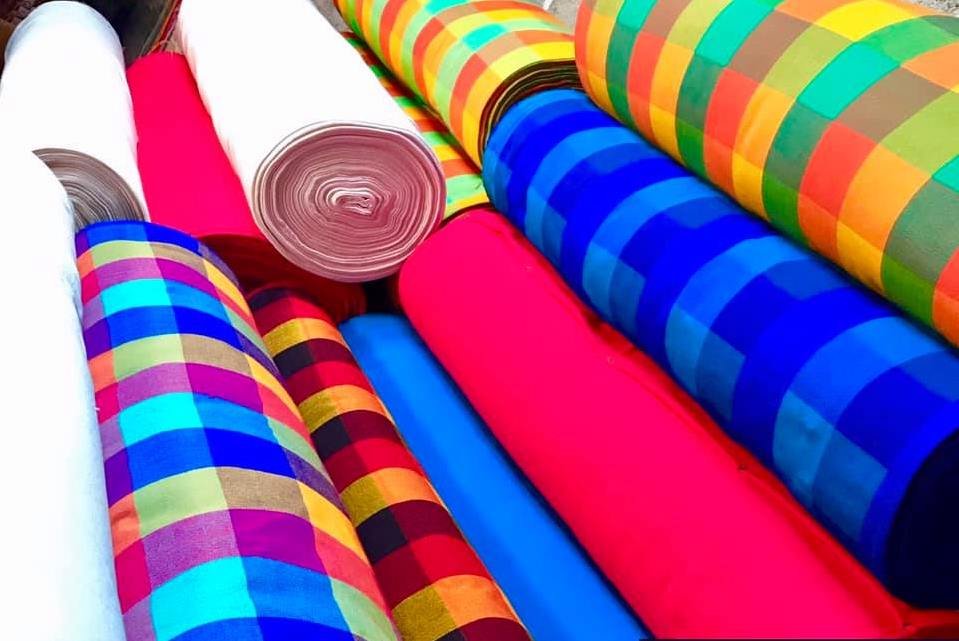
Pátzcuaro is not merely a showcase for regional production. Carved wood and furniture, candle making, treadle-loom textiles, silver jewelry, cornstalk-paste work and gold-outlined lacquerware are all documented in the city today.
The last of these has an especially close relationship with Pátzcuaro. On carefully prepared wooden surfaces, drawing and gold leaf create a distinctive expression within Michoacán’s broader maque tradition.
Silver offers another interesting thread. Documents from 1590 already mention silversmiths among Pátzcuaro’s artisans, and local jewelry workshops exist again today. This allows us to speak of both a historical and a contemporary presence without assuming that techniques and forms remained unchanged for more than four centuries.
A city where the region comes together
Pátzcuaro has functioned as a regional center of exchange since the sixteenth century. That history can still be recognized as you walk through the city and find pieces made in different places gathered together.
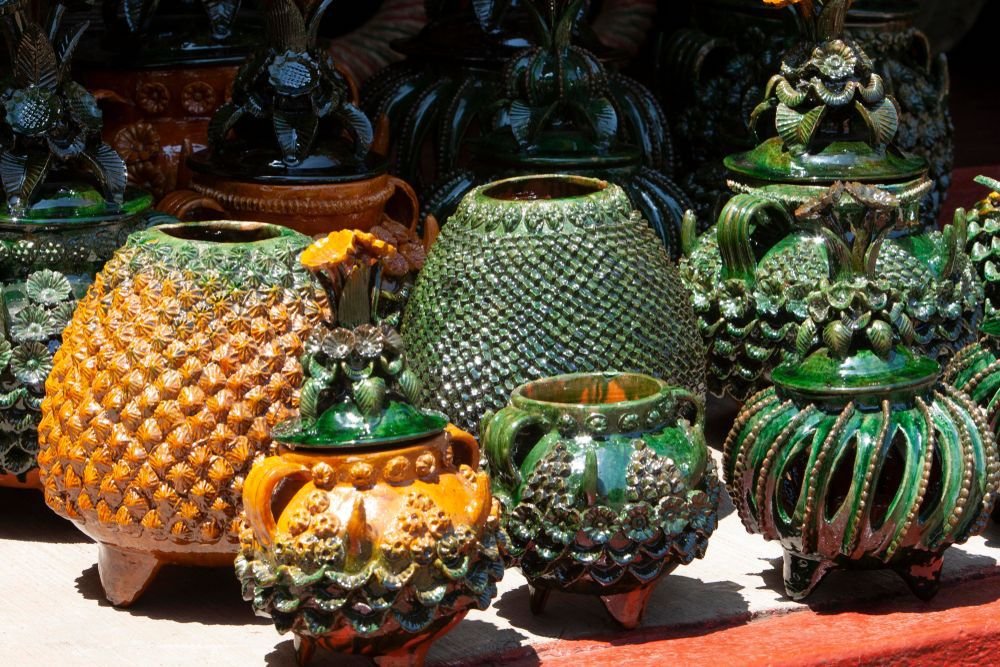
A piece of pottery may lead you toward Tzintzuntzan or Santa Fe de la Laguna; chuspata weaving toward Ihuatzio; a carved piece of furniture toward Cuanajo. Knowing where an object comes from is one way of beginning to read the territory through the people who work it.
El Museo Local de Artes e Industrias Populares de Pátzcuaro, one block from Plaza Vasco de Quiroga, helps place those differences in context. Its collections present techniques, materials and ways of working from different communities in the region and remind us of something simple: a craft does not end with the object; behind it are people, places and knowledge.
When you find something you like, there is one question worth asking:
Where did it come from, and who made it?
Sometimes the answer is the beginning of another journey.
 EN
EN  ES
ES